10.22.2026
Will Higher Rates Cramp the Markets?
Anyone who has run a marathon knows the last six miles are brutal — no matter how well the first…


The chart above shows labor share on the left axis, and corporate profits as a percentage of GDP on the right axis. Labor share is calculated by the U.S. Bureau of Labor Statistics, and measures the percentage of output that employers pay in employee compensation. Corporate profits as a percentage of GDP is calculated based on the U.S. Bureau of Economic Analysis (BEA). It includes income earned abroad by corporations.
Since the 1980’s until the most recent recession, the U.S. maintained relatively stable GDP growth. However, this growth was not evenly apportioned. During this time, income inequality increased, and labor’s share of output declined. Over the past decade this loss in income was supplemented with an increase in leverage, including mortgage debt. The subsequent consumer deleveraging has led to weak aggregate demand and tepid GDP growth out of the recession. With lower wage costs and new sources of global demand, corporate profits soared.
In the near term, these imbalances still seem firmly in place. Aggregate demand, and thus economic growth, is weak. Earnings growth remains comparatively strong. In the long-term, what may be good for the economy may or may not be good for corporations and the stock market. Wage inflation would improve household balance sheets by both increasing income and decreasing nominal debt burdens. However, higher costs would lead to declining corporate profits.
The opinions expressed herein are those of Marquette Associates, Inc. (“Marquette”), and are subject to change without notice. This material is not financial advice or an offer to purchase or sell any product. Marquette reserves the right to modify its current investment strategies and techniques based on changing market dynamics or client needs.

10.22.2026
Anyone who has run a marathon knows the last six miles are brutal — no matter how well the first…
10.19.2026
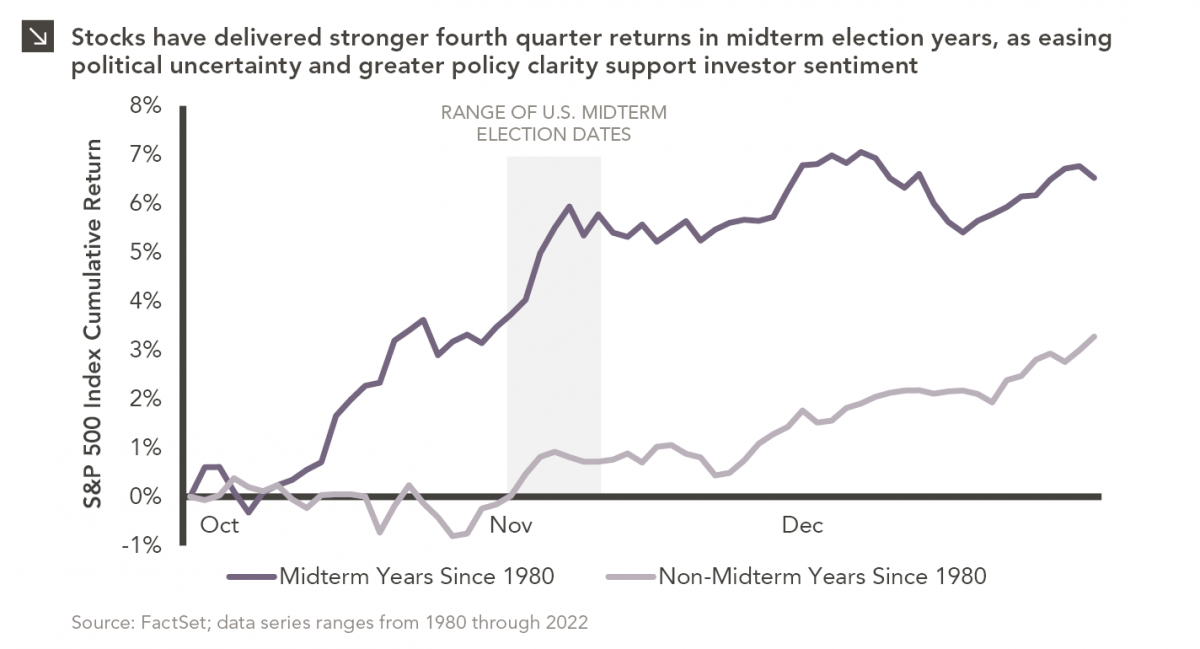
Since 1980, the S&P 500 Index has generally performed well in the weeks surrounding U.S. midterm elections. Specifically, the index…
10.12.2026
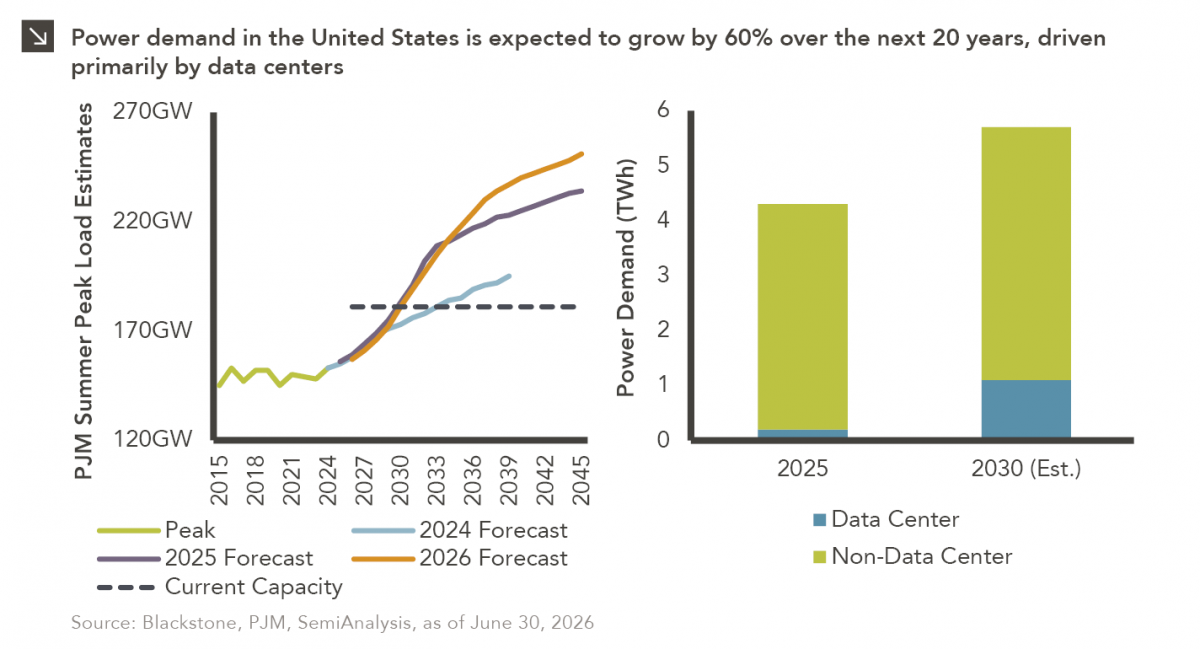
This week’s chart highlights the accelerating growth of electricity demand in the U.S., which has been driven primarily by the…

10.08.2026
LIVE WEBINAR — OCTOBER 22 Please join Marquette’s research team for our 3Q 2026 Market Insights Webinar…
10.05.2026
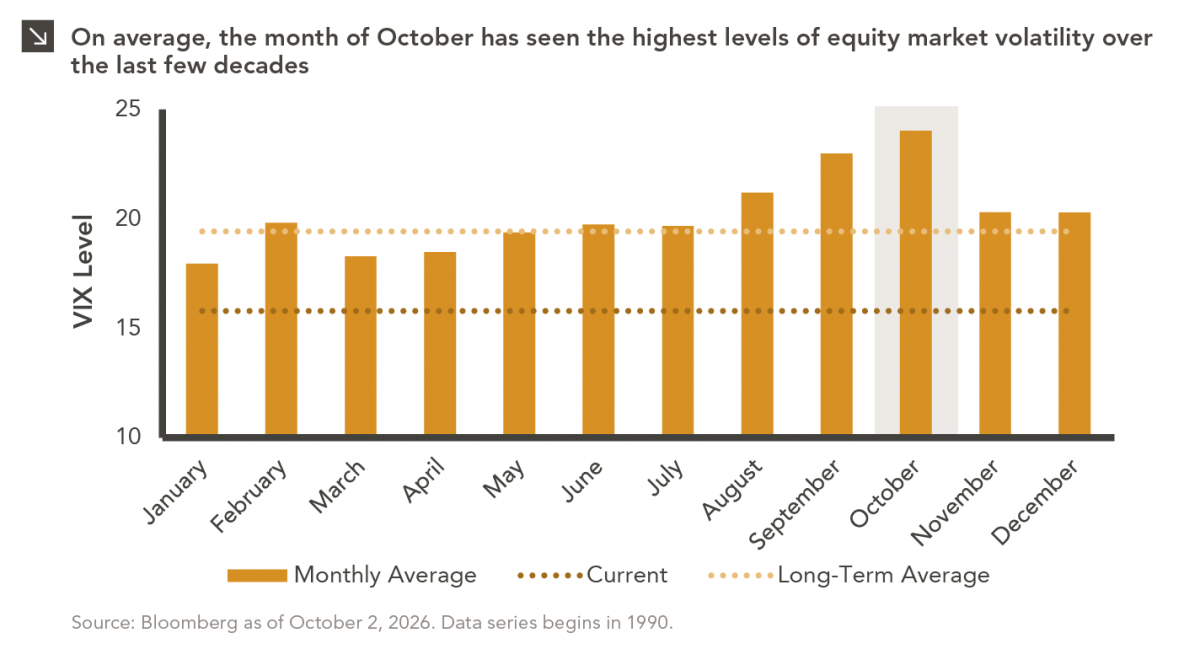
For investors, the spookiest thing about October might not be the ghosts and monsters that are bound to show up…
09.28.2026
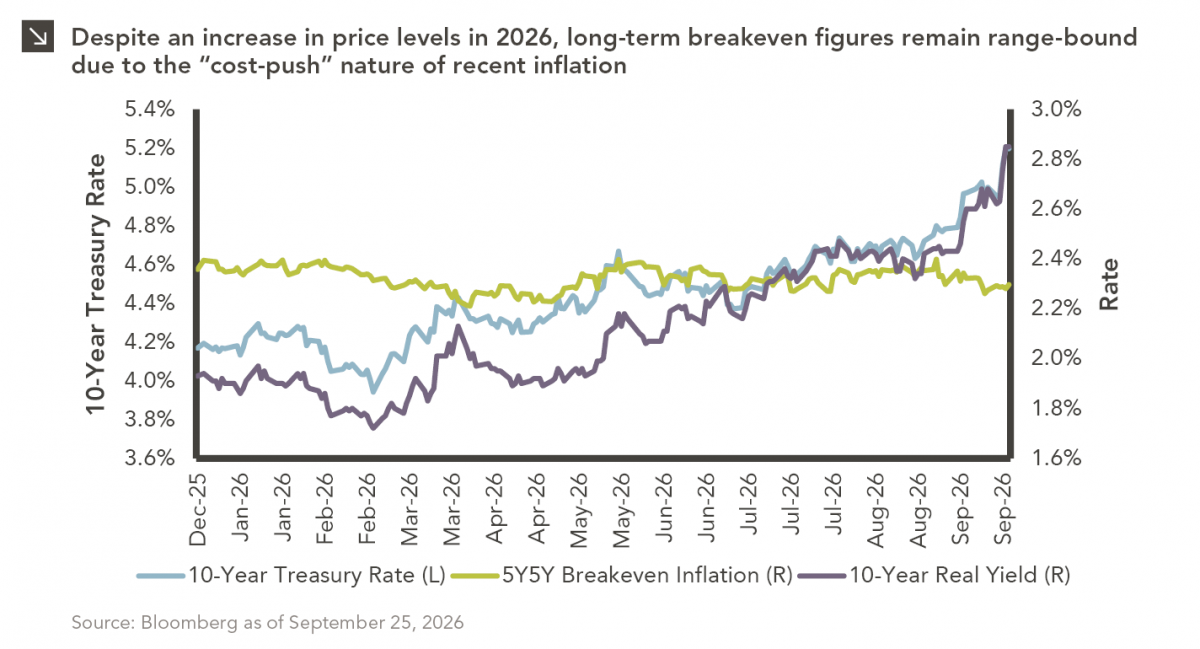
The phrase “expectations of higher inflation” has become a staple in financial news to explain the increase in nominal U.S….
Research alerts keep you updated on our latest research publications. Simply enter your contact information, choose the research alerts you would like to receive and click Subscribe. Alerts will be sent as research is published.
We respect your privacy. We will never share or sell your information.
If you have questions or need further information, please contact us directly and we will respond to your inquiry within 24 hours.
Contact Us >