10.22.2026
Will Higher Rates Cramp the Markets?
Anyone who has run a marathon knows the last six miles are brutal — no matter how well the first…


Amid ongoing vaccination progress and an improving U.S. economy, we are seeing a recovery across property sectors – those that were most impacted by the pandemic as well as those that proved relatively resilient, like the multifamily sector. Apartment landlords have greater flexibility to adjust rents at a faster pace than other core sectors, allowing the group to better adjust to landscape changes accelerated by the COVID pandemic and near-term inflationary trends. This, in turn, gives investors the opportunity to position their portfolios to capitalize on these relative advantages.
Already, overall apartment occupied stock has increased to a level 20% above the prior 2000 peak. This demand has driven up effective multifamily rent growth, as seen in the chart above. While expected to moderate from here, national apartment rent growth is forecasted to stay above recent levels, increasing an average of 4.7% and 4.5% in 2021 and 2022, respectively1, driven by ongoing economic expansion and an expected hiring boom. The U.S. economy is expected to add an estimated 12 million new jobs between 2021 and 2023, particularly impacting demand across sunbelt regions and tech hubs, where suburban rentals have outperformed and urban core sub-sectors have rebounded. ² On an ongoing basis, flexible work from home policies will impact where people prefer to live, likely pushing the demand for additional living space and driving effective rents across unit types.
From here, with the added uncertainty brought on by COVID-19 variants, we may see multifamily demand and rent continue upward, or we may see the sector lose momentum from increasing supply or the downstream effects of the recent end to the eviction moratorium. Ultimately, we will continue to look for the best risk/reward opportunities in the evolving real estate space, helping our clients maneuver through the changing dynamics.
Print PDF > Multifamily Matters
The opinions expressed herein are those of Marquette Associates, Inc. (“Marquette”), and are subject to change without notice. This material is not financial advice or an offer to purchase or sell any product. Marquette reserves the right to modify its current investment strategies and techniques based on changing market dynamics or client needs.

10.22.2026
Anyone who has run a marathon knows the last six miles are brutal — no matter how well the first…
10.19.2026
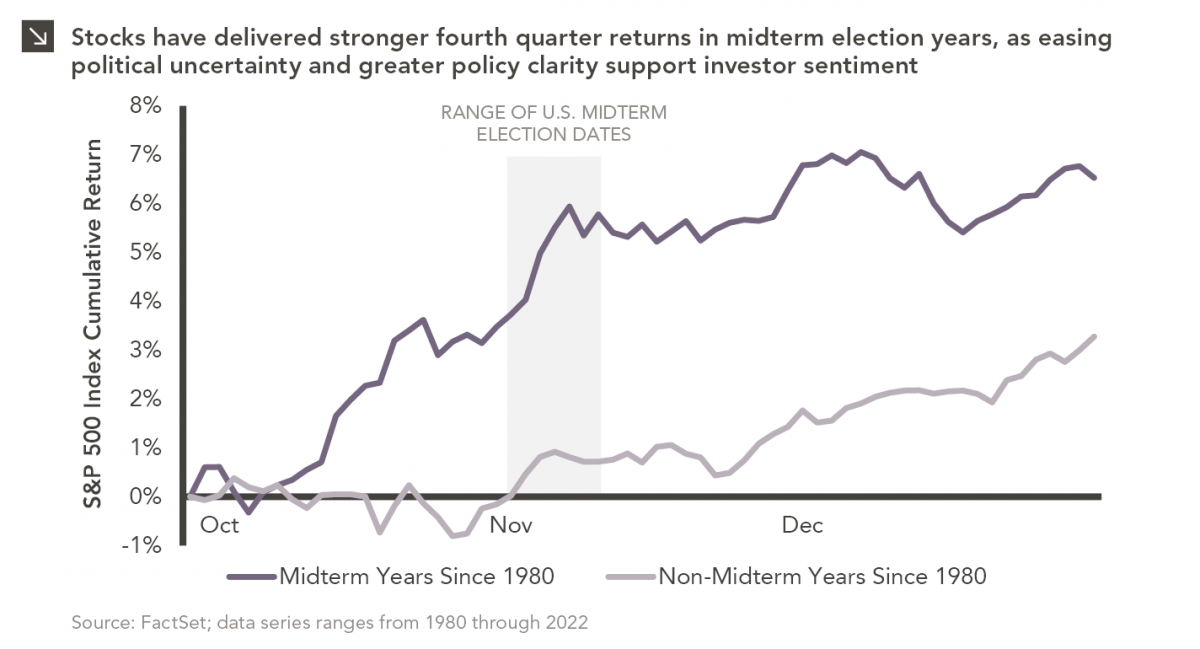
Since 1980, the S&P 500 Index has generally performed well in the weeks surrounding U.S. midterm elections. Specifically, the index…
10.12.2026
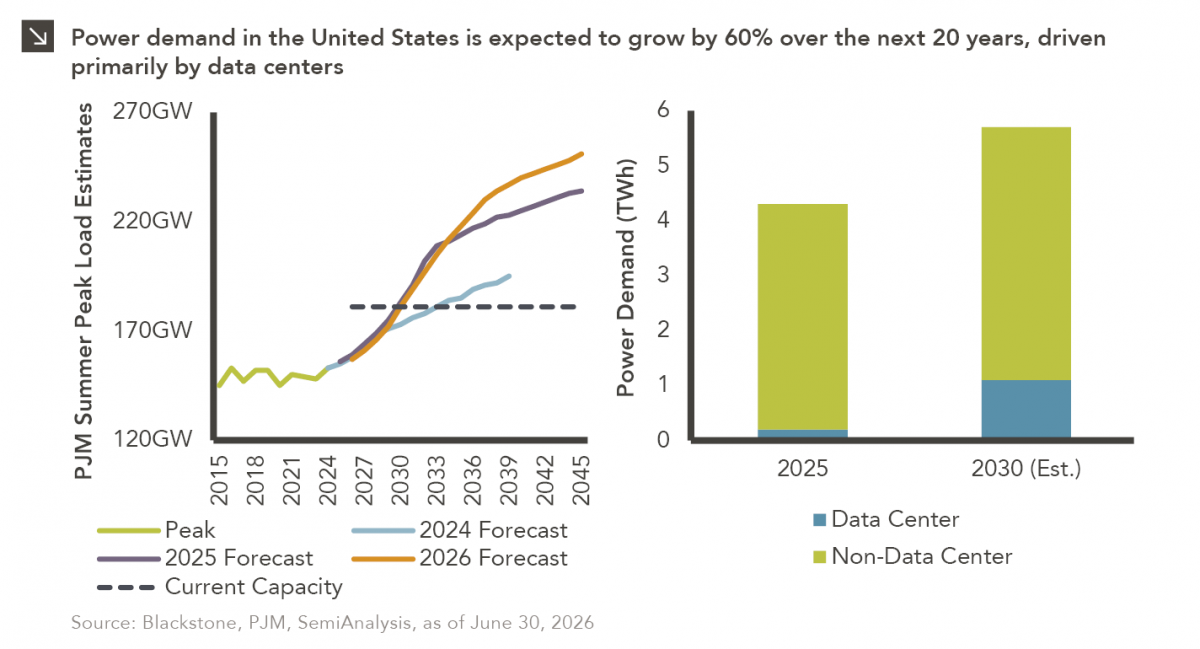
This week’s chart highlights the accelerating growth of electricity demand in the U.S., which has been driven primarily by the…

10.08.2026
LIVE WEBINAR — OCTOBER 22 Please join Marquette’s research team for our 3Q 2026 Market Insights Webinar…
10.05.2026
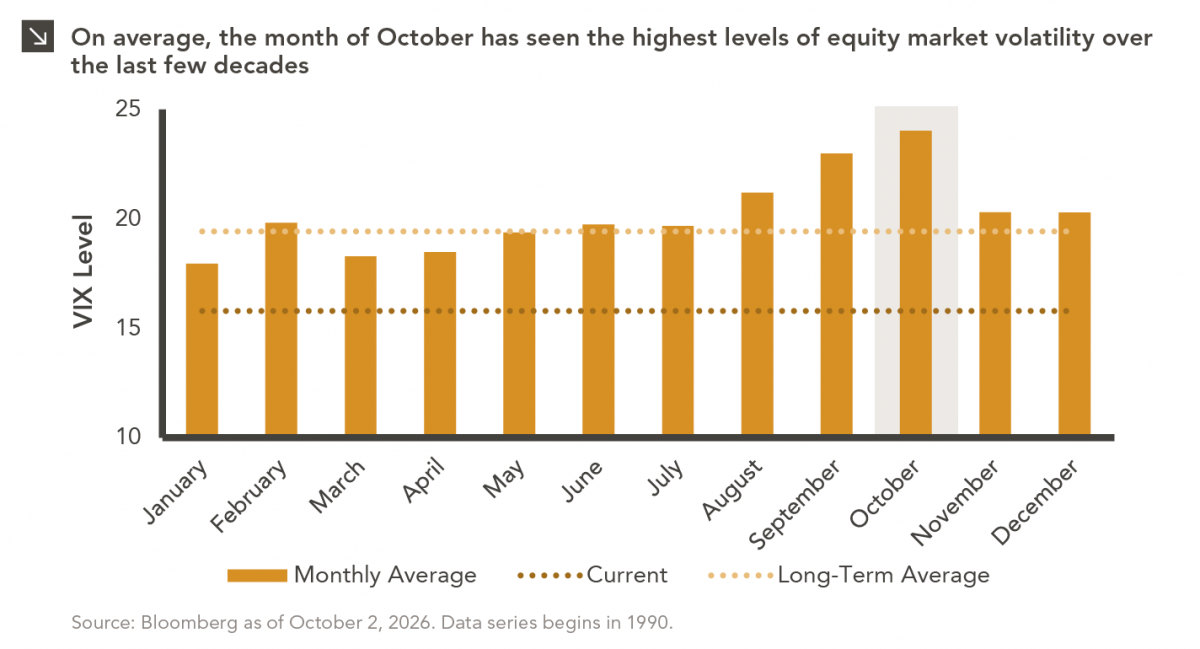
For investors, the spookiest thing about October might not be the ghosts and monsters that are bound to show up…
09.28.2026
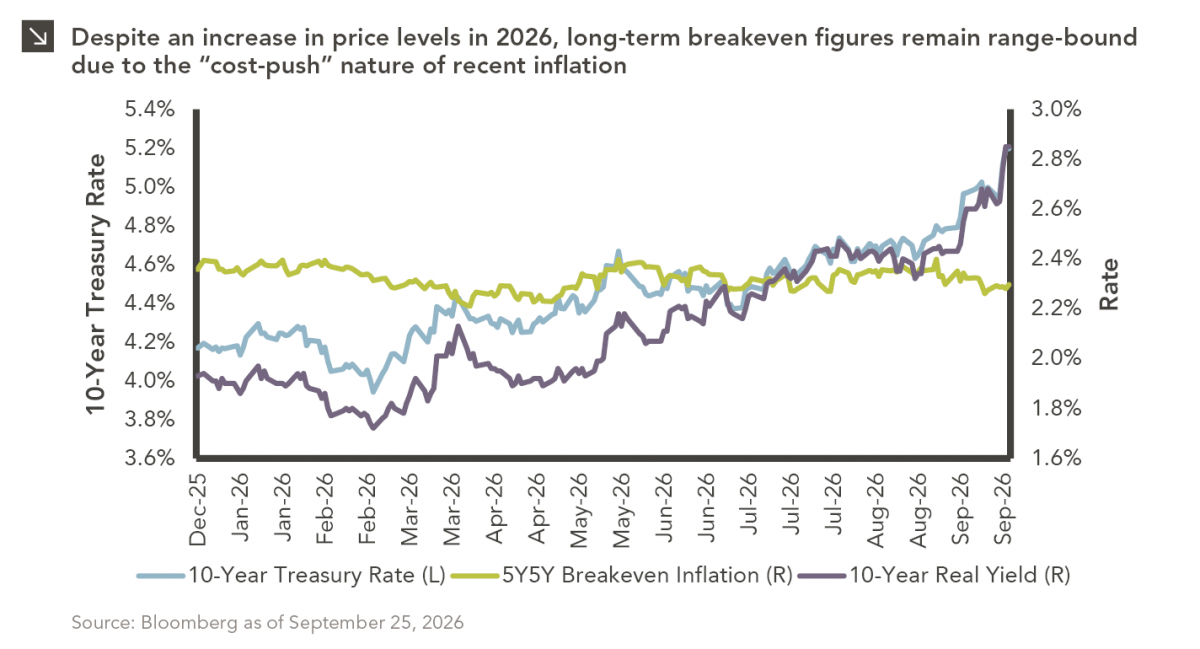
The phrase “expectations of higher inflation” has become a staple in financial news to explain the increase in nominal U.S….
Research alerts keep you updated on our latest research publications. Simply enter your contact information, choose the research alerts you would like to receive and click Subscribe. Alerts will be sent as research is published.
We respect your privacy. We will never share or sell your information.
If you have questions or need further information, please contact us directly and we will respond to your inquiry within 24 hours.
Contact Us >