Aimee O’Connor, CFP®
Partner


To date during this COVID-19 pandemic, both U.S. municipal bond issuers as well as municipal bond strategies have proven to be resilient despite the mounting adversity brought on by the nationwide lockdowns and other social distancing guidelines. The broader market recovery has been relatively quick as the S&P 500 is now back to pre-COVID highs, corporate credit spreads are back to pre-COVID tights, and overall volatility has mostly stabilized. The rebound in the economy is proving to be slow, however — with recent signs of leveling off — and is not expected to fully rebound until a vaccine is approved and distributed.
In the following, we provide a quick review of how municipal bonds have weathered the crisis so far in 2020; an assessment of key valuation, fundamental, and technical indicators to formulate a thesis for investing in municipal bonds going forward; and perspectives on how specific segments of the asset class such as investment grade municipals vs. high yield municipals and select sectors of the municipal bond market such as healthcare and education are expected to fare during the balance of the recession and recovery.

The opinions expressed herein are those of Marquette Associates, Inc. (“Marquette”), and are subject to change without notice. This material is not financial advice or an offer to purchase or sell any product. Marquette reserves the right to modify its current investment strategies and techniques based on changing market dynamics or client needs.
10.19.2026
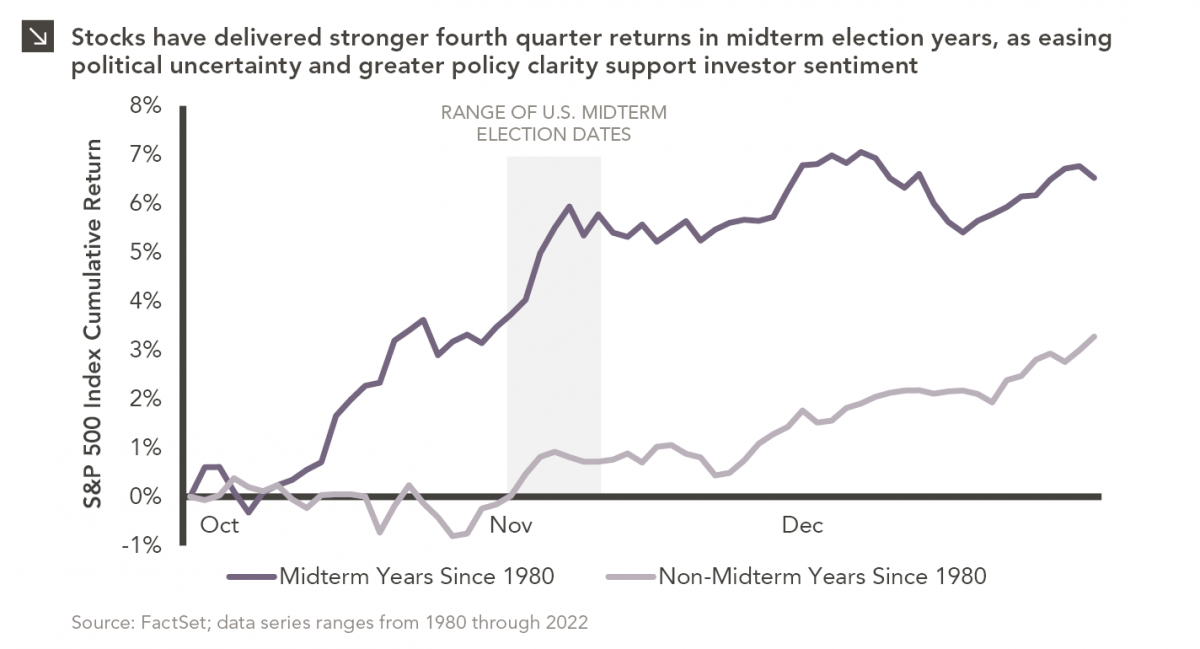
Since 1980, the S&P 500 Index has generally performed well in the weeks surrounding U.S. midterm elections. Specifically, the index…

10.08.2026
LIVE WEBINAR — OCTOBER 22 Please join Marquette’s research team for our 3Q 2026 Market Insights Webinar…
09.28.2026
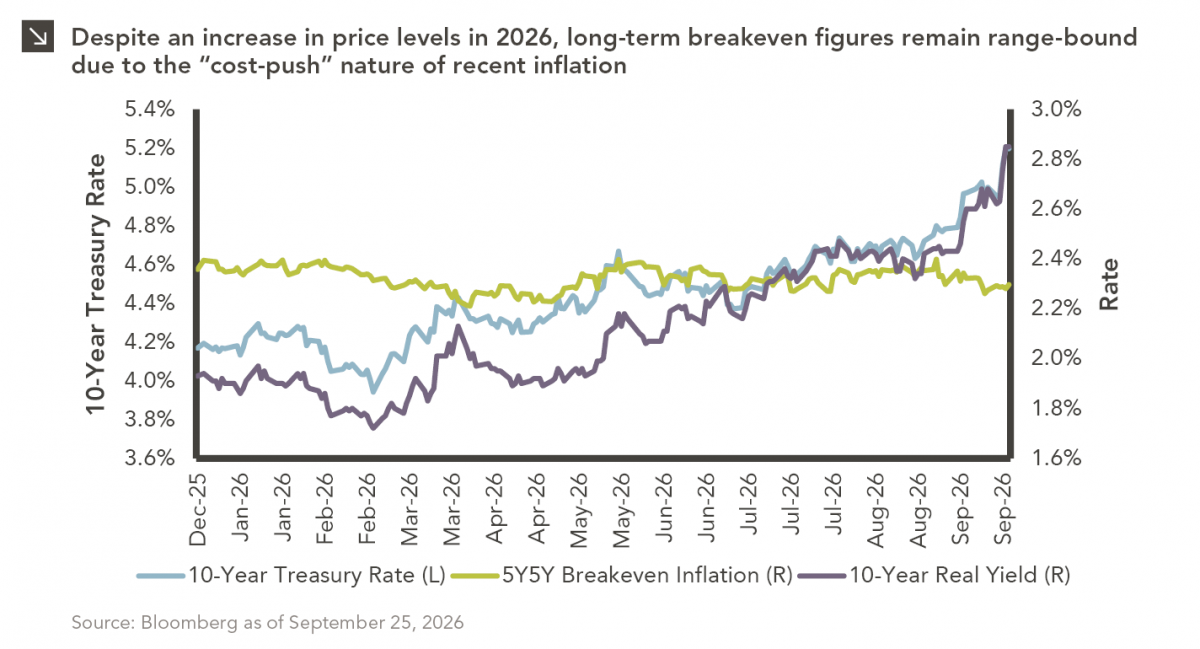
The phrase “expectations of higher inflation” has become a staple in financial news to explain the increase in nominal U.S….
09.15.2026
Over the past decade, continuation vehicles (“CV”) have become one of the fastest-growing trends in private equity. Private equity funds…
09.14.2026
There are many great things about working at Marquette Associates, but “Free Lunch Tuesday” is right at the top of…
08.24.2026
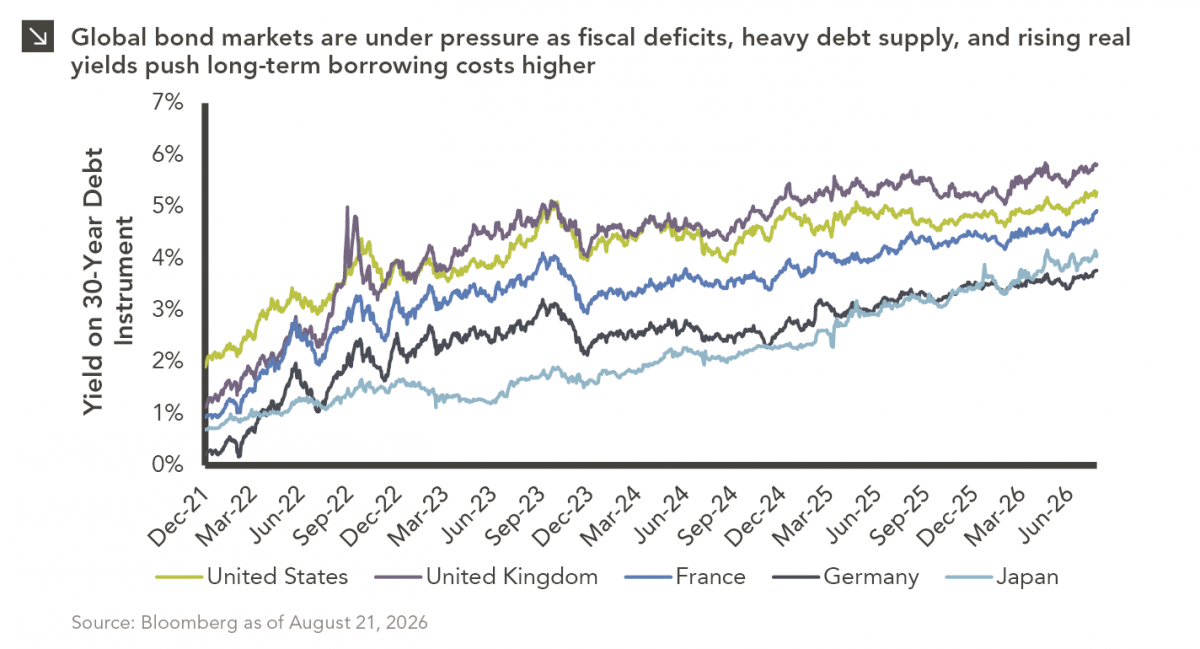
The global bond market is facing renewed pressure as investors demand higher yields to hold long-dated government debt, pushing borrowing…
Research alerts keep you updated on our latest research publications. Simply enter your contact information, choose the research alerts you would like to receive and click Subscribe. Alerts will be sent as research is published.
We respect your privacy. We will never share or sell your information.
If you have questions or need further information, please contact us directly and we will respond to your inquiry within 24 hours.
Contact Us >