Chad Sheaffer, CFA, CAIA
Associate Director of Private Credit


The 2022 hurricane season is the latest headwind in a challenging year for investors. Last week, Hurricane Ian made landfall in Florida as a powerful Category 4 hurricane, unleashing heavy rains, high sustained winds, and extensive flooding along the coast. While the full extent of damages and the ultimate impact on the U.S. economy will not be known for several months, preliminary estimates indicate that Hurricane Ian will rank among the top 10 costliest storms in U.S. history. Current estimates of Hurricane Ian’s total cost — including damages and lost economic activity — range widely from $65 billion to as much as $120 billion. While several industries across the southeastern United States have been negatively impacted, Hurricane Ian’s overall impact on U.S. GDP is expected to be limited. Recent analysis by EY Parthenon, Ernst and Young’s global consulting arm, projects GDP to be reduced by 30 basis points in Q3 and 10 basis points in Q4 as a result of the hurricane. Natural disasters tend to have short-term economic consequences, with lost economic output recovered over time as federal assistance and insurance payouts allow communities to rebuild. Reconstruction efforts can also provide a temporary boost to GDP. As with other sources of uncertainty, Marquette encourages investors to maintain discipline and stick to long-term strategic allocations to best weather the market’s storms.
Print PDF> Picking up the Pieces: Assessing the Economic Impact of Hurricane Ian

The opinions expressed herein are those of Marquette Associates, Inc. (“Marquette”), and are subject to change without notice. This material is not financial advice or an offer to purchase or sell any product. Marquette reserves the right to modify its current investment strategies and techniques based on changing market dynamics or client needs.
10.12.2026
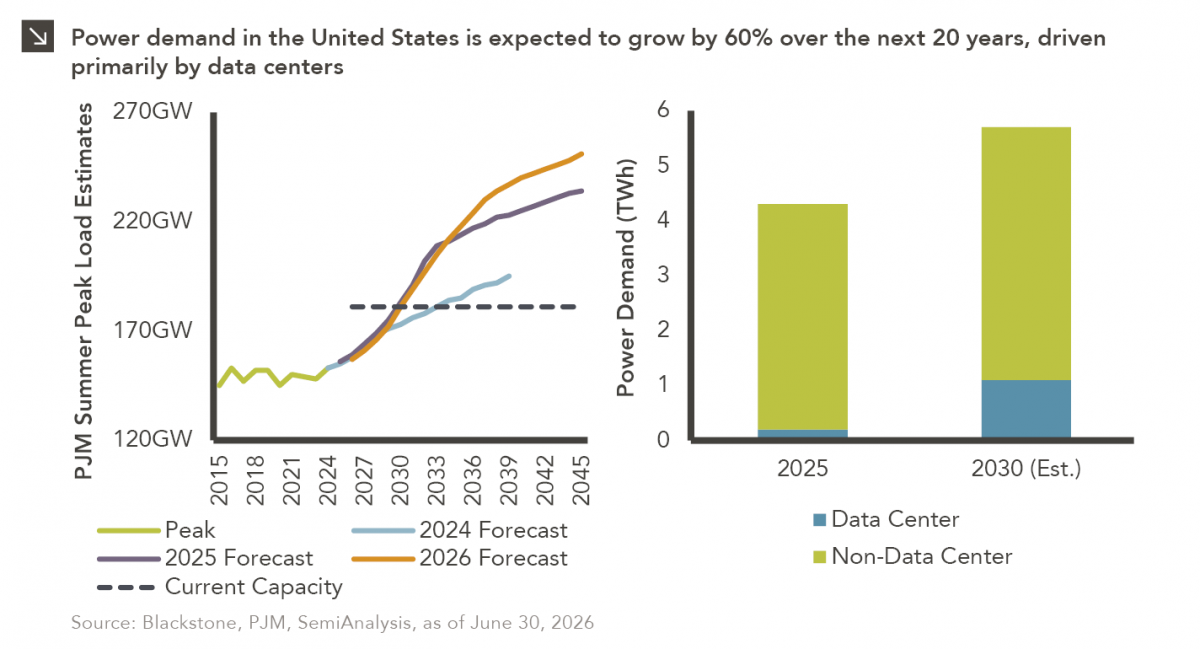
This week’s chart highlights the accelerating growth of electricity demand in the U.S., which has been driven primarily by the…

10.08.2026
LIVE WEBINAR — OCTOBER 22 Please join Marquette’s research team for our 3Q 2026 Market Insights Webinar…
10.05.2026
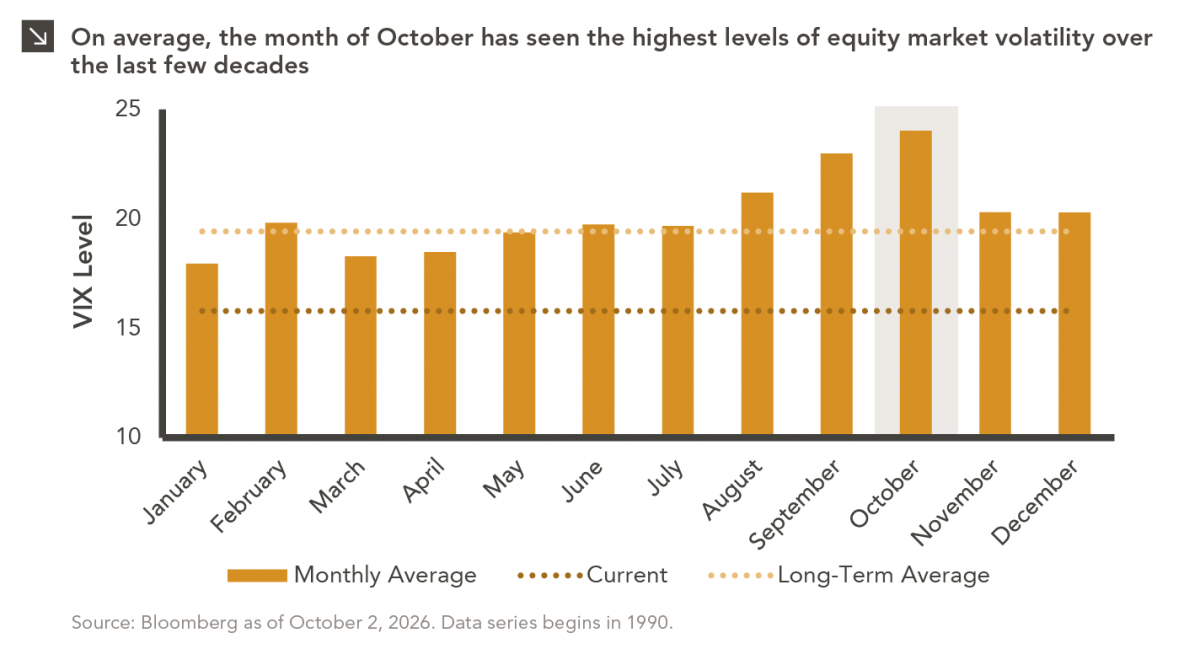
For investors, the spookiest thing about October might not be the ghosts and monsters that are bound to show up…
09.28.2026
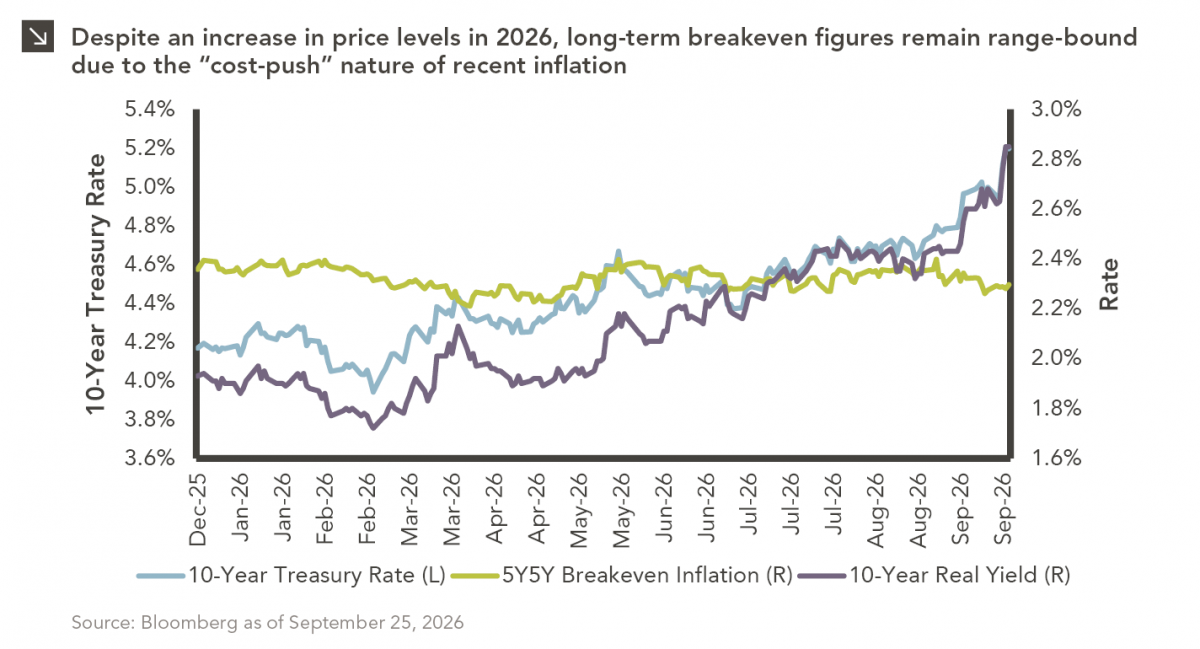
The phrase “expectations of higher inflation” has become a staple in financial news to explain the increase in nominal U.S….
09.21.2026
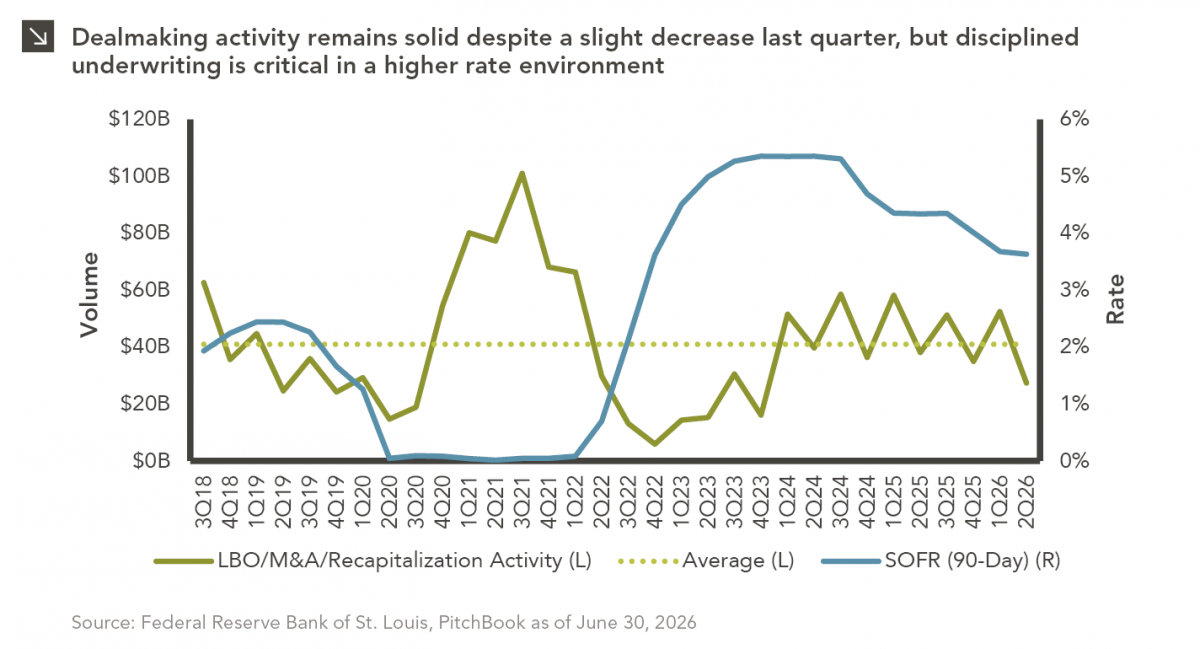
For much of the past several years, the conventional view has been that higher interest rates and stretched valuations would…

09.15.2026
Over the past decade, continuation vehicles (“CV”) have become one of the fastest-growing trends in private equity. Private equity funds…
Research alerts keep you updated on our latest research publications. Simply enter your contact information, choose the research alerts you would like to receive and click Subscribe. Alerts will be sent as research is published.
We respect your privacy. We will never share or sell your information.
If you have questions or need further information, please contact us directly and we will respond to your inquiry within 24 hours.
Contact Us >