10.12.2026
The Power Demand Supercycle
This week’s chart highlights the accelerating growth of electricity demand in the U.S., which has been driven primarily by the…


How do performance trends differ between quantitative and fundamental strategies? This week we explore those differences amongst U.S. large, mid, and small cap equities over the past business cycle.
Quantitative and fundamental strategies first differ in their approach to selecting stocks. Quantitative strategies rely on mathematical models weighing a varying amount of factors while fundamental strategies rely on solid company standing, outlook, and a more human touch through proprietary analyst research.
Within the large cap universe, quantitative funds, on average, were unable to provide much downside protection during the financial crisis. However, over the course of the ensuing bull market these funds were able to outperform the benchmark and eventually their fundamental counterparts. This could perhaps be attributed to quantitative funds having a greater ability to react nimbly to any buy signals generated as a result of massive inflows into the large cap benchmarks in recent years. Strategies within the small cap universe experienced a scenario on the opposite end of the spectrum. Here, quantitative funds were able to offer neither superior upside nor downside protection versus the benchmark; on average these performed worse than the index and over the course of the bull market were unable to outperform enough to recoup those extra losses. As this universe of smaller companies has less analyst coverage, perhaps quantitative strategies struggled to capture enough readily available data from which their models could generate accurate signals. Strategies in the mid cap space exhibit an interesting pattern of their own. Quantitative strategies were able to protect on the downside along with fundamental strategies and were also able to outpace the outperformance of fundamentals.
While these patterns are certainly not guaranteed to persist through the next business cycle, they may offer insight into which universes quantitative strategies have either an advantage or disadvantage, whether it informational or reactionary. As quantitative strategies continually adapt through additions of new factors or tweaks to their models, it will be interesting to see how the two strategy types compare over the next business cycle.
The opinions expressed herein are those of Marquette Associates, Inc. (“Marquette”), and are subject to change without notice. This material is not financial advice or an offer to purchase or sell any product. Marquette reserves the right to modify its current investment strategies and techniques based on changing market dynamics or client needs.

10.12.2026
This week’s chart highlights the accelerating growth of electricity demand in the U.S., which has been driven primarily by the…

10.08.2026
LIVE WEBINAR — OCTOBER 22 Please join Marquette’s research team for our 3Q 2026 Market Insights Webinar…
10.05.2026
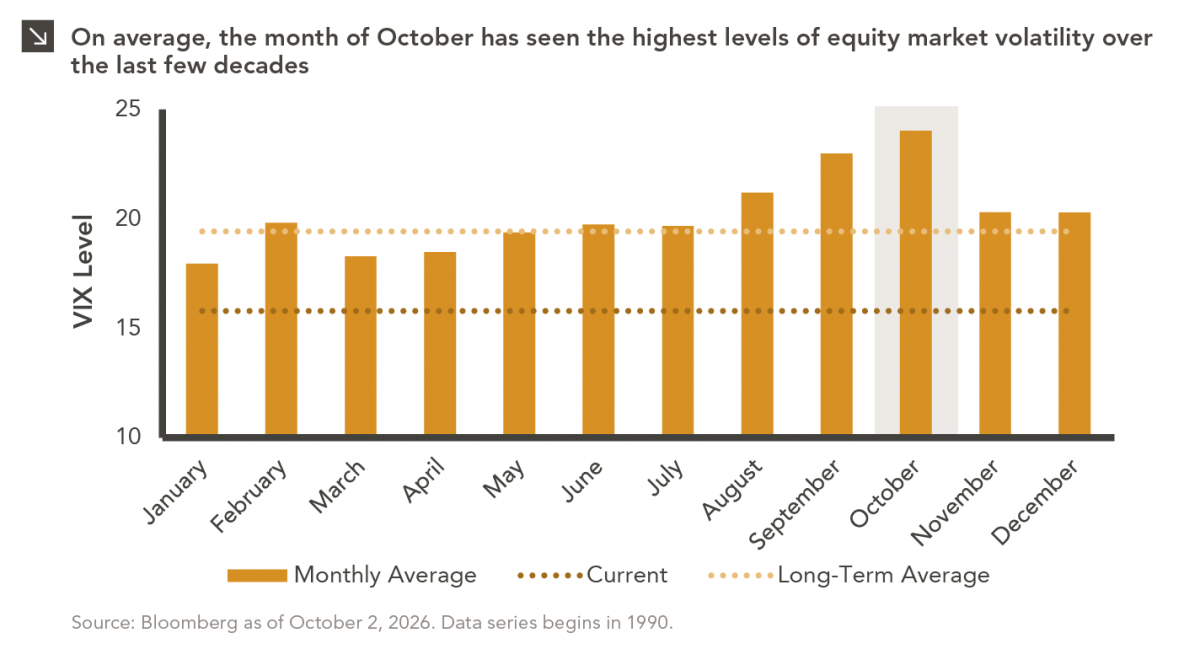
For investors, the spookiest thing about October might not be the ghosts and monsters that are bound to show up…
09.28.2026
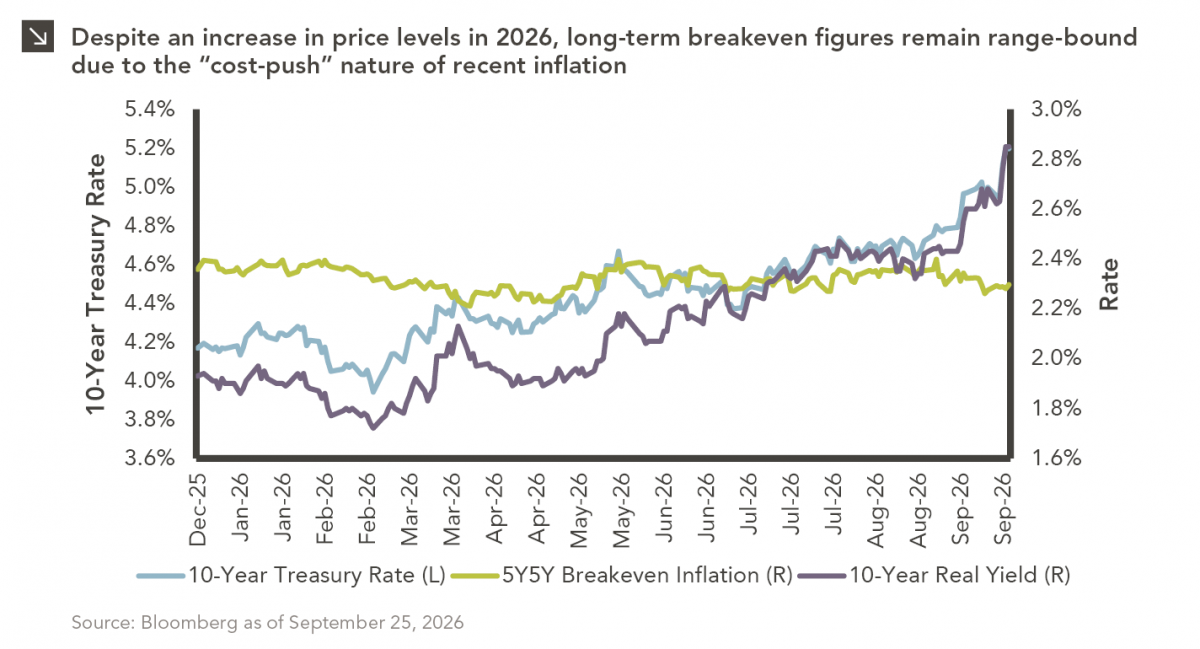
The phrase “expectations of higher inflation” has become a staple in financial news to explain the increase in nominal U.S….
09.21.2026
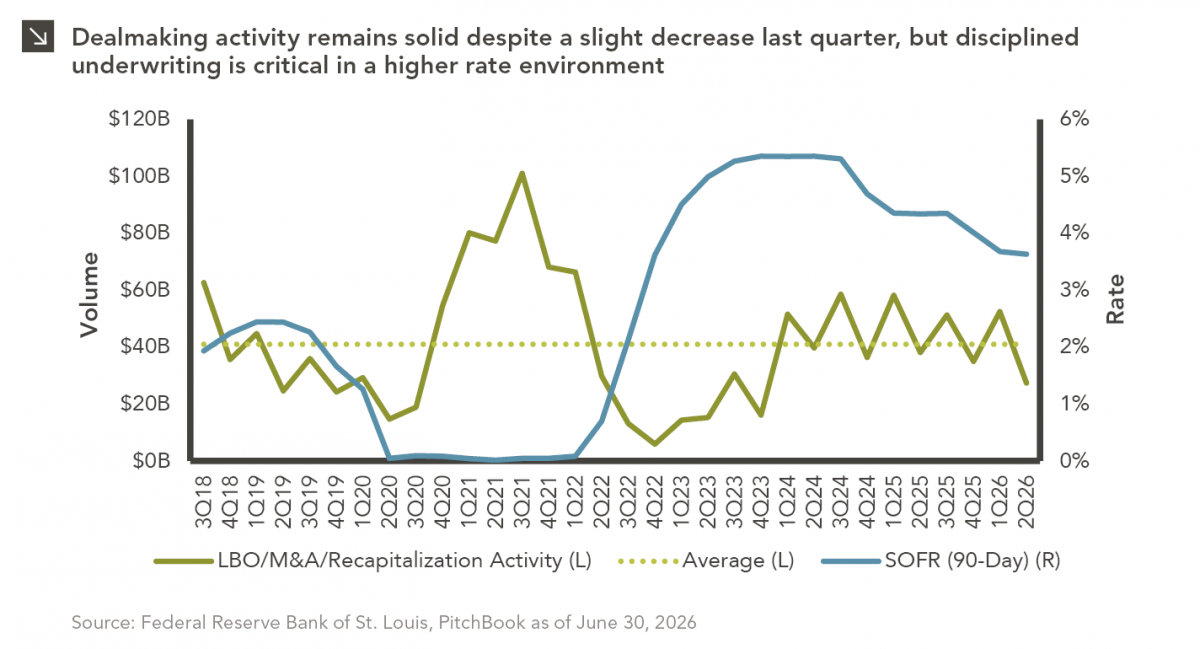
For much of the past several years, the conventional view has been that higher interest rates and stretched valuations would…
09.14.2026
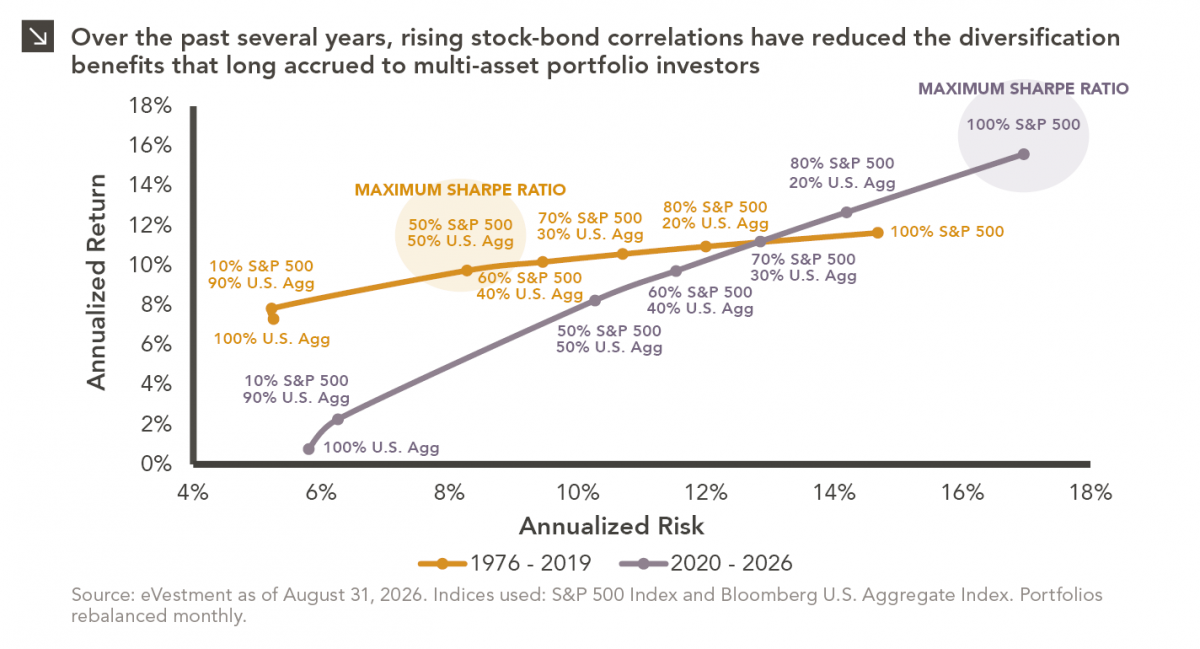
There are many great things about working at Marquette Associates, but “Free Lunch Tuesday” is right at the top of…
Research alerts keep you updated on our latest research publications. Simply enter your contact information, choose the research alerts you would like to receive and click Subscribe. Alerts will be sent as research is published.
We respect your privacy. We will never share or sell your information.
If you have questions or need further information, please contact us directly and we will respond to your inquiry within 24 hours.
Contact Us >