10.08.2026
3Q 2026 Market Insights
This video is a recording of a live webinar held October 22 by Marquette’s research team analyzing the third quarter…


In times of market turbulence, investments may sustain peak-to-trough declines known as drawdowns. The COVID-induced drawdown in March was no exception. Our chart this week illustrates the drawdown history for core bonds, bank loans, high yield bonds, and hard currency sovereign emerging markets debt (“EMD”) compared with the S&P 500. While past performance is not indicative of future returns, historical drawdown risk associated with past market volatility is a helpful metric to consider in the recovery from the current global health pandemic. As evident in the chart, each of the fixed income plus sectors¹ is correlated with the S&P 500, but the magnitude of plus sector drawdown risk is much less than the magnitude of equity drawdown risk — with one notable exception. In the 1990s EMD exhibited larger drawdowns than equity. At that time, EMD was very thinly traded, less mature, and more susceptible to dramatic swings.
While rebalancing from equity to fixed income plus sectors increases credit risk and introduces some drawdown risk, the magnitude of that drawdown risk from plus sectors is expected to be less than the expected drawdown risk from equity. As such, in this low Treasury yield environment, we recommend that investors consider both fixed income plus sectors and equity as ways to achieve greater total return potential and yield in portfolios. A diversified portfolio that takes advantage of the lower correlations between bank loans, high yield, EMD, and equities may benefit from greater efficiency and a higher Sharpe ratio in addition to the lower-magnitude drawdown risk from plus sectors.
Print PDF > A Key Rebalancing Consideration: Drawdowns
¹Bank loans, high yield bonds, and emerging markets debt.
The opinions expressed herein are those of Marquette Associates, Inc. (“Marquette”), and are subject to change without notice. This material is not financial advice or an offer to purchase or sell any product. Marquette reserves the right to modify its current investment strategies and techniques based on changing market dynamics or client needs.

10.08.2026
This video is a recording of a live webinar held October 22 by Marquette’s research team analyzing the third quarter…

10.22.2026
Anyone who has run a marathon knows the last six miles are brutal — no matter how well the first…
10.19.2026
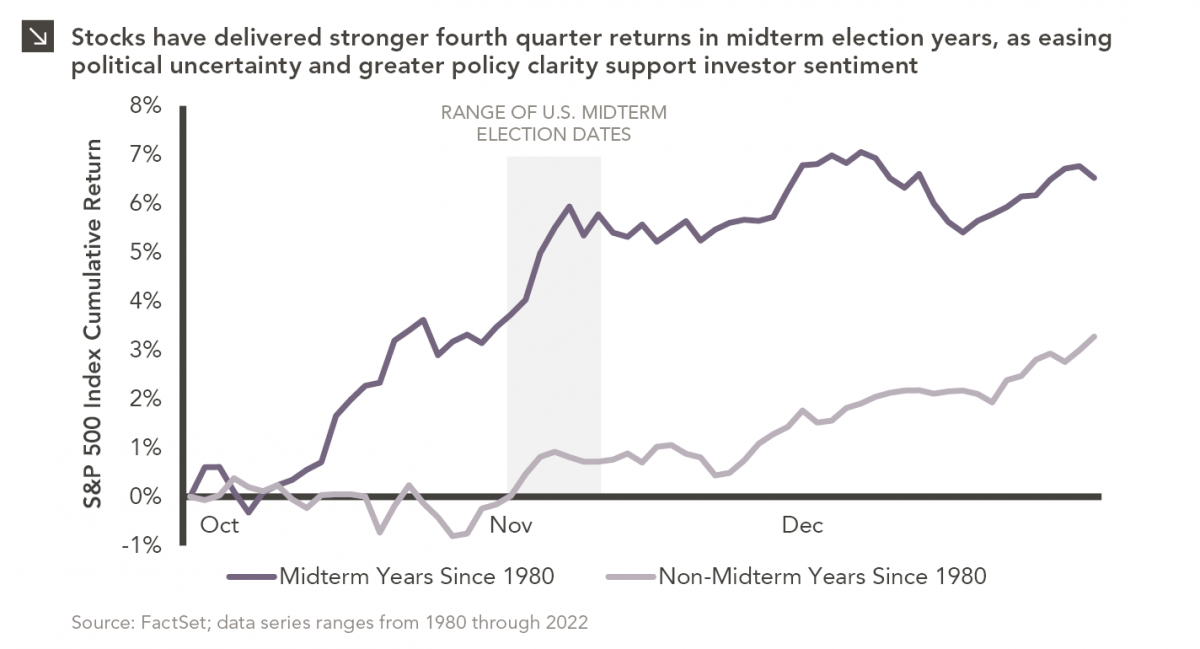
Since 1980, the S&P 500 Index has generally performed well in the weeks surrounding U.S. midterm elections. Specifically, the index…
10.12.2026
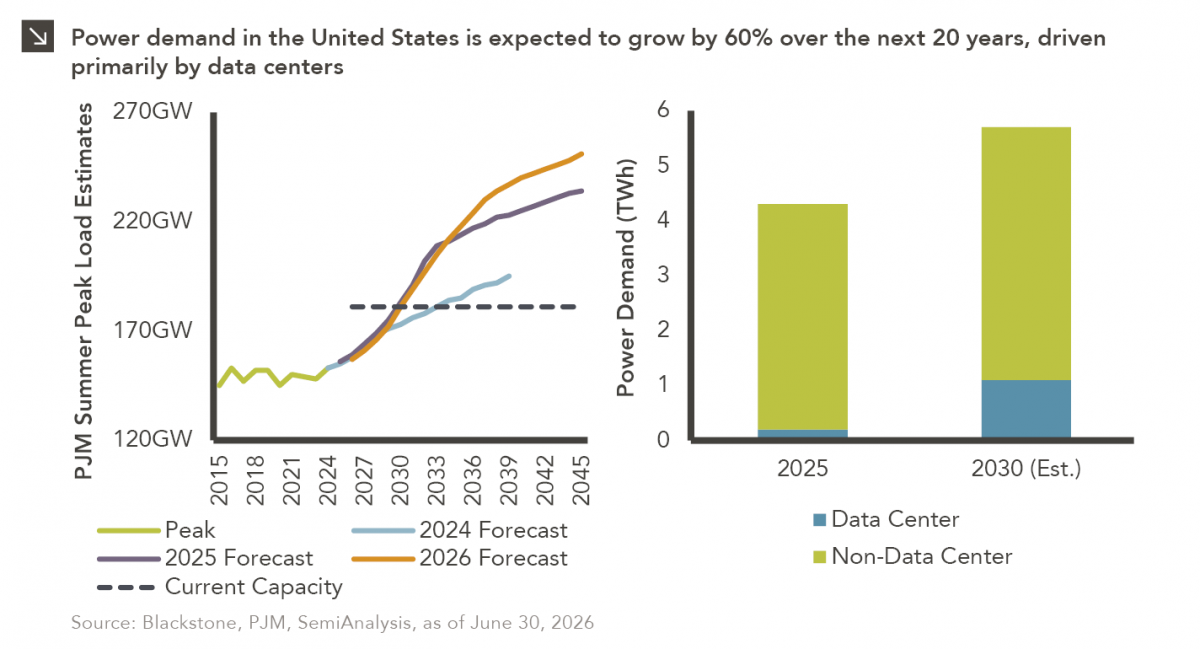
This week’s chart highlights the accelerating growth of electricity demand in the U.S., which has been driven primarily by the…
10.05.2026
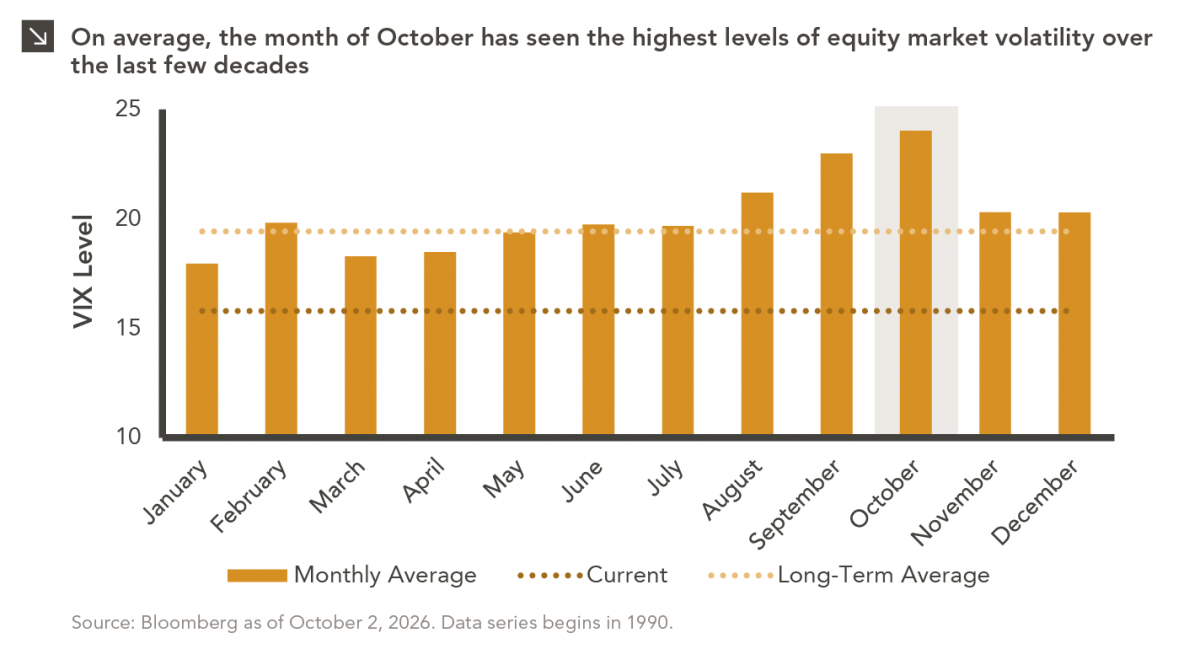
For investors, the spookiest thing about October might not be the ghosts and monsters that are bound to show up…
09.28.2026
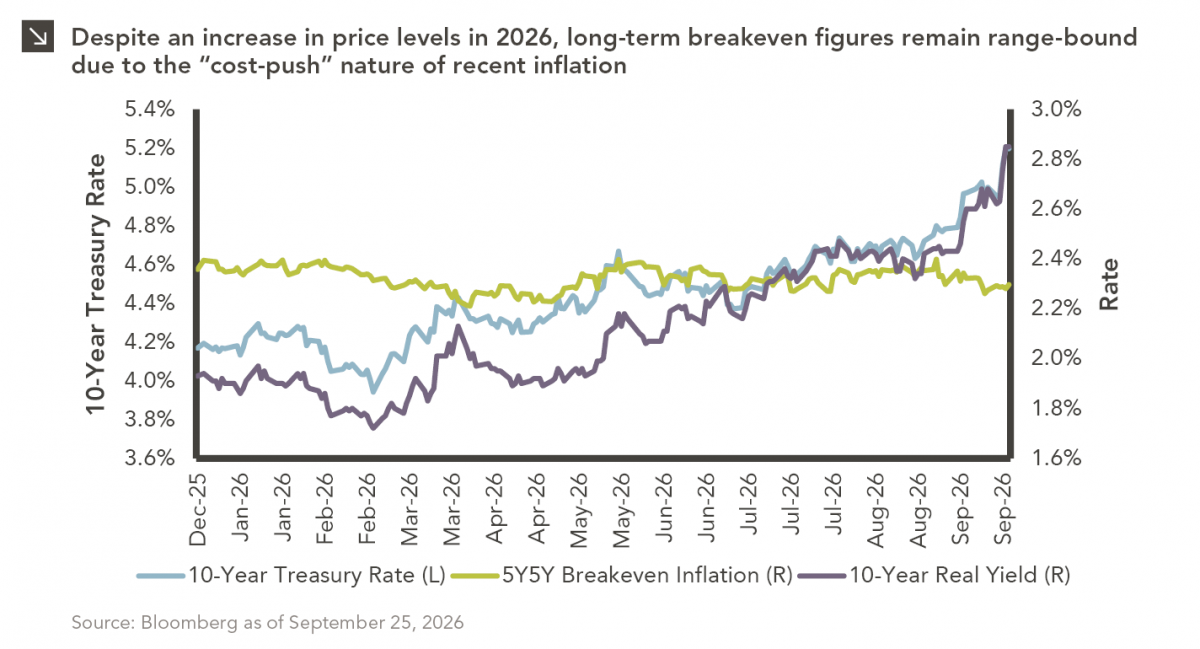
The phrase “expectations of higher inflation” has become a staple in financial news to explain the increase in nominal U.S….
Research alerts keep you updated on our latest research publications. Simply enter your contact information, choose the research alerts you would like to receive and click Subscribe. Alerts will be sent as research is published.
We respect your privacy. We will never share or sell your information.
If you have questions or need further information, please contact us directly and we will respond to your inquiry within 24 hours.
Contact Us >