10.08.2026
3Q 2026 Market Insights
This video is a recording of a live webinar held October 22 by Marquette’s research team analyzing the third quarter…


Given the prolonged low rate environment in the aftermath of the credit crisis, investors have been on a continual search for yield. Historically, REITs and Master Limited Partnerships (“MLPs”) have been among the highest yielding asset classes, which led to strong performance in the years following the 2008 financial crisis. However, since the taper tantrum in May of 2013 MLPs and REITs have underperformed the S&P 500 by 1,136 and 648 bps, respectively.1 Currently, REITs2 and MLPs3 are yielding 3.8% and 6.0% compared to the S&P 500 yield of 1.9% as of May 2015.
This week’s chart looks at the historical relative yields of REITS (red lines) and MLPs (blue lines) compared to the S&P 500. The chart shows that if you owned MLPs or REITs since June 2006, on average, you were receiving 3x and 2x yield over the S&P 500 respectively. However, by early 2013 both MLPs and REITs looked expensive based on their yields relative to the S&P.4 Of course, given the underperformance of both MLPs and REITs over the last few years, the relative yields of both asset classes are again starting to look more attractive. REITs still seem a little expensive as yields remain relatively low (compared to history) but MLP yields (relative to the S&P) are now above their long-term average and look relatively attractive, and may present an opportunity for investors to boost portfolio returns.
1 As of May 29, 2015
2 REITs are represented by the FTSE NAREIT All Equity REITs Index
3 MLPs are represented by the Alerian MLP Index
4 Prices are inversely related to yields: if the yield is below the average it is more expensive
The opinions expressed herein are those of Marquette Associates, Inc. (“Marquette”), and are subject to change without notice. This material is not financial advice or an offer to purchase or sell any product. Marquette reserves the right to modify its current investment strategies and techniques based on changing market dynamics or client needs.

10.08.2026
This video is a recording of a live webinar held October 22 by Marquette’s research team analyzing the third quarter…

10.22.2026
Anyone who has run a marathon knows the last six miles are brutal — no matter how well the first…
10.19.2026
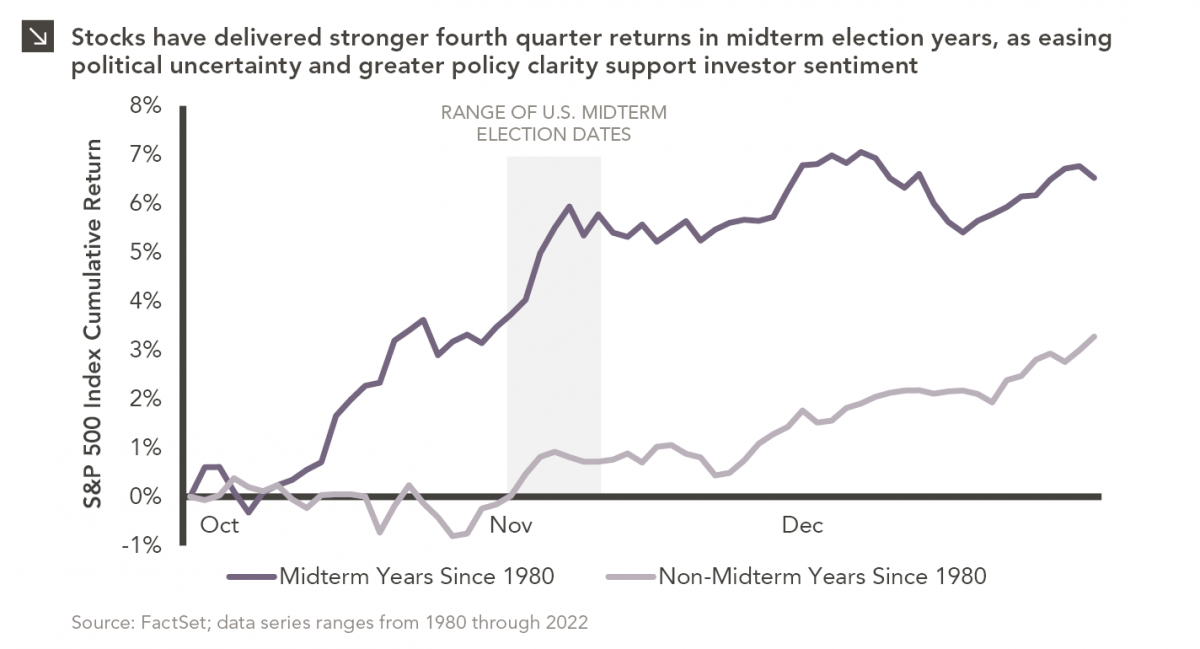
Since 1980, the S&P 500 Index has generally performed well in the weeks surrounding U.S. midterm elections. Specifically, the index…
10.12.2026
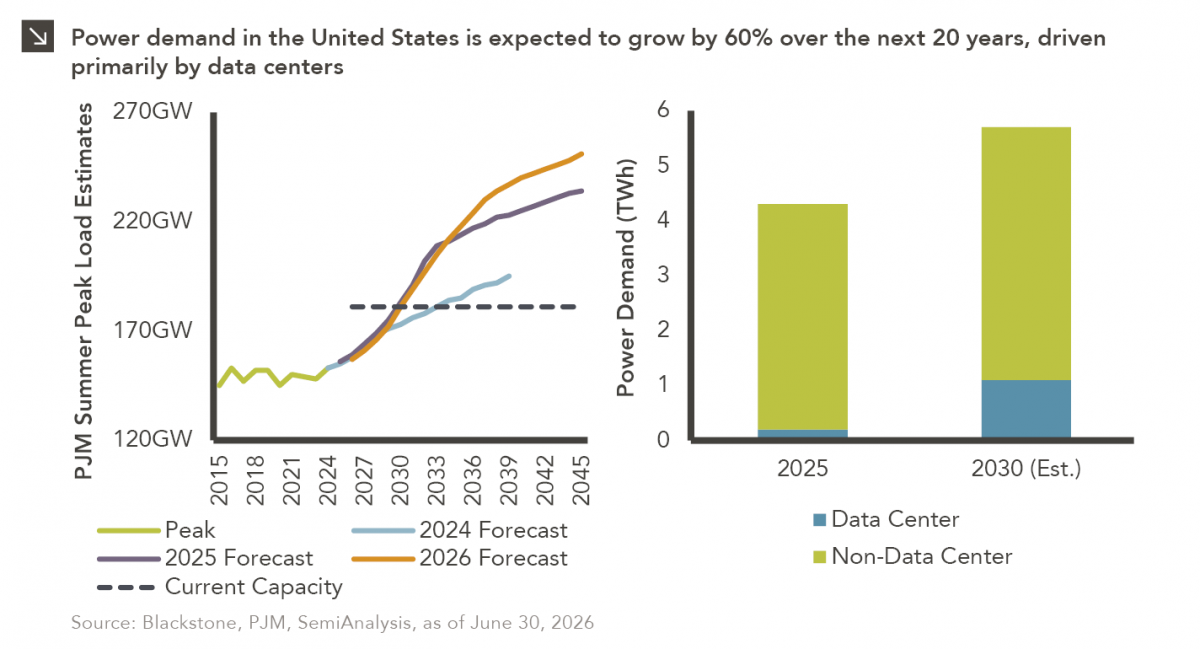
This week’s chart highlights the accelerating growth of electricity demand in the U.S., which has been driven primarily by the…
10.05.2026
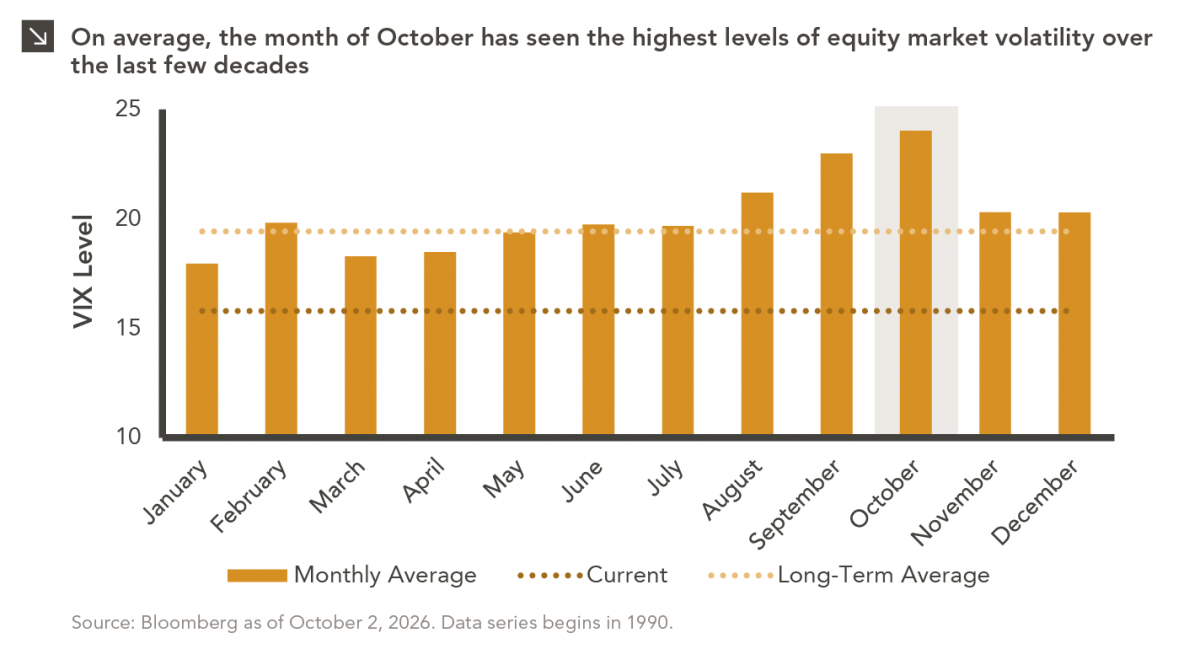
For investors, the spookiest thing about October might not be the ghosts and monsters that are bound to show up…
09.28.2026
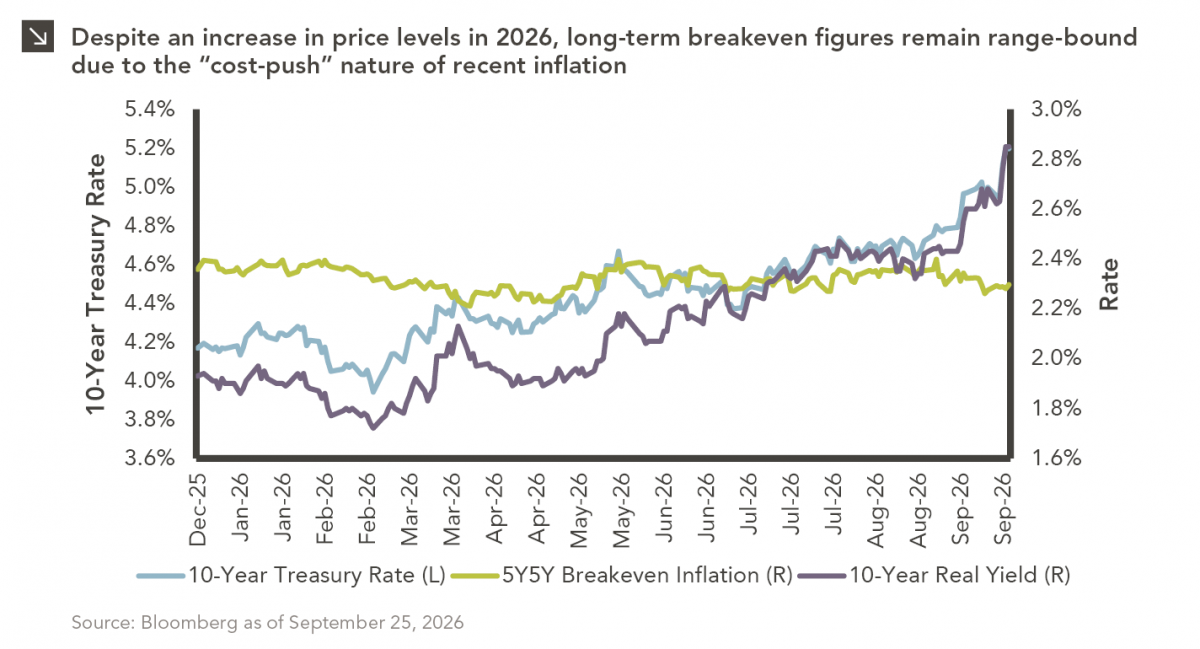
The phrase “expectations of higher inflation” has become a staple in financial news to explain the increase in nominal U.S….
Research alerts keep you updated on our latest research publications. Simply enter your contact information, choose the research alerts you would like to receive and click Subscribe. Alerts will be sent as research is published.
We respect your privacy. We will never share or sell your information.
If you have questions or need further information, please contact us directly and we will respond to your inquiry within 24 hours.
Contact Us >