10.08.2026
3Q 2026 Market Insights
This video is a recording of a live webinar held October 22 by Marquette’s research team analyzing the third quarter…


During election season, investors are often tempted to position their portfolios based on expectations related to potential changes in government policy. That said, market dynamics in the wake of various political events can be confounding and notoriously difficult to forecast. There is perhaps no better example to support this statement than performance of the energy space over the last seven years.
When Donald Trump assumed the presidency in 2017, his administration sought to rescind many environmental regulations and attain energy independence via the use of fossil fuels. His term saw the approval of multiple controversial oil pipelines, a large expansion of oil and gas leasing, and support for energy development on federal land. Since coming to office in 2021, however, Joe Biden has aimed to reverse many of the energy policies of his predecessor, as well as promote an agenda focused on the reduction of greenhouse gas emissions and the development of renewable energy sources. Based on this information, many readers might have expected robust performance of traditional energy companies during the Trump presidency, as well as more challenged returns for clean energy stocks. The policies of the Biden administration, on the other hand, might have been expected to lead to a reversal of these dynamics. Readers may be surprised to learn, however, that the Energy sector of the S&P 500 Index returned -29.6% during Trump’s term in office, compared to 136.1% since Biden assumed office. Conversely, the S&P Global Clean Energy Index returned 305.9% in the four years of Trump’s presidency but has notched a -54.0% gain during the Biden term.
There are many factors that can help explain these and other surprising performance trends. First, markets tend to be forward-looking in nature, meaning current prices of financial assets usually reflect investor expectations of what is to come in the (sometimes distant) future. Additionally, exogenous shocks can roil securities markets and lead to dynamics that would have otherwise been unexpected based on prevailing conditions and the agendas of those in political office. For instance, the COVID-19 pandemic upended supply chains and the 2022 Russian invasion of Ukraine led to increases in the prices of certain commodities, and these developments were largely conducive to positive performance from traditional energy companies despite a renewables-focused U.S. president. Finally, there is the question of natural business and economic cycles, which have tended to ebb and flow regardless of which party controls the White House. All of this is to say that market timing around an election or any other major political event can be a most difficult exercise. Given the upcoming presidential election in the U.S., investors should remain diversified across the asset class spectrum in order to capture market gains and insulate their portfolios against losses, both of the expected and unexpected kind.
Print PDFThe opinions expressed herein are those of Marquette Associates, Inc. (“Marquette”), and are subject to change without notice. This material is not financial advice or an offer to purchase or sell any product. Marquette reserves the right to modify its current investment strategies and techniques based on changing market dynamics or client needs.

10.08.2026
This video is a recording of a live webinar held October 22 by Marquette’s research team analyzing the third quarter…

10.22.2026
Anyone who has run a marathon knows the last six miles are brutal — no matter how well the first…
10.19.2026
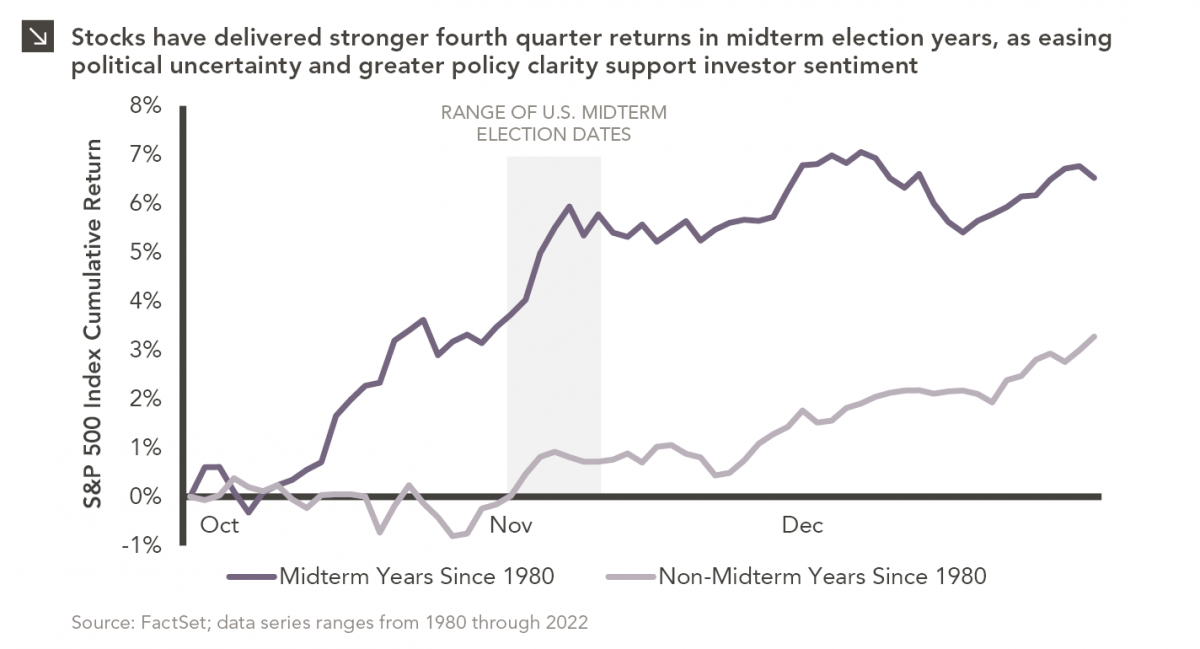
Since 1980, the S&P 500 Index has generally performed well in the weeks surrounding U.S. midterm elections. Specifically, the index…
10.12.2026
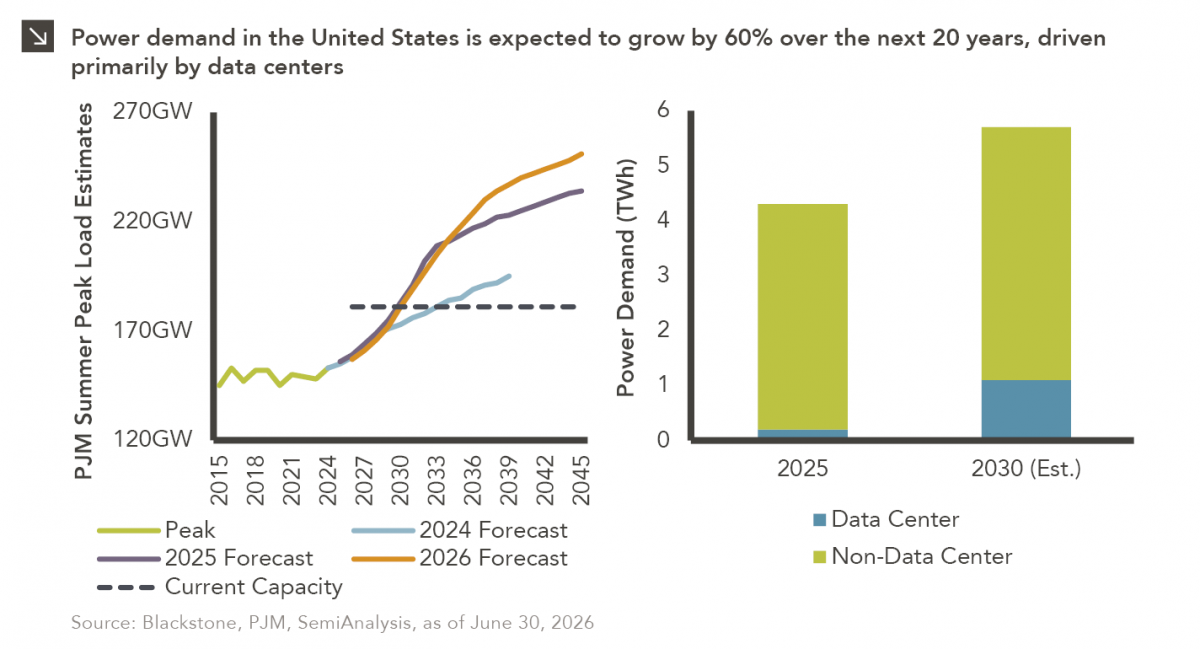
This week’s chart highlights the accelerating growth of electricity demand in the U.S., which has been driven primarily by the…
10.05.2026
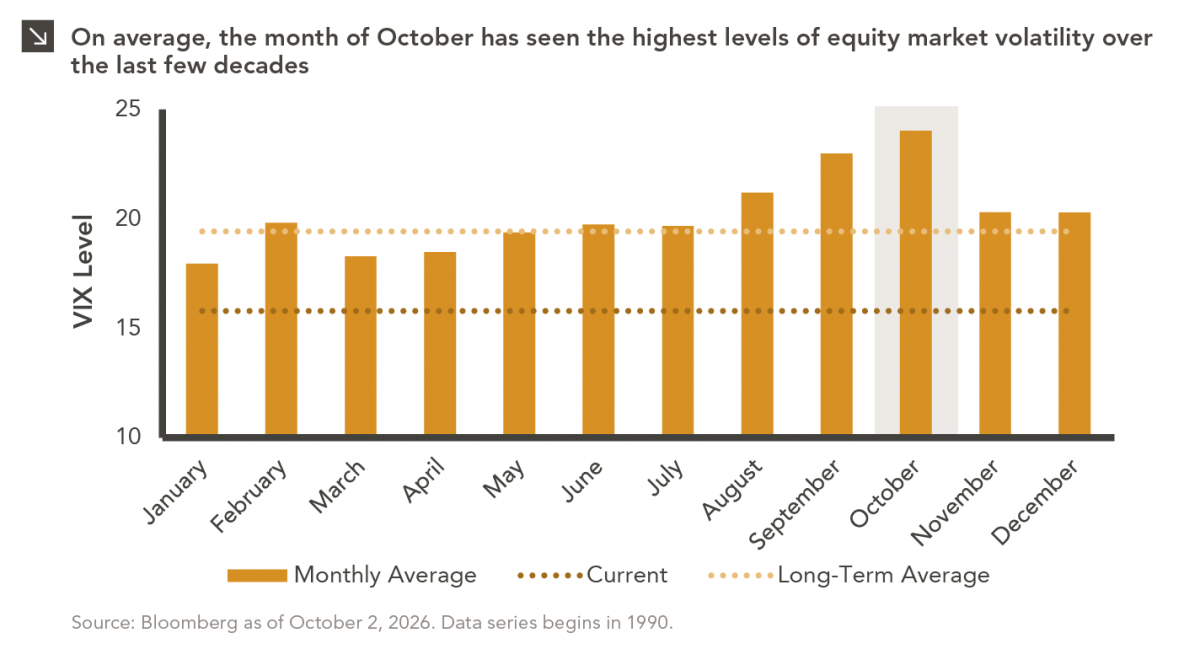
For investors, the spookiest thing about October might not be the ghosts and monsters that are bound to show up…
09.28.2026
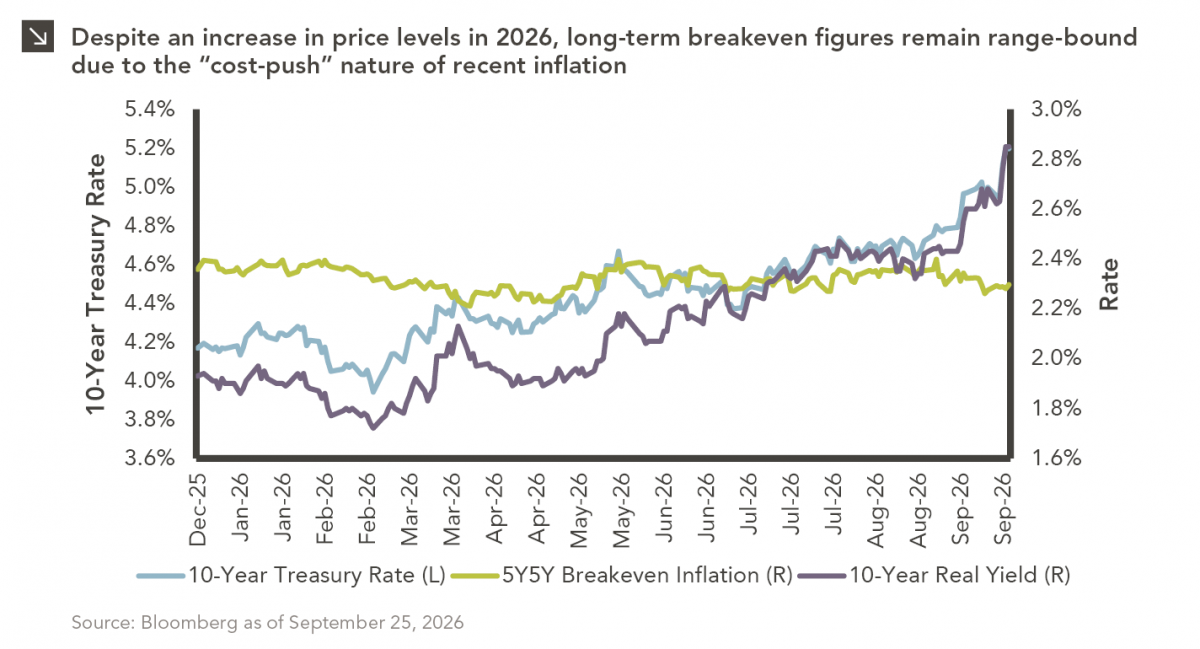
The phrase “expectations of higher inflation” has become a staple in financial news to explain the increase in nominal U.S….
Research alerts keep you updated on our latest research publications. Simply enter your contact information, choose the research alerts you would like to receive and click Subscribe. Alerts will be sent as research is published.
We respect your privacy. We will never share or sell your information.
If you have questions or need further information, please contact us directly and we will respond to your inquiry within 24 hours.
Contact Us >