10.19.2026
Divided We Rise?
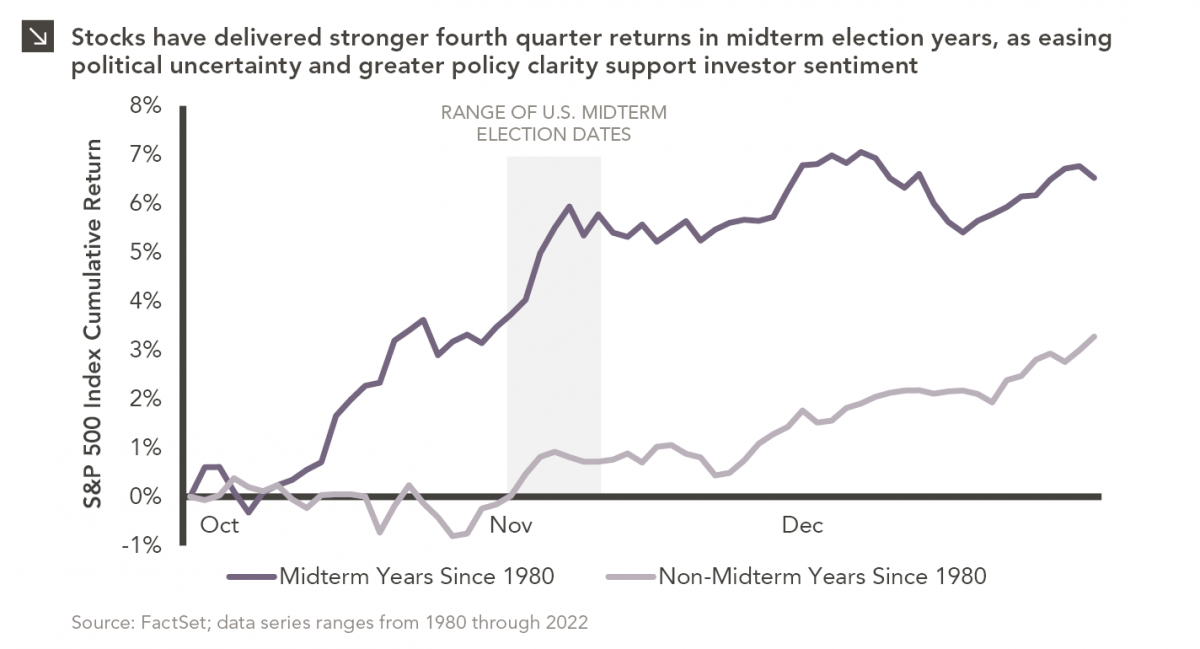
Since 1980, the S&P 500 Index has generally performed well in the weeks surrounding U.S. midterm elections. Specifically, the index…


This chart depicts the ratio of U.S. exports of goods and services over U.S. imports of goods and services going back to 1960. This measure only looks at goods and services and does not factor in income receipts & payments with other nations. Until the mid 1970’s the ratio was consistently above 1.0. Over the years, multiple factors, including globalization, demographics, and the U.S. transitioning away from a manufacturing economy into a service-oriented economy have led the U.S. to become a net importer.
The 1Q11 ratio was 0.78, off of a recent high of 0.82 in 2Q09. The lowest number ever recorded was 0.63, set in 4Q05. Throughout time this ratio has been susceptible to prolonged movements, both up and down. Prior to the low set in 2005, the ratio dipped below 0.7 during one other time period: the mid-1980’s. From here, the measure climbed above 0.9 and even approached 1.0. The ratio hovered around 0.9 in the late 1980’s and first half of the 1990’s before its steady decline through 2005. Could the recent dip in the ratio signal a downward trend for the U.S.? Or is there a long-term trend at play similar to the recovery in the ratio that occurred in the late 80’s/early 90’s? Obviously, only time will tell. Factors that can help the U.S. continue to narrow the trade gap include a depreciating U.S. dollar, energy discovery/efficiency at home, and China becoming more of a consumer economy rather than an export-dependent economy.
The opinions expressed herein are those of Marquette Associates, Inc. (“Marquette”), and are subject to change without notice. This material is not financial advice or an offer to purchase or sell any product. Marquette reserves the right to modify its current investment strategies and techniques based on changing market dynamics or client needs.
10.19.2026
Since 1980, the S&P 500 Index has generally performed well in the weeks surrounding U.S. midterm elections. Specifically, the index…
10.12.2026
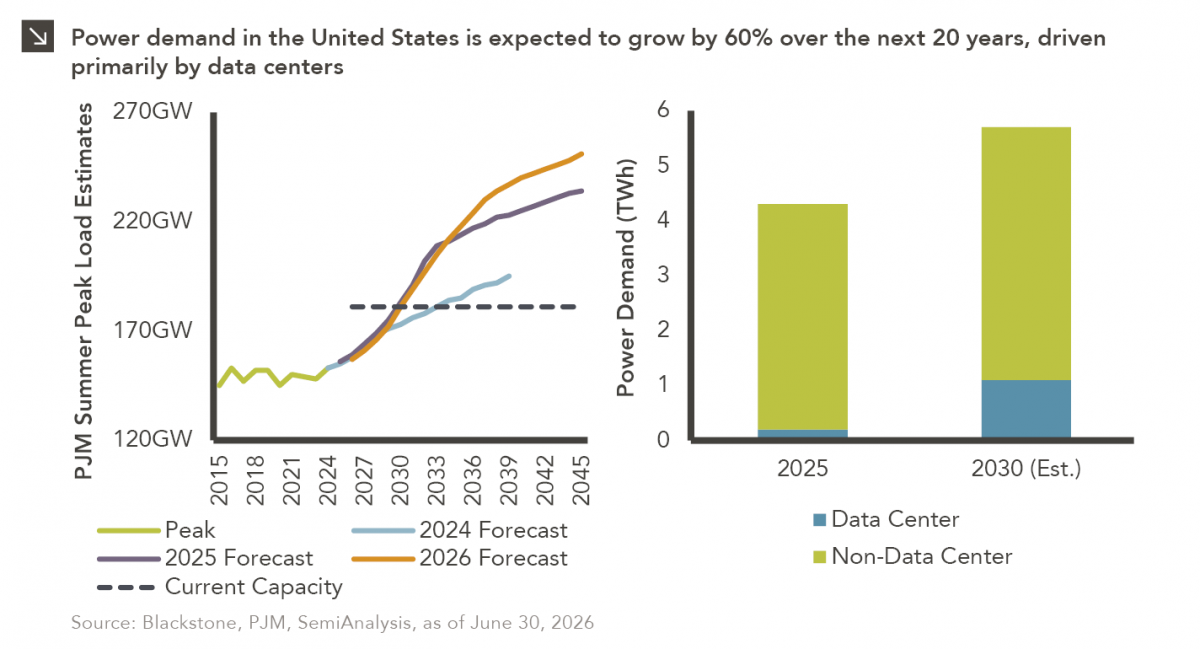
This week’s chart highlights the accelerating growth of electricity demand in the U.S., which has been driven primarily by the…
10.05.2026
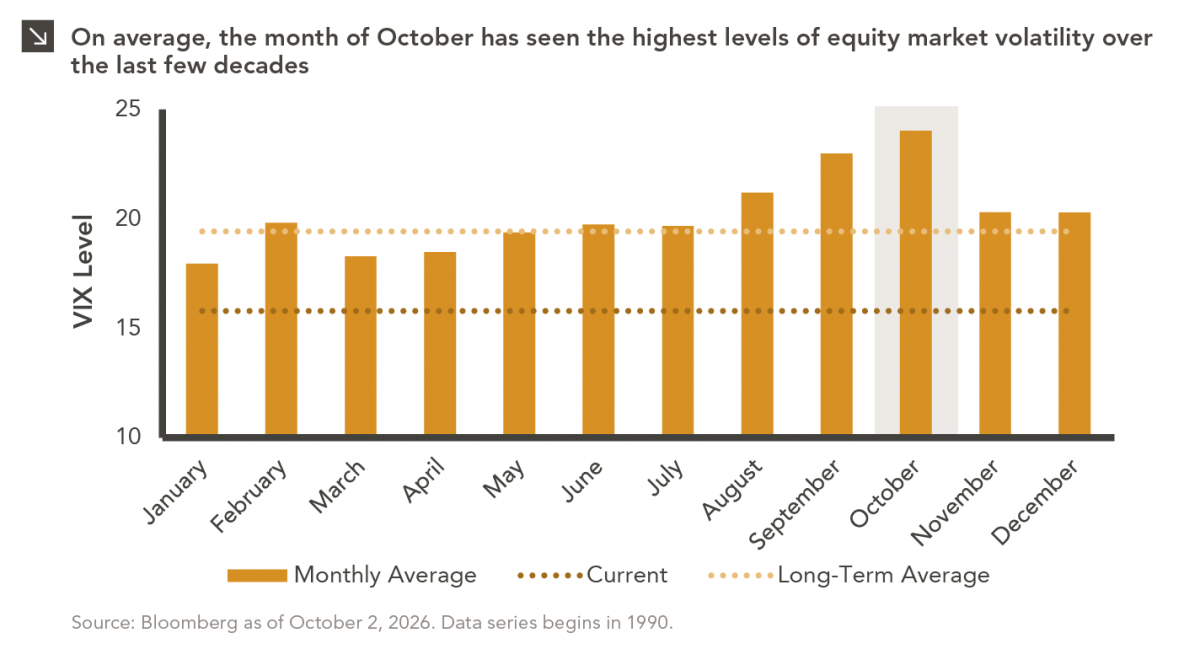
For investors, the spookiest thing about October might not be the ghosts and monsters that are bound to show up…
09.28.2026
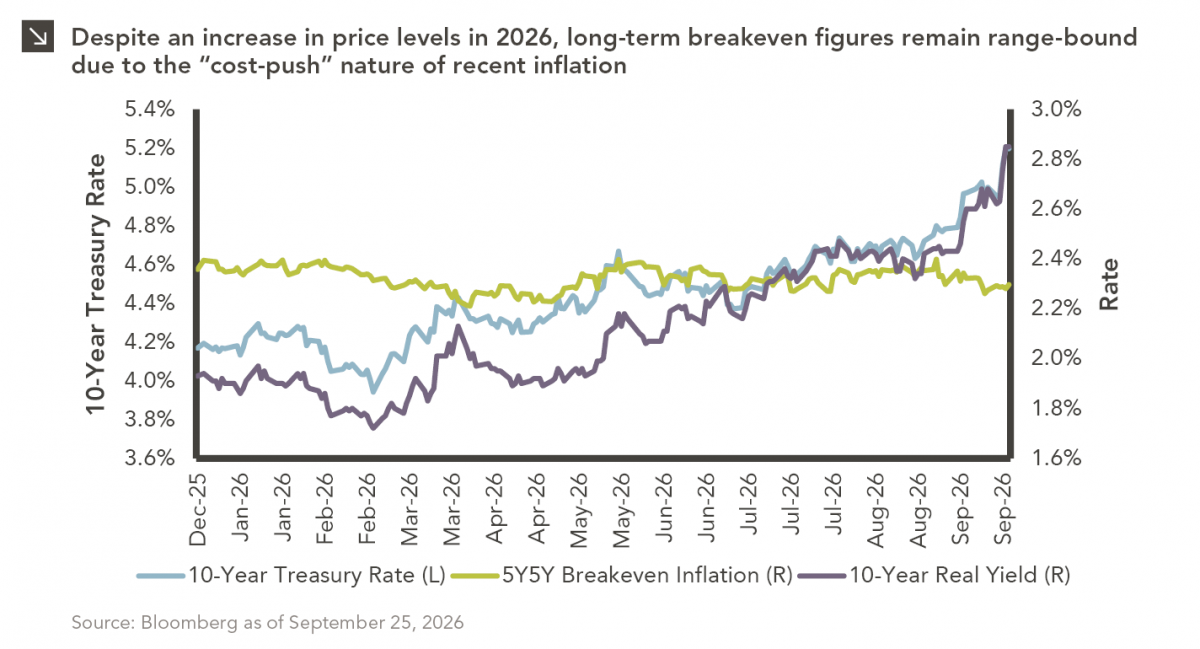
The phrase “expectations of higher inflation” has become a staple in financial news to explain the increase in nominal U.S….
09.21.2026
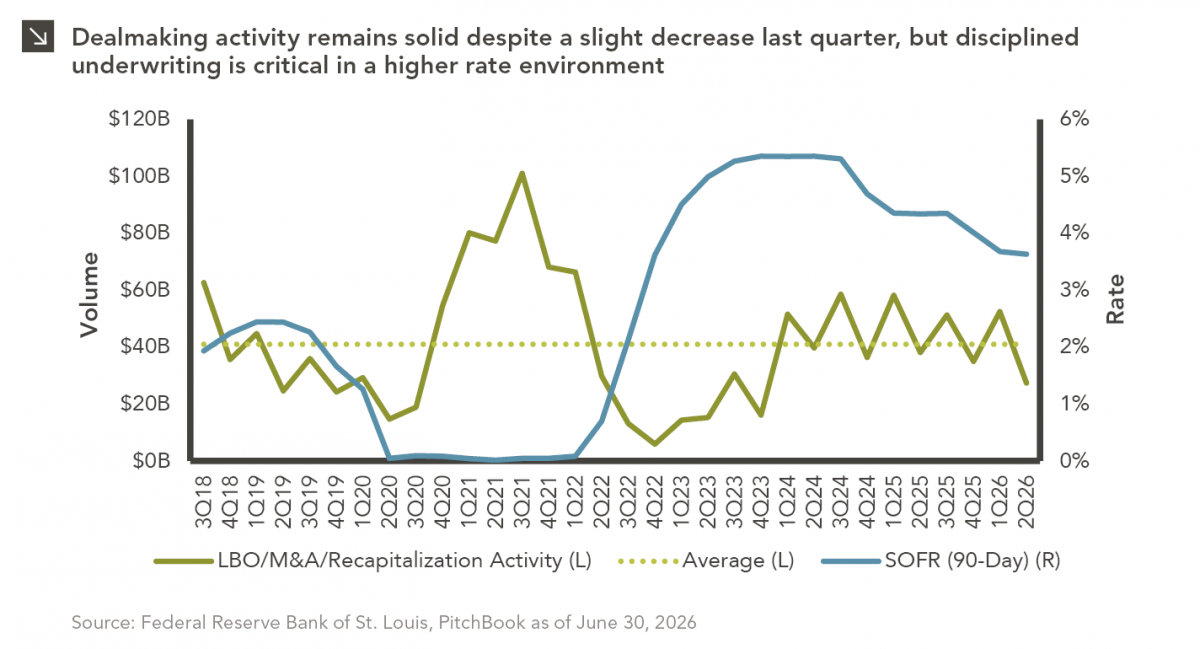
For much of the past several years, the conventional view has been that higher interest rates and stretched valuations would…
09.14.2026
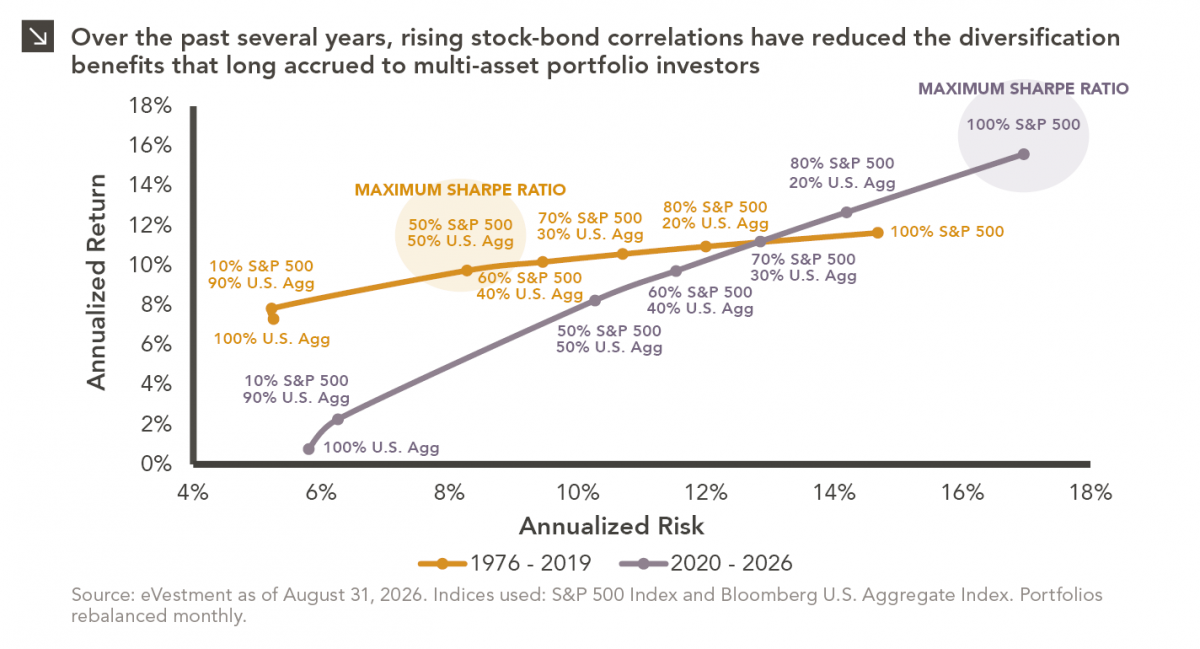
There are many great things about working at Marquette Associates, but “Free Lunch Tuesday” is right at the top of…
Research alerts keep you updated on our latest research publications. Simply enter your contact information, choose the research alerts you would like to receive and click Subscribe. Alerts will be sent as research is published.
We respect your privacy. We will never share or sell your information.
If you have questions or need further information, please contact us directly and we will respond to your inquiry within 24 hours.
Contact Us >