10.08.2026
3Q 2026 Market Insights
This video is a recording of a live webinar held October 22 by Marquette’s research team analyzing the third quarter…


Barring a correction in December, most U.S. equity indices are looking at another successful year of double-digit returns. While investors can rejoice in their strong portfolio performances, there is an air of caution as valuations are well above historical averages. This has been an area of concern for the last few years, yet markets continue to outperform and valuations keep rising.
One possible explanation for this is the decline in the total number of publicly traded companies. Since peaking in the mid-1990s, listed companies have fallen by nearly 50% to about 4,300 firms despite the total number of companies in the U.S. remaining about the same. More regulation as well as increased availability of private capital have made businesses less likely to go public. Most retail investors, however, do not have the capability to invest in private markets. With fewer investable options there is more money to go around to these publicly traded firms.
While most of the companies that choose to be public are larger than their private counterparts, this suggests the historic average valuation of about 20x earnings is too low of a benchmark for today’s publicly traded firms. These higher equity valuations may be the new normal and the bull run could continue in 2018.
The opinions expressed herein are those of Marquette Associates, Inc. (“Marquette”), and are subject to change without notice. This material is not financial advice or an offer to purchase or sell any product. Marquette reserves the right to modify its current investment strategies and techniques based on changing market dynamics or client needs.
The opinions expressed herein are those of Marquette Associates, Inc. (“Marquette”), and are subject to change without notice. This material is not financial advice or an offer to purchase or sell any product. Marquette reserves the right to modify its current investment strategies and techniques based on changing market dynamics or client needs.

10.08.2026
This video is a recording of a live webinar held October 22 by Marquette’s research team analyzing the third quarter…

10.22.2026
Anyone who has run a marathon knows the last six miles are brutal — no matter how well the first…
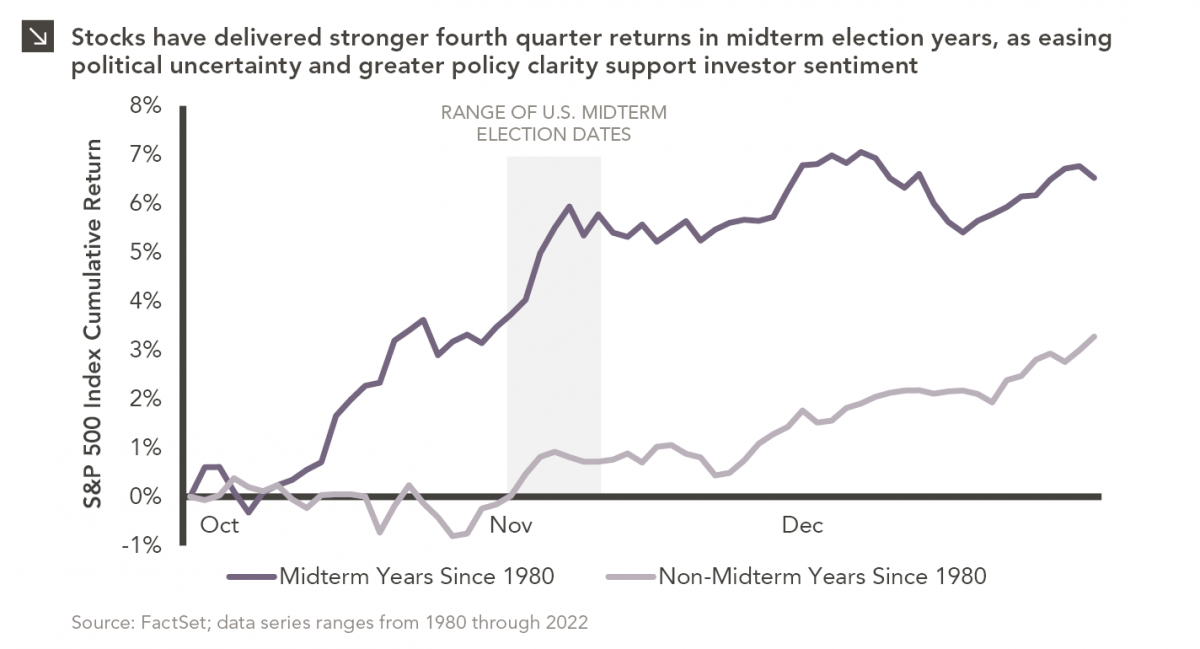
10.19.2026
Since 1980, the S&P 500 Index has generally performed well in the weeks surrounding U.S. midterm elections. Specifically, the index…
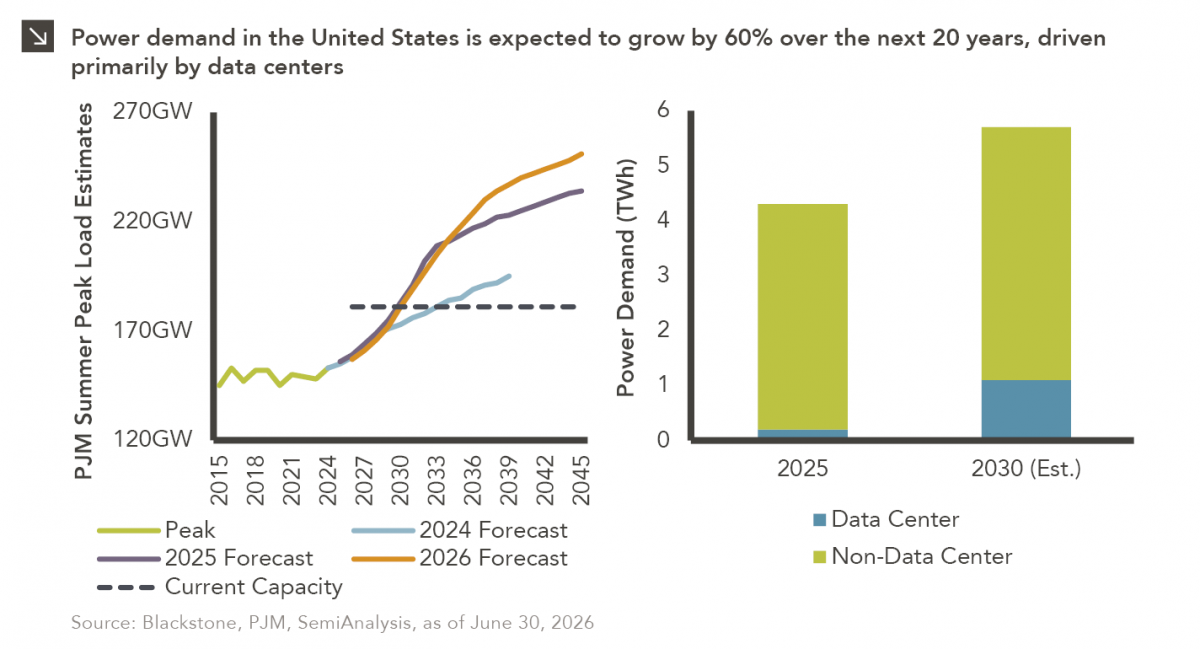
10.12.2026
This week’s chart highlights the accelerating growth of electricity demand in the U.S., which has been driven primarily by the…
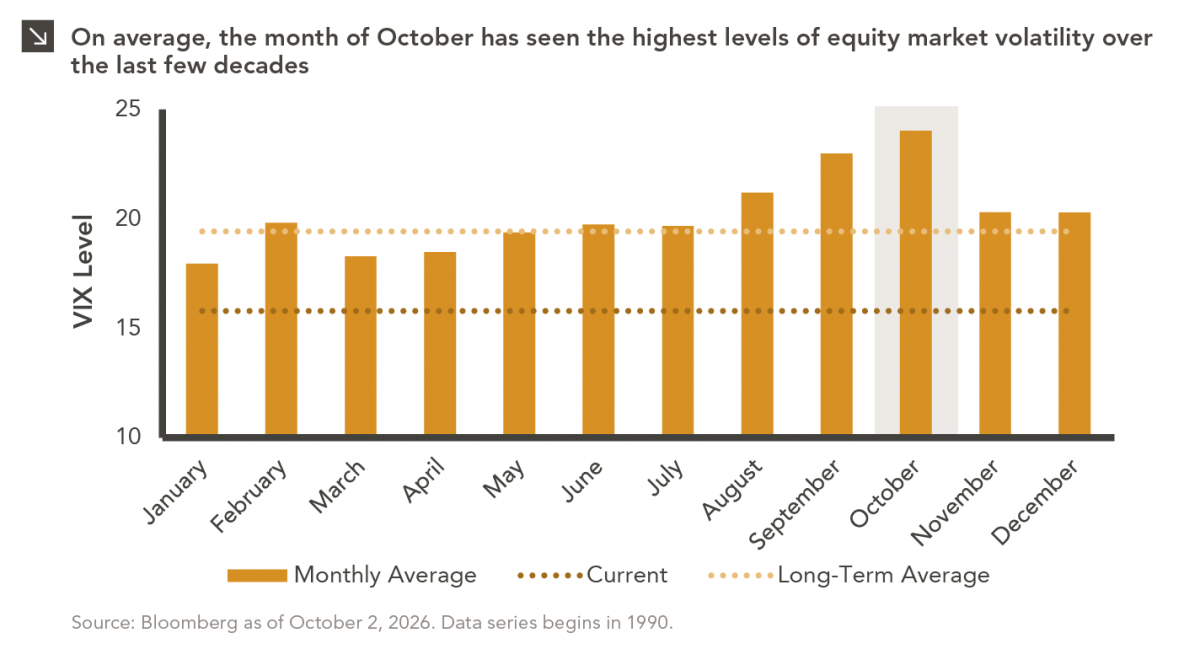
10.05.2026
For investors, the spookiest thing about October might not be the ghosts and monsters that are bound to show up…
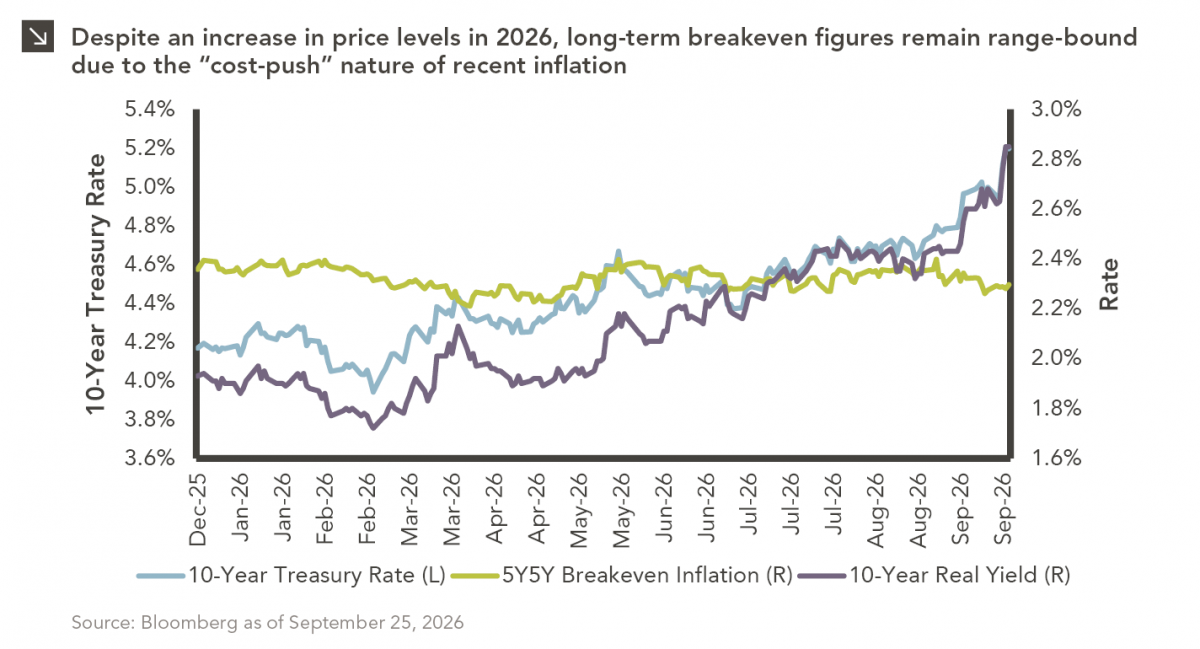
09.28.2026
The phrase “expectations of higher inflation” has become a staple in financial news to explain the increase in nominal U.S….
Research alerts keep you updated on our latest research publications. Simply enter your contact information, choose the research alerts you would like to receive and click Subscribe. Alerts will be sent as research is published.
We respect your privacy. We will never share or sell your information.
If you have questions or need further information, please contact us directly and we will respond to your inquiry within 24 hours.
Contact Us >