10.22.2026
Will Higher Rates Cramp the Markets?
Anyone who has run a marathon knows the last six miles are brutal — no matter how well the first…


Sustainable investing continues to grow in both size and relevance among institutional investors and asset managers. As a matter of background, sustainable investing is a term that encompasses three broad approaches: ESG Integration, Socially Responsible Investing, and Impact Investing. As elaborated on in Marquette’s Sustainable Investing video series, the definitions of each of these terms are:
While SRI and Impact Investing are more targeted strategies driven by underlying initiatives and/or beliefs, ESG integration has allowed portfolio management teams of more traditional approaches to consider social and environmental issues in a more tangible way than in the past. As ESG factors are more ingrained in the investment processes, there will be more investment options that contribute, directly or indirectly, to some of the ideals sought after in SRI and Impact portfolios. As shown in the above chart, investors have options across the global equity universe for both ESG integrated funds as well as dedicated SRI/Impact Investing funds. The proportions of each are likely to expand as sustainability investing trends accelerate globally.
Along with this growth comes an increased emphasis on measurable impact and standardized reporting, both of which have been a challenge in the sustainable investing space. We have started to see investment managers adopt the United Nations Sustainable Development Goals (UN SDGs) as a framework for expressing the sustainable intent or reach of their portfolio. For instance, there is a growing contingent of investment managers that have mapped their portfolio holdings to one or more SDGs based on whether the firm’s product or service aided or harmed the stated end goal. We have also seen many investment managers become signatories of the UN Principles for Responsible Investment (PRI) over the last three years. The UN PRI are comprised of six foundational principles that work to support and encourage ESG investing. Another sustainable investing reporting metric that has become more readily available is carbon intensity measures. While there have been many positive developments in recent years, investors should be cognizant of potential greenwashing — disingenuous or misleading attempts to present strategies as more ESG-focused than they actually are.
Overall, sustainable investing is moving in the right direction as more allocators and investment managers realize that returns need not be sacrificed in pursuit of positive change. In fact, a fundamental concept of sustainable investing is that firms with better ESG practices tend to fare better over the long run due to a reduced likelihood of litigation, increased diversity, and capitalization on emerging sustainable technologies, among others. Marquette continues to monitor these developments and stands ready to assist clients in pursuing their sustainable investing goals.
Print PDF > Sustainable Investing Among Equity Asset Classes
The opinions expressed herein are those of Marquette Associates, Inc. (“Marquette”), and are subject to change without notice. This material is not financial advice or an offer to purchase or sell any product. Marquette reserves the right to modify its current investment strategies and techniques based on changing market dynamics or client needs.

10.22.2026
Anyone who has run a marathon knows the last six miles are brutal — no matter how well the first…
10.19.2026
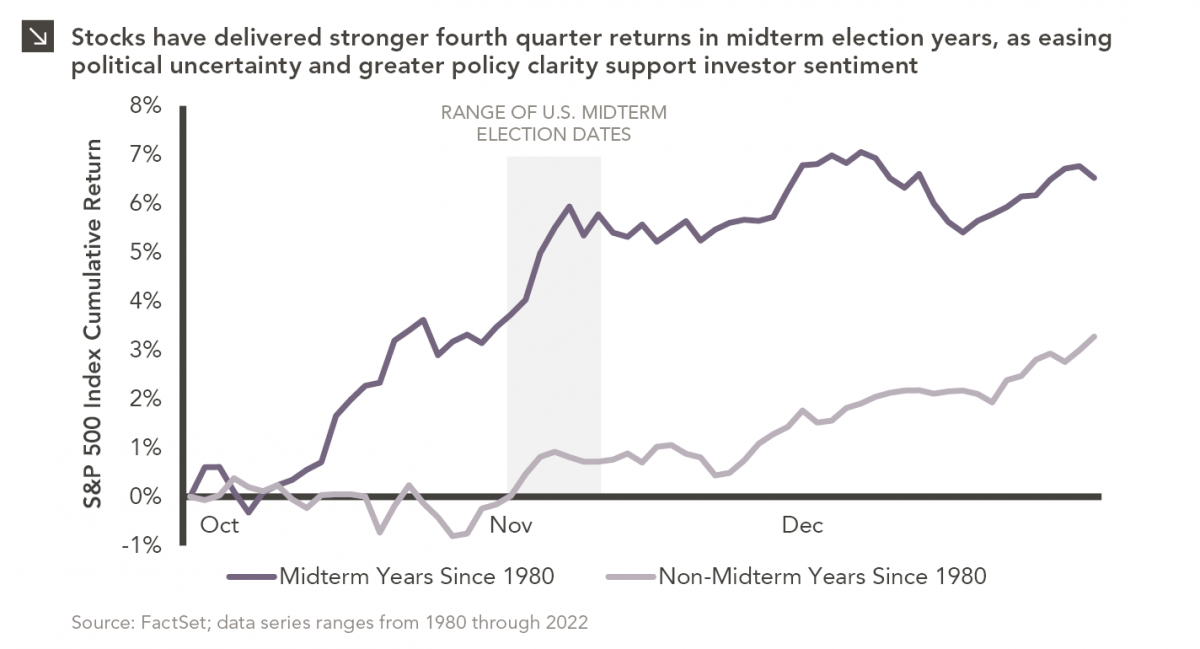
Since 1980, the S&P 500 Index has generally performed well in the weeks surrounding U.S. midterm elections. Specifically, the index…
10.12.2026
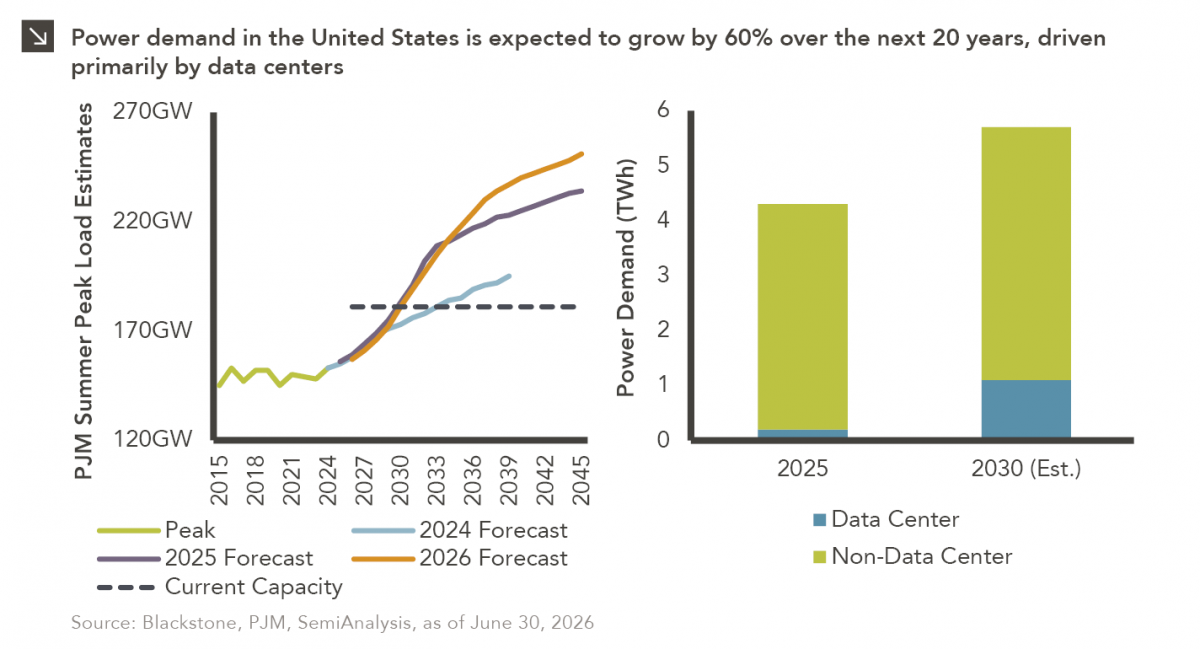
This week’s chart highlights the accelerating growth of electricity demand in the U.S., which has been driven primarily by the…

10.08.2026
LIVE WEBINAR — OCTOBER 22 Please join Marquette’s research team for our 3Q 2026 Market Insights Webinar…
10.05.2026
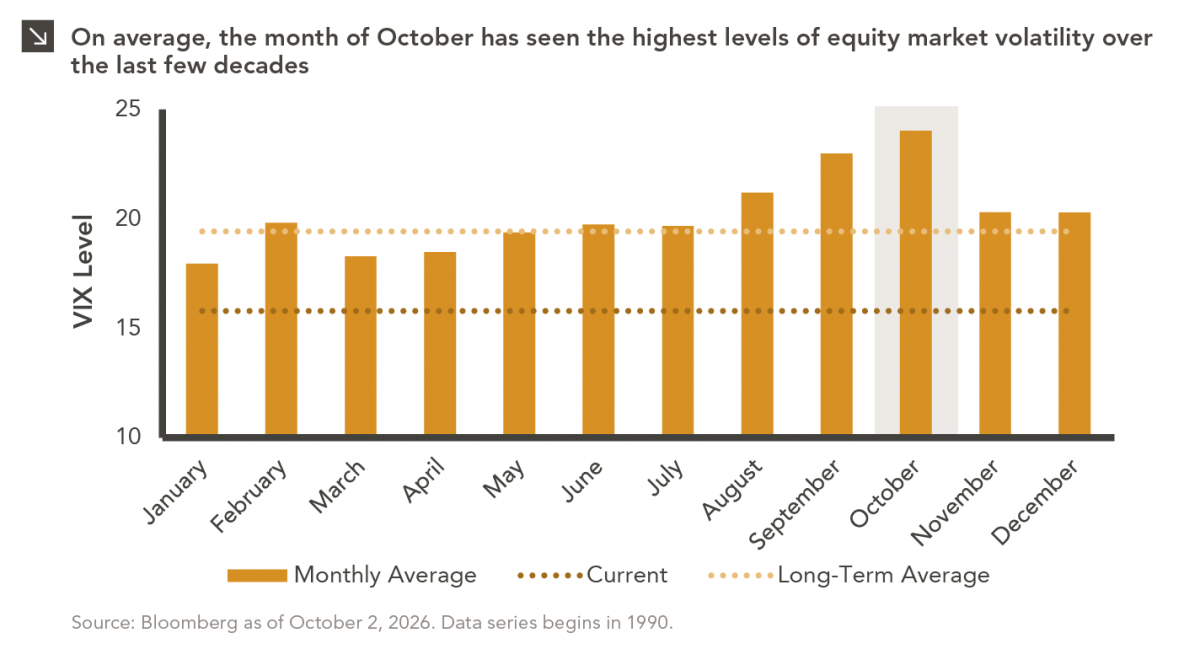
For investors, the spookiest thing about October might not be the ghosts and monsters that are bound to show up…
09.28.2026
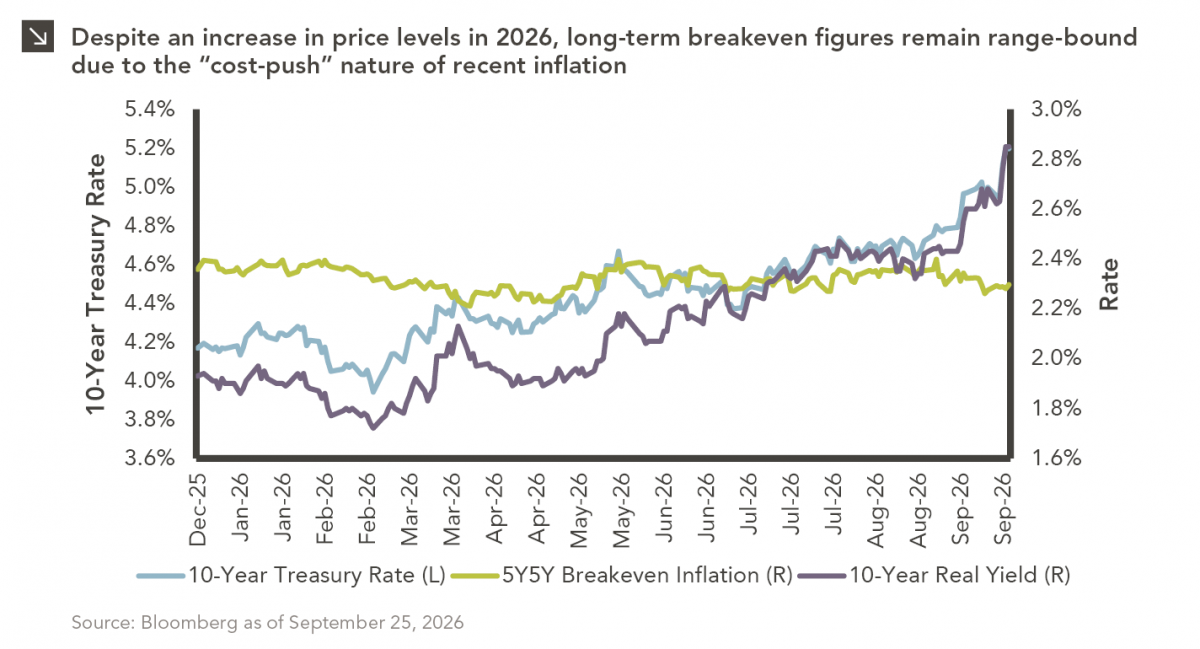
The phrase “expectations of higher inflation” has become a staple in financial news to explain the increase in nominal U.S….
Research alerts keep you updated on our latest research publications. Simply enter your contact information, choose the research alerts you would like to receive and click Subscribe. Alerts will be sent as research is published.
We respect your privacy. We will never share or sell your information.
If you have questions or need further information, please contact us directly and we will respond to your inquiry within 24 hours.
Contact Us >