Evan Frazier, CFA, CAIA
Senior Research Analyst


Chocolate eggs and bunnies may have appeared more expensive to shoppers this Easter weekend, as the price of cocoa futures has surged by around 125% since the beginning of 2024. New York futures prices saw a roughly 50% increase in the month of March alone and now sit at an all-time high of just below $10,000 per metric ton. By comparison, copper futures prices sat at approximately $8,900 per metric ton as of this writing, meaning cocoa is currently more expensive than the bellwether industrial metal.
The drivers of this dramatic increase in cocoa prices involve difficulties faced by the two biggest growers of the commodity: Ivory Coast and Ghana. Specifically, both nations have seen production hampered by strong seasonal winds and a lack of rainfall, as well as a prevalent disease known as swollen shoot virus, which serves to kill cocoa trees and leads to a drop in yields. To make matters worse, the Ghana Cocoa Board, which depends on foreign financing to compensate domestic farmers, may soon lose access to a critical funding facility due to a lack of beans. Due to these challenges, experts currently expect cocoa production shortfalls ranging from 150,000 to 500,000 tons over the next few seasons.
As readers might imagine, these dynamics are creating turmoil within futures markets. Investors with short positions have been forced to either manage margin calls or purchase contracts to close out their shorts, which can exacerbate price action. Pain has not been limited to futures market participants, as consumers have been forced to stomach chocolate prices that have climbed by roughly 10% over the last year. Additionally, it is possible that more shelf price increases are on the way, as producers of chocolate often hedge their purchases of cocoa months in advance. All of this said, it is unlikely that these developments will have a material impact on capital markets broadly. In other words, a diversified portfolio is one of the best ways for investors to keep their returns sweet!
Print PDF
The opinions expressed herein are those of Marquette Associates, Inc. (“Marquette”), and are subject to change without notice. This material is not financial advice or an offer to purchase or sell any product. Marquette reserves the right to modify its current investment strategies and techniques based on changing market dynamics or client needs.
11.02.2026
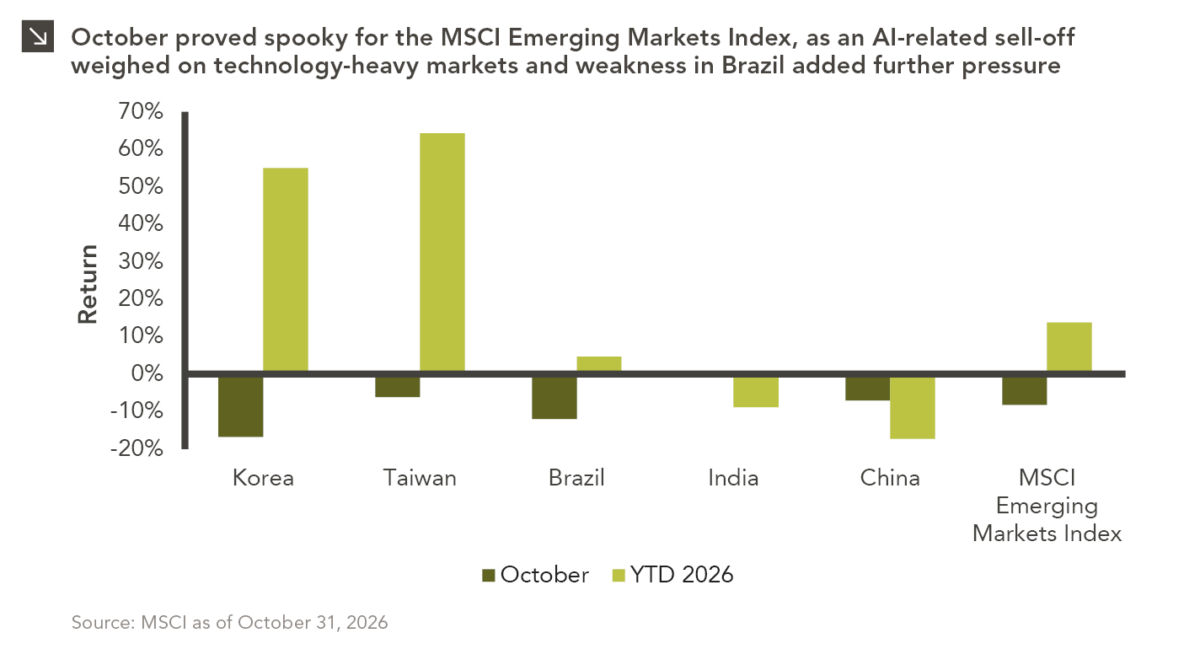
Emerging markets faced a challenging October, with the space declining by around 8.3% amid renewed concerns over the sustainability of…
10.26.2026
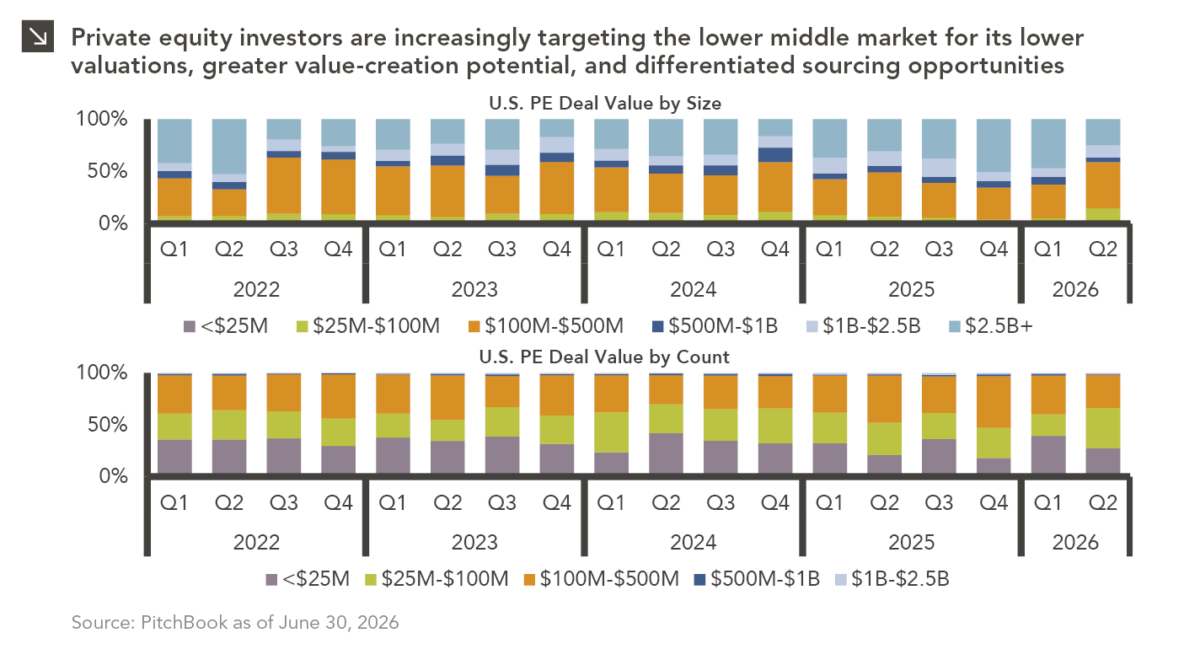
Private equity activity is increasingly shifting toward smaller transactions, with total deal value for transactions of $100 million or less…

10.08.2026
This video is a recording of a live webinar held October 22 by Marquette’s research team analyzing the third quarter…

10.22.2026
Anyone who has run a marathon knows the last six miles are brutal — no matter how well the first…
10.19.2026
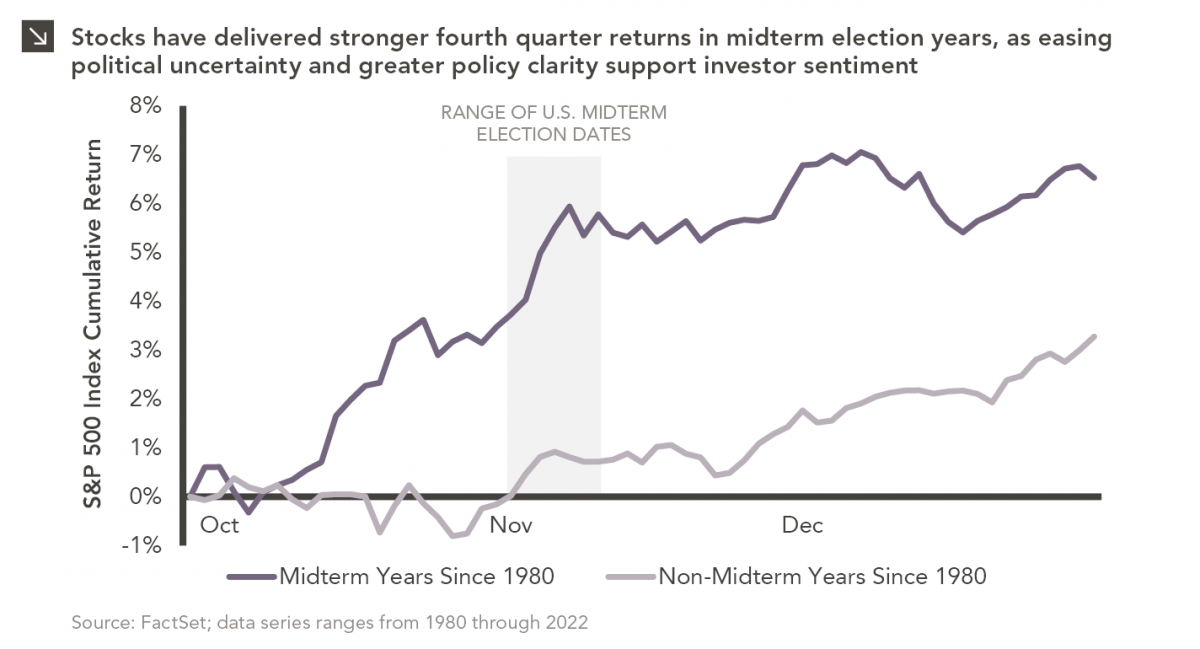
Since 1980, the S&P 500 Index has generally performed well in the weeks surrounding U.S. midterm elections. Specifically, the index…
10.12.2026
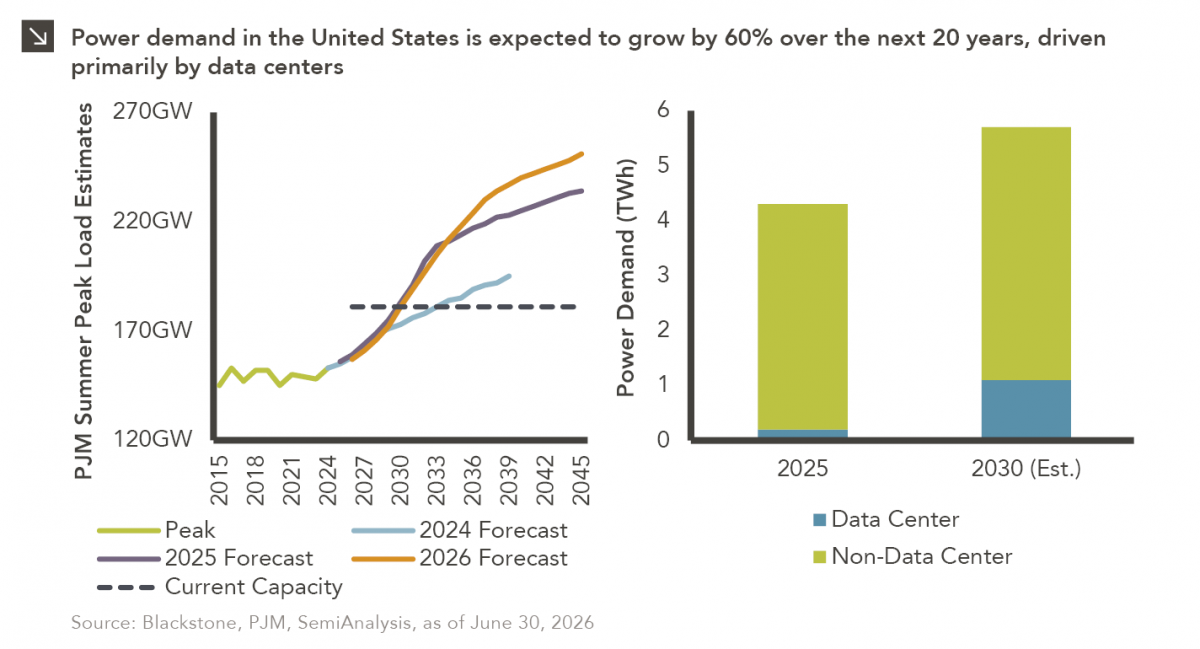
This week’s chart highlights the accelerating growth of electricity demand in the U.S., which has been driven primarily by the…
Research alerts keep you updated on our latest research publications. Simply enter your contact information, choose the research alerts you would like to receive and click Subscribe. Alerts will be sent as research is published.
We respect your privacy. We will never share or sell your information.
If you have questions or need further information, please contact us directly and we will respond to your inquiry within 24 hours.
Contact Us >