James Torgerson
Senior Research Analyst


Leveraged loans have been the asset class of choice this year, with fixed income investors drawn to the floating-rate nature of these securities in a rising rate environment. Investors have piled into the asset class since the beginning of 2021 at the expense of other segments of the market, including high yield bonds. High yield bonds are typically the first to show signs of deterioration in stressed credit markets and tend to be subject to more volatile trading patterns. Below the surface, however, the overall quality of the loan market has deteriorated relative to high yield and changes at the issuer level have impacted the perceived safety of the asset class. Investors who have flocked to loans may need to pause and consider that it could be the loan market — not high yield — that signals trouble on the horizon.
This newsletter provides background on leveraged loans and analyzes historical and recent performance and flows, shifts in quality, and seniority and covenants.

The opinions expressed herein are those of Marquette Associates, Inc. (“Marquette”), and are subject to change without notice. This material is not financial advice or an offer to purchase or sell any product. Marquette reserves the right to modify its current investment strategies and techniques based on changing market dynamics or client needs.
11.09.2026
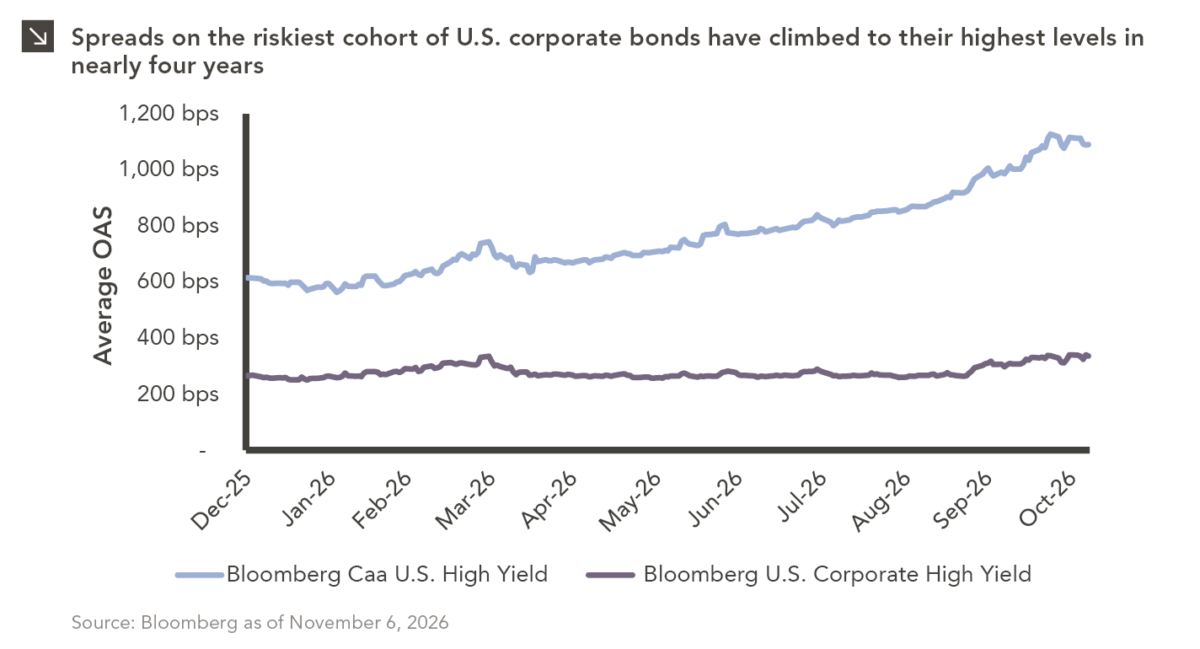
The U.S. distressed debt market is showing increasingly pronounced signs of stress. As of this writing, option-adjusted spreads on CCC-rated…
10.26.2026
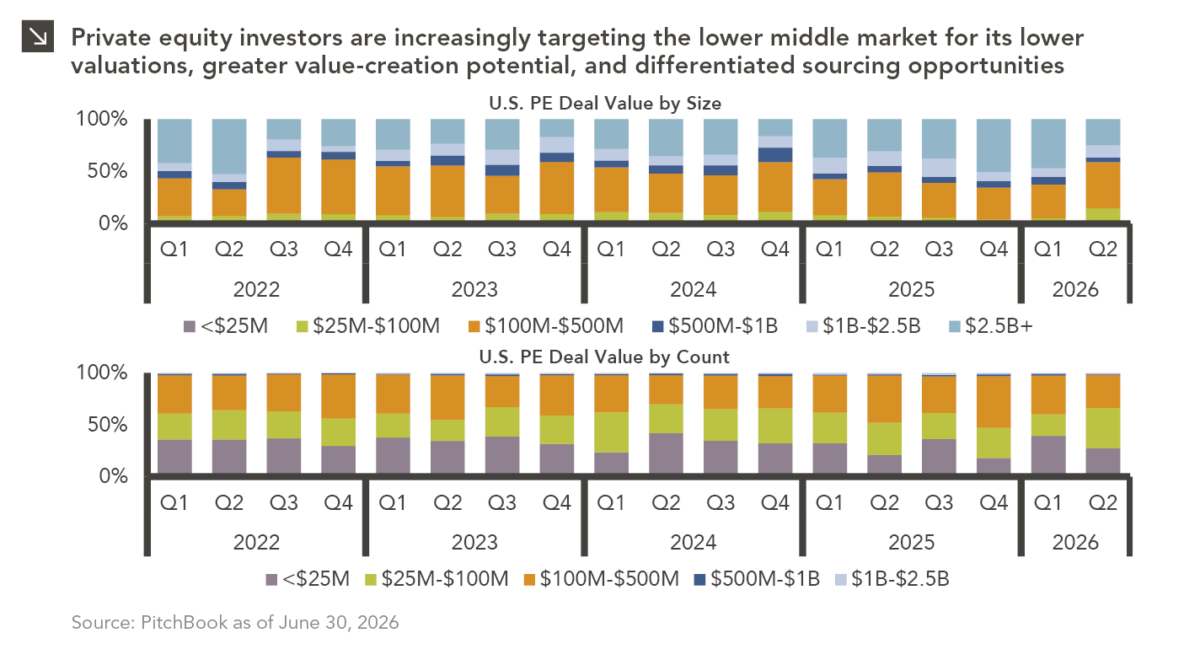
Private equity activity is increasingly shifting toward smaller transactions, with total deal value for transactions of $100 million or less…

10.08.2026
This video is a recording of a live webinar held October 22 by Marquette’s research team analyzing the third quarter…
10.22.2026
Anyone who has run a marathon knows the last six miles are brutal — no matter how well the first…
10.19.2026
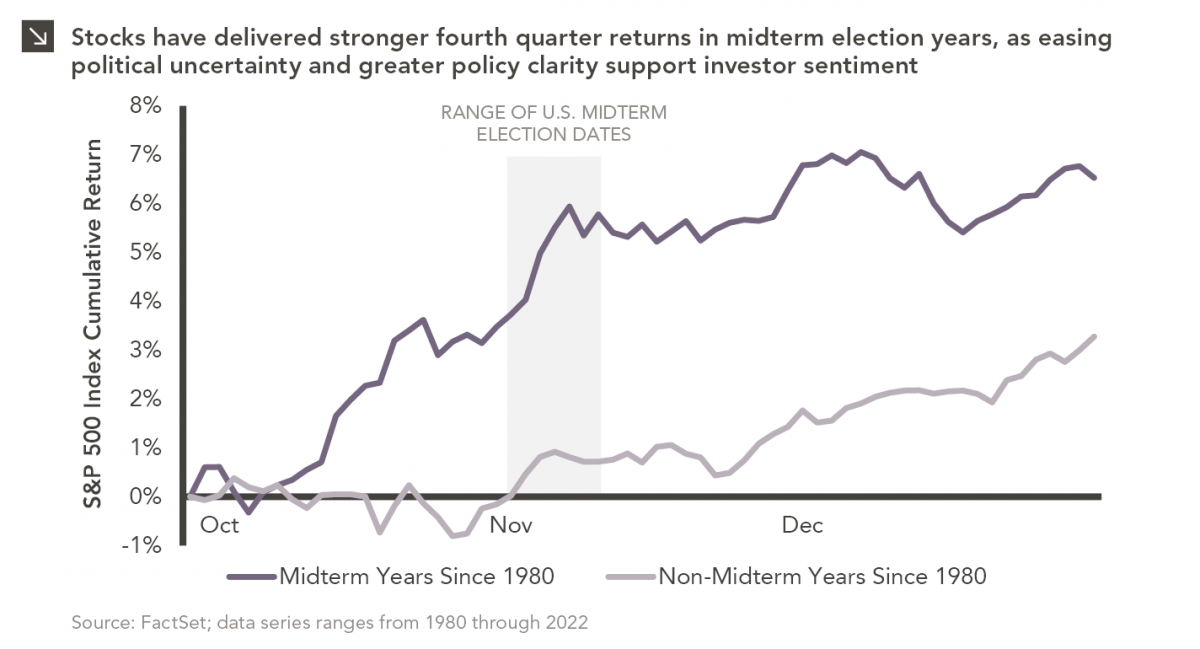
Since 1980, the S&P 500 Index has generally performed well in the weeks surrounding U.S. midterm elections. Specifically, the index…
09.28.2026
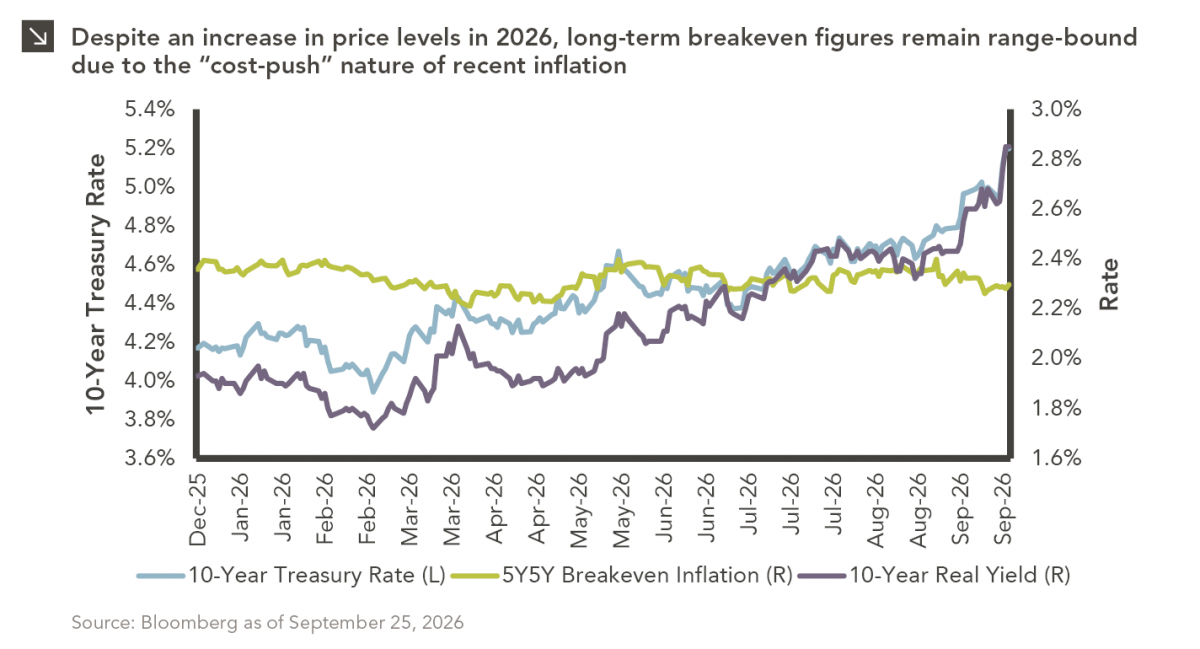
The phrase “expectations of higher inflation” has become a staple in financial news to explain the increase in nominal U.S….
Research alerts keep you updated on our latest research publications. Simply enter your contact information, choose the research alerts you would like to receive and click Subscribe. Alerts will be sent as research is published.
We respect your privacy. We will never share or sell your information.
If you have questions or need further information, please contact us directly and we will respond to your inquiry within 24 hours.
Contact Us >