10.08.2026
3Q 2026 Market Insights
This video is a recording of a live webinar held October 22 by Marquette’s research team analyzing the third quarter…


On Wednesday, September 9th, Apple announced the details on the latest iteration of its flagship product – the iPhone. The iPhone 6S and 6SPlus were the ninth major iPhone announcements since the iPhone 1 was first unveiled to the world on June 29th, 2007 (excluding new storage space and color variations of the same model). The announcement events are widely covered by the media and fans of one of the most innovative companies of the 21st Century.
This week’s chart examines the change in Apple’s stock price from the announcement through the following six days and comparing that change to the return of the S&P 500 over the same time periods. On average, Apple has outperformed the index by 2.62% over the past eight announcement dates.
The importance of this announcement can be seen in the S&P 500 holdings, of which Apple is the largest contributor with a 3.71% weight. While it cannot be said with utmost certainty that Apple will outperform the market with its latest product announcement, it is safe to assume that these products will continue to be a major revenue source for the company, drive movements in the stock price, and therefore have a significant influence on the return of the index.
The opinions expressed herein are those of Marquette Associates, Inc. (“Marquette”), and are subject to change without notice. This material is not financial advice or an offer to purchase or sell any product. Marquette reserves the right to modify its current investment strategies and techniques based on changing market dynamics or client needs.

10.08.2026
This video is a recording of a live webinar held October 22 by Marquette’s research team analyzing the third quarter…

10.22.2026
Anyone who has run a marathon knows the last six miles are brutal — no matter how well the first…
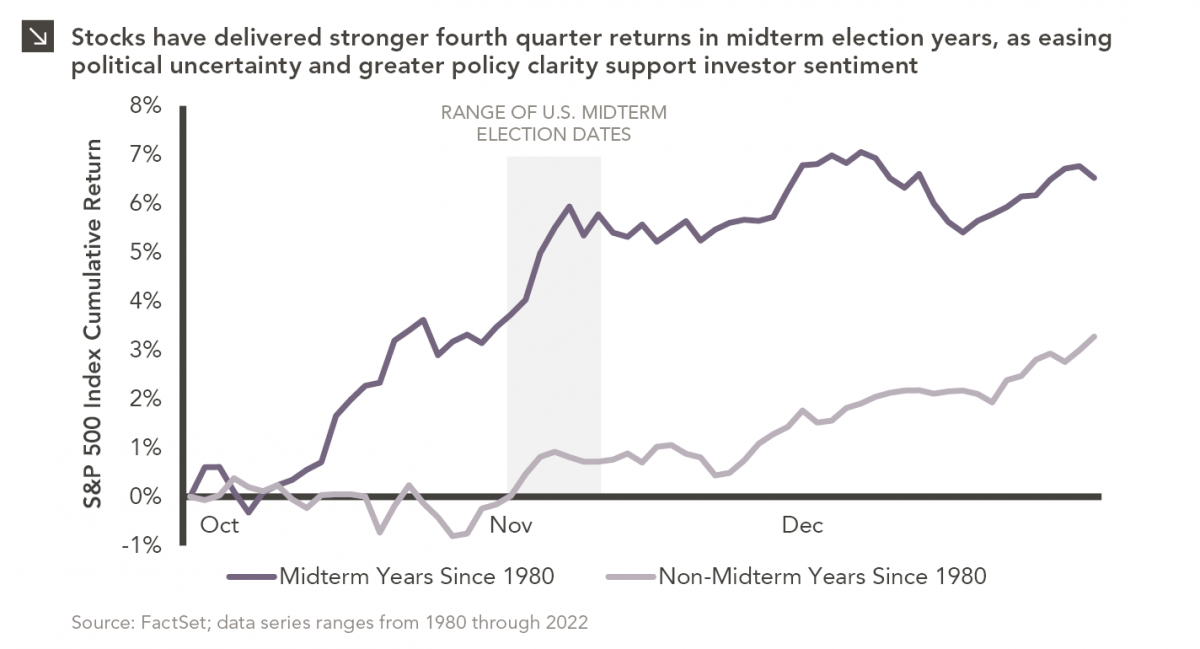
10.19.2026
Since 1980, the S&P 500 Index has generally performed well in the weeks surrounding U.S. midterm elections. Specifically, the index…
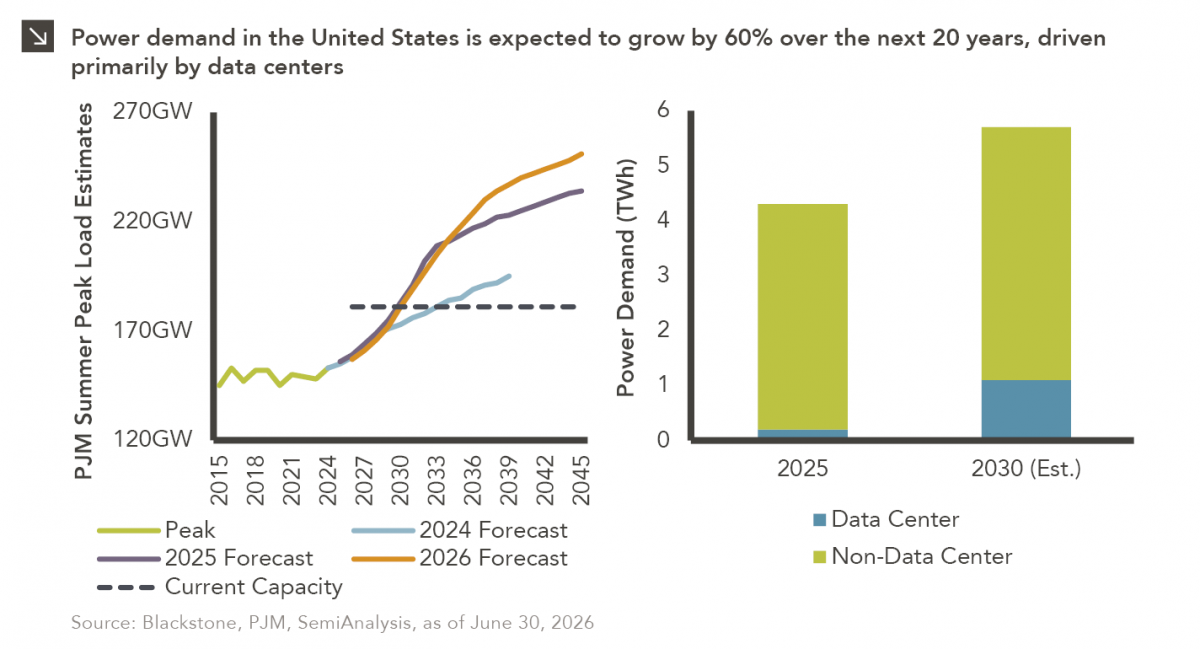
10.12.2026
This week’s chart highlights the accelerating growth of electricity demand in the U.S., which has been driven primarily by the…
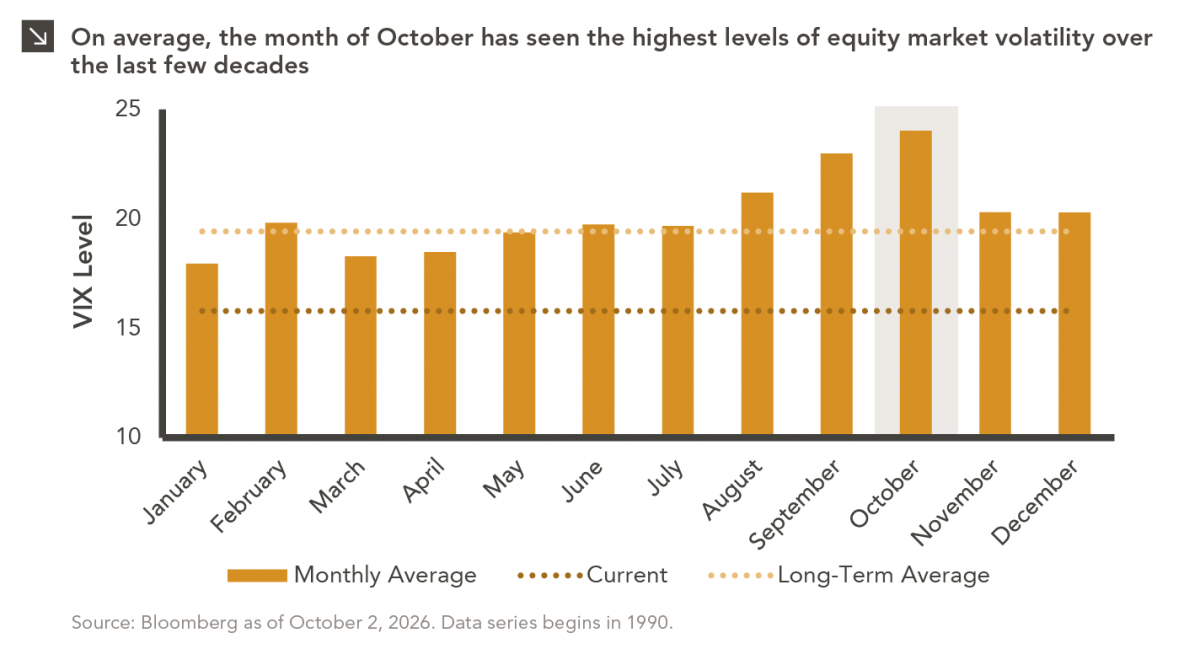
10.05.2026
For investors, the spookiest thing about October might not be the ghosts and monsters that are bound to show up…
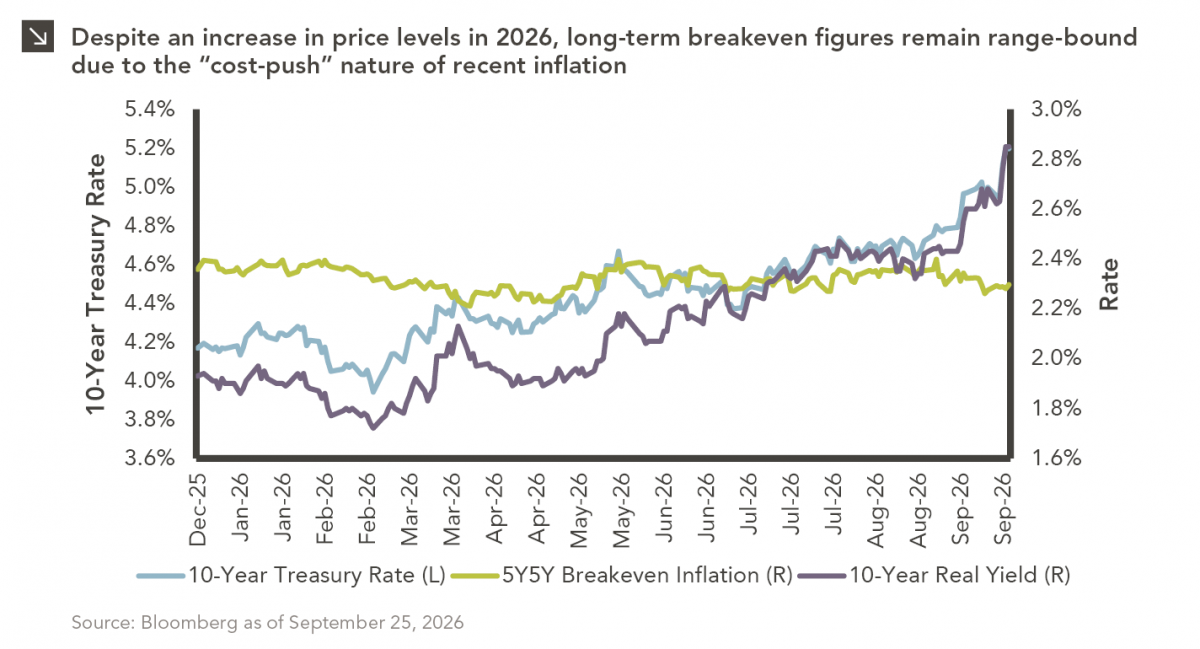
09.28.2026
The phrase “expectations of higher inflation” has become a staple in financial news to explain the increase in nominal U.S….
Research alerts keep you updated on our latest research publications. Simply enter your contact information, choose the research alerts you would like to receive and click Subscribe. Alerts will be sent as research is published.
We respect your privacy. We will never share or sell your information.
If you have questions or need further information, please contact us directly and we will respond to your inquiry within 24 hours.
Contact Us >