Eric Gaylord, CFA
Partner


The S&P 500 returned -3.1% excluding dividends for the month of August. As the bull market seems to be losing steam, institutional investors will likely see lower returns from equity markets. Further compounding future portfolio returns is that bond prices are likely to be hampered by the threat of rising interest rates. Looking forward, a larger portion of investors’ returns may rely on receiving income in the form of interest and dividends rather than price appreciation.
With that in mind, we focus this week’s chart on asset class yields. Although the 10-year Treasury yield rose sharply in the 2nd quarter, this rise did not represent a parallel shift of the yield curve: yields on the shorter end of the curve remain low. Consequently, traditional bond portfolios with lower duration are still faced with the challenge of low yields, and the yields-to-maturity of the U.S. and Global Aggregate Bond Indexes remain compressed at 2.48% and 2.14%, respectively. Looking purely at yield, we see that senior secured loans (as measured by the CSFB Leveraged Loan Index), real estate (NCREIF Property Index), emerging markets debt, and high yield bonds are all yielding more than double the core bond market. Additionally, senior secured loans and real estate, in particular, offer lower interest rate risk. As such, these asset classes continue to offer compelling diversification benefits as components of an institutional portfolio.

The opinions expressed herein are those of Marquette Associates, Inc. (“Marquette”), and are subject to change without notice. This material is not financial advice or an offer to purchase or sell any product. Marquette reserves the right to modify its current investment strategies and techniques based on changing market dynamics or client needs.
10.12.2026
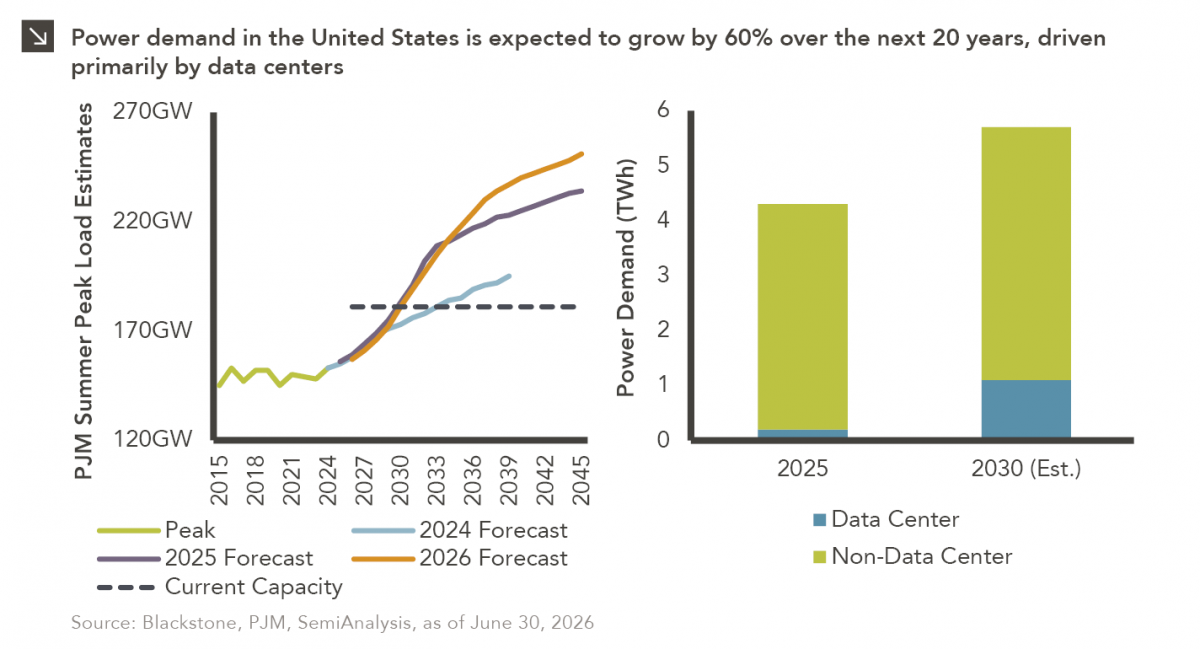
This week’s chart highlights the accelerating growth of electricity demand in the U.S., which has been driven primarily by the…

10.08.2026
LIVE WEBINAR — OCTOBER 22 Please join Marquette’s research team for our 3Q 2026 Market Insights Webinar…
10.05.2026
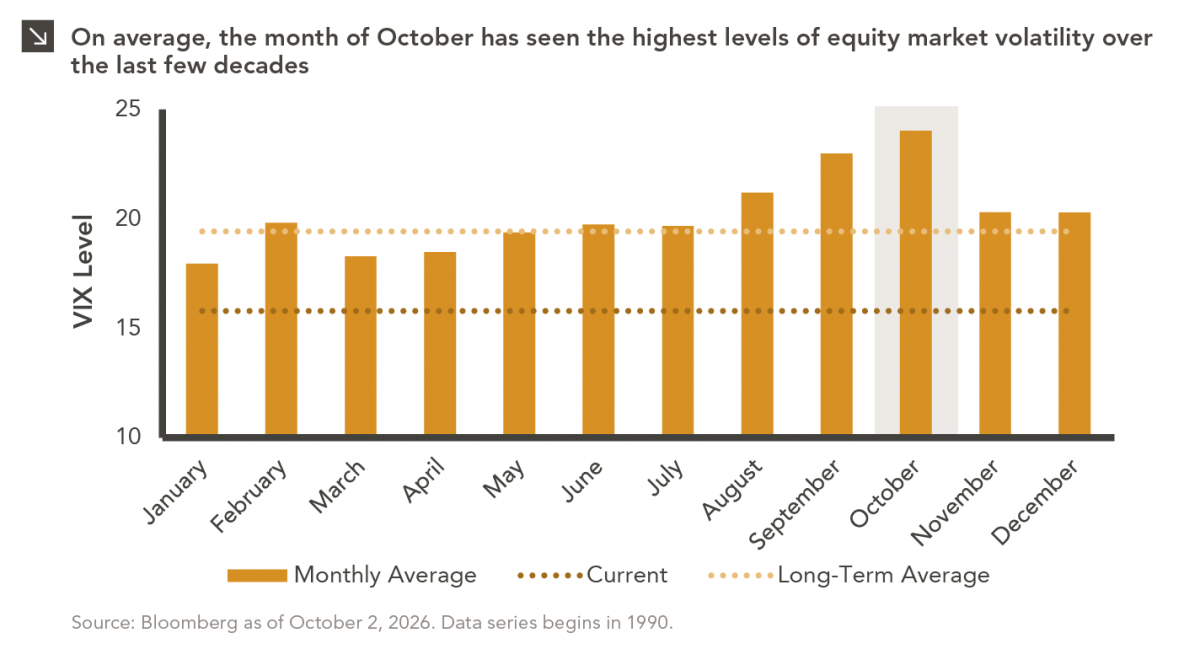
For investors, the spookiest thing about October might not be the ghosts and monsters that are bound to show up…
09.28.2026
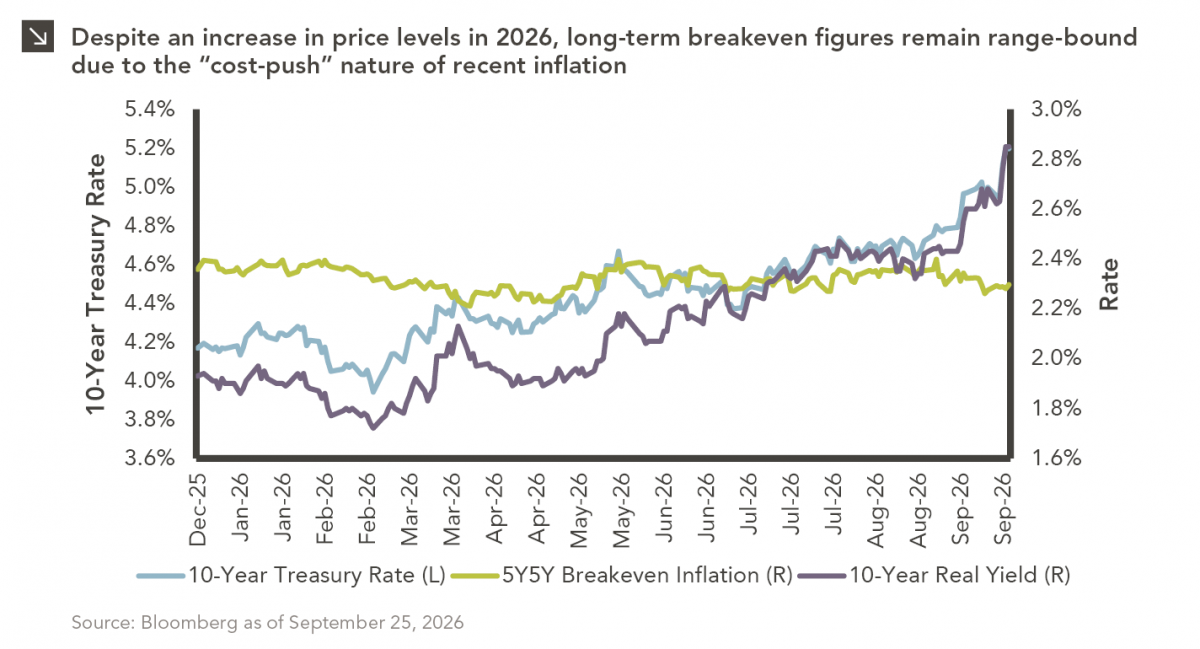
The phrase “expectations of higher inflation” has become a staple in financial news to explain the increase in nominal U.S….
09.21.2026
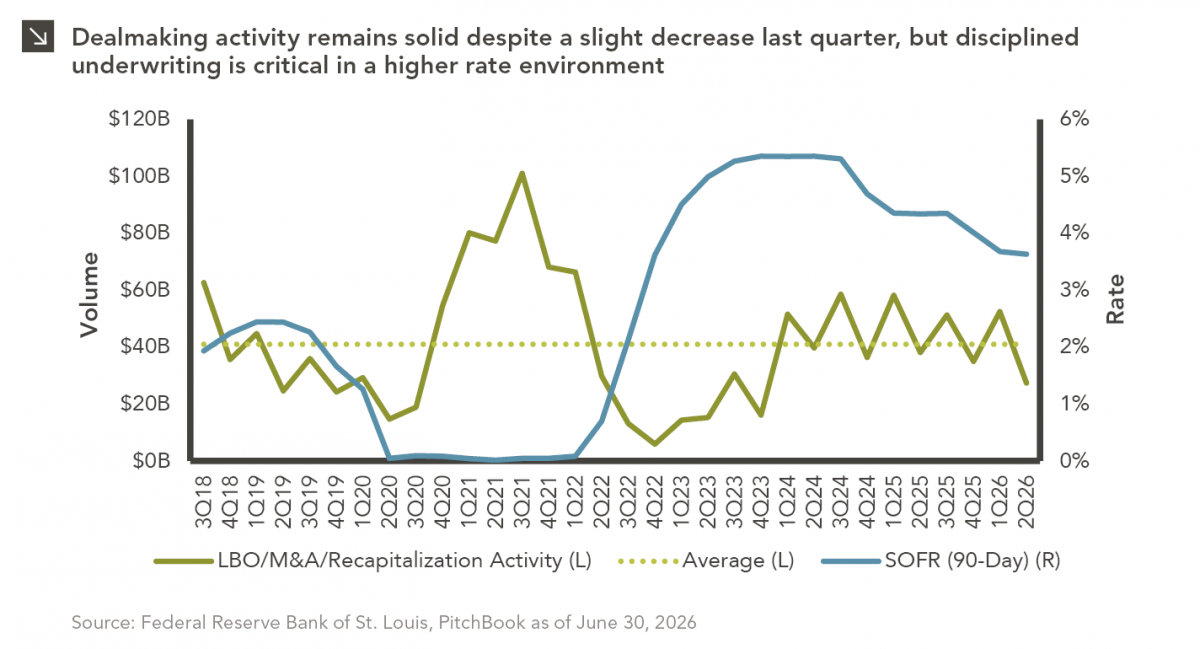
For much of the past several years, the conventional view has been that higher interest rates and stretched valuations would…
09.14.2026
There are many great things about working at Marquette Associates, but “Free Lunch Tuesday” is right at the top of…
Research alerts keep you updated on our latest research publications. Simply enter your contact information, choose the research alerts you would like to receive and click Subscribe. Alerts will be sent as research is published.
We respect your privacy. We will never share or sell your information.
If you have questions or need further information, please contact us directly and we will respond to your inquiry within 24 hours.
Contact Us >