Evan Frazier, CFA, CAIA
Senior Research Analyst


The dollar has enjoyed an impressive run during the last few years on the backs of trade restrictions, off-cycle expansionary fiscal policy, and muted inflation. That said, the currency has weakened in recent months, as the U.S. Dollar Index — which measures the strength of the greenback relative to a basket of several international currencies — has dropped nearly 10% since the end of March. The index is now nearing its 30-year average of 91.2.
The dollar could fall even further in the near term given the current landscape. While it is unclear exactly how President-elect Joe Biden will govern along the political spectrum, the new administration will almost certainly take a more dovish approach with respect to international trade. A de-escalation of Trump-era tariff wars would be a boon to emerging market equities, which could create trouble for the dollar. Additionally, the lack of additional fiscal stimulus in the United States after the passage of the CARES Act in March, coupled with unprecedented expansionary efforts by the Federal Reserve, is a harbinger of a weaker greenback. Even a new relief package that is more modest in size may not be enough to prevent a further slide in the dollar given the extraordinary scope of the Fed’s support and a sustained low interest rate environment.
It is important to remember that a declining dollar does not necessarily spell doom for the U.S. economy. Goods produced in the United States become more attractive to consumers when the domestic currency is weak, which can lead to job creation in the manufacturing sector and economic growth. Increased global demand for American goods can also lead to trade deficit reductions. If current trends continue, investors will have to weigh these benefits against the costs of a weakening greenback, which include inflation and subsequent increases in commodity prices, as well as lower relative returns for dollar-denominated assets. Now more than ever, allocators should stress the importance of international and style diversification.
Print PDF > The Dollar Returns to Trend (and Could Go Lower)

The opinions expressed herein are those of Marquette Associates, Inc. (“Marquette”), and are subject to change without notice. This material is not financial advice or an offer to purchase or sell any product. Marquette reserves the right to modify its current investment strategies and techniques based on changing market dynamics or client needs.
10.12.2026
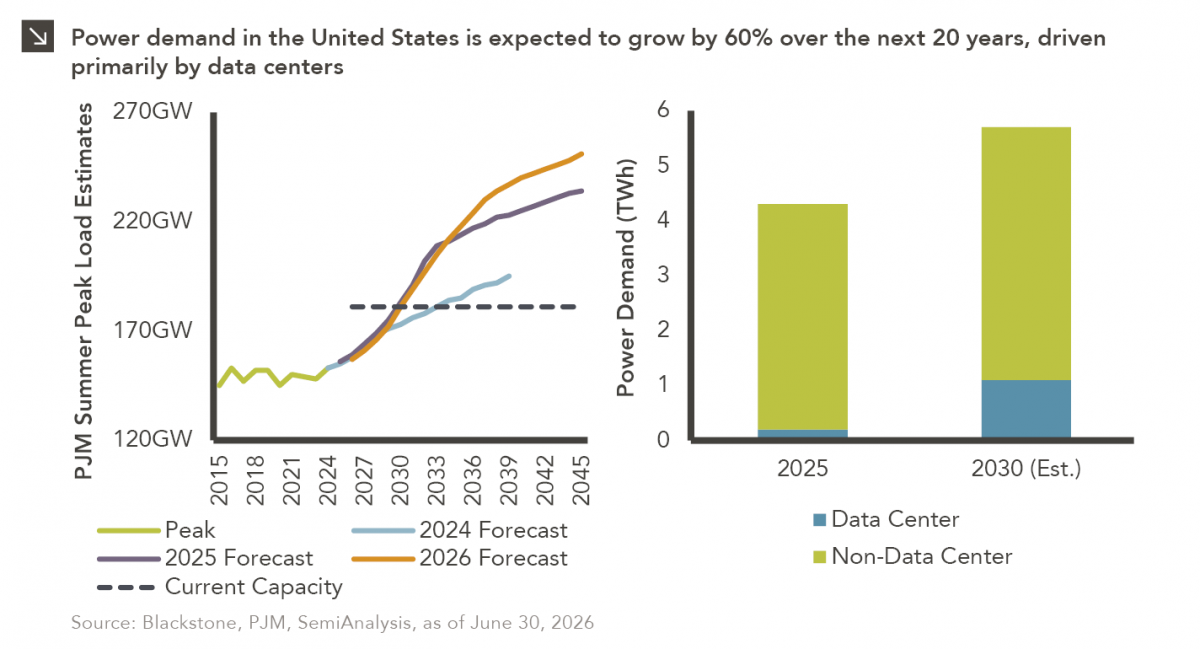
This week’s chart highlights the accelerating growth of electricity demand in the U.S., which has been driven primarily by the…

10.08.2026
LIVE WEBINAR — OCTOBER 22 Please join Marquette’s research team for our 3Q 2026 Market Insights Webinar…
10.05.2026
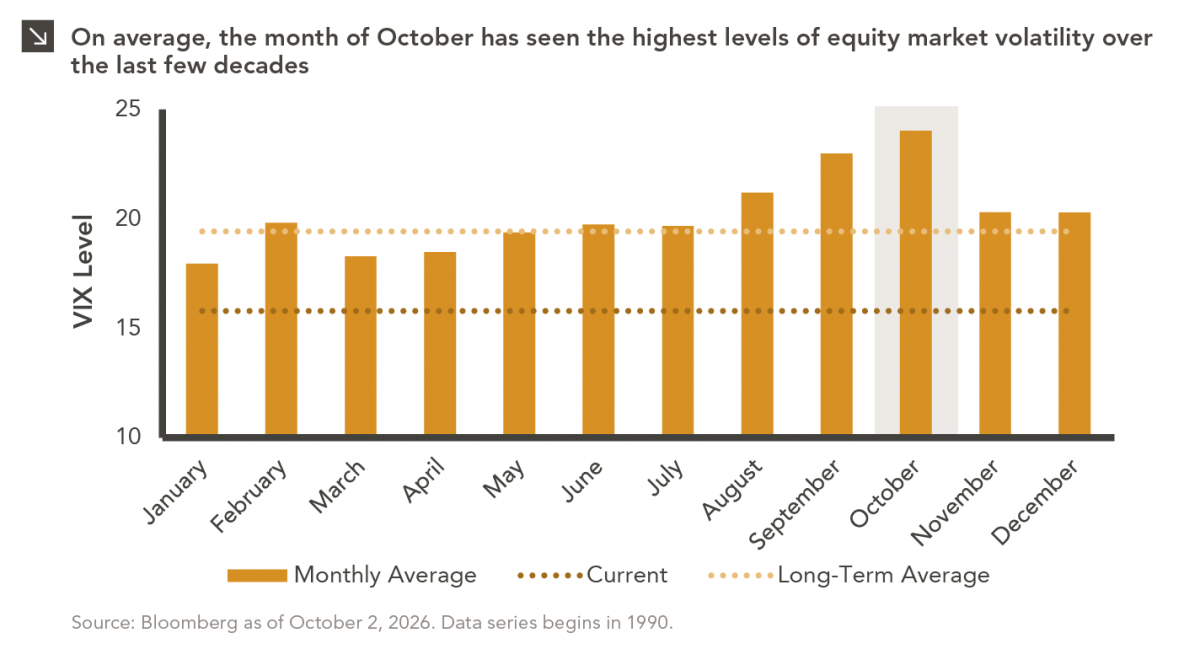
For investors, the spookiest thing about October might not be the ghosts and monsters that are bound to show up…
09.28.2026
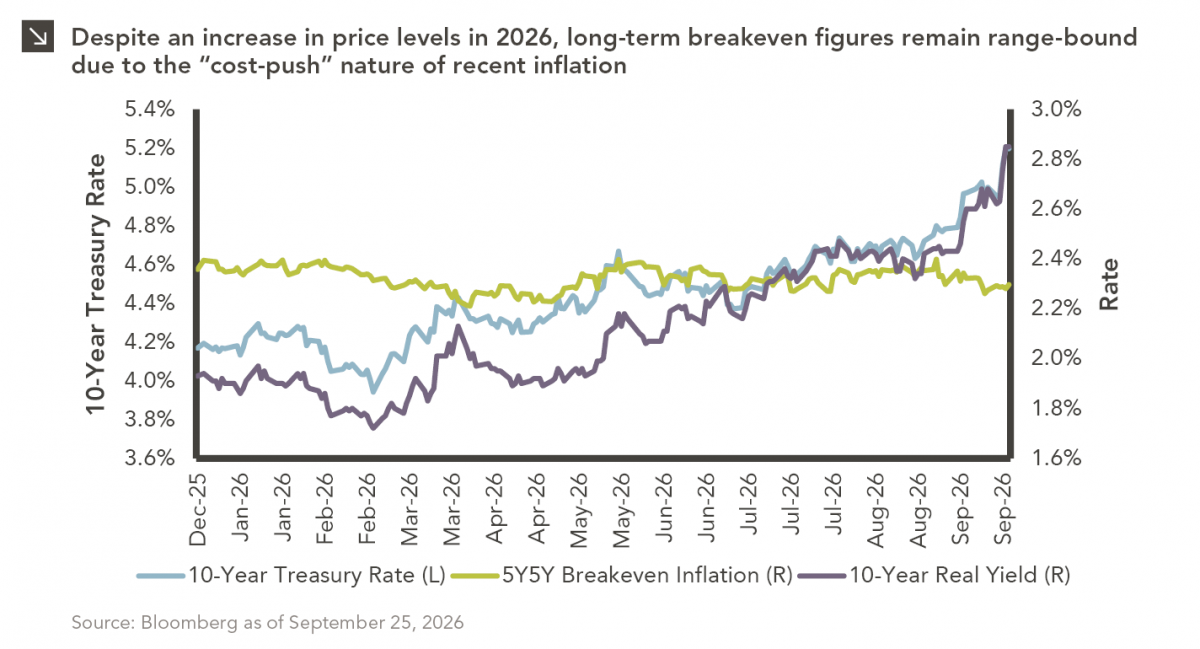
The phrase “expectations of higher inflation” has become a staple in financial news to explain the increase in nominal U.S….
09.21.2026
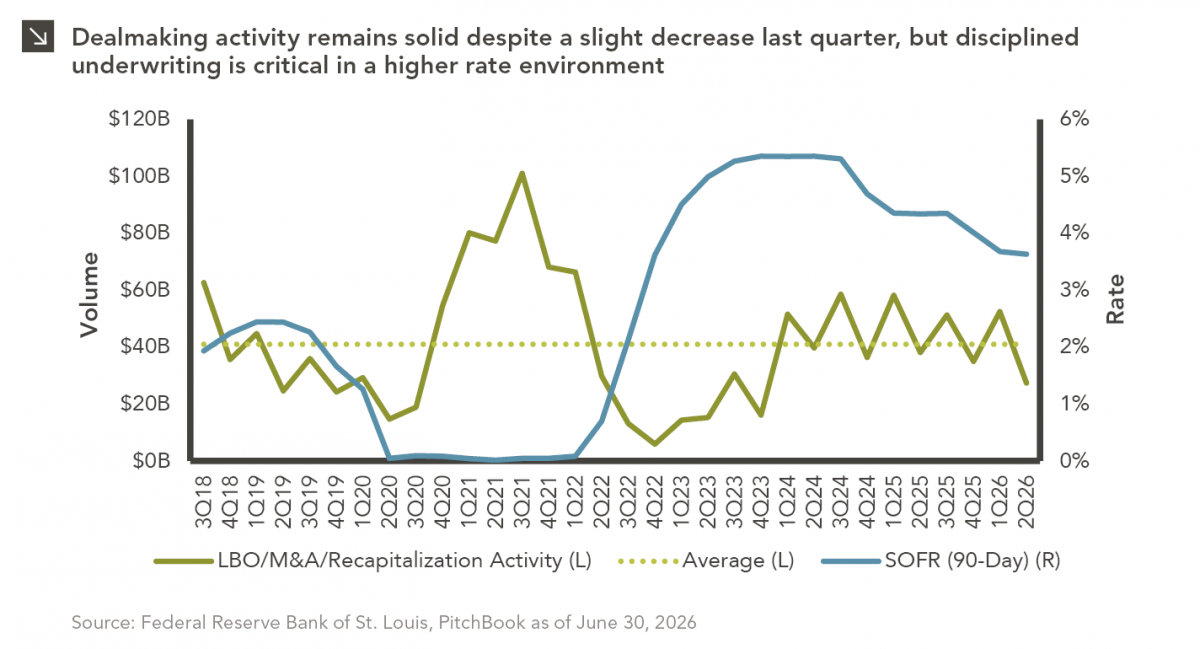
For much of the past several years, the conventional view has been that higher interest rates and stretched valuations would…
09.14.2026
There are many great things about working at Marquette Associates, but “Free Lunch Tuesday” is right at the top of…
Research alerts keep you updated on our latest research publications. Simply enter your contact information, choose the research alerts you would like to receive and click Subscribe. Alerts will be sent as research is published.
We respect your privacy. We will never share or sell your information.
If you have questions or need further information, please contact us directly and we will respond to your inquiry within 24 hours.
Contact Us >