Tom Salemy, CFA, CAIA
Partner


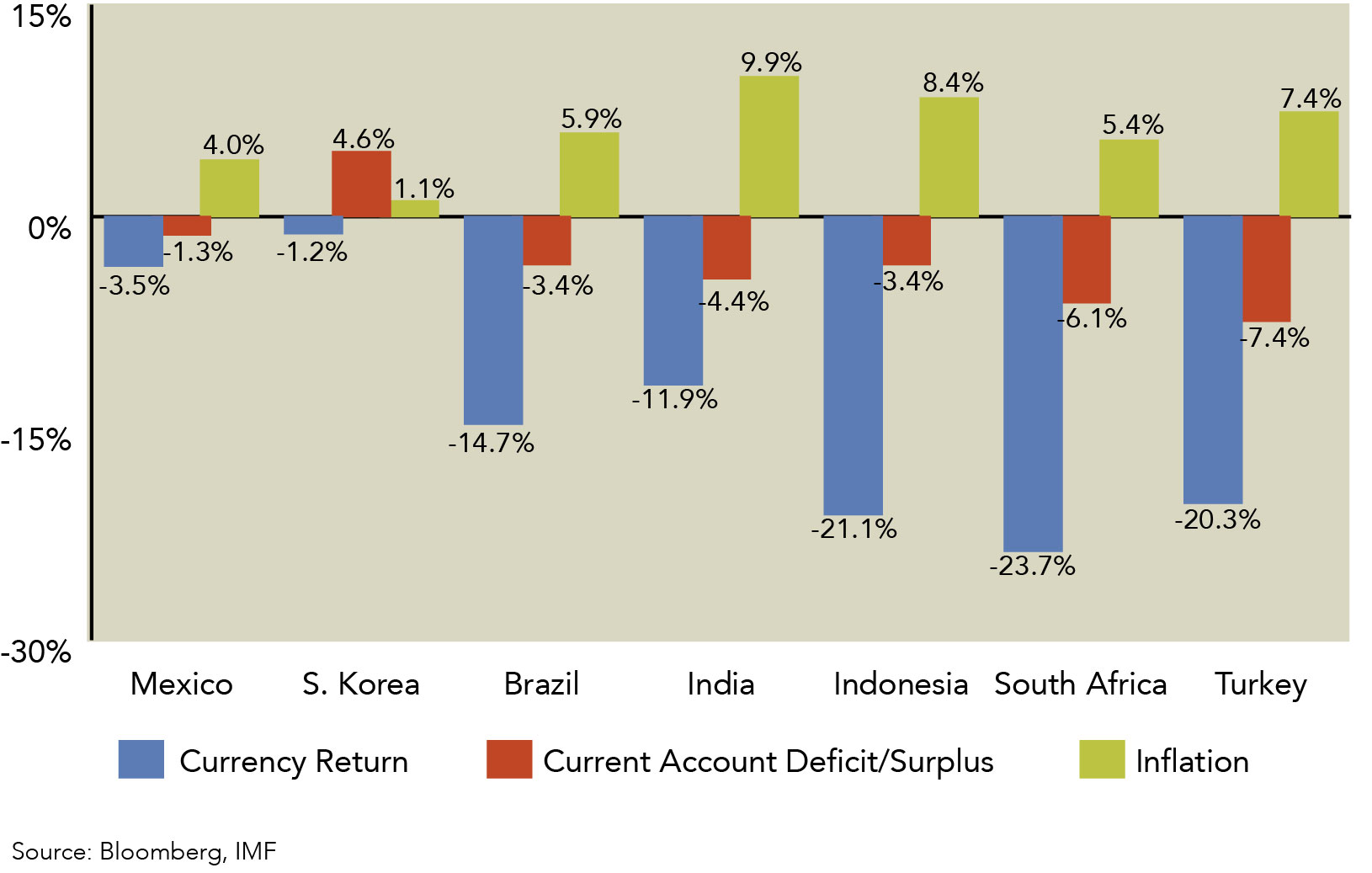
Given the continued poor performance of emerging market (“EM”) investments, this week’s chart examines the structural issues challenging a number of EM countries, namely the “fragile five” (Brazil, India, South Africa, Turkey, and Indonesia). The chart illustrates how countries with high inflation and large current account deficits have seen their currencies decrease dramatically against the U.S. dollar. In comparison the currencies of Mexico and South Korea have remained relatively resilient.
As liquidity is gradually withdrawn from the global economy, these structural issues within emerging markets have come to the forefront. Investors are concerned that after years of expansion and unlimited access to cheap capital despite poor policy fundamentals, these EM countries will have a very difficult time implementing the necessary structural reforms, while also maintaining strong growth.
In response, central banks of all the fragile five countries have taken decisive action and increased their benchmark interest rates within the last four months. Furthermore, due to emerging markets’ continued weak performance, valuations are not only attractive for the asset class as a whole, but more importantly for stronger and more stable EM countries such as Mexico and South Korea. While there is still policy and political uncertainty affecting emerging markets, there is no doubt that value is present in the asset class.
*Currency return from January 1, 2013 to February 4, 2014.

The opinions expressed herein are those of Marquette Associates, Inc. (“Marquette”), and are subject to change without notice. This material is not financial advice or an offer to purchase or sell any product. Marquette reserves the right to modify its current investment strategies and techniques based on changing market dynamics or client needs.

10.08.2026
This video is a recording of a live webinar held October 22 by Marquette’s research team analyzing the third quarter…

10.22.2026
Anyone who has run a marathon knows the last six miles are brutal — no matter how well the first…
10.19.2026
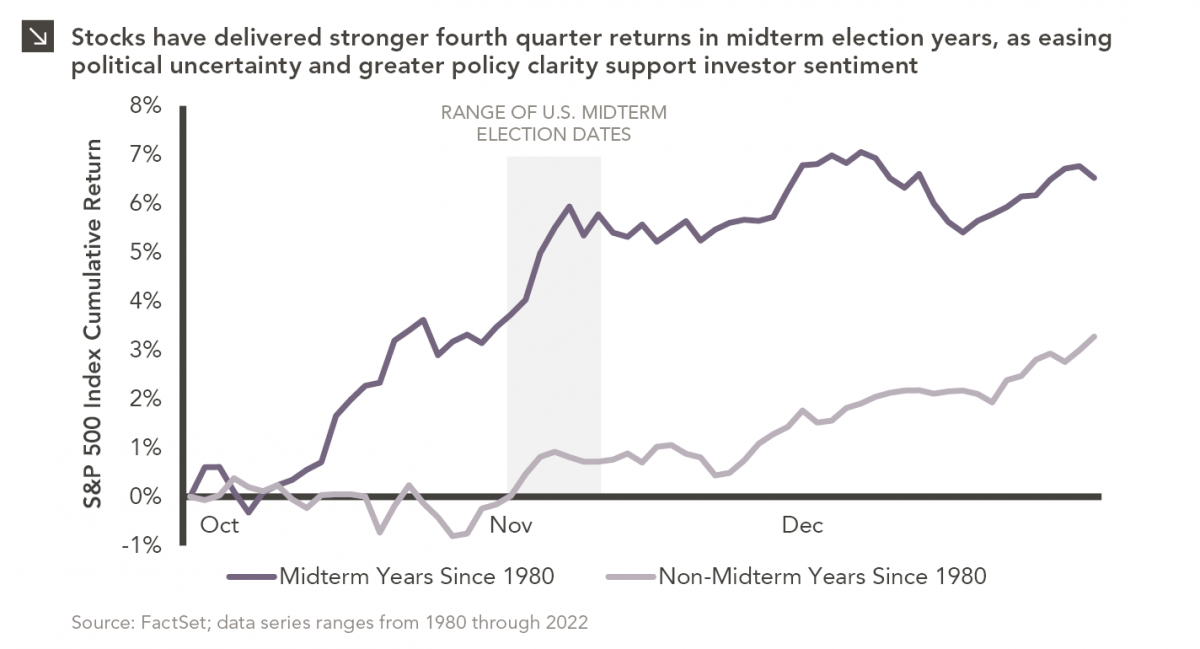
Since 1980, the S&P 500 Index has generally performed well in the weeks surrounding U.S. midterm elections. Specifically, the index…
10.12.2026
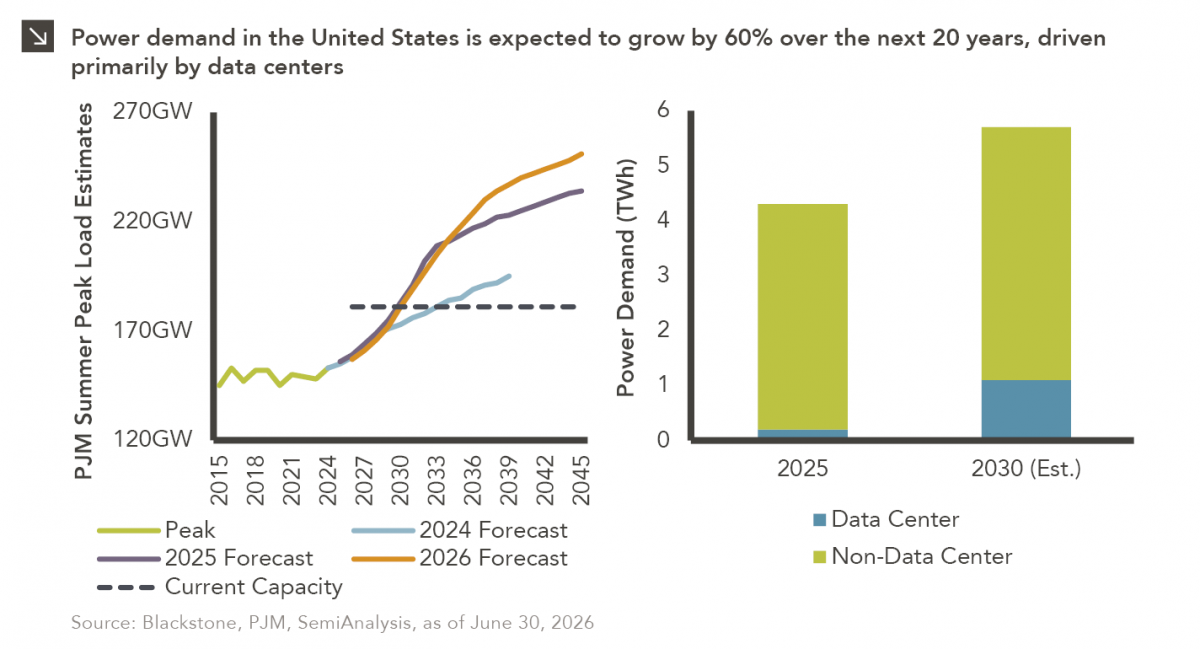
This week’s chart highlights the accelerating growth of electricity demand in the U.S., which has been driven primarily by the…
10.05.2026
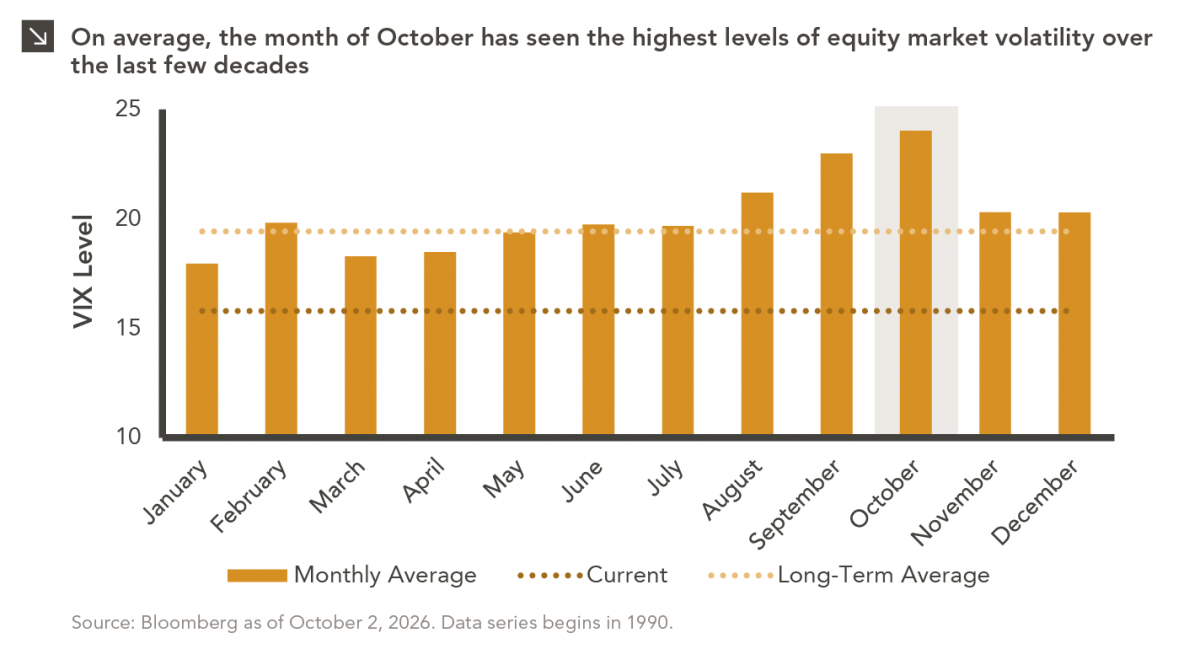
For investors, the spookiest thing about October might not be the ghosts and monsters that are bound to show up…
09.28.2026
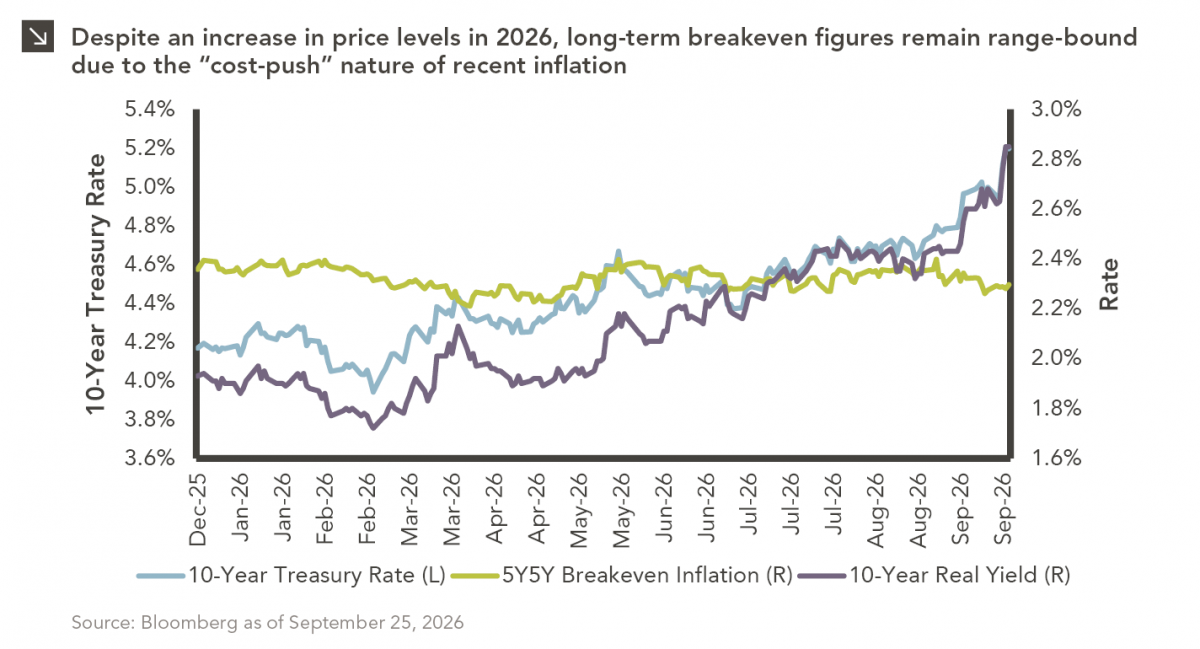
The phrase “expectations of higher inflation” has become a staple in financial news to explain the increase in nominal U.S….
Research alerts keep you updated on our latest research publications. Simply enter your contact information, choose the research alerts you would like to receive and click Subscribe. Alerts will be sent as research is published.
We respect your privacy. We will never share or sell your information.
If you have questions or need further information, please contact us directly and we will respond to your inquiry within 24 hours.
Contact Us >