10.19.2026
Divided We Rise?
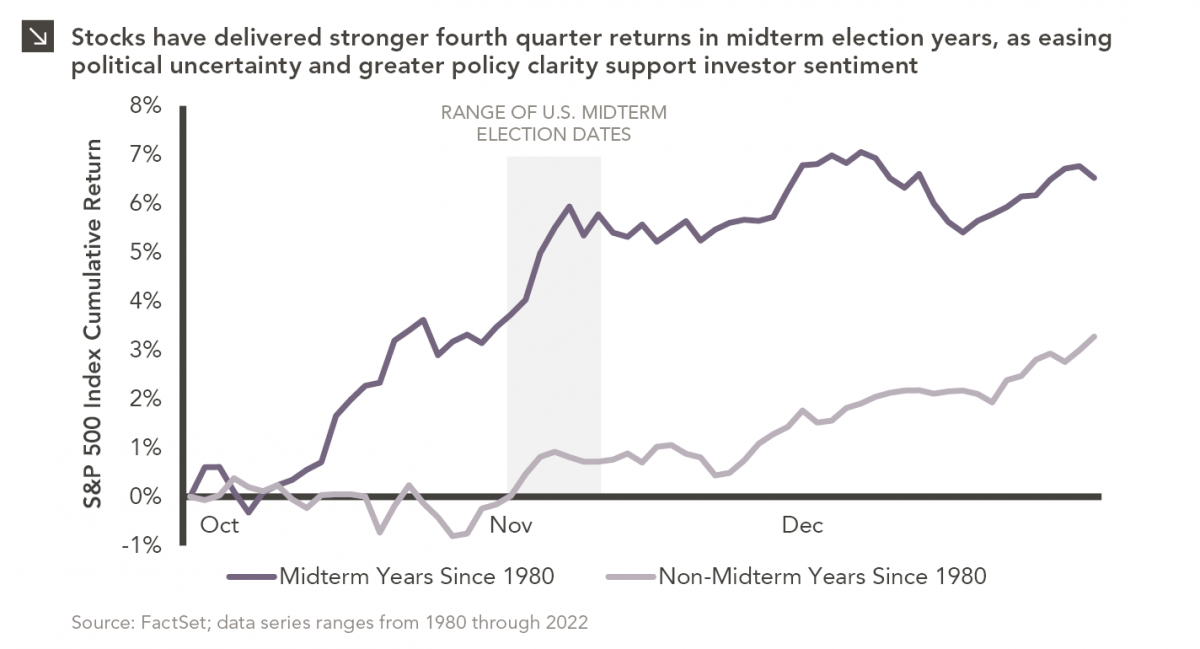
Since 1980, the S&P 500 Index has generally performed well in the weeks surrounding U.S. midterm elections. Specifically, the index…


Co-investment funds are becoming an increasingly attractive area of deployment within private equity programs. The number of dedicated co-investment vehicles has risen dramatically over the past decade as many fund-of-funds managers have looked for product expansion and have responded to investor demand.
Co-investment vehicles provide investors the ability to provide additional capital — alongside and aligned with private equity managers — at a significantly reduced fee (less than traditional private equity investing) and with quicker deployment (mitigating much of the j-curve). These factors have contributed to the higher net returns recorded by dedicated co-investment funds over this past decade.
As seen in the charts above, these dedicated co-investment funds have outperformed the broader private equity fund performance with a higher median net IRR of 18.9% (430 bps of outperformance over Preqin’s direct private equity median net IRR) and with 80% outperforming their median PE performance within their respective vintage years (2009–2016). We believe this past decade has really proven out many of these teams and strategies and that proven managers with strong and repeatable selection processes should continue to outperform private equity benchmarks in nearly all vintages throughout a full economic cycle.
We encourage investors to continue to allocate to these dedicated co-investment funds as an important allocation within their private equity programs. However, we caution investors must be selective as there is a very wide range of skill, sourcing, alignment, and access differential between managers within this area of the market.
Print PDF > The Growing Appeal of Co-Investment Funds
The opinions expressed herein are those of Marquette Associates, Inc. (“Marquette”), and are subject to change without notice. This material is not financial advice or an offer to purchase or sell any product. Marquette reserves the right to modify its current investment strategies and techniques based on changing market dynamics or client needs.
The opinions expressed herein are those of Marquette Associates, Inc. (“Marquette”), and are subject to change without notice. This material is not financial advice or an offer to purchase or sell any product. Marquette reserves the right to modify its current investment strategies and techniques based on changing market dynamics or client needs.
10.19.2026
Since 1980, the S&P 500 Index has generally performed well in the weeks surrounding U.S. midterm elections. Specifically, the index…
10.12.2026
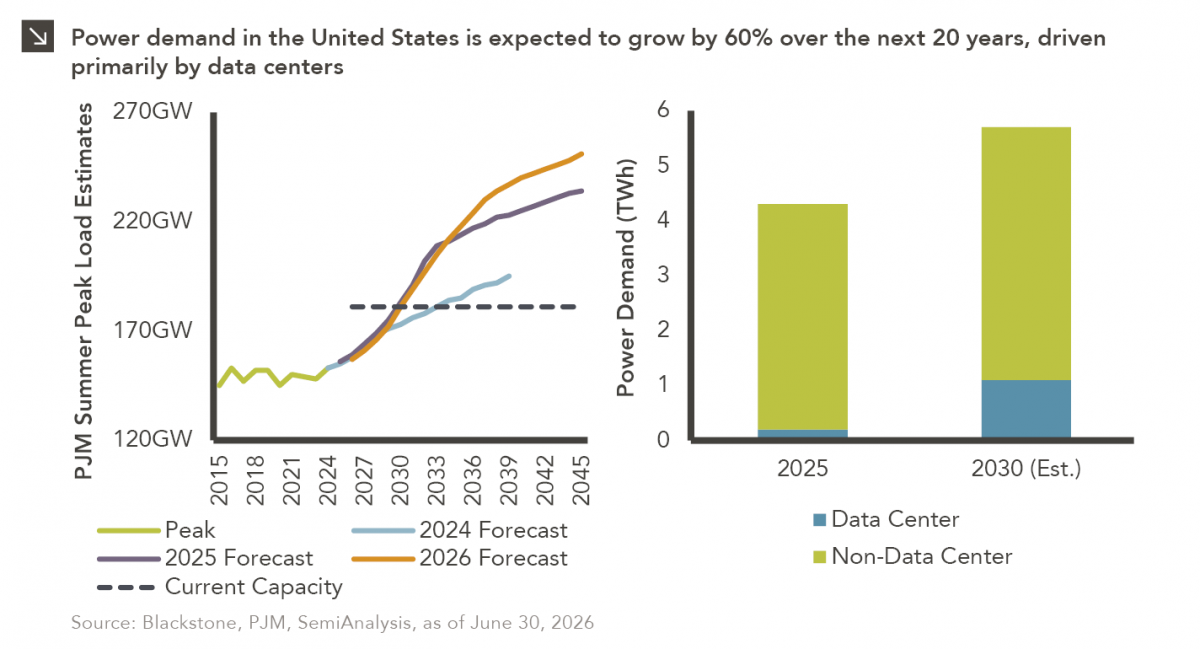
This week’s chart highlights the accelerating growth of electricity demand in the U.S., which has been driven primarily by the…

10.08.2026
LIVE WEBINAR — OCTOBER 22 Please join Marquette’s research team for our 3Q 2026 Market Insights Webinar…
10.05.2026
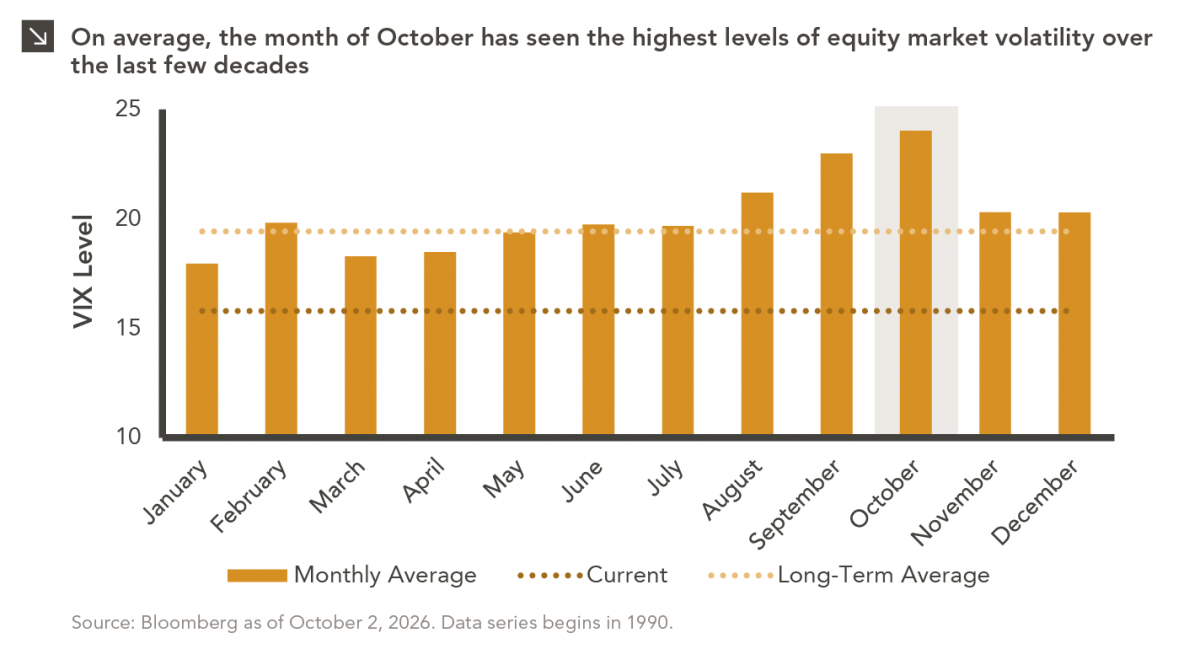
For investors, the spookiest thing about October might not be the ghosts and monsters that are bound to show up…
09.28.2026
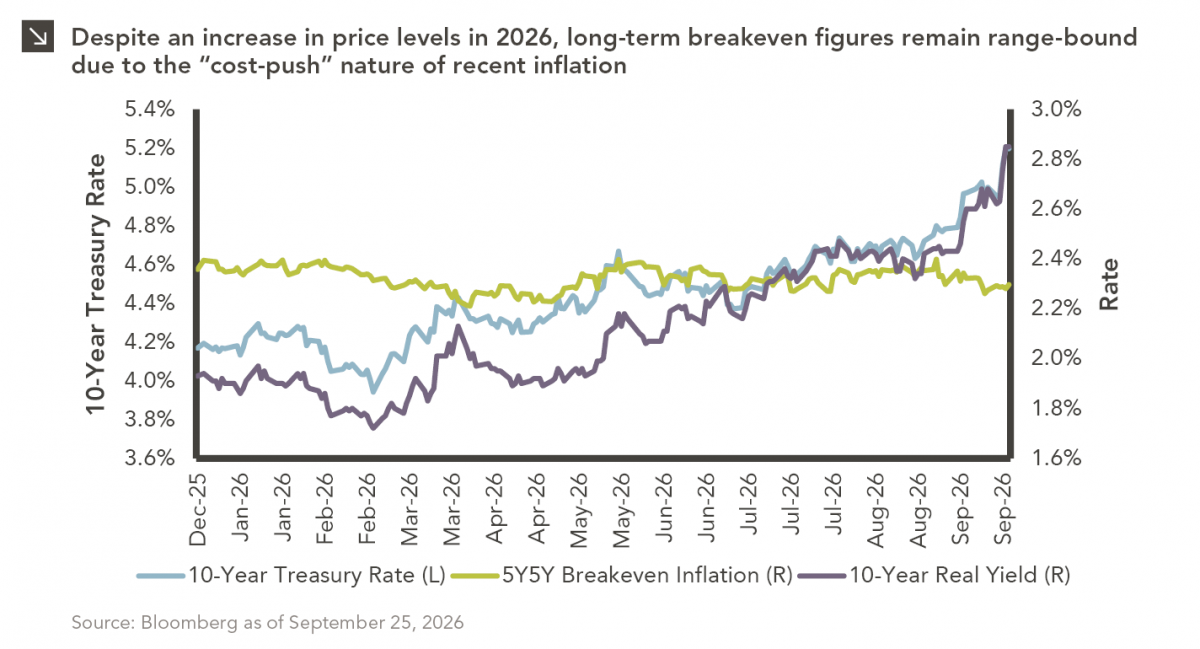
The phrase “expectations of higher inflation” has become a staple in financial news to explain the increase in nominal U.S….
09.21.2026
For much of the past several years, the conventional view has been that higher interest rates and stretched valuations would…
Research alerts keep you updated on our latest research publications. Simply enter your contact information, choose the research alerts you would like to receive and click Subscribe. Alerts will be sent as research is published.
We respect your privacy. We will never share or sell your information.
If you have questions or need further information, please contact us directly and we will respond to your inquiry within 24 hours.
Contact Us >