Mike Spychalski, CAIA
Vice President


This week’s chart shows the month over month change in construction jobs and the month over month change in annualized housing starts in the U.S. (based on rolling six month averages for each). As the chart illustrates, the steep drop off in housing starts that began in late 2006 resulted in significant job losses in the construction sector starting in mid-2007. The construction sector, which added approximately 1.1 million jobs from January 2003 to December 2006 (an average of about 24,000 jobs a month), lost approximately 2.1 million jobs from January 2007 to December 2010 (an average of about 44,000 jobs per month) according to ADP payroll data. However, over the past several months, a positive trend has started to emerge in new housing starts. This positive trend in housing starts has largely been driven by an increase in construction of multifamily housing units (i.e. apartment buildings) due to the increased demand for apartments (as a result of many households transitioning from homeowners to renters).
While this improvement is a welcome development in the housing market and construction sector, the recent increase in construction jobs is nowhere close to the kind of growth required to make up for the lost construction jobs during the recession and its aftermath. We have had an increase in construction jobs for five consecutive months with approximately 56,000 construction jobs added in the U.S. At this pace, it would take over 15 years to recover all the construction jobs that were lost from January 2007 to December 2010.

The opinions expressed herein are those of Marquette Associates, Inc. (“Marquette”), and are subject to change without notice. This material is not financial advice or an offer to purchase or sell any product. Marquette reserves the right to modify its current investment strategies and techniques based on changing market dynamics or client needs.
10.12.2026
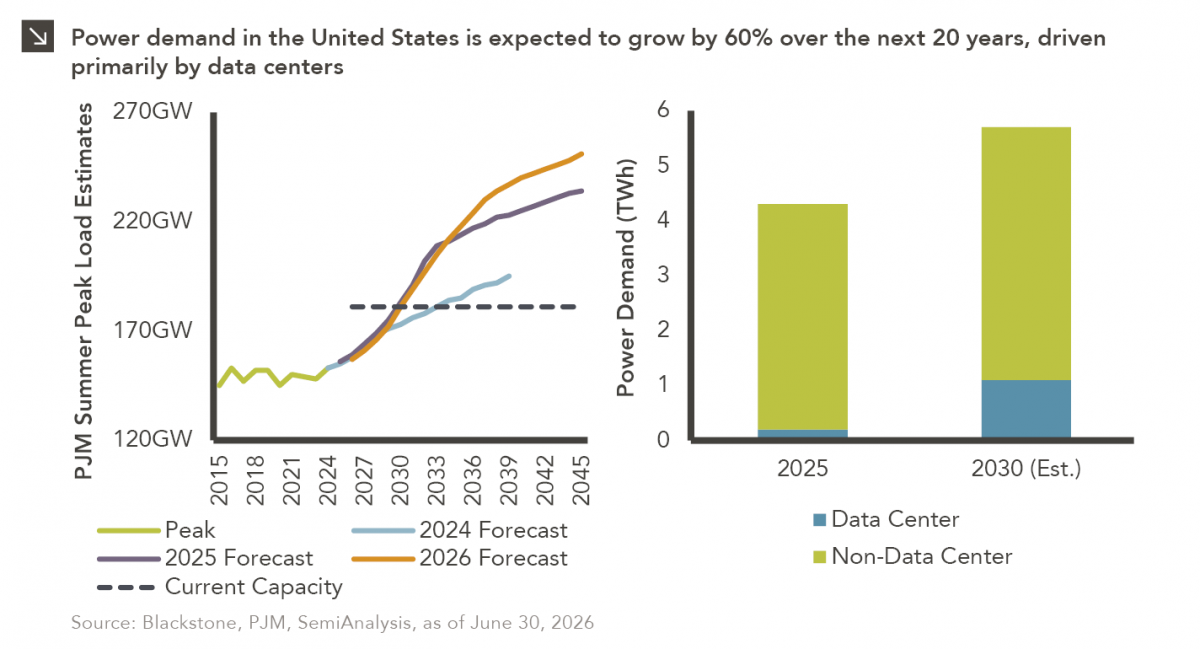
This week’s chart highlights the accelerating growth of electricity demand in the U.S., which has been driven primarily by the…

10.08.2026
LIVE WEBINAR — OCTOBER 22 Please join Marquette’s research team for our 3Q 2026 Market Insights Webinar…
10.05.2026
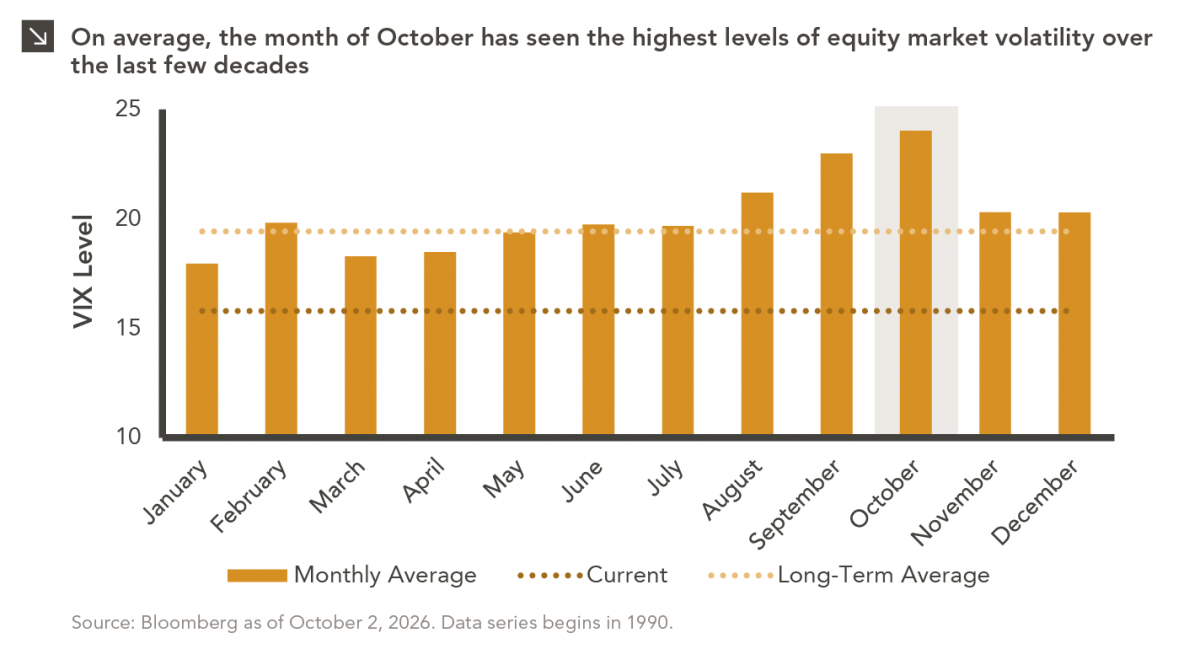
For investors, the spookiest thing about October might not be the ghosts and monsters that are bound to show up…
09.28.2026
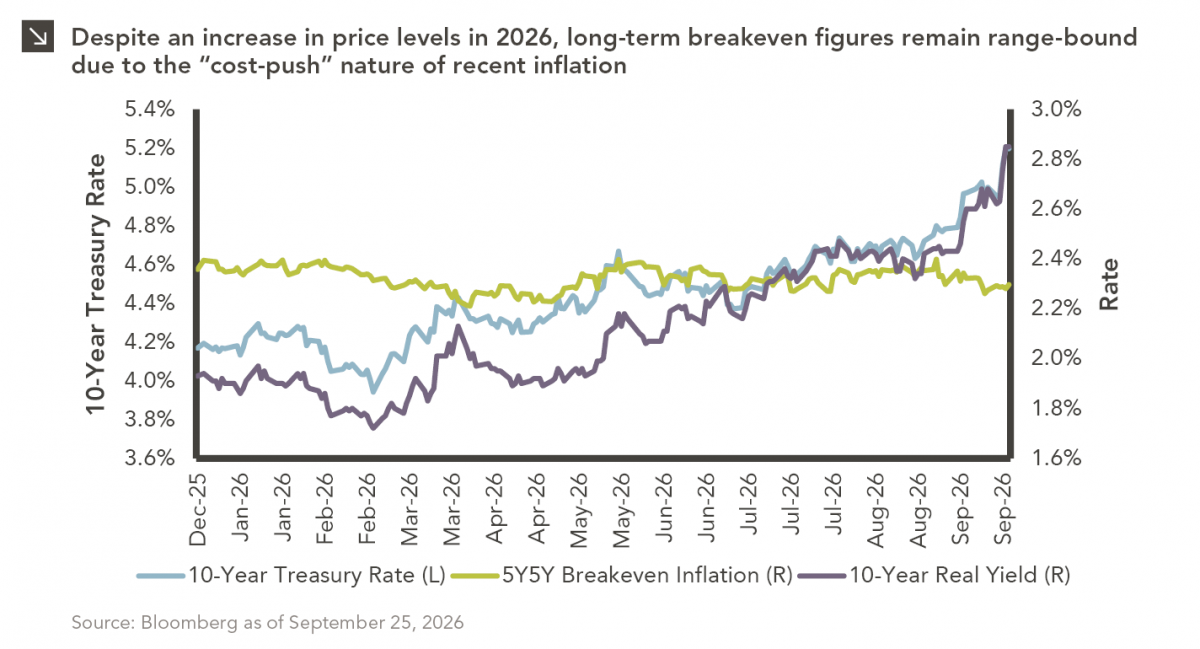
The phrase “expectations of higher inflation” has become a staple in financial news to explain the increase in nominal U.S….
09.21.2026
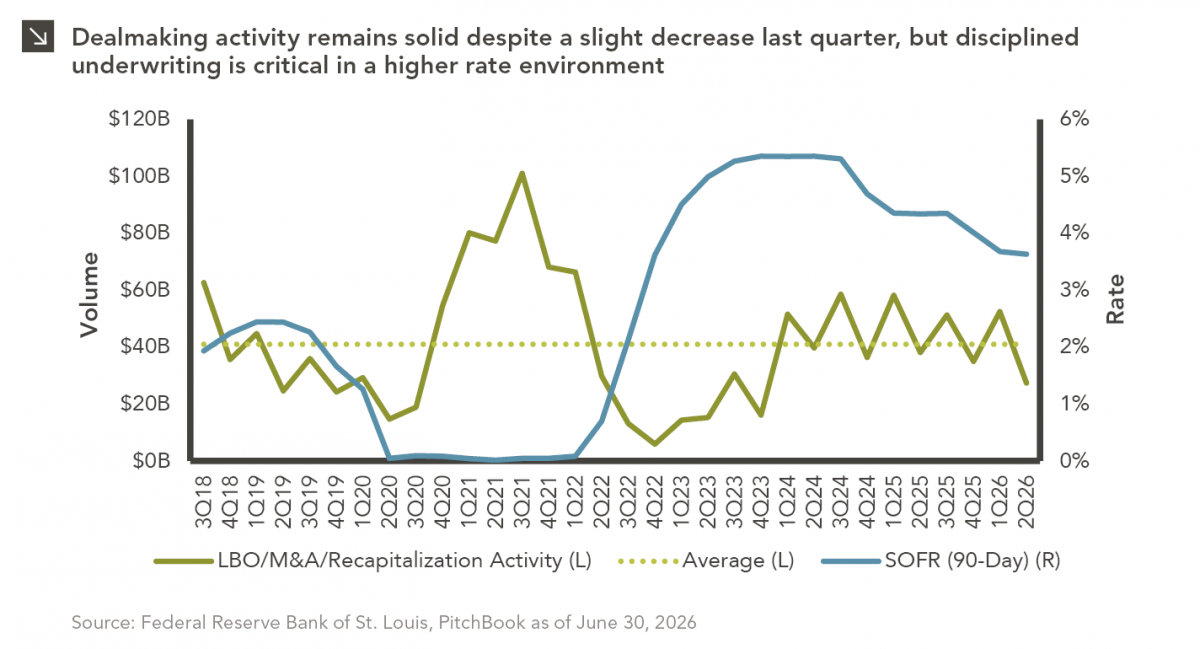
For much of the past several years, the conventional view has been that higher interest rates and stretched valuations would…
09.14.2026
There are many great things about working at Marquette Associates, but “Free Lunch Tuesday” is right at the top of…
Research alerts keep you updated on our latest research publications. Simply enter your contact information, choose the research alerts you would like to receive and click Subscribe. Alerts will be sent as research is published.
We respect your privacy. We will never share or sell your information.
If you have questions or need further information, please contact us directly and we will respond to your inquiry within 24 hours.
Contact Us >