Hayley McCollum
Senior Research Analyst


A driving force for most investors seeking to add a private equity allocation to their portfolios is the strong performance that the asset class has consistently generated over time. Since 2009, the total number of global private equity investors has more than tripled, growing to nearly 10,000 global investors at the end of 2020. The asset class has historically experienced a 5%-15% increase in the number of new investors on an annual basis, however the growth of new private equity investors has been 10%-15% in recent years. We believe these growth figures will remain elevated due to continued strong demand, which is largely driven by return targets, strong equity markets, and portfolios that have become larger and better able to accept illiquid private market allocations.
As more investors enter into the private equity space, it will likely become more difficult to access top performing managers due to fund size capacity constraints and the deeply established relationships that formed between early investors and these managers as they grew their platforms. Investors who are unable to gain exposure to the funds of established managers will need to seek out emerging managers for allocations. While these emerging managers have historically provided a higher median return due to strong incentive alignments and smaller fund sizes, they have come with a much wider range of performance outcomes. New and existing investors are likely to require guidance as difficult choices will need to be made when it comes to either constructing a new private equity program or refining an established program. To that point, difficult selections must be made as many managers are both returning to the market more quickly than they have in the past and raising larger funds with capital deployment outside their historical focus.
All of this being said, investors should not be deterred from exploring the value of an allocation to the private equity space given the benefits the asset class provides, including diversification and the potential for strong absolute returns. While the private equity investor universe is mostly comprised of larger, institutional investors like pension plans, endowments, and foundations, high-net-worth individuals and families have increasingly made allocations to private equity investments in recent years. We would encourage clients with sizeable asset levels, the ability to build diversified programs, and appropriate tolerances for the illiquidity associated with these types of investments to consider adding an allocation to private equity within their portfolios in a prudent and thoughtful manner.
Print PDF > The More the Merrier

The opinions expressed herein are those of Marquette Associates, Inc. (“Marquette”), and are subject to change without notice. This material is not financial advice or an offer to purchase or sell any product. Marquette reserves the right to modify its current investment strategies and techniques based on changing market dynamics or client needs.
10.05.2026
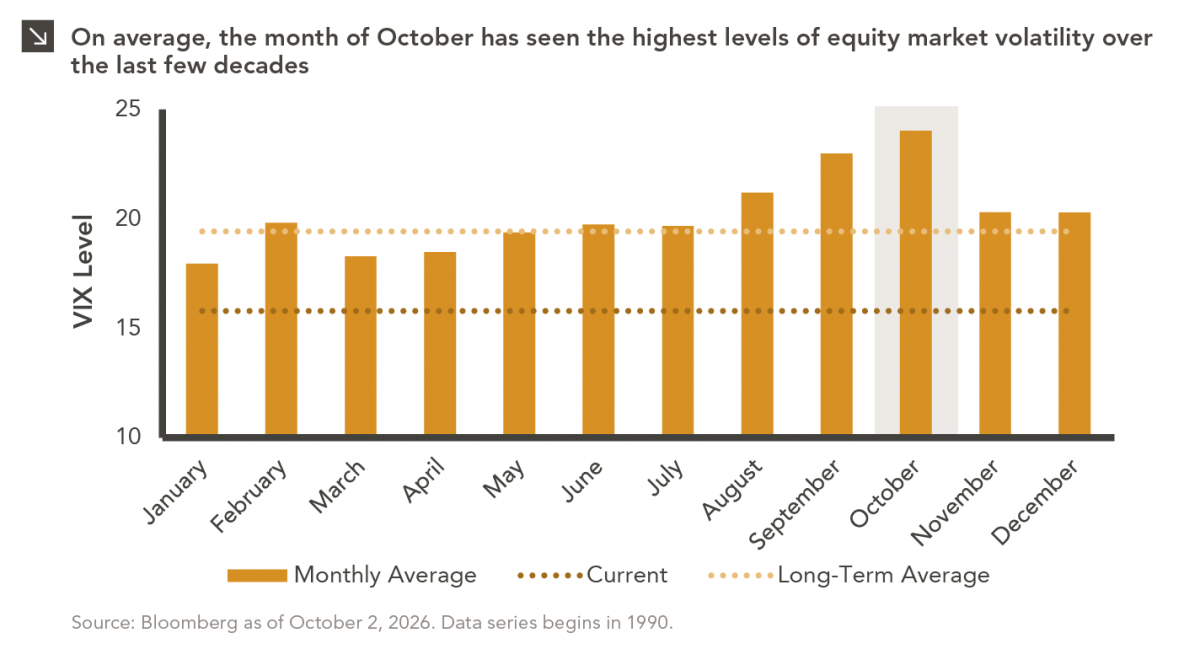
For investors, the spookiest thing about October might not be the ghosts and monsters that are bound to show up…
09.28.2026
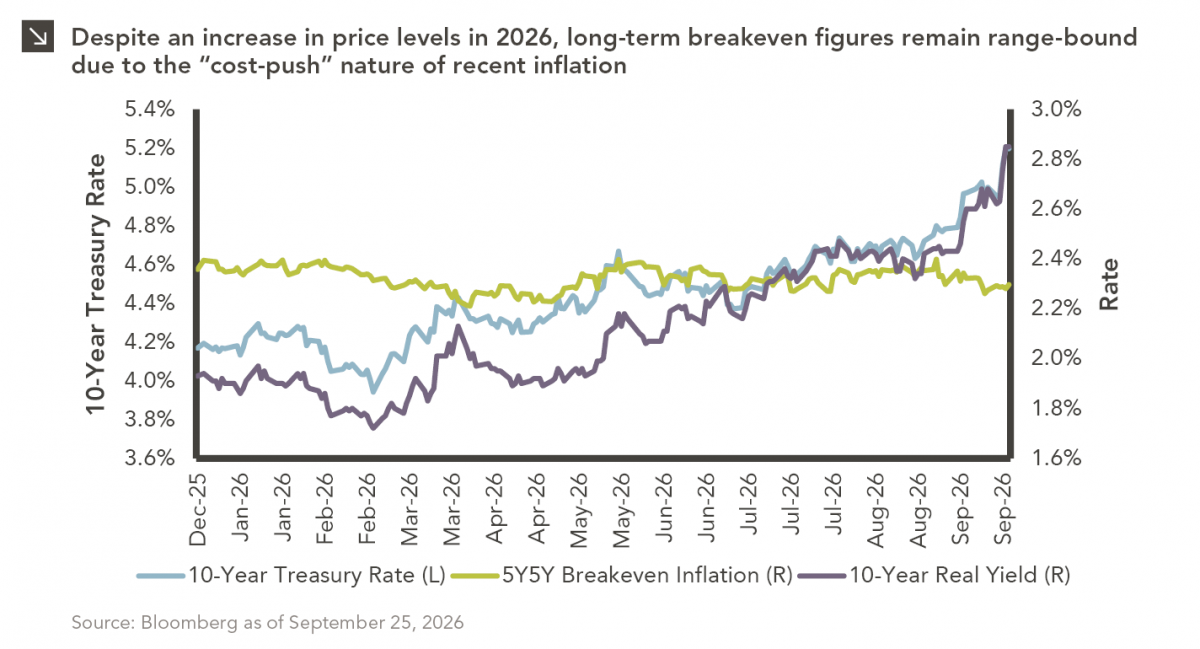
The phrase “expectations of higher inflation” has become a staple in financial news to explain the increase in nominal U.S….
09.21.2026
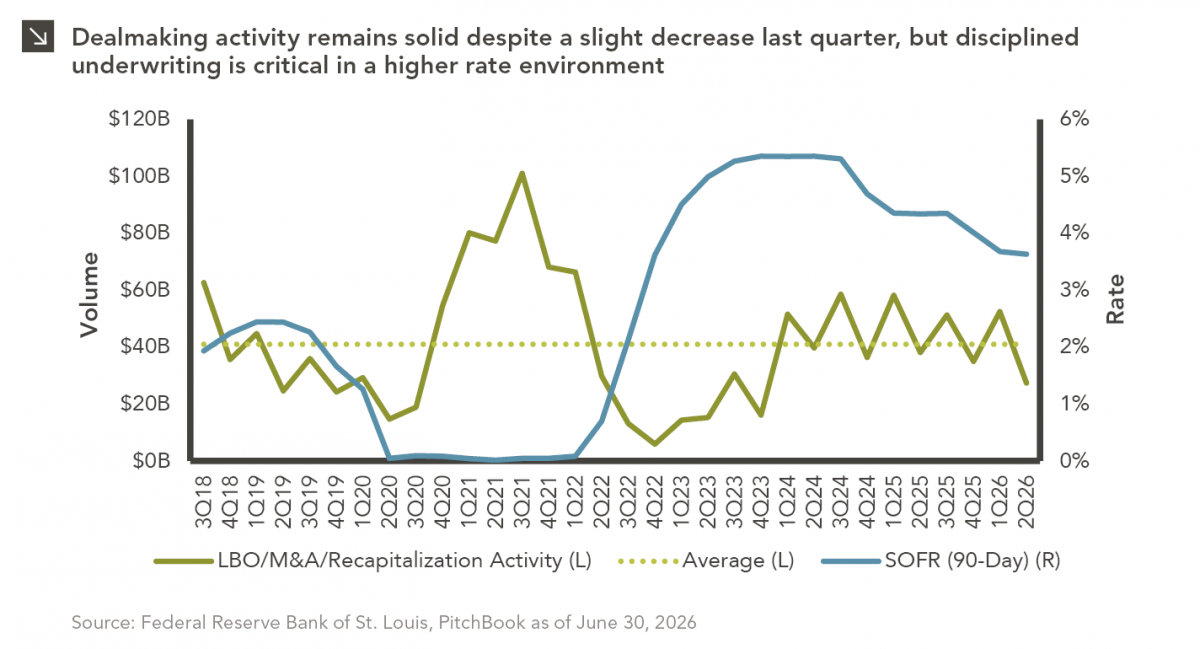
For much of the past several years, the conventional view has been that higher interest rates and stretched valuations would…

09.15.2026
Over the past decade, continuation vehicles (“CV”) have become one of the fastest-growing trends in private equity. Private equity funds…
09.14.2026
There are many great things about working at Marquette Associates, but “Free Lunch Tuesday” is right at the top of…
09.08.2026
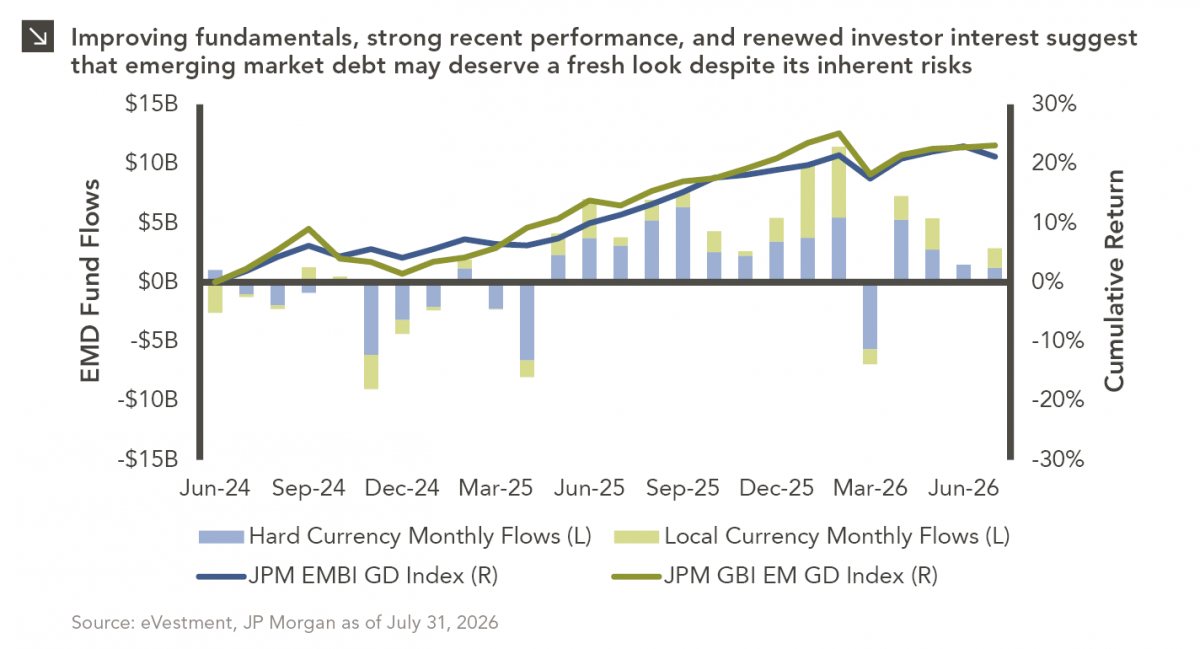
Over the last several years, emerging market debt (EMD) has faced several headwinds, with rising yields across other fixed income…
Research alerts keep you updated on our latest research publications. Simply enter your contact information, choose the research alerts you would like to receive and click Subscribe. Alerts will be sent as research is published.
We respect your privacy. We will never share or sell your information.
If you have questions or need further information, please contact us directly and we will respond to your inquiry within 24 hours.
Contact Us >