10.22.2026
Will Higher Rates Cramp the Markets?
Anyone who has run a marathon knows the last six miles are brutal — no matter how well the first…


One of the biggest challenges investors face today is navigating the current equity environment as valuations are well above their historical averages. The P/E ratio for the S&P 500 climbed over 45% during the past five years resulting in several new all-time high index levels. Given the length of the current bull market many have begun to prepare for a correction over the past few years, yet we are still waiting.
In early 2016 equity markets appeared to be in trouble as earnings repeatedly disappointed. Instead, stocks ultimately rallied with Trump’s pro-growth agenda, as investors anticipated increases in infrastructure spending and lower taxes. But with the failure to pass any major legislation so far, it seemed these gains were in danger of being wiped out. However, this time it was earnings to the rescue, as they climbed more than 10% over the trailing 12 months. This allowed stocks to rise even higher while stabilizing valuations.
While earnings are unlikely to continue growing at this pace, during 2013 and 2014 they did average a more reasonable 6.5%. If earnings can maintain that level once again markets may be able to postpone a correction and further sustain the current bull market. Should they fall, however, there may not be other factors to support valuation levels and hold off significant losses.
The opinions expressed herein are those of Marquette Associates, Inc. (“Marquette”), and are subject to change without notice. This material is not financial advice or an offer to purchase or sell any product. Marquette reserves the right to modify its current investment strategies and techniques based on changing market dynamics or client needs.

10.22.2026
Anyone who has run a marathon knows the last six miles are brutal — no matter how well the first…
10.19.2026
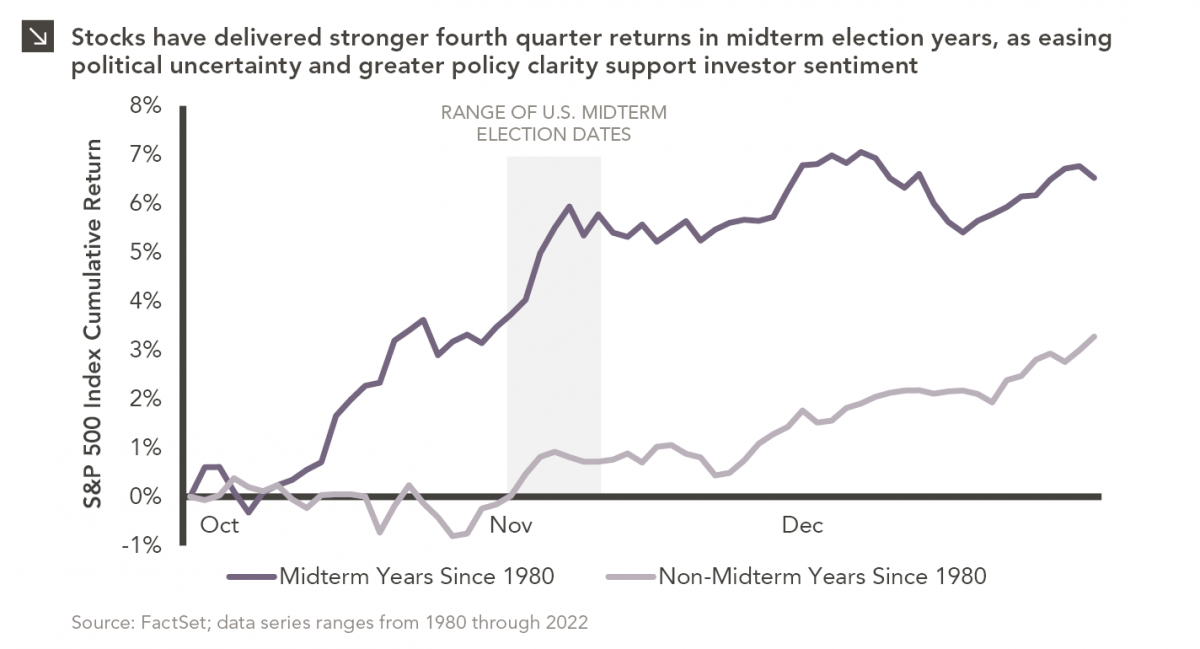
Since 1980, the S&P 500 Index has generally performed well in the weeks surrounding U.S. midterm elections. Specifically, the index…
10.12.2026
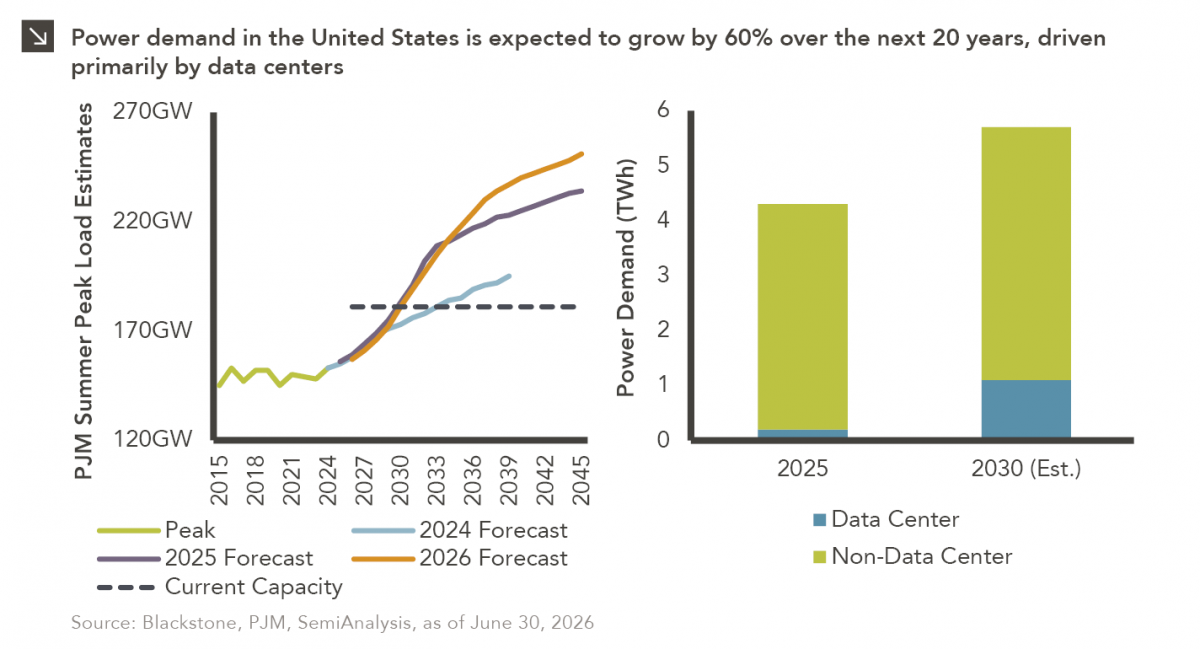
This week’s chart highlights the accelerating growth of electricity demand in the U.S., which has been driven primarily by the…

10.08.2026
LIVE WEBINAR — OCTOBER 22 Please join Marquette’s research team for our 3Q 2026 Market Insights Webinar…
10.05.2026
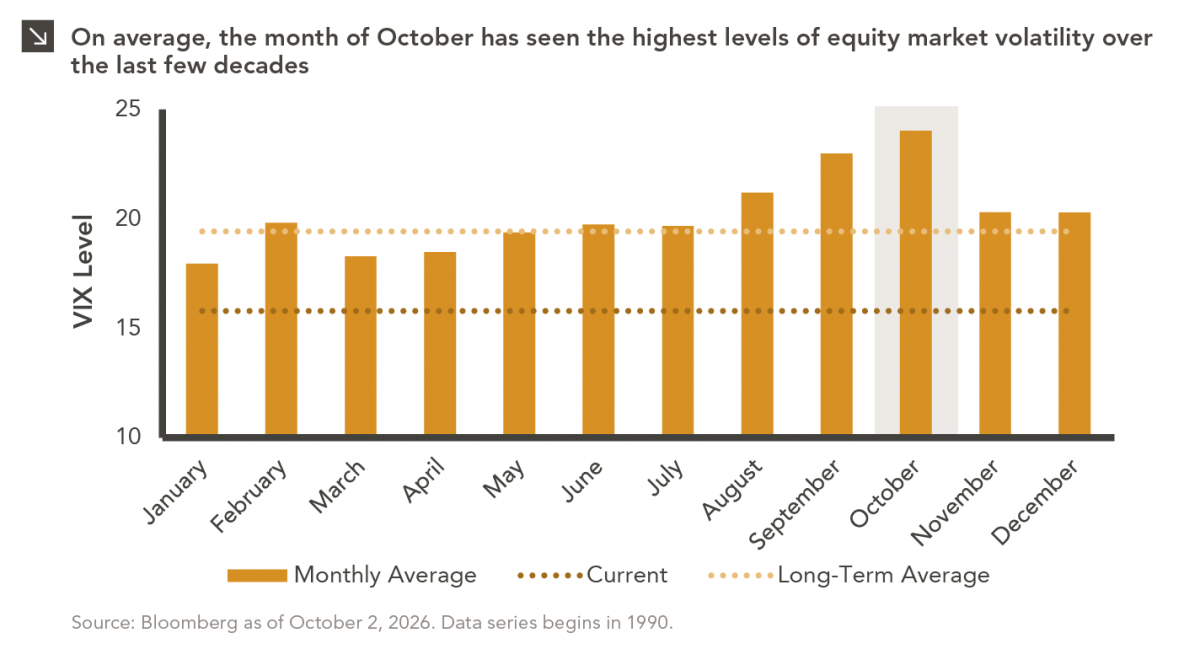
For investors, the spookiest thing about October might not be the ghosts and monsters that are bound to show up…
09.28.2026
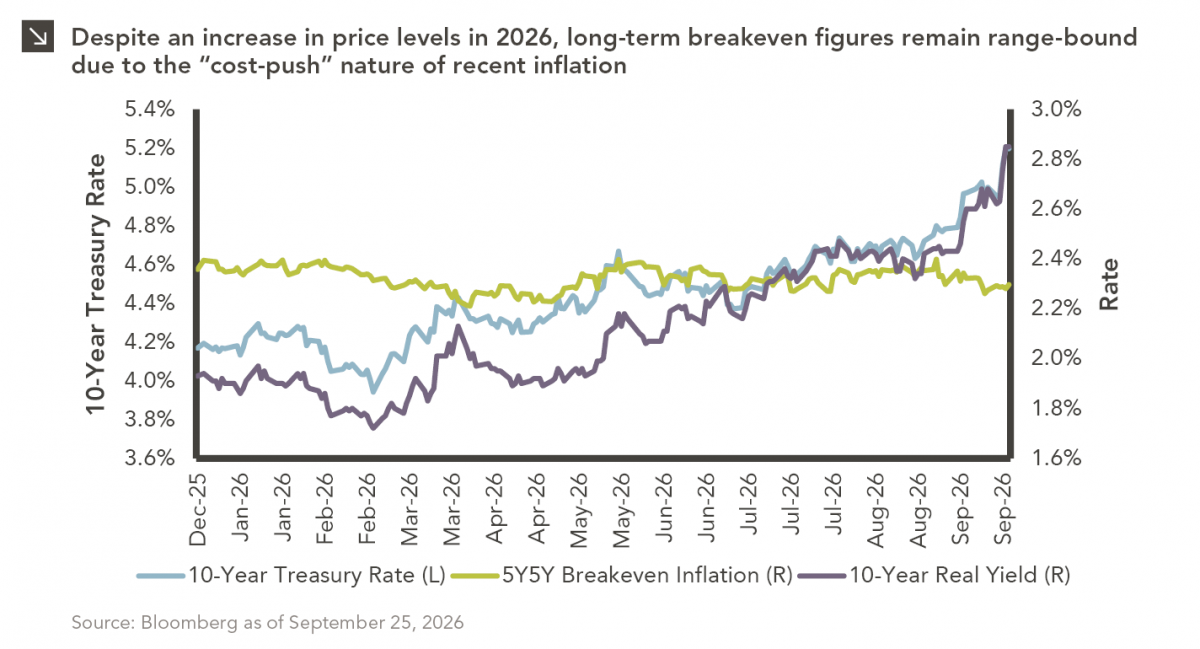
The phrase “expectations of higher inflation” has become a staple in financial news to explain the increase in nominal U.S….
Research alerts keep you updated on our latest research publications. Simply enter your contact information, choose the research alerts you would like to receive and click Subscribe. Alerts will be sent as research is published.
We respect your privacy. We will never share or sell your information.
If you have questions or need further information, please contact us directly and we will respond to your inquiry within 24 hours.
Contact Us >