10.08.2026
3Q 2026 Market Insights
This video is a recording of a live webinar held October 22 by Marquette’s research team analyzing the third quarter…


With record net inflows, compressed spreads, rising levels of corporate debt, and a dramatic increase in covenant-light loans, bank loan investors have become concerned about their investments. While there are many ways to assess future prospects for the asset class, one key indicator to examine is the amount of 2nd lien bank loans compared to the total bank loan market. 2nd lien loans outstanding as a percentage of the market is a useful gauge because it shows the level of risk investors are willing to take just to hold senior secured debt that is subordinate to 1st lien holders in the event of a bankruptcy and/or liquidation. A primary concern about the amount of 2nd lien loans is that as the market heats up and investors reach more and more for yield or, as in the case of 2007, become enamored with the illusion of safety and superior yield offered by subordinated paper, companies will issue more and more 2nd lien loans to meet that demand, as was seen throughout 2006 and 2007.
The good news is that we are not yet in such an environment. As shown in the chart above, 2nd lien bank loans outstanding as a percentage of all bank loans outstanding is currently at 3.9%, well below the peak of 6.8% reached in 2007. While it has risen from its recent trough of 2.7% in March 2013, it is still below the 10-year average of 4.5%. Although yields on bank loans have compressed over the last several years, the asset class still remains one of the most compelling fixed income investments available to institutional investors, especially relative to the much lower yields found in other sectors. Going forward, it is critical to keep a pulse on inflows, leverage, cov-lite issuance, and 2nd lien loans as a means to monitor the health of the bank loan market. However, at the present time, investors should remain in bank loans and maintain their allocations until 2nd lien loans outstanding as a portion of the whole rise well above their long-term average.
The opinions expressed herein are those of Marquette Associates, Inc. (“Marquette”), and are subject to change without notice. This material is not financial advice or an offer to purchase or sell any product. Marquette reserves the right to modify its current investment strategies and techniques based on changing market dynamics or client needs.

10.08.2026
This video is a recording of a live webinar held October 22 by Marquette’s research team analyzing the third quarter…

10.22.2026
Anyone who has run a marathon knows the last six miles are brutal — no matter how well the first…
10.19.2026
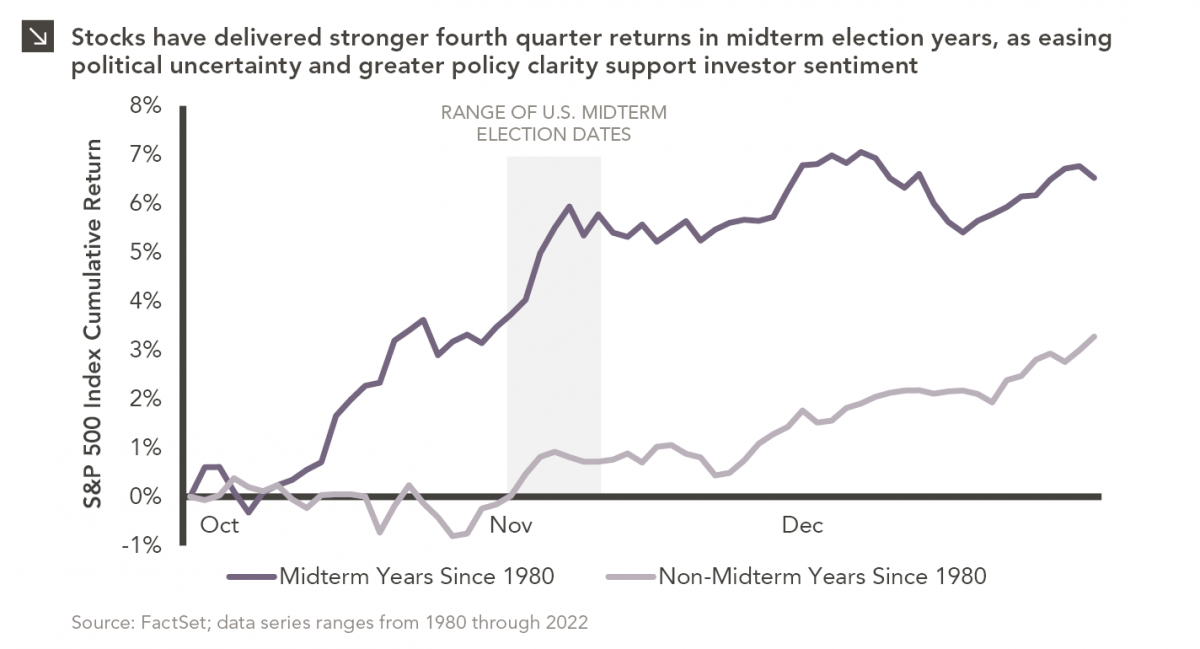
Since 1980, the S&P 500 Index has generally performed well in the weeks surrounding U.S. midterm elections. Specifically, the index…
10.12.2026
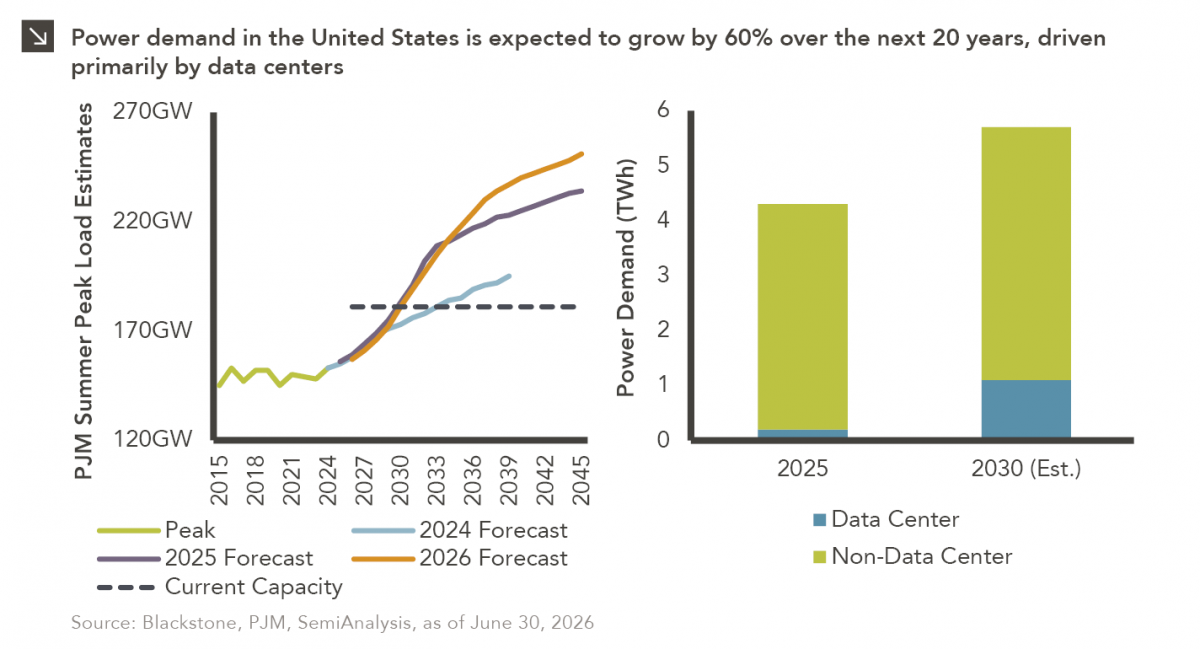
This week’s chart highlights the accelerating growth of electricity demand in the U.S., which has been driven primarily by the…
10.05.2026
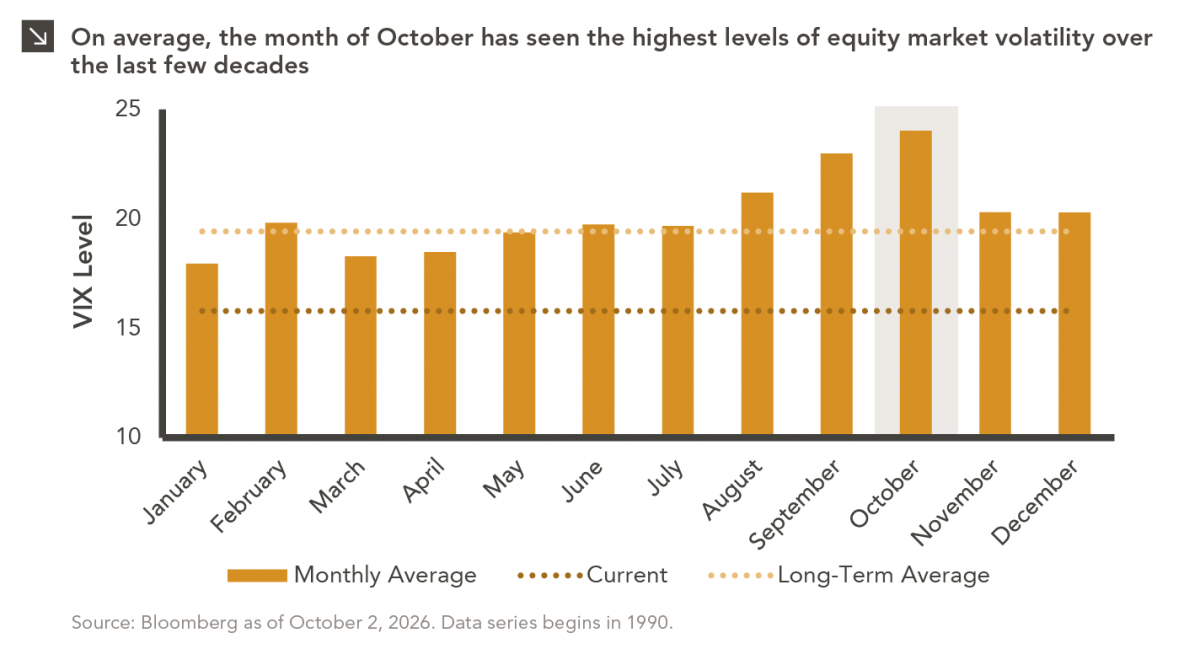
For investors, the spookiest thing about October might not be the ghosts and monsters that are bound to show up…
09.28.2026
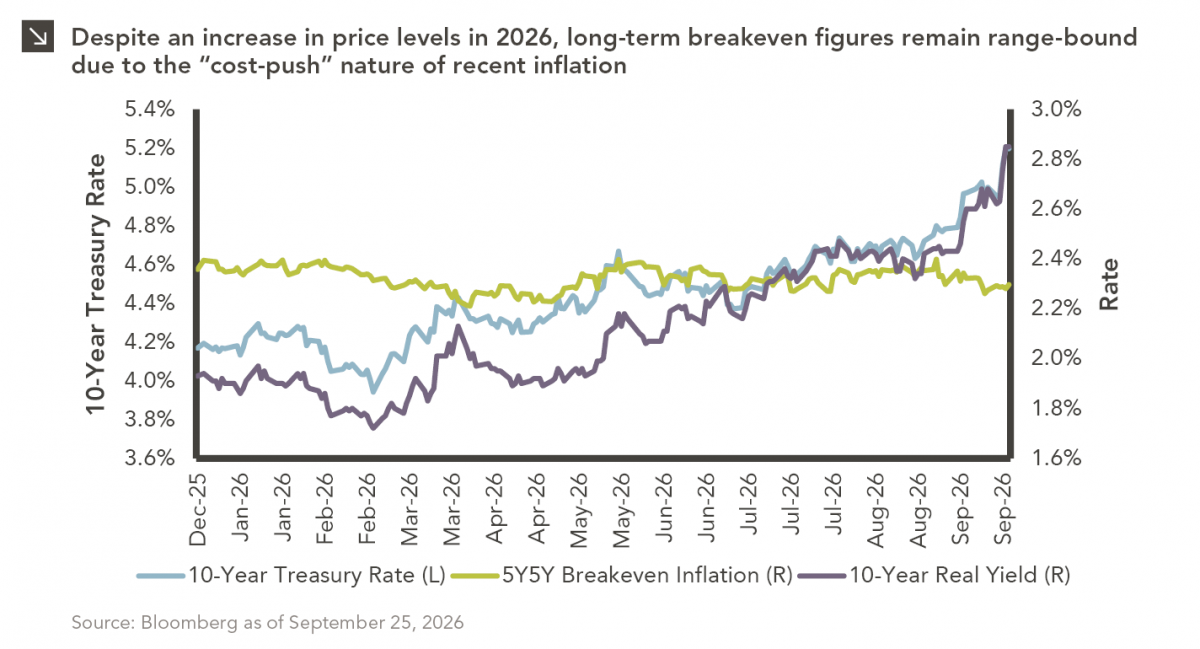
The phrase “expectations of higher inflation” has become a staple in financial news to explain the increase in nominal U.S….
Research alerts keep you updated on our latest research publications. Simply enter your contact information, choose the research alerts you would like to receive and click Subscribe. Alerts will be sent as research is published.
We respect your privacy. We will never share or sell your information.
If you have questions or need further information, please contact us directly and we will respond to your inquiry within 24 hours.
Contact Us >