10.08.2026
3Q 2026 Market Insights
This video is a recording of a live webinar held October 22 by Marquette’s research team analyzing the third quarter…


Through the first seven months of 2015, growth stocks have far outpaced their value brethren in the U.S. equity market. While the theme has played out across all size sectors of the market, this trend has been most obvious for small-cap stocks. The Russell 2000 Growth index has returned 9.18% while the Russell 2000 Value index has dropped 2%. Given this disparity, it is worth examining whether now is an appropriate time to re-allocate to small-cap value stocks, since their recent struggles have driven prices lower. To help answer this question, we turn to a comparison of the current index price versus its 200-day average, a common valuation metric used to measure the relative value of a particular stock or index versus a longer-term average. As shown in the chart, the index dipped below its 200-day trading average in July and is now trading at a discount relative to its historic values.
From the broader perspective of portfolio construction, small-cap value stocks have historically offered upside potential and outperformance versus other style and size sectors in the U.S. equity market. In addition, since smaller companies’ operations tend to be more domestically focused, they could potentially provide a sanctuary from the rough geopolitical turmoil that is occurring in Europe and Asia. On a related note, the potential drag from a stronger U.S. Dollar would also be muted due to small-cap companies’ limited international exposure. Given the long-term benefits of small-cap value stocks along with the current valuation of the index, now may be an attractive opportunity to either rebalance or create exposure to the asset class.
The opinions expressed herein are those of Marquette Associates, Inc. (“Marquette”), and are subject to change without notice. This material is not financial advice or an offer to purchase or sell any product. Marquette reserves the right to modify its current investment strategies and techniques based on changing market dynamics or client needs.

10.08.2026
This video is a recording of a live webinar held October 22 by Marquette’s research team analyzing the third quarter…

10.22.2026
Anyone who has run a marathon knows the last six miles are brutal — no matter how well the first…
10.19.2026
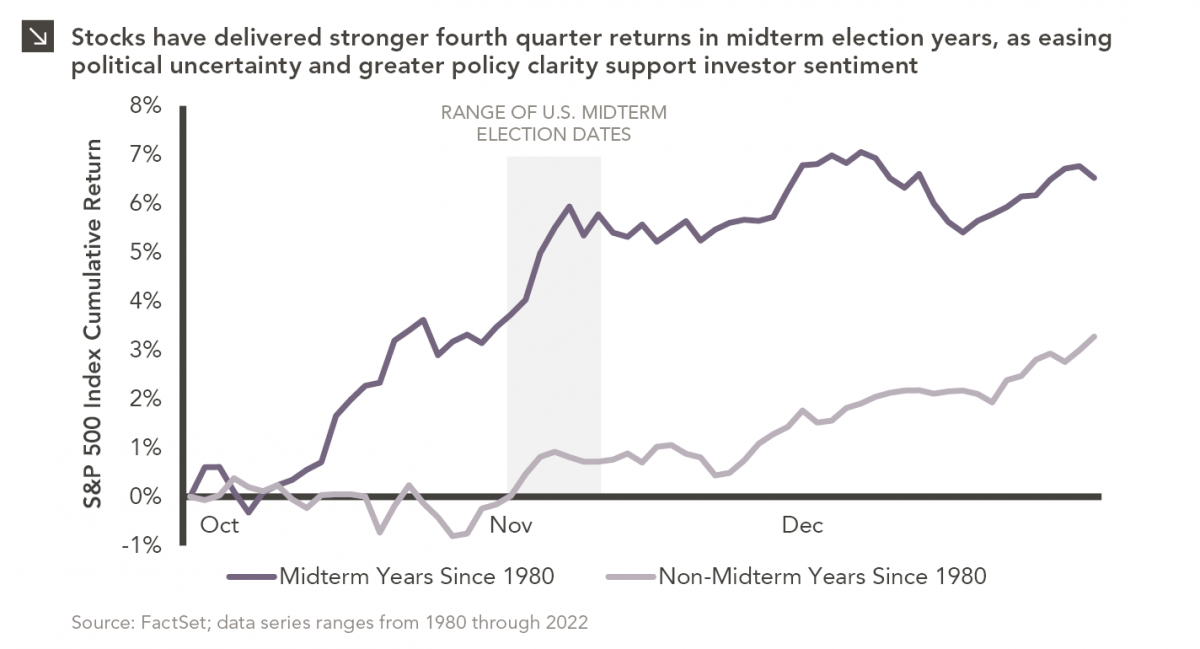
Since 1980, the S&P 500 Index has generally performed well in the weeks surrounding U.S. midterm elections. Specifically, the index…
10.12.2026
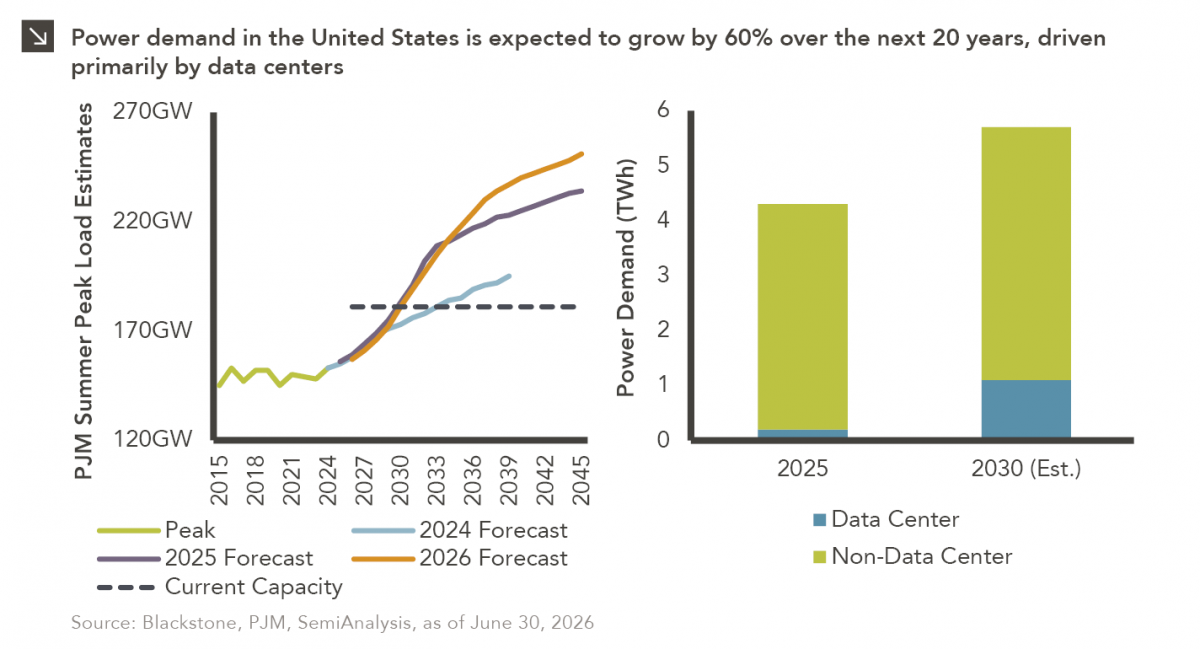
This week’s chart highlights the accelerating growth of electricity demand in the U.S., which has been driven primarily by the…
10.05.2026
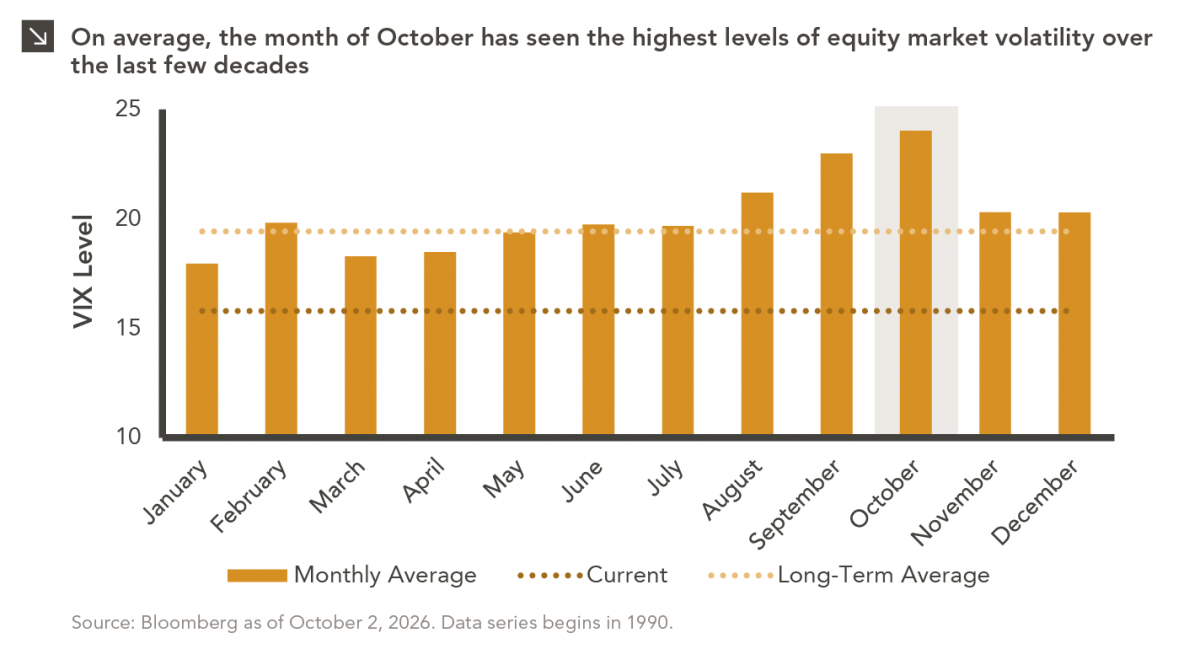
For investors, the spookiest thing about October might not be the ghosts and monsters that are bound to show up…
09.28.2026
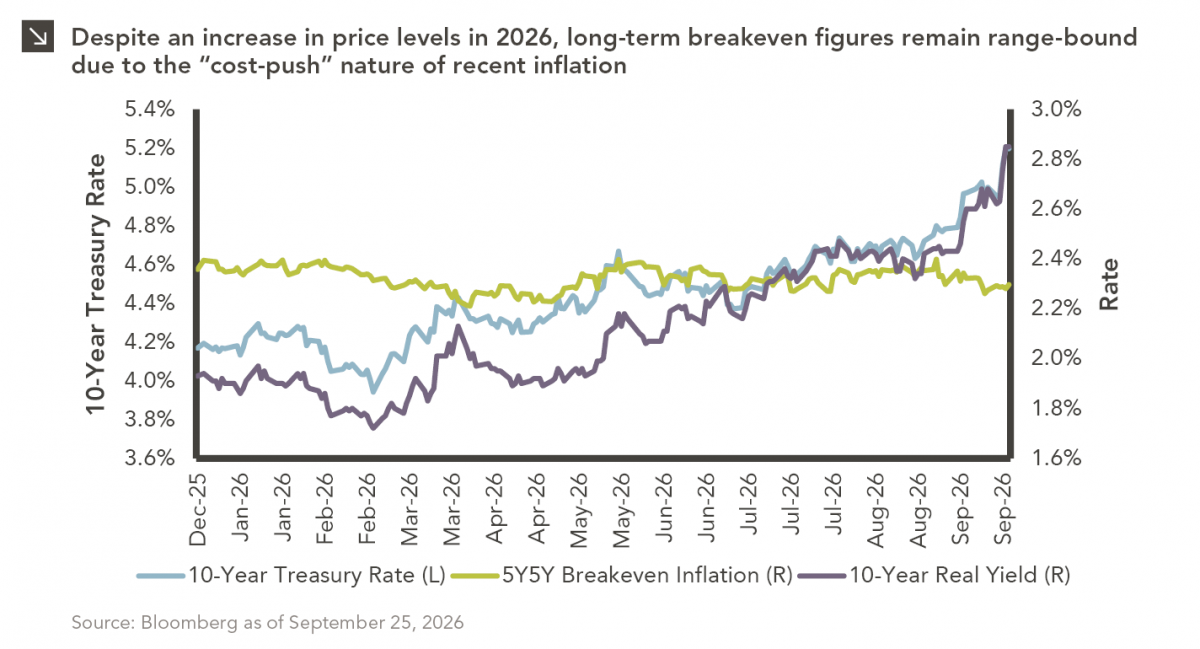
The phrase “expectations of higher inflation” has become a staple in financial news to explain the increase in nominal U.S….
Research alerts keep you updated on our latest research publications. Simply enter your contact information, choose the research alerts you would like to receive and click Subscribe. Alerts will be sent as research is published.
We respect your privacy. We will never share or sell your information.
If you have questions or need further information, please contact us directly and we will respond to your inquiry within 24 hours.
Contact Us >