Greg Leonberger, FSA, EA, MAAA, FCA
Partner, Director of Research


As winter takes hold in the northern hemisphere, there are those that choose to escape to warmer climates and those that embrace the season and choose the mountains. Anyone familiar with downhill skiing knows that every ski trail is marked with a shape and color to designate its difficulty. For those unfamiliar with these ratings, the North American system looks like this:

Of course, weather and trail conditions can also impact a trail’s difficulty and must be accounted for when turning down the mountain: environment and terrain matter. Similarly, investment prognostications must recognize the current setting. By now, the environment is all too well known: high inflation, aggressive Fed policy, Russia–Ukraine war, labor supply shortages, and a potential recession. These topics have been covered extensively in recent letters and continue to loom over markets as we start 2023. At a high level, general consensus is that the majority of rate hikes from the Fed are behind us (two are expected for 2023 at time of writing), and inflation will continue to normalize in 2023, thus further supporting the thesis of fewer rates hikes from the Fed over the next year. If a recession comes to fruition, expectations are for it to be short-lived and shallow which reduces the long-term threat to markets.
With this backdrop in mind, we turn our attention to an asset class by asset class outlook for the coming year, assessing the degree of difficulty for each to deliver positive returns in 2023. In some cases, the difficulty will change as the year goes on — similar to trails that are “Most Difficult” for the first half and become more palatable as the journey goes on…which brings to mind a certain trail in Utah that the author found himself on last year that literally had him over his skis…but I digress. Tighten your boots and click into those skis!
Read > Trail Guide to 2023 Asset Class Performance
Download > 2023 Market Preview Report with 100+ additional charts and data, organized by asset class
Watch > 2023 Market Preview Video recording of our research team’s live webinar analyzing last year’s performance as well as trends, themes, opportunities, and risks to watch for in 2023

The opinions expressed herein are those of Marquette Associates, Inc. (“Marquette”), and are subject to change without notice. This material is not financial advice or an offer to purchase or sell any product. Marquette reserves the right to modify its current investment strategies and techniques based on changing market dynamics or client needs.
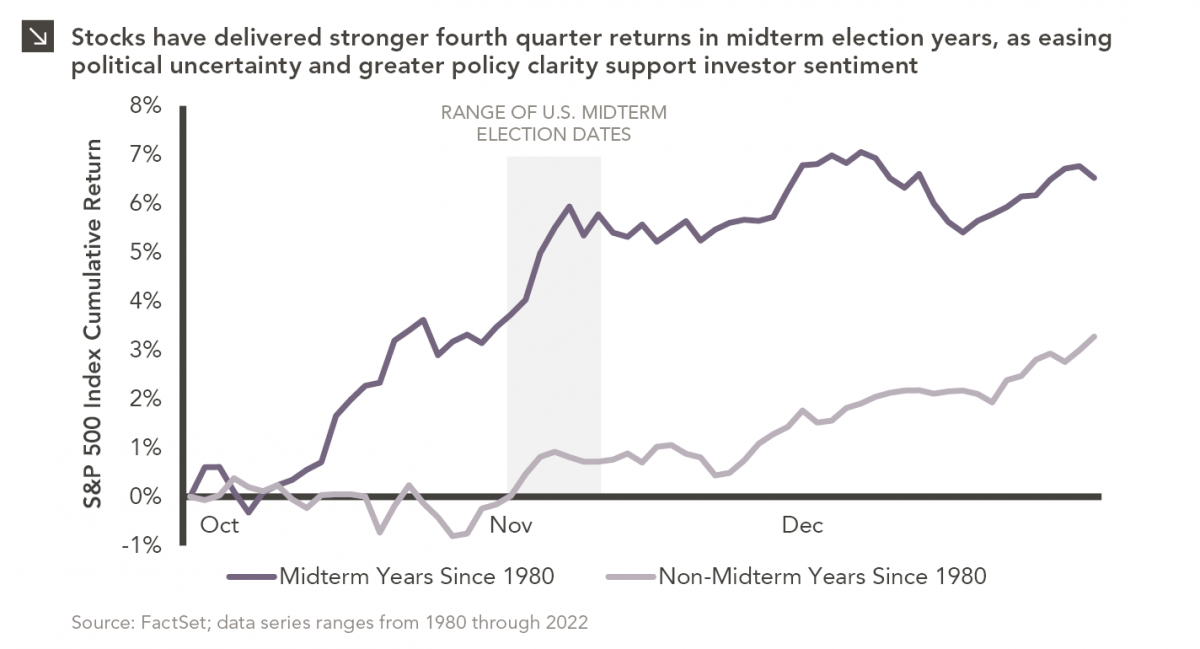
10.19.2026
Since 1980, the S&P 500 Index has generally performed well in the weeks surrounding U.S. midterm elections. Specifically, the index…

10.08.2026
LIVE WEBINAR — OCTOBER 22 Please join Marquette’s research team for our 3Q 2026 Market Insights Webinar…
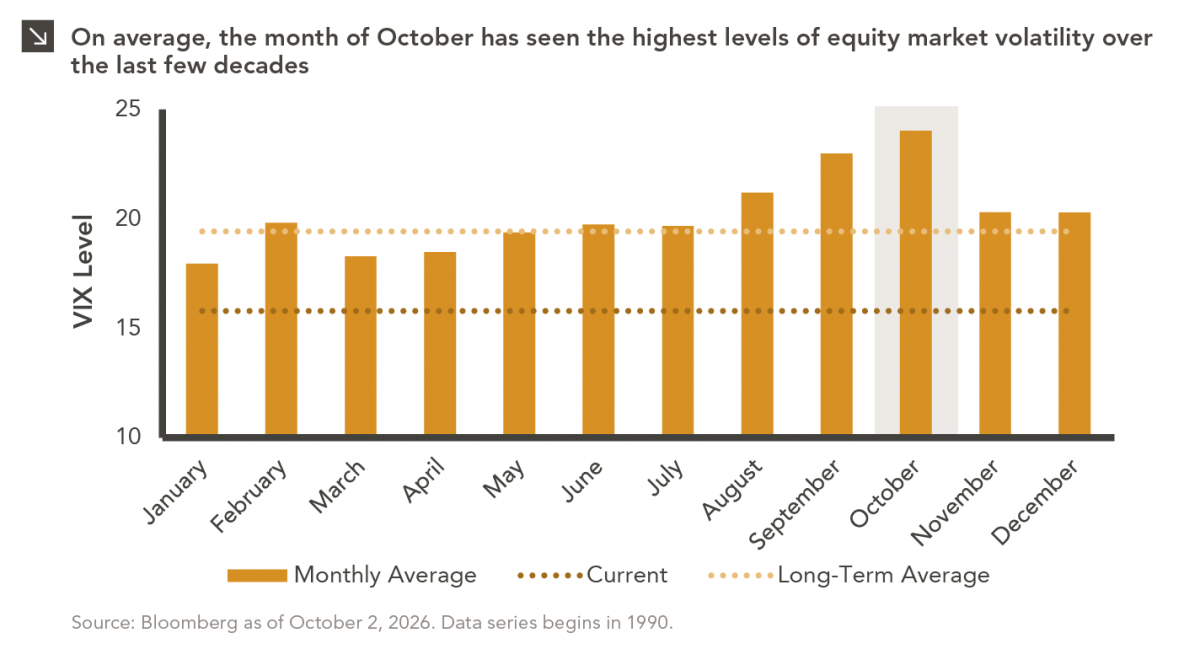
10.05.2026
For investors, the spookiest thing about October might not be the ghosts and monsters that are bound to show up…
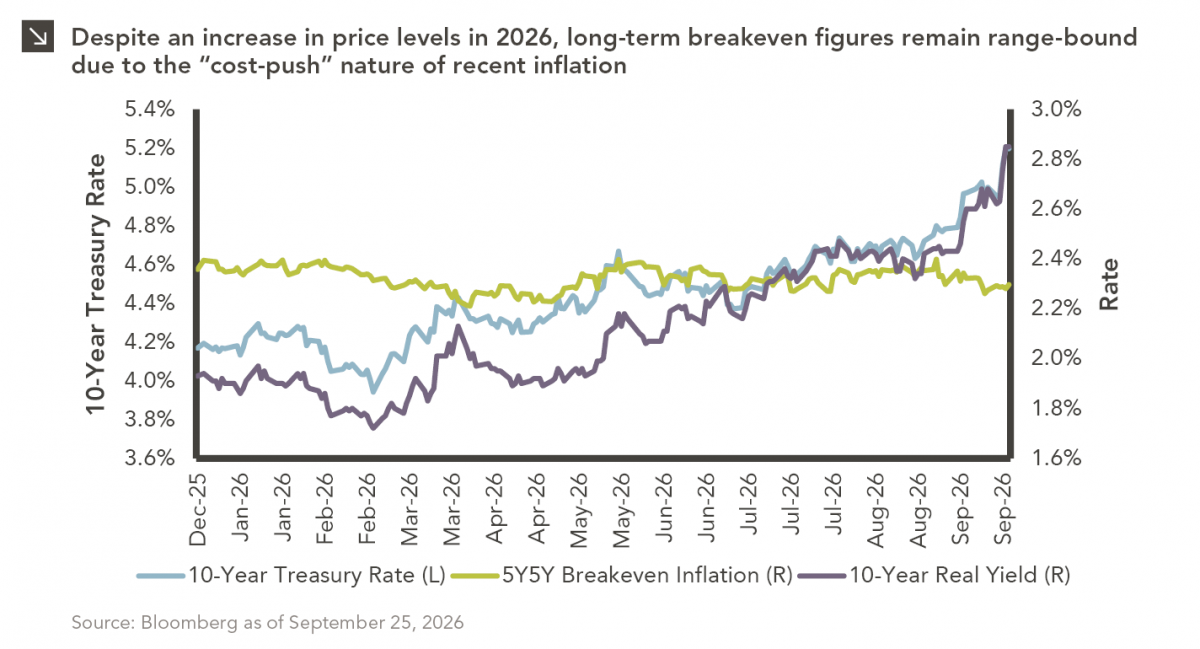
09.28.2026
The phrase “expectations of higher inflation” has become a staple in financial news to explain the increase in nominal U.S….
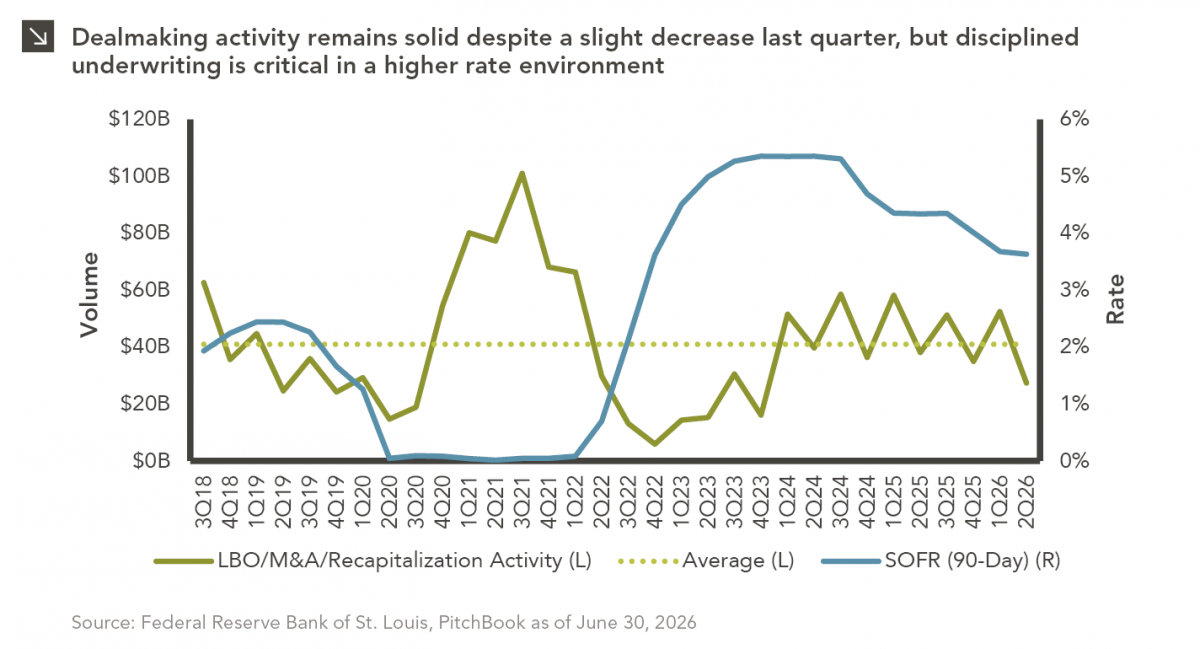
09.21.2026
For much of the past several years, the conventional view has been that higher interest rates and stretched valuations would…
09.15.2026
Over the past decade, continuation vehicles (“CV”) have become one of the fastest-growing trends in private equity. Private equity funds…
Research alerts keep you updated on our latest research publications. Simply enter your contact information, choose the research alerts you would like to receive and click Subscribe. Alerts will be sent as research is published.
We respect your privacy. We will never share or sell your information.
If you have questions or need further information, please contact us directly and we will respond to your inquiry within 24 hours.
Contact Us >