10.22.2026
Will Higher Rates Cramp the Markets?
Anyone who has run a marathon knows the last six miles are brutal — no matter how well the first…


In what has been called a landmark victory, Prime Minister Boris Johnson and the Conservatives handily defeated their Labour party opposition in the Thursday, December 12th U.K. general election, winning 364 of the 650 Parliament seats. This landslide gain locks in a Tory government majority, which should enable Johnson to fulfill his campaign pledge to “Get Brexit Done.” The win also provides the broader market with greater certainty about the direction of Brexit, as Johnson will now have the votes necessary to complete the steps needed to make the existing divorce deal law and to take Britain out of the European Union by the end of 2020.
Brexit has been a major overhang on U.K. stocks, as evidenced by the FTSE 100 being the worst performing European Index year-to-date. In this chart of the week, we show the London stock market response to the election results. The FTSE 100 Index rallied on both the Friday and Monday after last week’s election, up 1.1% and 2.3% respectively based on closing price. In intraday trading on Monday, December 16th, the U.K. blue-chip index surged to its highest level in four months, up nearly 2.7%. Of note, those businesses acutely impacted by the domestic U.K. economy saw a meaningful boost. British financial service firms were among the major climbers during the rally, with Hargreaves Lansdown, Barclays, and Lloyds Banking Group (shown in the chart) up over 4%.
Print PDF > U.K. Domestic Banks Spike After Tory Triumph
The opinions expressed herein are those of Marquette Associates, Inc. (“Marquette”), and are subject to change without notice. This material is not financial advice or an offer to purchase or sell any product. Marquette reserves the right to modify its current investment strategies and techniques based on changing market dynamics or client needs.

10.22.2026
Anyone who has run a marathon knows the last six miles are brutal — no matter how well the first…
10.19.2026
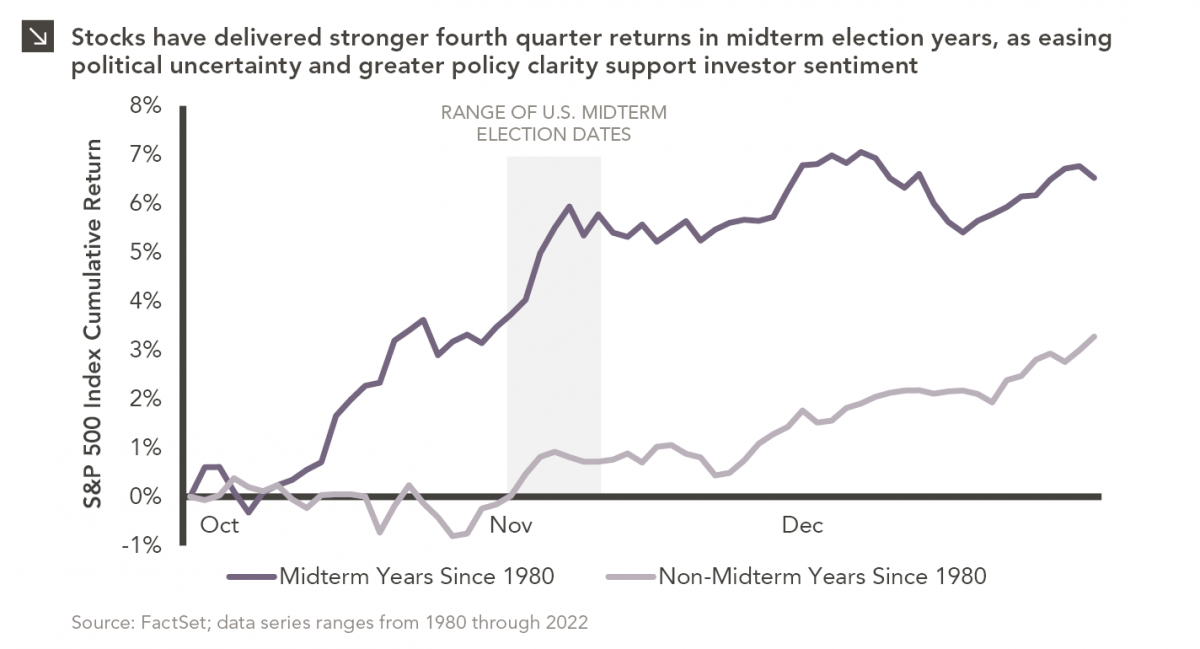
Since 1980, the S&P 500 Index has generally performed well in the weeks surrounding U.S. midterm elections. Specifically, the index…
10.12.2026
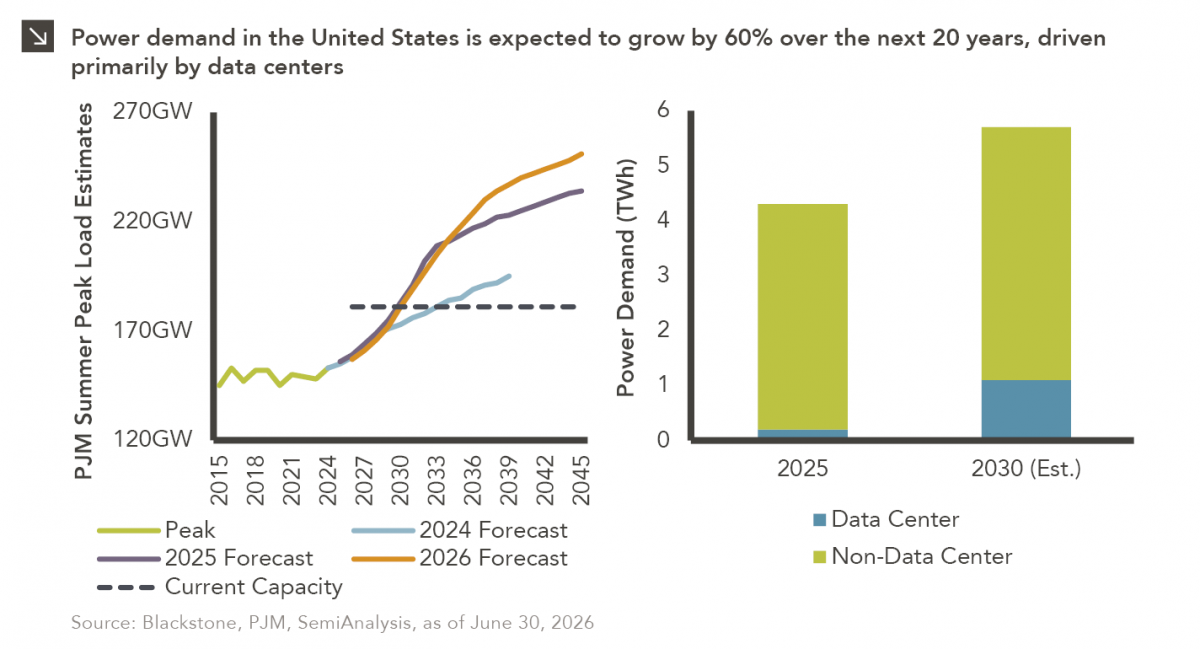
This week’s chart highlights the accelerating growth of electricity demand in the U.S., which has been driven primarily by the…

10.08.2026
LIVE WEBINAR — OCTOBER 22 Please join Marquette’s research team for our 3Q 2026 Market Insights Webinar…
10.05.2026
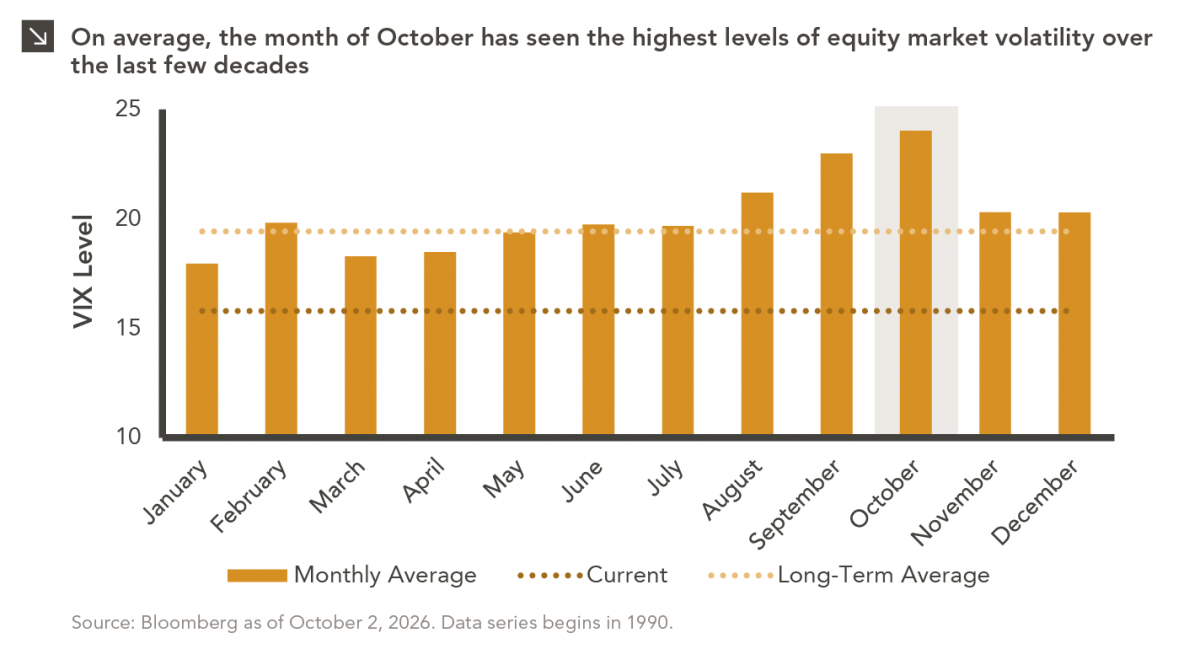
For investors, the spookiest thing about October might not be the ghosts and monsters that are bound to show up…
09.28.2026
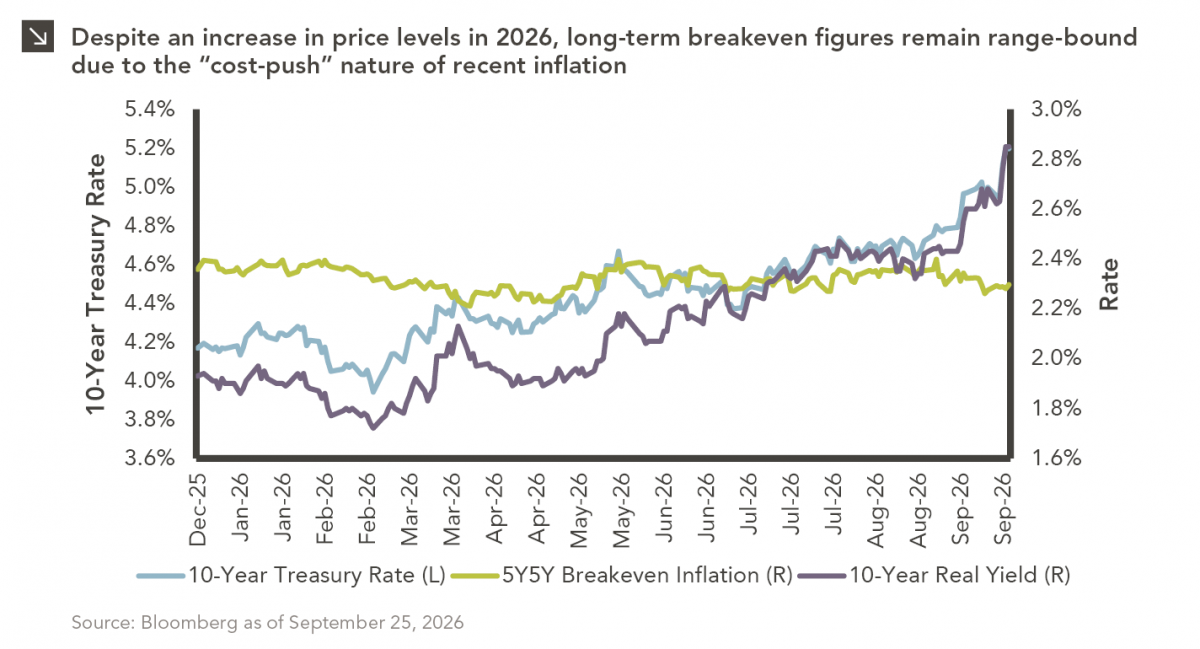
The phrase “expectations of higher inflation” has become a staple in financial news to explain the increase in nominal U.S….
Research alerts keep you updated on our latest research publications. Simply enter your contact information, choose the research alerts you would like to receive and click Subscribe. Alerts will be sent as research is published.
We respect your privacy. We will never share or sell your information.
If you have questions or need further information, please contact us directly and we will respond to your inquiry within 24 hours.
Contact Us >