Kevin Anderson, CFA
Vice President


This week’s chart chronicles monthly U.S. oil production sourced from the seven major land production zones from January 2011 to April 2017. The price of oil experienced volatility over recent years resulting from macroeconomic factors like OPEC’s pump-at-will strategy and the subsequent supply glut that forced U.S. producers to reduce output. However, following OPEC’s production cut agreement in late 2016, U.S. oil production is on the rise, supported by rig productivity gains in both new and legacy wells as well as reduced capital costs. Gains from legacy wells have been particularly significant in the Eagle Ford and Bakken Regions since 2012, while in the Permian region an almost fourfold increase in new rigs from 2015 to 2017 helped solidify the area as the dominant production region. Overall, net imports of petroleum products as a share of consumption dropped from about 49% in 2010 to about 25% in 2015, showing progress towards a more energy independent U.S.
OPEC’s production cuts and a lower global supply signal positive news for U.S. producers. Khalid Al-Falih, the newly appointed Oil Minister of Saudi Arabia, committed to lengthening the OPEC supply cut on May 7th. “I am rather confident the agreement will be extended into the second half of the year and possibly beyond,” said Al-Falih. Lower breakeven costs and reduced supply from OPEC nations could incentivize U.S. producers to further ramp up production going forward.

The opinions expressed herein are those of Marquette Associates, Inc. (“Marquette”), and are subject to change without notice. This material is not financial advice or an offer to purchase or sell any product. Marquette reserves the right to modify its current investment strategies and techniques based on changing market dynamics or client needs.
10.12.2026
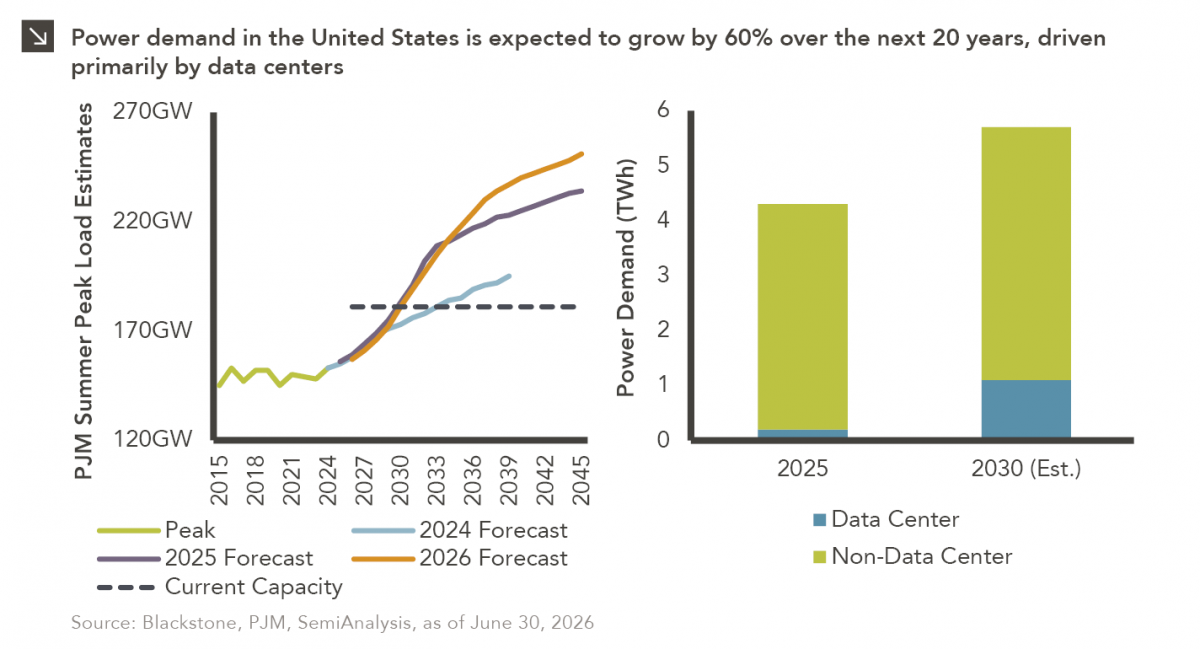
This week’s chart highlights the accelerating growth of electricity demand in the U.S., which has been driven primarily by the…
10.05.2026
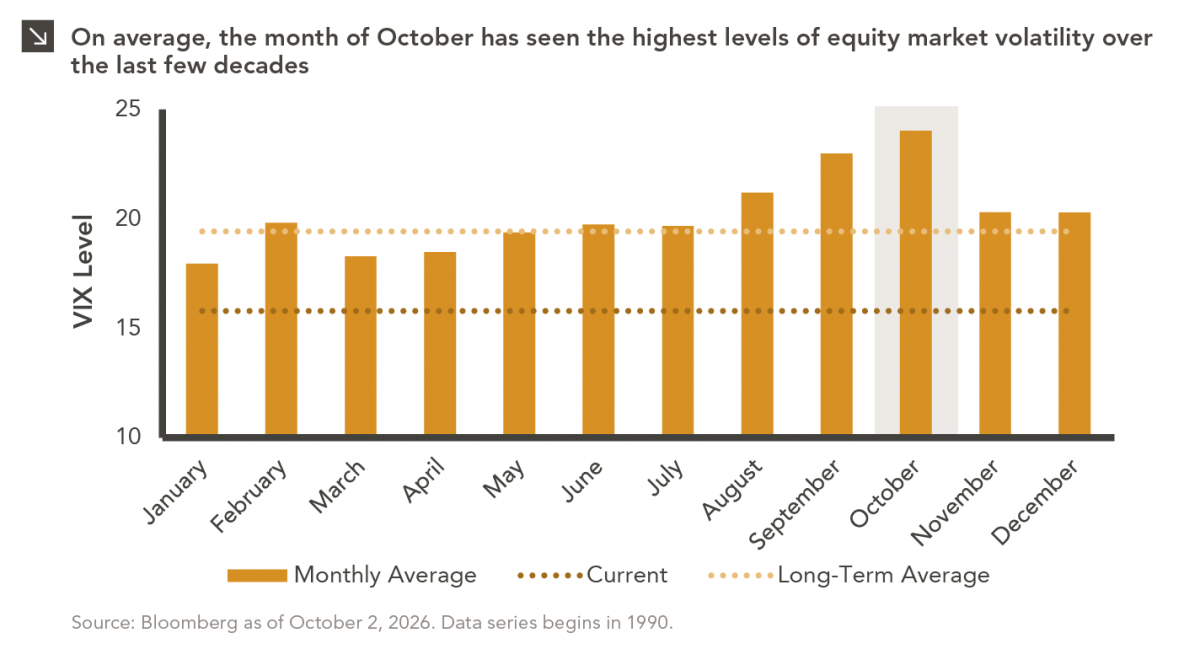
For investors, the spookiest thing about October might not be the ghosts and monsters that are bound to show up…
09.28.2026
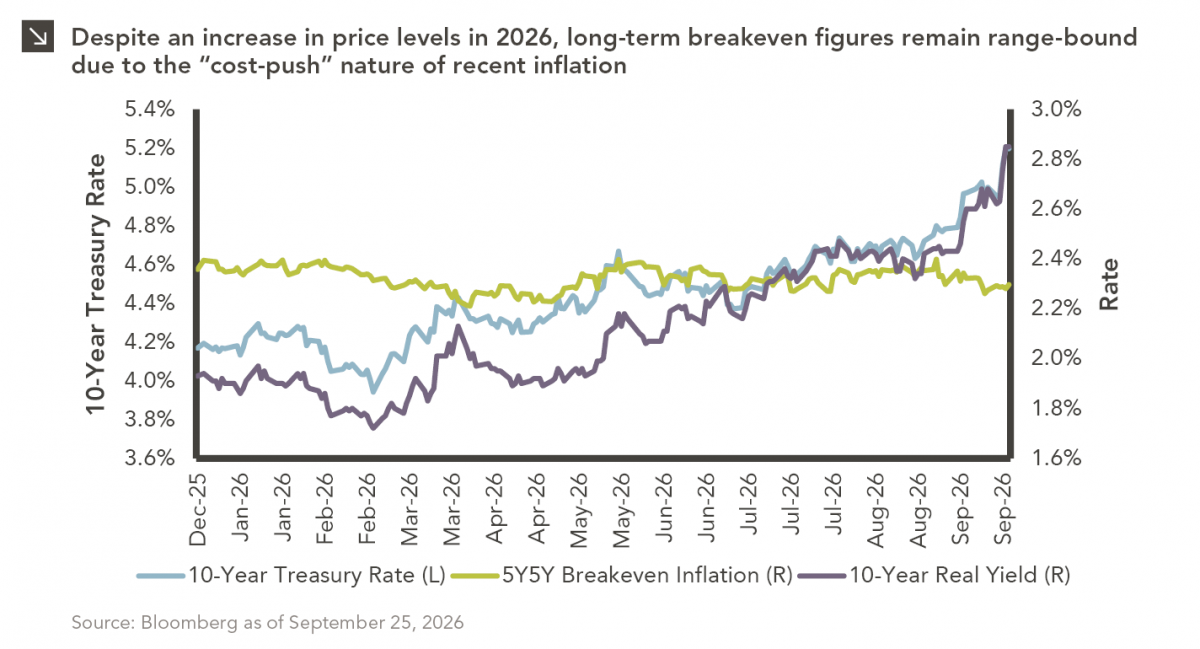
The phrase “expectations of higher inflation” has become a staple in financial news to explain the increase in nominal U.S….
09.21.2026
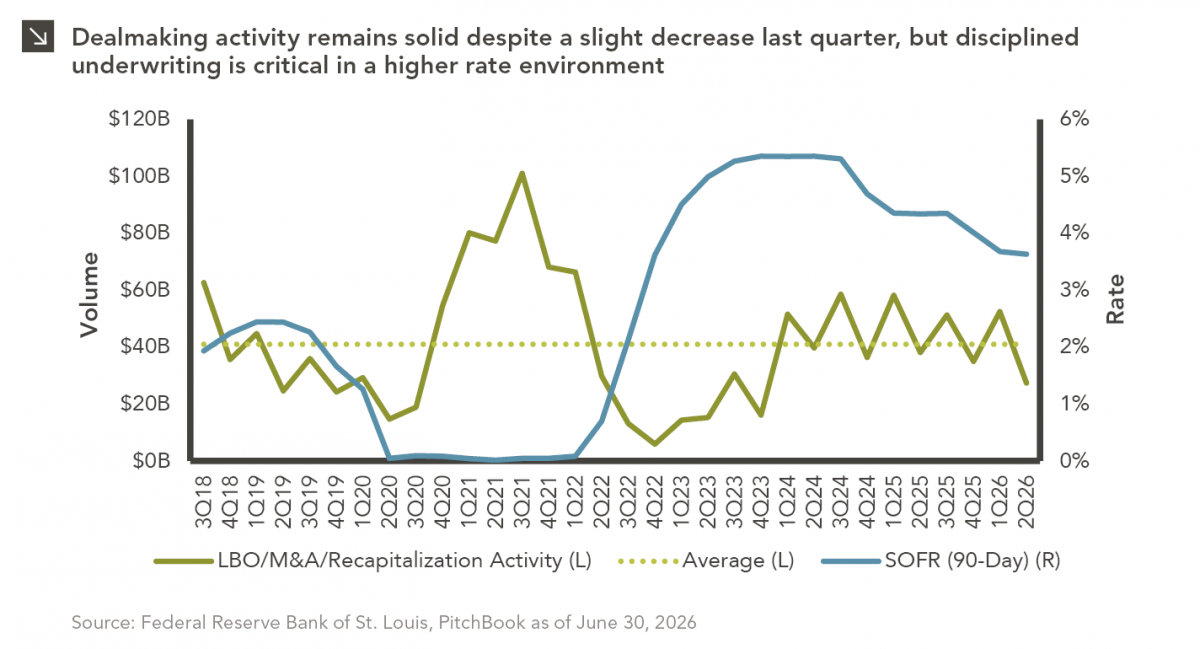
For much of the past several years, the conventional view has been that higher interest rates and stretched valuations would…
09.14.2026
There are many great things about working at Marquette Associates, but “Free Lunch Tuesday” is right at the top of…
09.08.2026
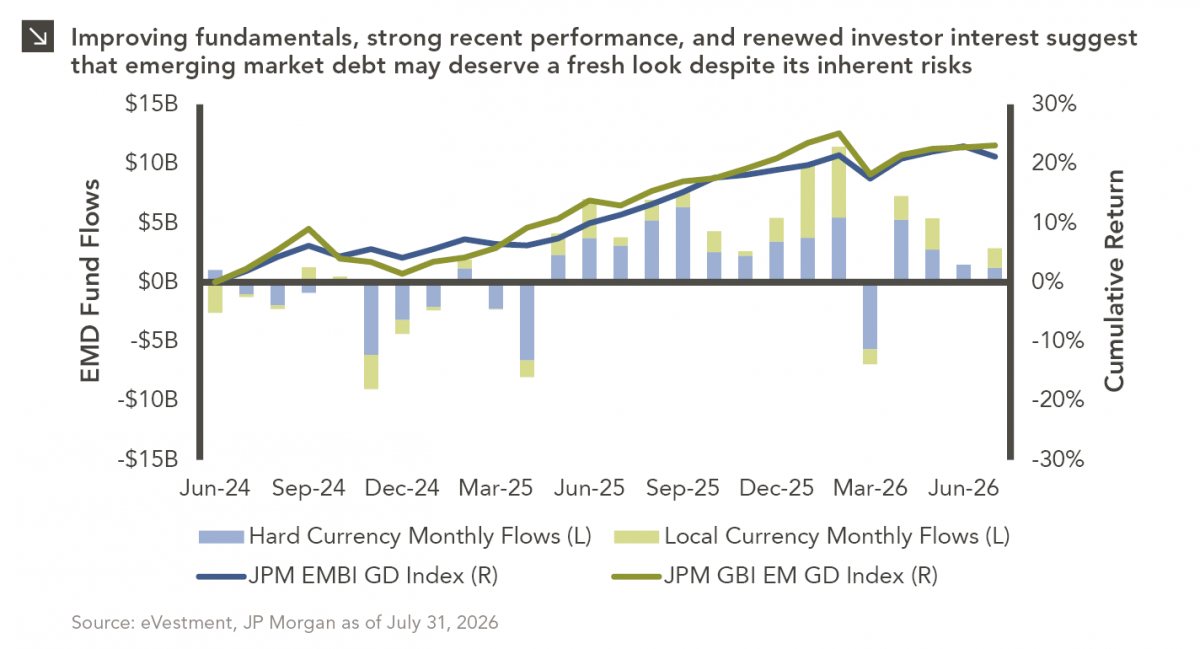
Over the last several years, emerging market debt (EMD) has faced several headwinds, with rising yields across other fixed income…
Research alerts keep you updated on our latest research publications. Simply enter your contact information, choose the research alerts you would like to receive and click Subscribe. Alerts will be sent as research is published.
We respect your privacy. We will never share or sell your information.
If you have questions or need further information, please contact us directly and we will respond to your inquiry within 24 hours.
Contact Us >