Eric Gaylord, CFA
Partner


Much focus has already been directed to the economic slowdown in the Eurozone with Italy, Spain, Portugal, and Greece already in recession. Despite the crisis in Europe, global stock markets have generally been buoyed by strong earnings growth from the globe’s two largest economies, the US and China. However, evidence of a slowdown in China has fueled debate over whether the US will be able to continue growing in the face of European and Chinese weakness. While still growing rapidly relative to mature economies, China’s GDP growth dropped to 8.1% in the 1st quarter and is projected to fall to 7.4% in the 2nd quarter. The decrease in GDP growth prompted the Chinese Central Bank to cut interest rates in June for the first time in three years.
Monday’s release of the ISM Manufacturing PMI is raising alarms that the impact of a global slowdown is beginning to be felt in the US. In the month of June, the Purchasing Managers Index fell 7.1% from 53.5 to 49.7, signaling a general softening in US manufacturing activity. More troubling was that the ISM Manufacturing New Orders sub-index fell from 60.1 to 47.8 over the month. While this data did not shake the stock market, investors should be wary of a potential backlash if the Fed does not provide the additional monetary stimulus that some seem to be anticipating. However, the recent slowdown in inflation (CPI) indicates that there may be room for the Fed to act.
Despite the global growth headwinds, there is reason to remain optimistic about the profitability of US manufacturers. The ISM Manufacturing Prices sub-index fell drastically in June from 47.5 to 37.0. That means that the cost of US manufacturers’ production inputs is at the lowest since early 2009. The combination of a strong US Dollar and less demand from China for raw materials such as steel, copper, and fuel is providing input cost relief to many US companies.

The opinions expressed herein are those of Marquette Associates, Inc. (“Marquette”), and are subject to change without notice. This material is not financial advice or an offer to purchase or sell any product. Marquette reserves the right to modify its current investment strategies and techniques based on changing market dynamics or client needs.
10.12.2026
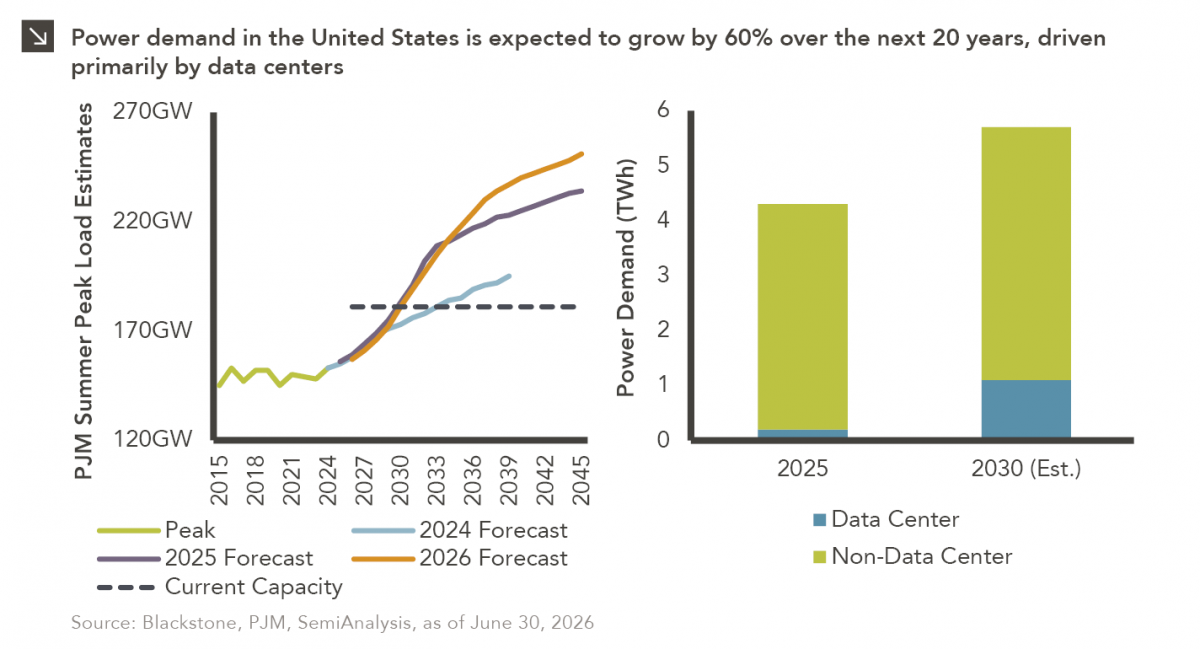
This week’s chart highlights the accelerating growth of electricity demand in the U.S., which has been driven primarily by the…

10.08.2026
LIVE WEBINAR — OCTOBER 22 Please join Marquette’s research team for our 3Q 2026 Market Insights Webinar…
10.05.2026
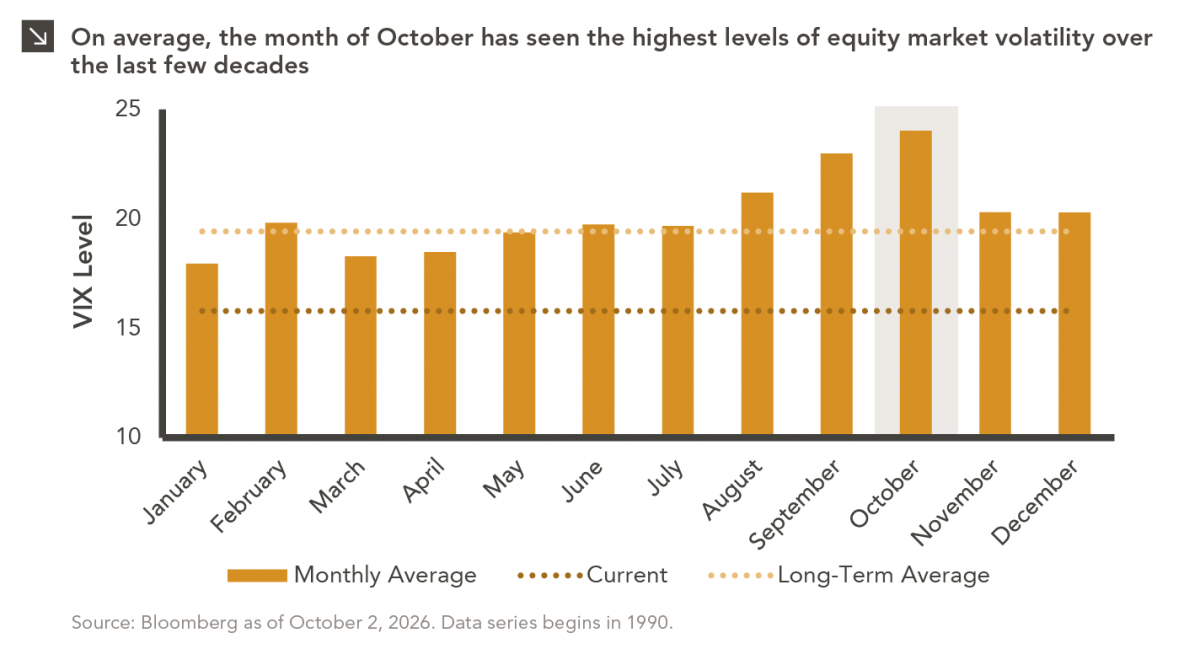
For investors, the spookiest thing about October might not be the ghosts and monsters that are bound to show up…
09.28.2026
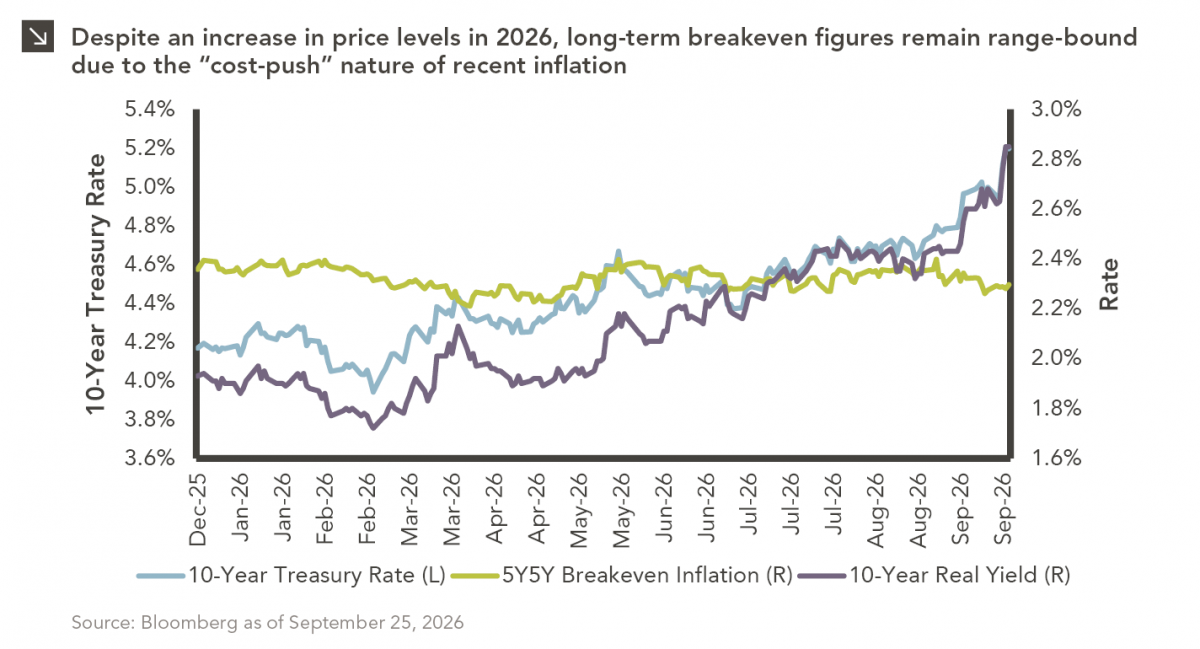
The phrase “expectations of higher inflation” has become a staple in financial news to explain the increase in nominal U.S….
09.21.2026
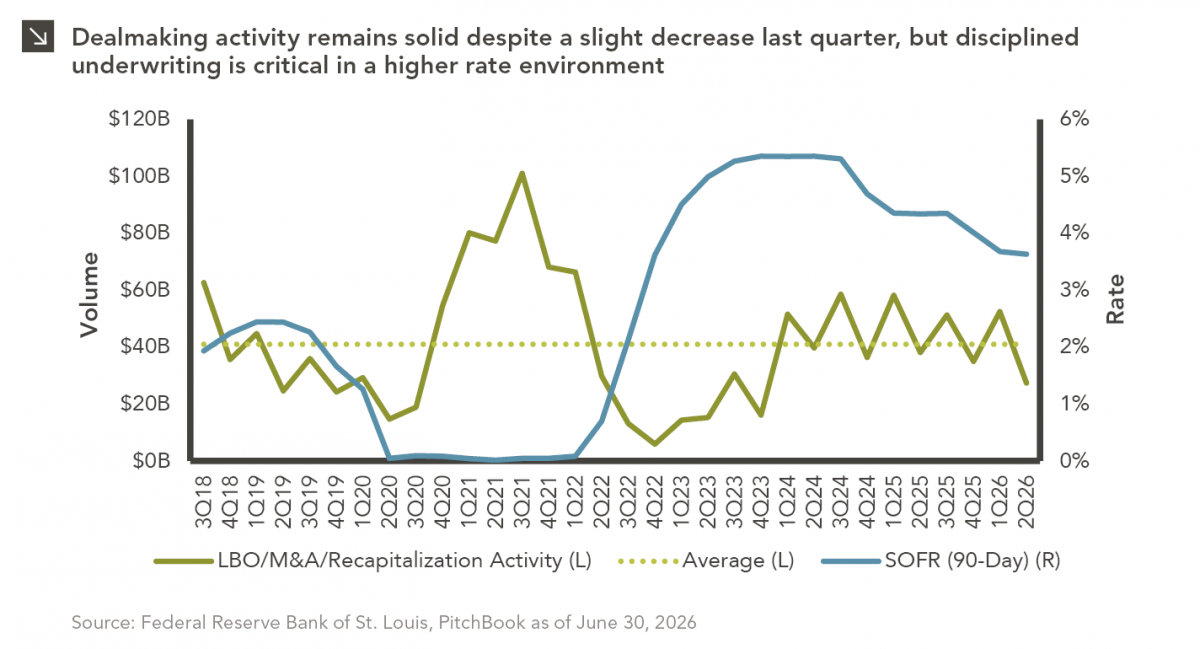
For much of the past several years, the conventional view has been that higher interest rates and stretched valuations would…
09.14.2026
There are many great things about working at Marquette Associates, but “Free Lunch Tuesday” is right at the top of…
Research alerts keep you updated on our latest research publications. Simply enter your contact information, choose the research alerts you would like to receive and click Subscribe. Alerts will be sent as research is published.
We respect your privacy. We will never share or sell your information.
If you have questions or need further information, please contact us directly and we will respond to your inquiry within 24 hours.
Contact Us >