10.19.2026
Divided We Rise?
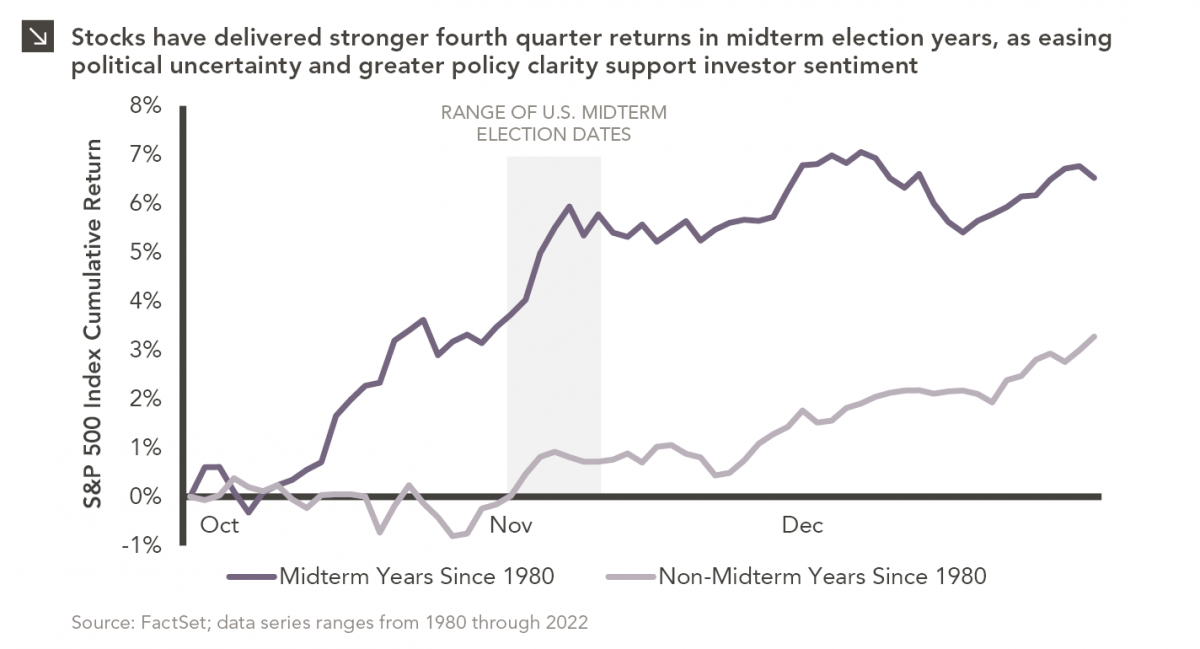
Since 1980, the S&P 500 Index has generally performed well in the weeks surrounding U.S. midterm elections. Specifically, the index…


The first half of 2019 has produced a number of high profile IPOs including Uber, Slack, Pinterest, Zoom, Beyond Meat, and Lyft. These IPOs have made it a very successful year for U.S. venture capital exits. While the absolute number of exits has remained slightly below the pace of recent years, this year’s exits have been larger, generating nearly $190 billion through the first half of 2019. This year’s second-quarter exit value alone has exceeded the annual amounts for the venture industry going back to 2006. IPOs have accounted for nearly 83% of the cumulative exit value so far in 2019.
This strong exit environment is likely to allow U.S. venture capital to repeat 2018 as the strongest area of performance within the broadly defined private equity market. While we expect the first quarter to provide strong returns, the second quarter is where we will see a significant increase in performance as IPO offerings ramped up in the spring/early summer. With a robust remaining pipeline of potential IPOs scheduled for the second half of 2019 and 2020 including Airbnb, Palantir, Robinhood, Postmates, and WeWork, we do not see this market cooling off much in the near-term. Regardless of which of these remaining high profile IPOs materialize this year, 2019 is likely to be remembered by investors as the year of mega IPOs.
Print PDF > Venture Capital Benefits From Mega IPOs
The opinions expressed herein are those of Marquette Associates, Inc. (“Marquette”), and are subject to change without notice. This material is not financial advice or an offer to purchase or sell any product. Marquette reserves the right to modify its current investment strategies and techniques based on changing market dynamics or client needs.
The opinions expressed herein are those of Marquette Associates, Inc. (“Marquette”), and are subject to change without notice. This material is not financial advice or an offer to purchase or sell any product. Marquette reserves the right to modify its current investment strategies and techniques based on changing market dynamics or client needs.
10.19.2026
Since 1980, the S&P 500 Index has generally performed well in the weeks surrounding U.S. midterm elections. Specifically, the index…
10.12.2026
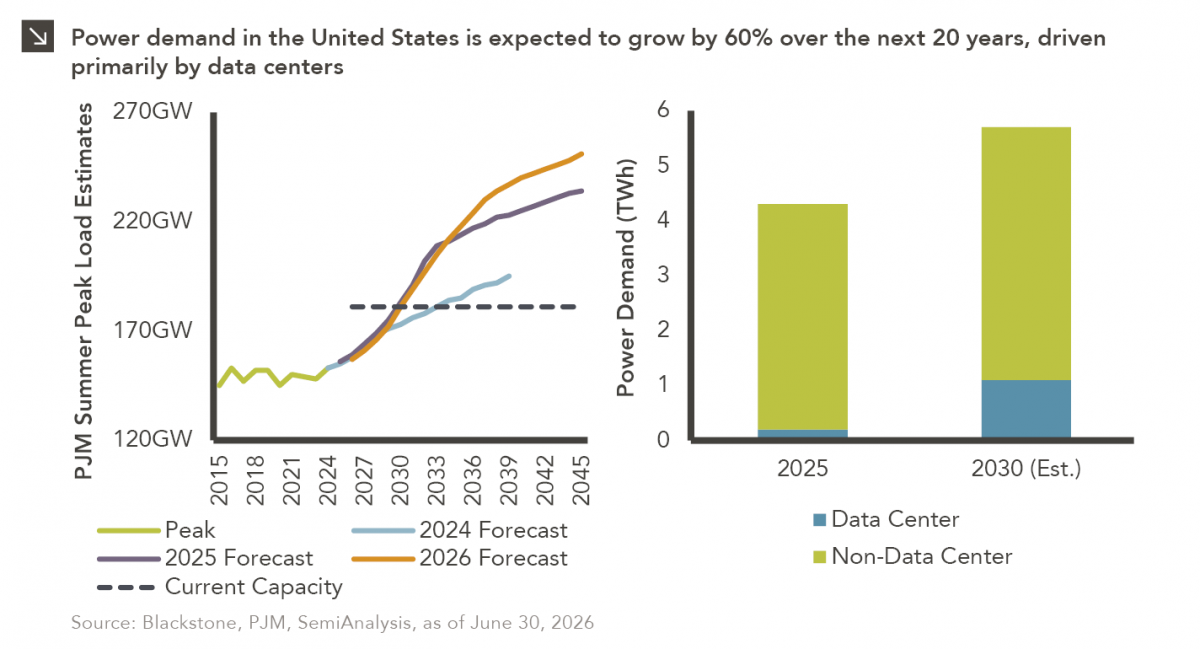
This week’s chart highlights the accelerating growth of electricity demand in the U.S., which has been driven primarily by the…

10.08.2026
LIVE WEBINAR — OCTOBER 22 Please join Marquette’s research team for our 3Q 2026 Market Insights Webinar…
10.05.2026
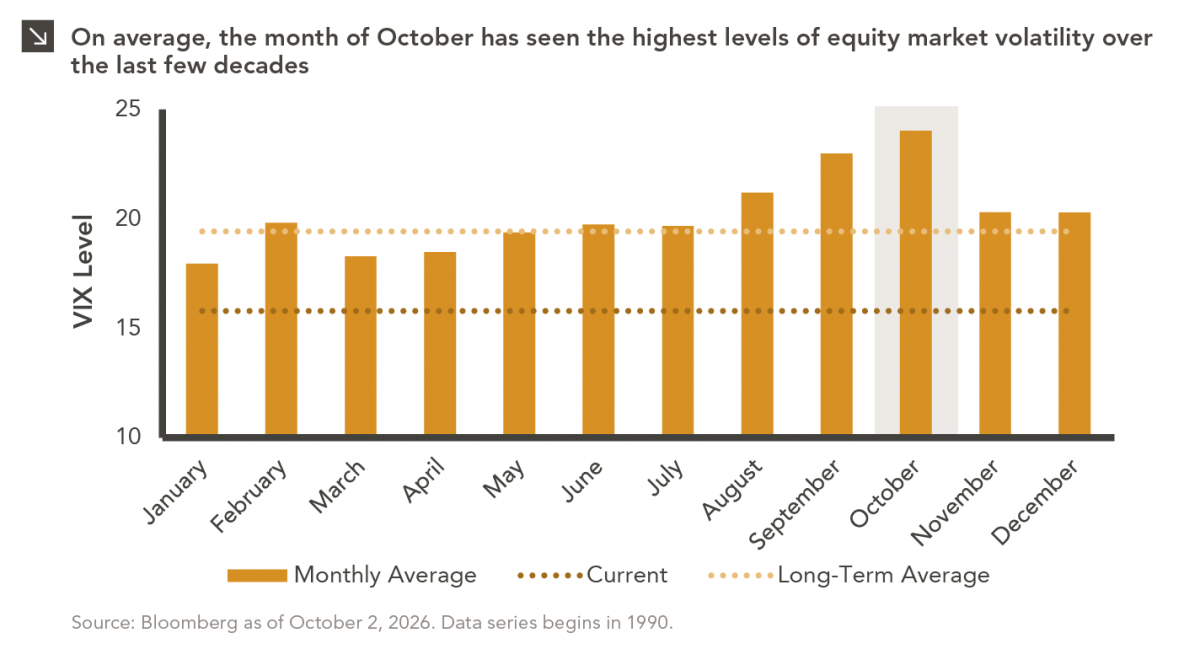
For investors, the spookiest thing about October might not be the ghosts and monsters that are bound to show up…
09.28.2026
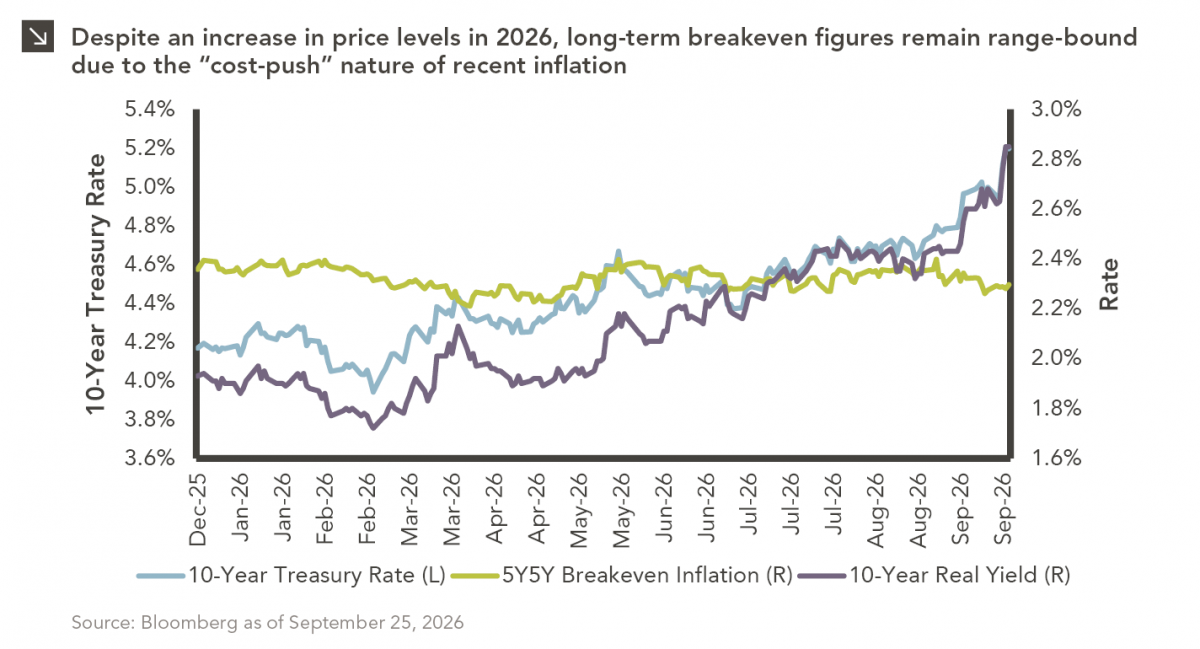
The phrase “expectations of higher inflation” has become a staple in financial news to explain the increase in nominal U.S….
09.21.2026
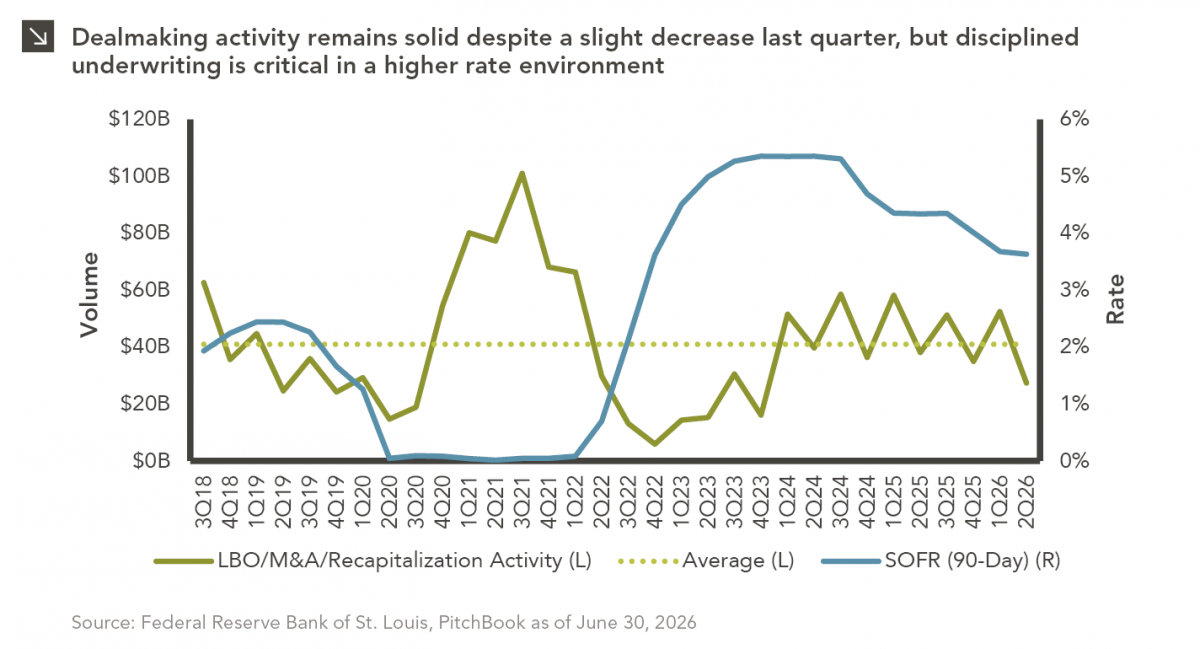
For much of the past several years, the conventional view has been that higher interest rates and stretched valuations would…
Research alerts keep you updated on our latest research publications. Simply enter your contact information, choose the research alerts you would like to receive and click Subscribe. Alerts will be sent as research is published.
We respect your privacy. We will never share or sell your information.
If you have questions or need further information, please contact us directly and we will respond to your inquiry within 24 hours.
Contact Us >