10.08.2026
3Q 2026 Market Insights
This video is a recording of a live webinar held October 22 by Marquette’s research team analyzing the third quarter…


Due to stagnating growth and marginal inflation in the Euro area, Mario Draghi recently announced that the European Central Bank (“ECB”) would reduce the interest rate on main refinancing operations from 0.15% to 0.05%. Reductions would also occur for the rate on the marginal lending facility from 0.40% to 0.30% and the rate on the deposit facility from -0.10% to -0.20%. In addition, the ECB will start purchasing asset backed securities in an attempt to facilitate new credit flows into the economy.
This week’s chart examines the balance sheet of euro area monetary financial institutions (“MFIs”). In particular, the chart illustrates the year-over-year growth of loans in the region. Notably, the growth rate has been negative since the end of 2012. The low lending levels are likely due to poor demand as a result of the subpar economic situation in the euro area, particularly countries on the periphery.
While yields on European government debt have tightened dramatically since Mario Draghi pledged to do whatever it takes to preserve the European Union in mid-2012, the underlying economic environment has remained challenging. The unemployment rate is currently 11.5%, the inflation rate is a paltry 0.3% and projected euro zone growth for 2014 is just 0.9%. The lack of loan demand, slack in labor markets, and overall low growth point toward the likelihood of a protracted period of low inflation.
The potential for deflation has led the ECB to initiate its most recent rate cuts and asset purchases. Similar to the effects of the Fed’s quantitative easing, markets may react favorably to the ECB balance sheet expansion, albeit at the cost of the euro currency. It is important for investors to monitor the ECB monetary policy and structural reforms that have been implemented by many euro zone countries to gauge whether they are effective in stimulating growth, and by extension, promoting positive investment returns from the region.
The opinions expressed herein are those of Marquette Associates, Inc. (“Marquette”), and are subject to change without notice. This material is not financial advice or an offer to purchase or sell any product. Marquette reserves the right to modify its current investment strategies and techniques based on changing market dynamics or client needs.

10.08.2026
This video is a recording of a live webinar held October 22 by Marquette’s research team analyzing the third quarter…

10.22.2026
Anyone who has run a marathon knows the last six miles are brutal — no matter how well the first…
10.19.2026
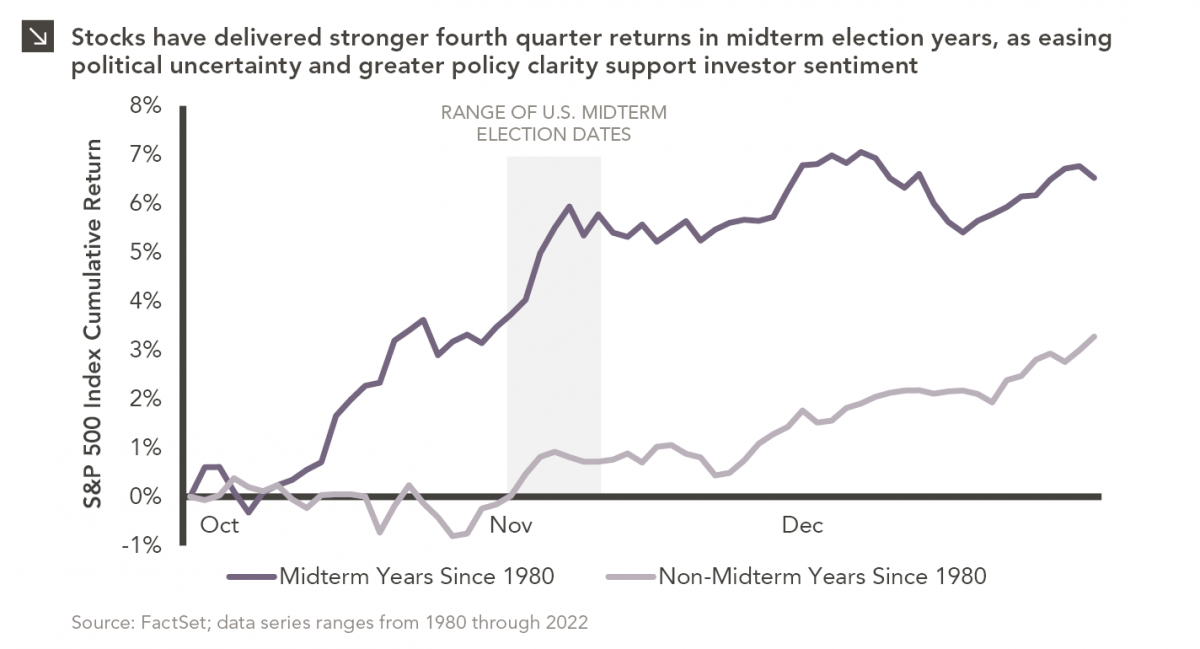
Since 1980, the S&P 500 Index has generally performed well in the weeks surrounding U.S. midterm elections. Specifically, the index…
10.12.2026
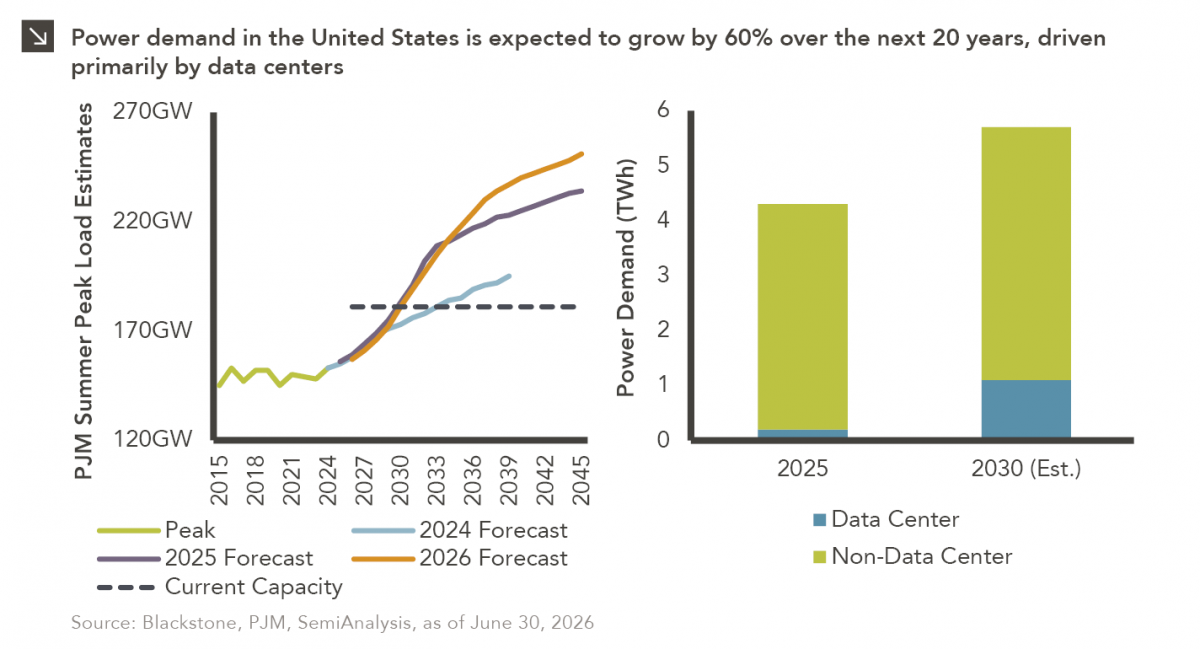
This week’s chart highlights the accelerating growth of electricity demand in the U.S., which has been driven primarily by the…
10.05.2026
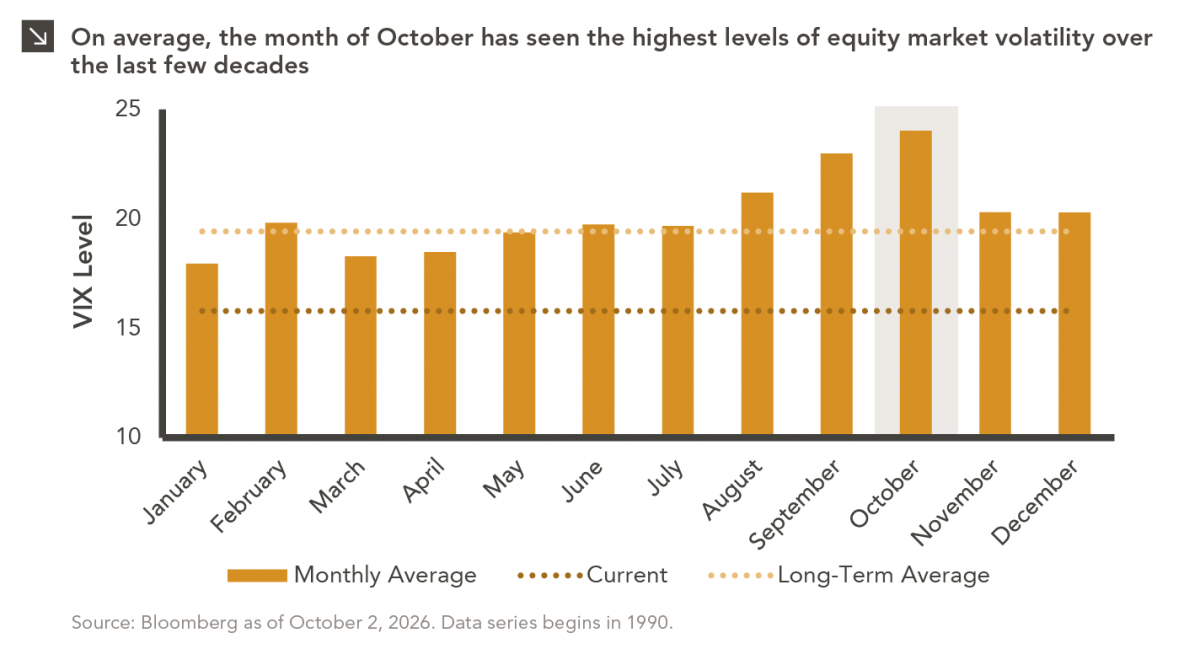
For investors, the spookiest thing about October might not be the ghosts and monsters that are bound to show up…
09.28.2026
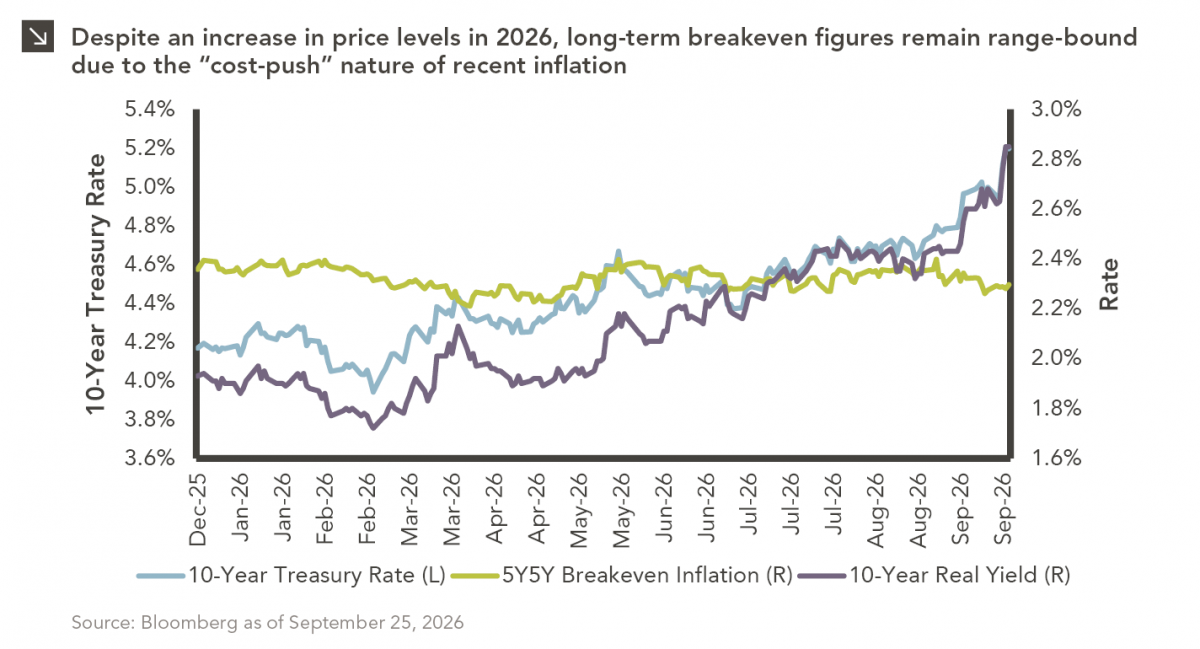
The phrase “expectations of higher inflation” has become a staple in financial news to explain the increase in nominal U.S….
Research alerts keep you updated on our latest research publications. Simply enter your contact information, choose the research alerts you would like to receive and click Subscribe. Alerts will be sent as research is published.
We respect your privacy. We will never share or sell your information.
If you have questions or need further information, please contact us directly and we will respond to your inquiry within 24 hours.
Contact Us >