11.09.2026
C’s Get Degrees (of Pain)
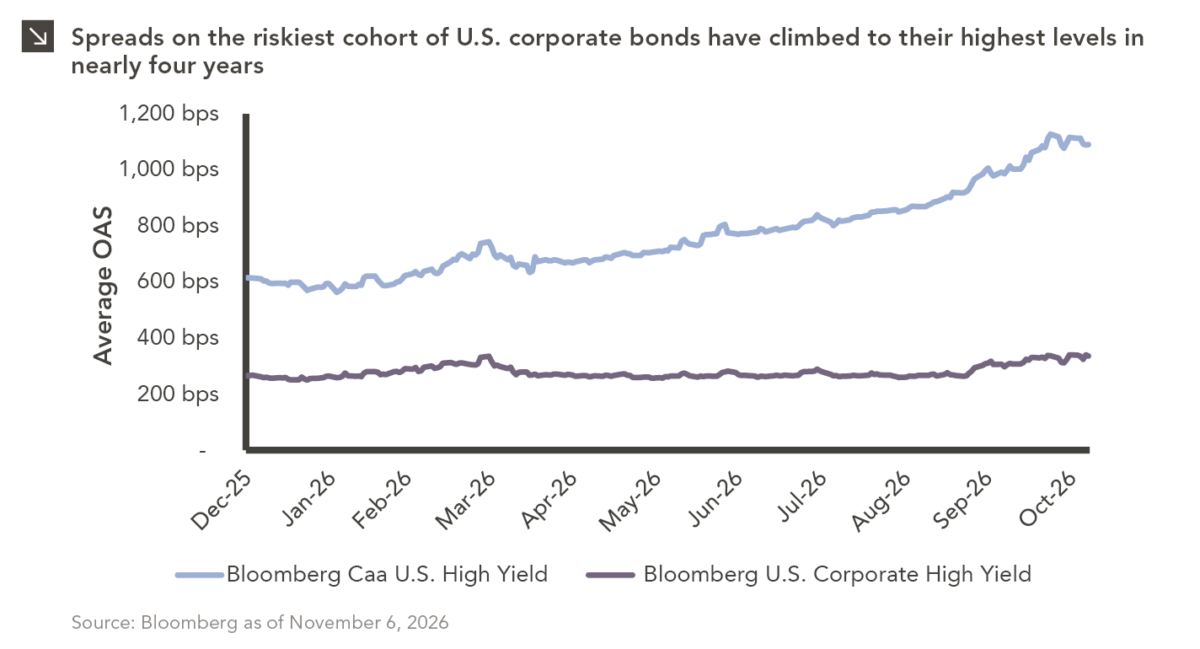
The U.S. distressed debt market is showing increasingly pronounced signs of stress. As of this writing, option-adjusted spreads on CCC-rated…


On December 14, 2016, the FOMC announced its unanimous decision to raise interest rates by 25 basis points, bringing the target fed funds rate to between 0.50% and 0.75%. This was the first increase since last December’s, with the hike prior to that occurring in 2006 before the Great Recession.
This move was widely anticipated and well-communicated to the markets. As such, fed funds futures carried a 100% implied probability of a hike going into it, and most – if not all – of the hike was already priced into global markets. Markets over the past one and a half days since the hike have remained relatively calm. The 10-year Treasury yield rose by only 12bp to end at 2.6%, while the one-year Treasury yield rose by just 3bp to end at 0.9% and the 30-year Treasury yield rose by 2bp to end at 3.1%. The Core Aggregate bond index and the Intermediate Government/Credit index were down only 0.5%, while the 1-3 Yr Government/Credit index fell 0.2%; the Long Government/Credit index also decreased 0.2%. The Credit Suisse Leveraged Loan index was up 0.1%, the Credit Suisse High Yield index was down 0.3%, and the JPMorgan emerging markets debt EMBI Global Diversified index decreased by less than 0.1%. The dollar rose while gold declined, as expected. The S&P 500 declined less than 0.1%.
The opinions expressed herein are those of Marquette Associates, Inc. (“Marquette”), and are subject to change without notice. This material is not financial advice or an offer to purchase or sell any product. Marquette reserves the right to modify its current investment strategies and techniques based on changing market dynamics or client needs.
11.09.2026
The U.S. distressed debt market is showing increasingly pronounced signs of stress. As of this writing, option-adjusted spreads on CCC-rated…
10.26.2026
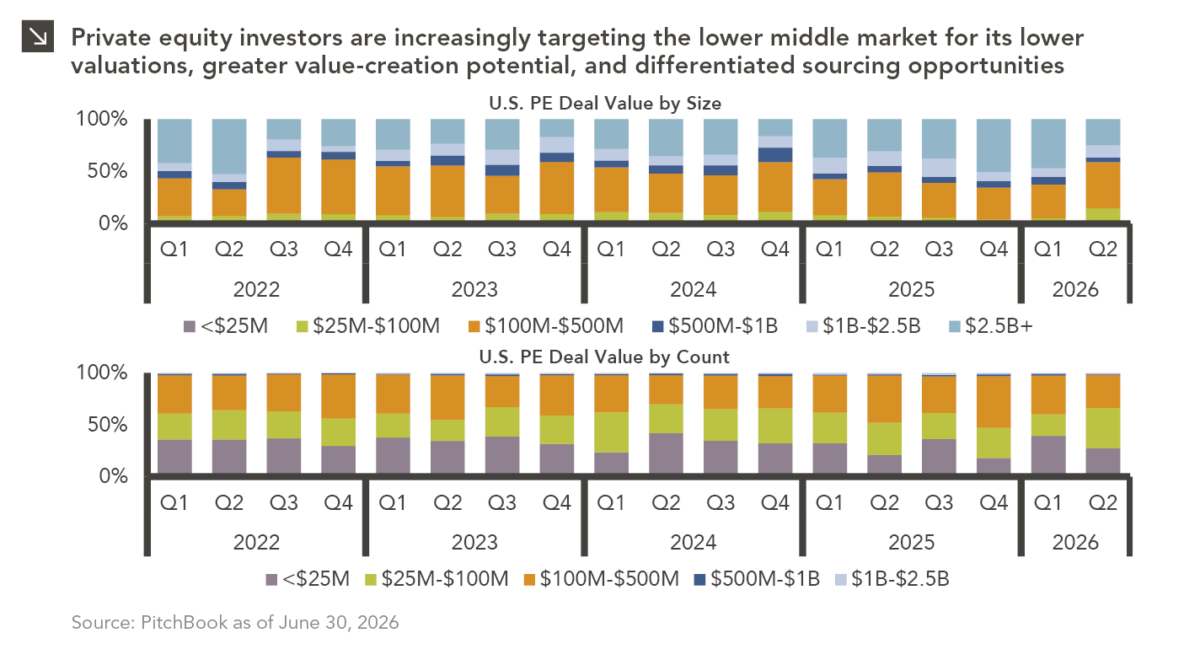
Private equity activity is increasingly shifting toward smaller transactions, with total deal value for transactions of $100 million or less…

10.08.2026
This video is a recording of a live webinar held October 22 by Marquette’s research team analyzing the third quarter…
10.22.2026
Anyone who has run a marathon knows the last six miles are brutal — no matter how well the first…
09.28.2026
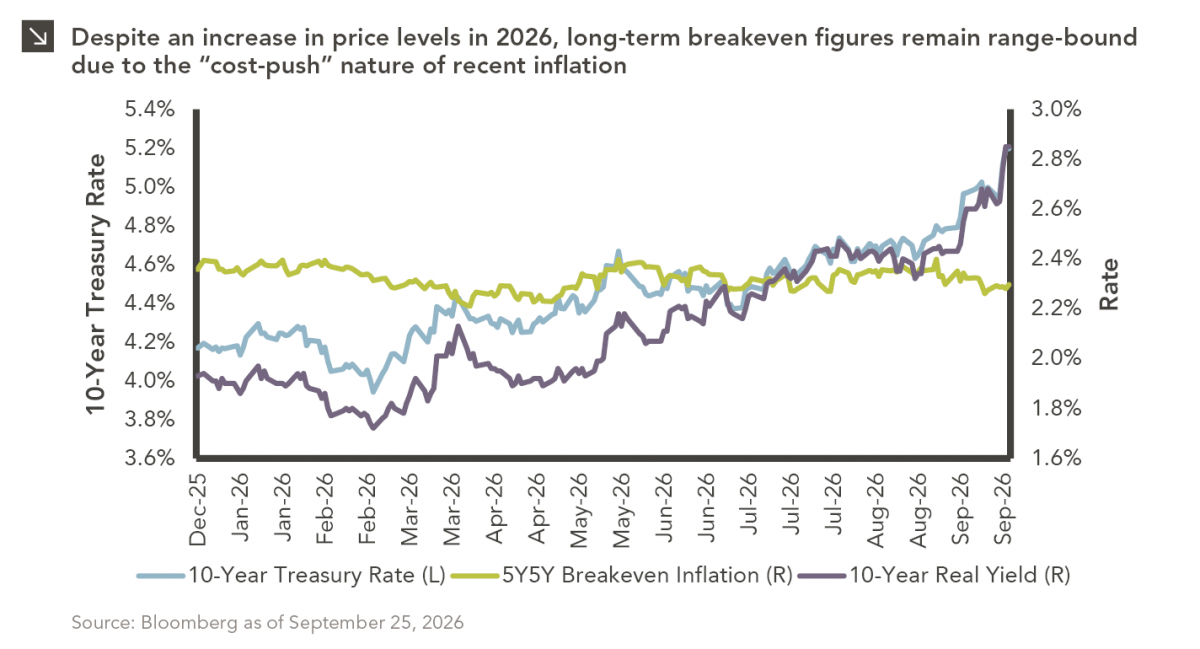
The phrase “expectations of higher inflation” has become a staple in financial news to explain the increase in nominal U.S….
09.21.2026
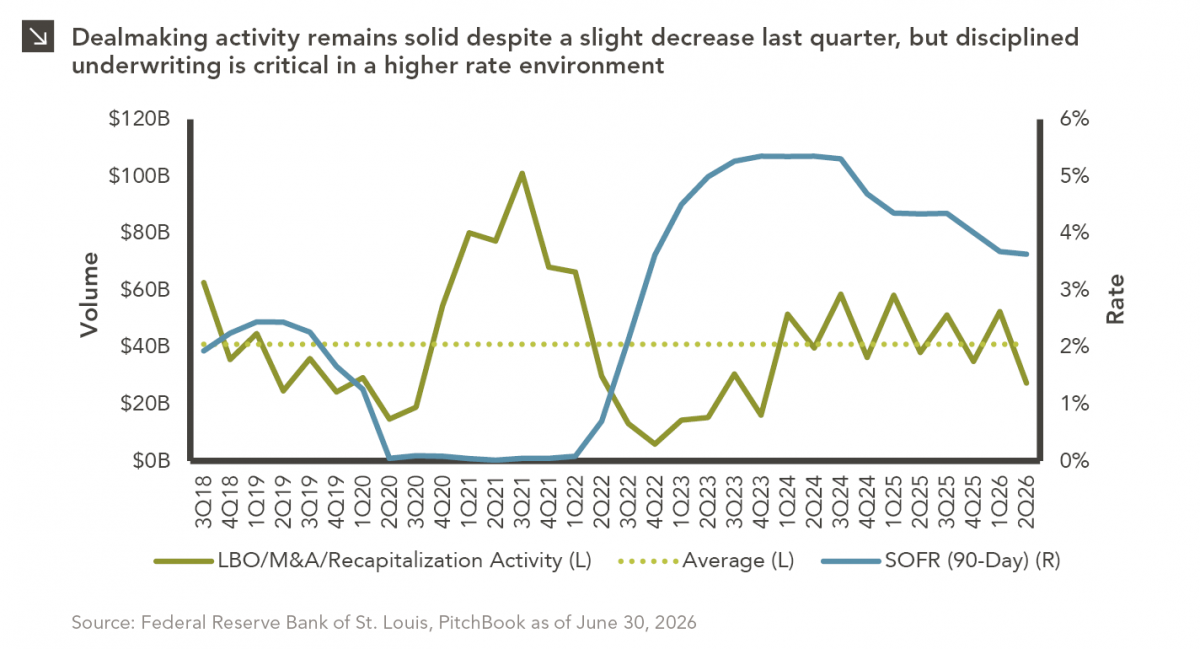
For much of the past several years, the conventional view has been that higher interest rates and stretched valuations would…
Research alerts keep you updated on our latest research publications. Simply enter your contact information, choose the research alerts you would like to receive and click Subscribe. Alerts will be sent as research is published.
We respect your privacy. We will never share or sell your information.
If you have questions or need further information, please contact us directly and we will respond to your inquiry within 24 hours.
Contact Us >