10.19.2026
Divided We Rise?
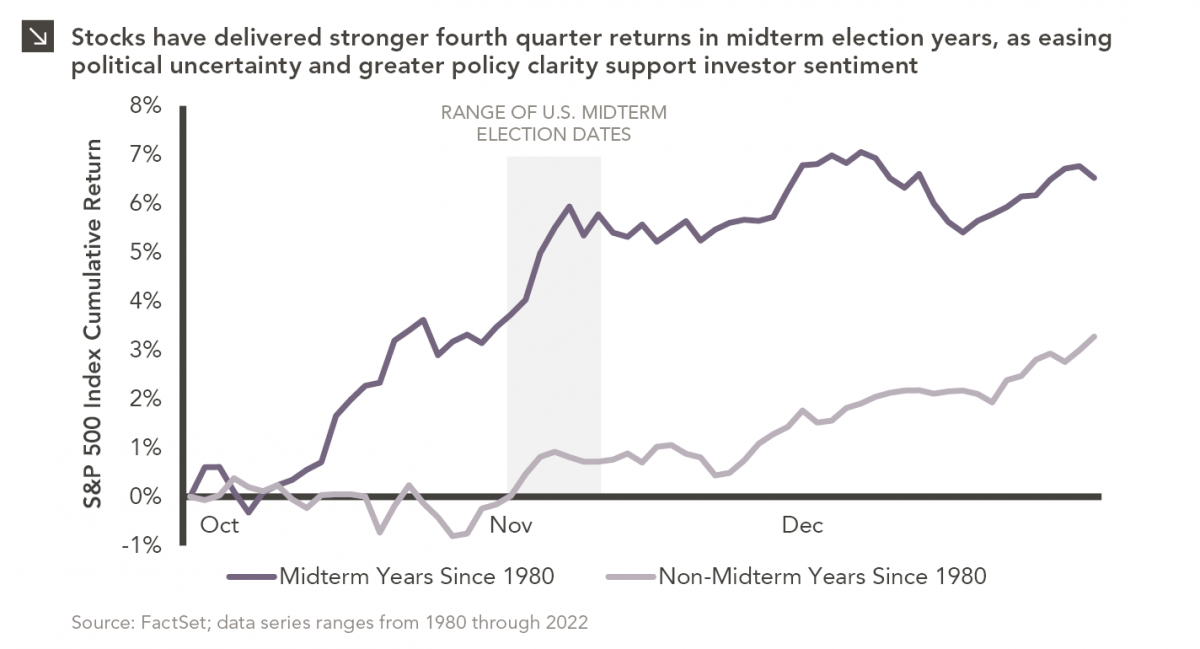
Since 1980, the S&P 500 Index has generally performed well in the weeks surrounding U.S. midterm elections. Specifically, the index…


A general partner (GP) stake is a direct investment in a general partner’s management company and is typically a passive, minority investment. GP stake investors have purchased interests in hedge fund, real estate, private credit, and venture capital managers, but the most significant adoption of this transaction type has been in the private equity buyout landscape. GP stake investing has increasingly become a topic of conversation due to robust fundraising by dedicated GP stake funds and the maturation of the buyout market, with many firms on the cusp of a generational transition and a desire to raise capital to finance future commitments and build out platforms via product proliferation and team growth.
Investors in GP stakes are attracted to the stable yield of the management fee, the upside potential provided by carried interest, and other strategic benefits that may include better access to co-investment opportunities or a primary allocation to future funds. Managers view a GP stake sale as a more favorable path to raising capital relative to an IPO given the scale required and the complexities of going public.
For limited partners (LPs) investing in funds of managers that have sold a GP stake, or are planning to do so, understanding the manager’s plans for the use of proceeds is critical. The capital is typically used to offer liquidity to existing owners of the management company and/or as a means to reinvest in the firm, either through increased GP commitments in future funds or growth initiatives. In addition to confirming the use of proceeds, LPs ought to diligence the rationale for the sale, percentage of the management company sold, and terms of the agreement between the manager and the GP stake investor.
GP stake sales were a key feature of the private equity marketplace in 2021 and show no signs of dissipating in 2022. While these types of investments historically have been limited to the largest buyout managers, increasingly middle market managers are selling GP interests. As we continue to see buyout funds participating in GP stake sales, as well as an increase in the number of dedicated GP stake funds raising capital, it is important for clients to consider this dynamic when investing in private equity funds.
The opinions expressed herein are those of Marquette Associates, Inc. (“Marquette”), and are subject to change without notice. This material is not financial advice or an offer to purchase or sell any product. Marquette reserves the right to modify its current investment strategies and techniques based on changing market dynamics or client needs.
10.19.2026
Since 1980, the S&P 500 Index has generally performed well in the weeks surrounding U.S. midterm elections. Specifically, the index…
10.12.2026
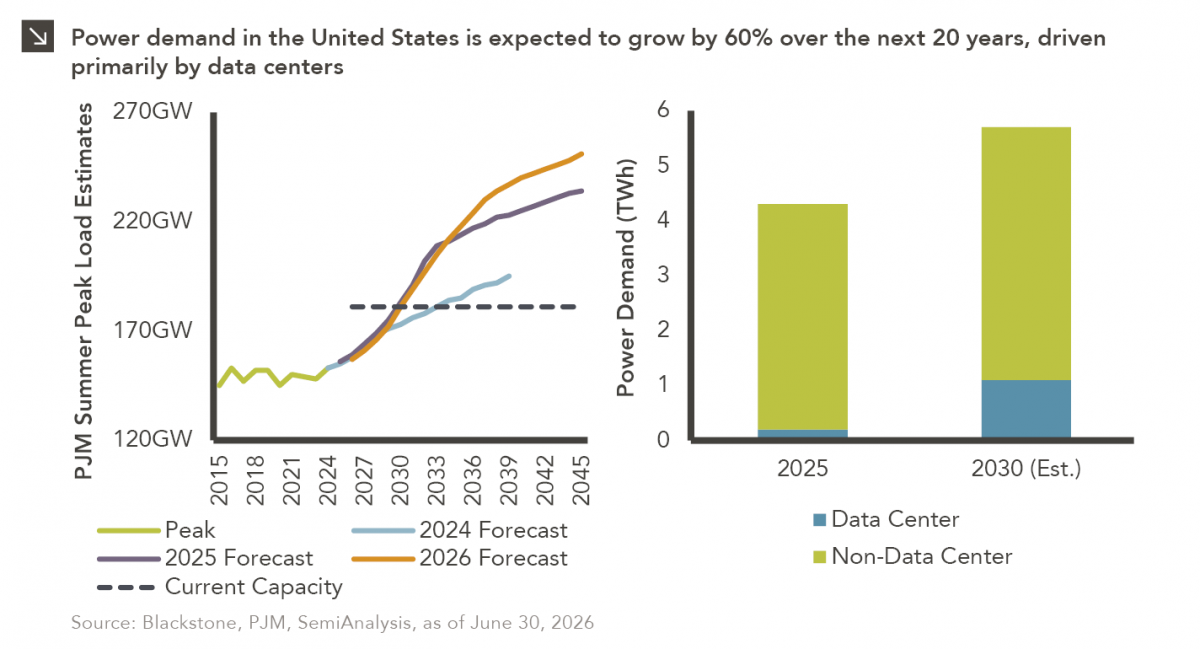
This week’s chart highlights the accelerating growth of electricity demand in the U.S., which has been driven primarily by the…

10.08.2026
LIVE WEBINAR — OCTOBER 22 Please join Marquette’s research team for our 3Q 2026 Market Insights Webinar…
10.05.2026
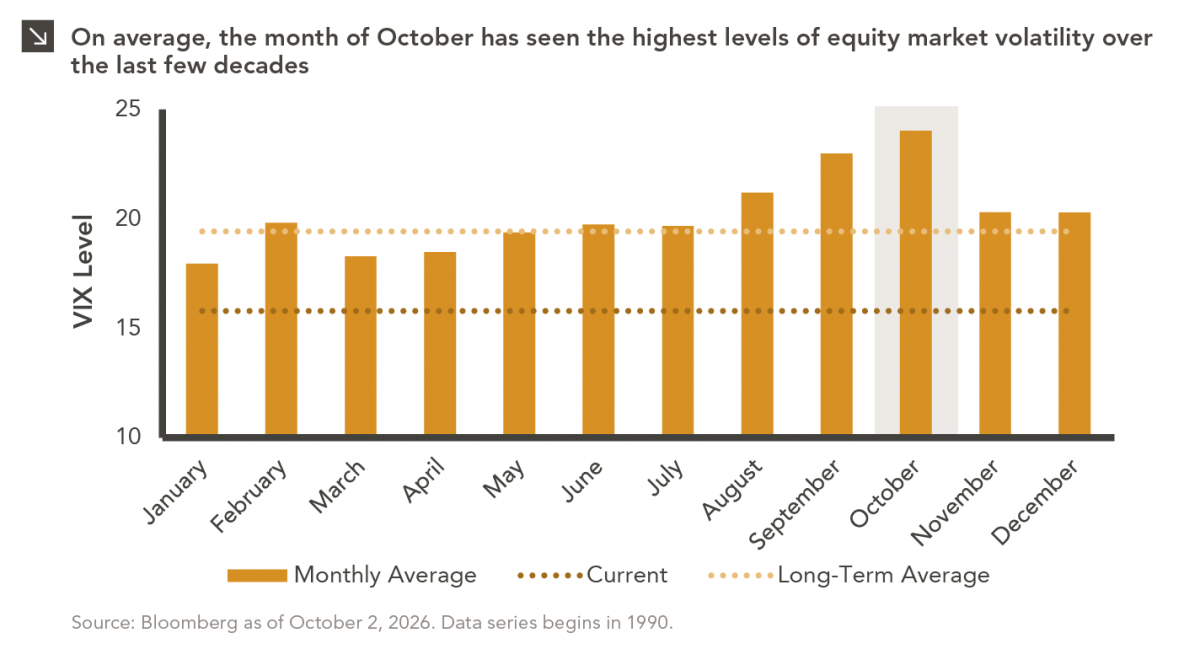
For investors, the spookiest thing about October might not be the ghosts and monsters that are bound to show up…
09.28.2026
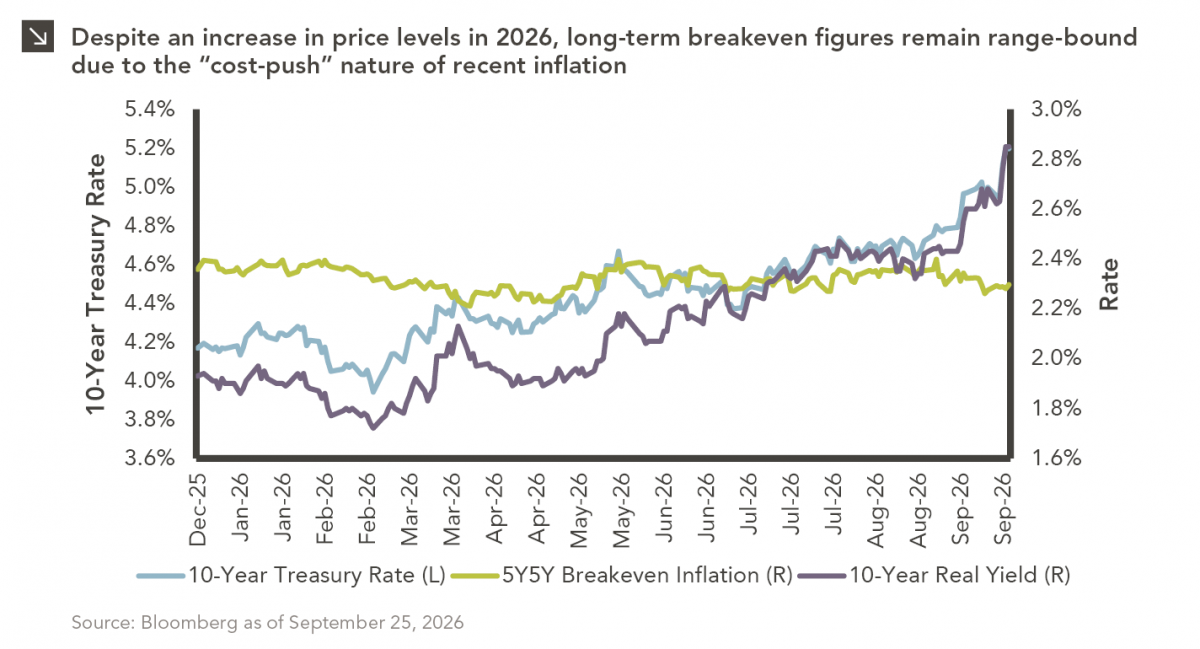
The phrase “expectations of higher inflation” has become a staple in financial news to explain the increase in nominal U.S….
09.21.2026
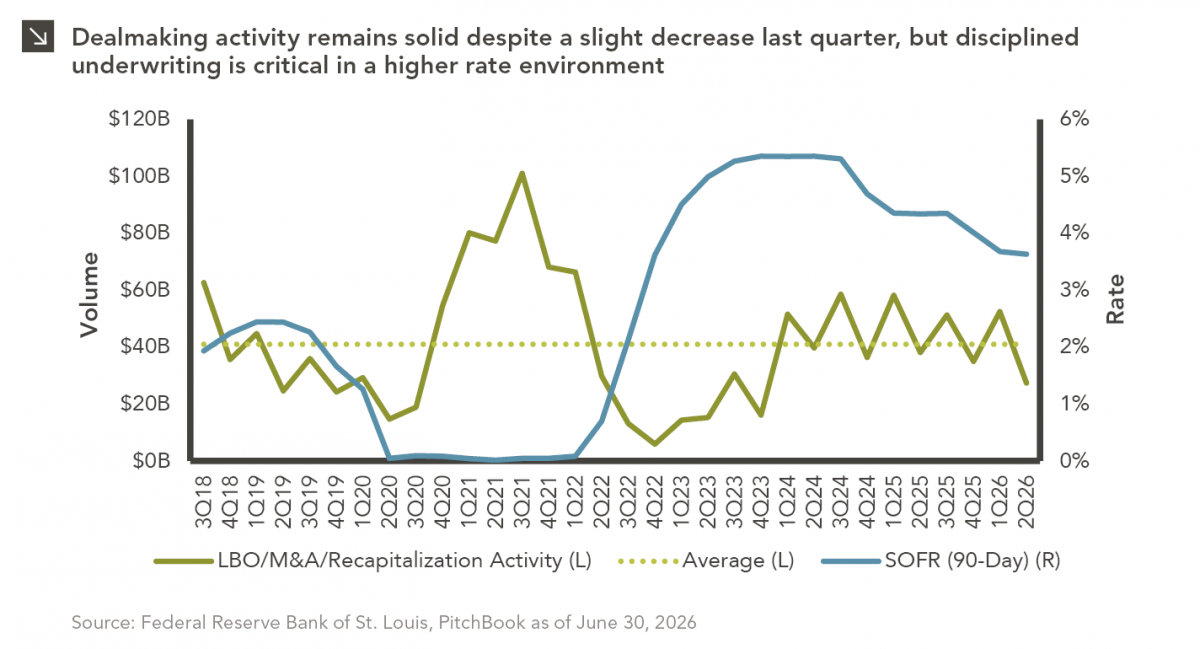
For much of the past several years, the conventional view has been that higher interest rates and stretched valuations would…
Research alerts keep you updated on our latest research publications. Simply enter your contact information, choose the research alerts you would like to receive and click Subscribe. Alerts will be sent as research is published.
We respect your privacy. We will never share or sell your information.
If you have questions or need further information, please contact us directly and we will respond to your inquiry within 24 hours.
Contact Us >