10.12.2026
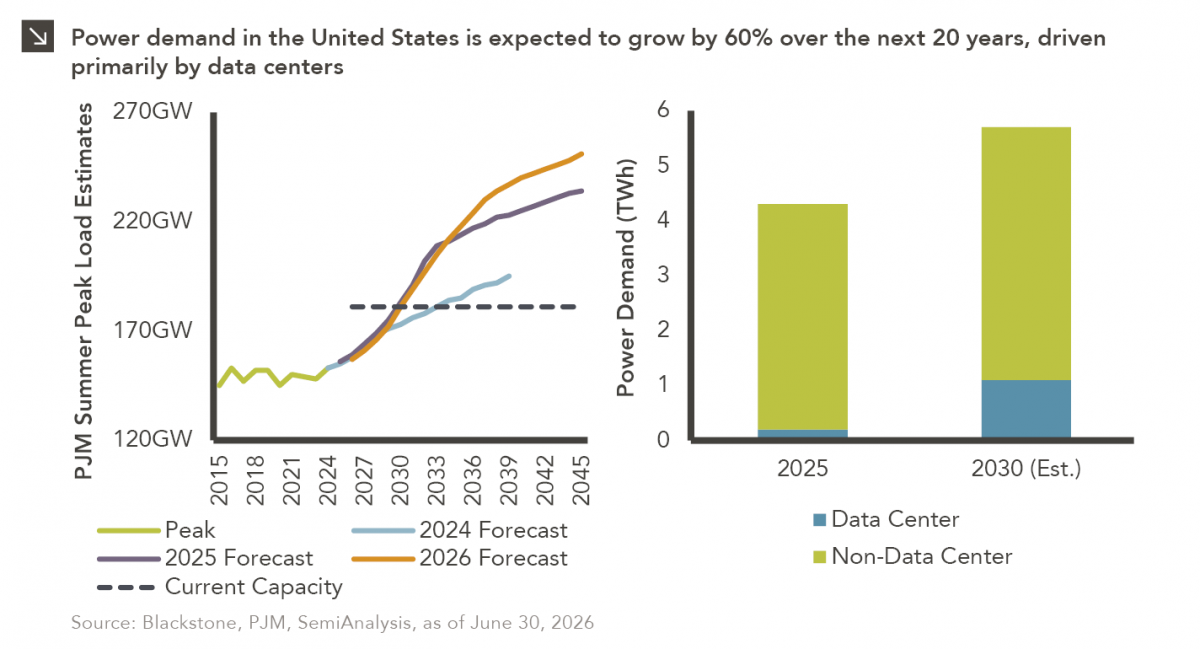
The Power Demand Supercycle
This week’s chart highlights the accelerating growth of electricity demand in the U.S., which has been driven primarily by the…


S&P 500 earnings growth of nearly 30% year-to-date has completely eclipsed that of the last 10 years. This is in stark contrast to the previous two years, when 18% and 31% market gains were almost entirely driven by multiple expansion. The 2021 rebound in earnings follows last year’s sharp COVID-induced decline and has some investors wondering what an almost inevitable slowdown from here could mean.
As of the end of June, FactSet analysts had estimated second quarter earnings to be up 63.1% year-over-year. Of the 345 S&P 500 constituents that have reported so far, approximately 87% have surprised to the upside. Despite this strength at the bottom line, many of these companies have seen their stock prices fall post-reporting, implying true expectations, following the historic 41% run over the last year, were actually higher. Reopening optimism started to drive stocks, and multiples, higher in late 2020, ahead of earnings growth, and now investors are trying to determine how much future earnings growth is already priced in. We saw something similar after the Global Financial Crisis in 2009 and 2010. As the economy began its initial recovery, strong returns in 2009 preempted 40%+ earnings growth, and a sharp correction in multiples, in 2010. Importantly, in the years that followed, despite a slowdown in earnings growth, the market continued to post positive annual returns until the late-year drawdown in 2018.
This year, we may see earnings growth peak in the second quarter, but it isn’t necessarily cause for concern. Company earnings are expected to remain stable as regions continue to reopen and overcome supply and demand shocks. And, more importantly, active investment managers who have struggled to keep up with a sentiment-driven market could see an improved stock picking opportunity set. To the extent optimistic exuberance is in the rearview, stocks should be more driven by company-specific fundamentals than by macro-centric tailwinds, a positive for many of our recommended managers.
Print PDF > What Might an Earnings Peak Mean?
The opinions expressed herein are those of Marquette Associates, Inc. (“Marquette”), and are subject to change without notice. This material is not financial advice or an offer to purchase or sell any product. Marquette reserves the right to modify its current investment strategies and techniques based on changing market dynamics or client needs.
10.12.2026
This week’s chart highlights the accelerating growth of electricity demand in the U.S., which has been driven primarily by the…

10.08.2026
LIVE WEBINAR — OCTOBER 22 Please join Marquette’s research team for our 3Q 2026 Market Insights Webinar…
10.05.2026
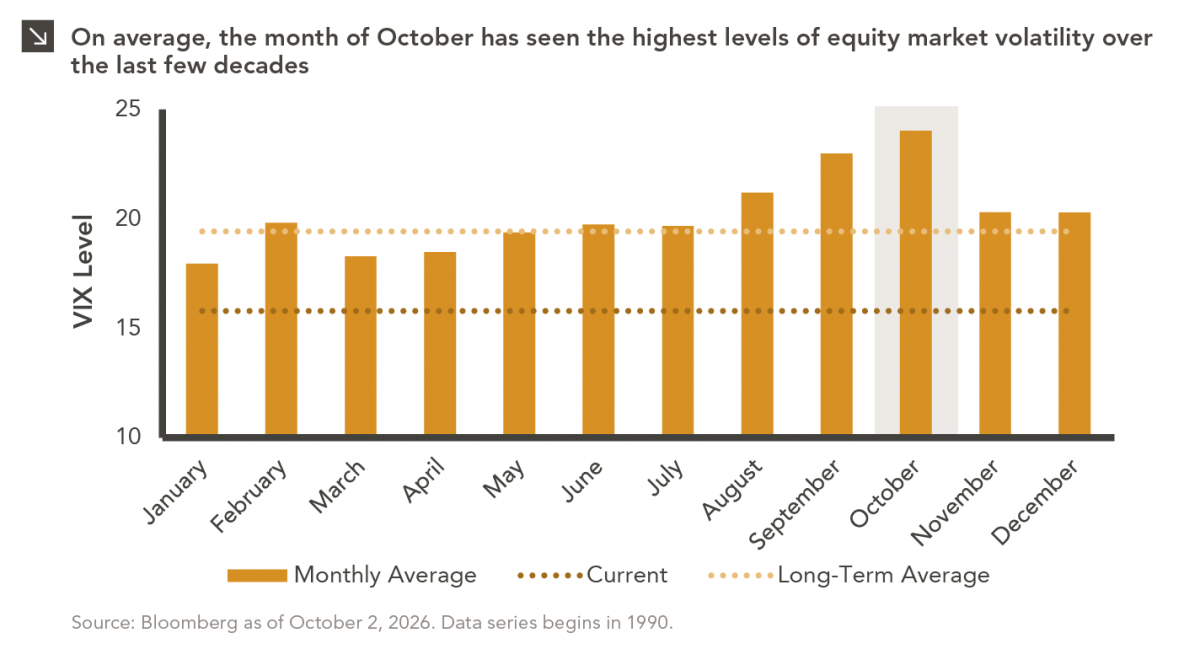
For investors, the spookiest thing about October might not be the ghosts and monsters that are bound to show up…
09.28.2026
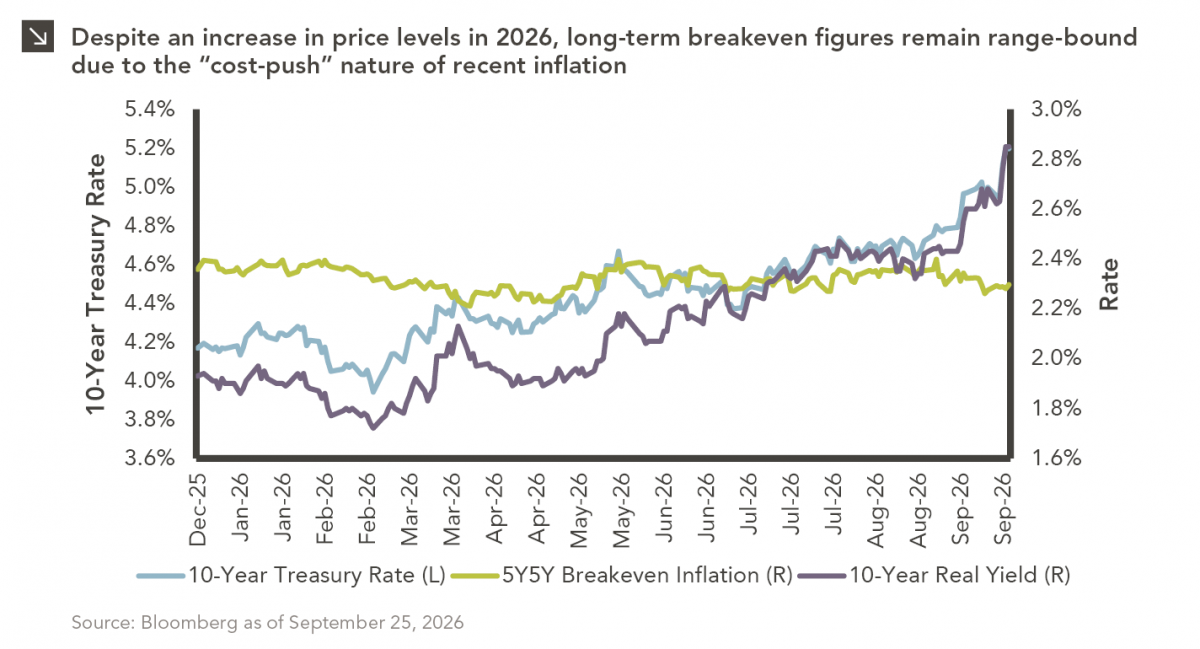
The phrase “expectations of higher inflation” has become a staple in financial news to explain the increase in nominal U.S….
09.21.2026
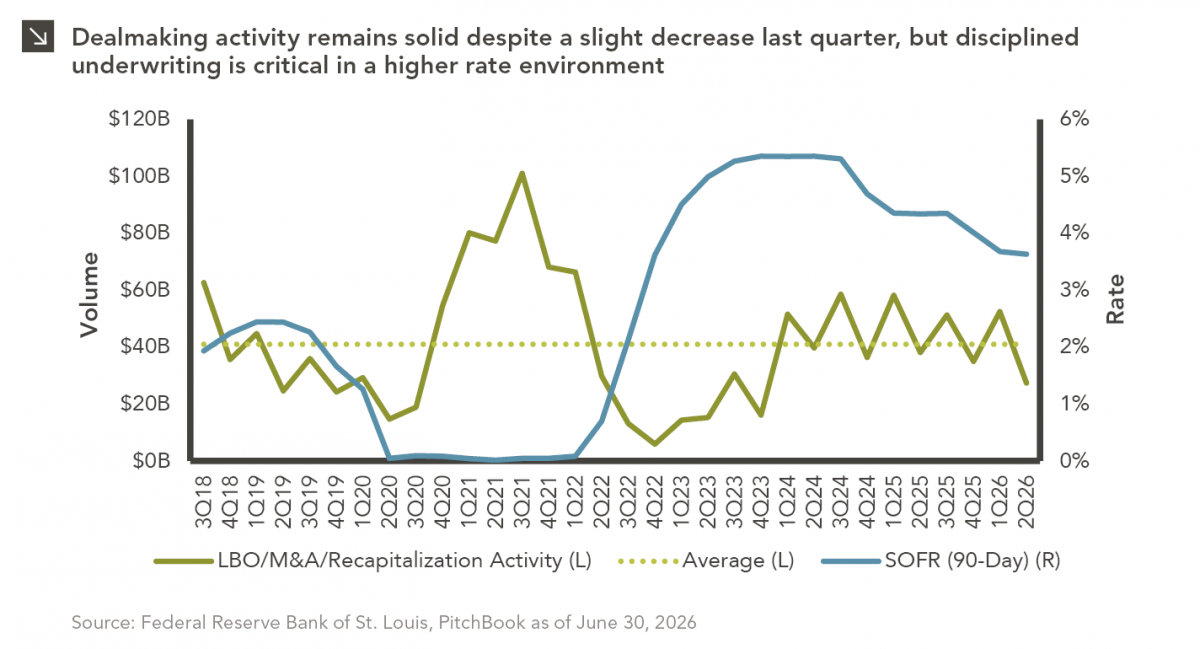
For much of the past several years, the conventional view has been that higher interest rates and stretched valuations would…
09.14.2026
There are many great things about working at Marquette Associates, but “Free Lunch Tuesday” is right at the top of…
Research alerts keep you updated on our latest research publications. Simply enter your contact information, choose the research alerts you would like to receive and click Subscribe. Alerts will be sent as research is published.
We respect your privacy. We will never share or sell your information.
If you have questions or need further information, please contact us directly and we will respond to your inquiry within 24 hours.
Contact Us >