10.08.2026
3Q 2026 Market Insights
This video is a recording of a live webinar held October 22 by Marquette’s research team analyzing the third quarter…


This week’s chart of the week examines the cash holdings of companies in the S&P 500 following the recession. Since 2007, the cash per share for the S&P 500 index has risen to $329.01 for a compounded annual growth rate of 11.5%. This was the result of companies protecting themselves against another economic downturn, but as the S&P 500 has hit record highs, cash and other short-term investments have continued to grow.
Investors often view high levels of cash as a sign of inefficiency. If companies have no favorable projects to invest their cash in, it should be returned to the shareholders. The most apparent instance of this was when shareholder activists began demanding Apple (AAPL) pay out some of its cash to investors. While Apple has announced it will return $100 billion to shareholders, it partially financed this buyback with debt to avoid taxes on its overseas cash. Although these high levels of cash are often viewed negatively, it could provide investors with opportunity if and when businesses decide to use these holdings. In addition to being paid out to shareholders, this cash could be reinvested in the firm or used to make new acquisitions, both theoretically leading to increased growth for the company. However, issues such as Apple’s international taxation may continue to discourage businesses from dispersing these positions. Furthermore, holding high amounts of cash may be the new norm as companies look to avoid liquidity problems during any decline the economy might face.
The opinions expressed herein are those of Marquette Associates, Inc. (“Marquette”), and are subject to change without notice. This material is not financial advice or an offer to purchase or sell any product. Marquette reserves the right to modify its current investment strategies and techniques based on changing market dynamics or client needs.

10.08.2026
This video is a recording of a live webinar held October 22 by Marquette’s research team analyzing the third quarter…

10.22.2026
Anyone who has run a marathon knows the last six miles are brutal — no matter how well the first…
10.19.2026
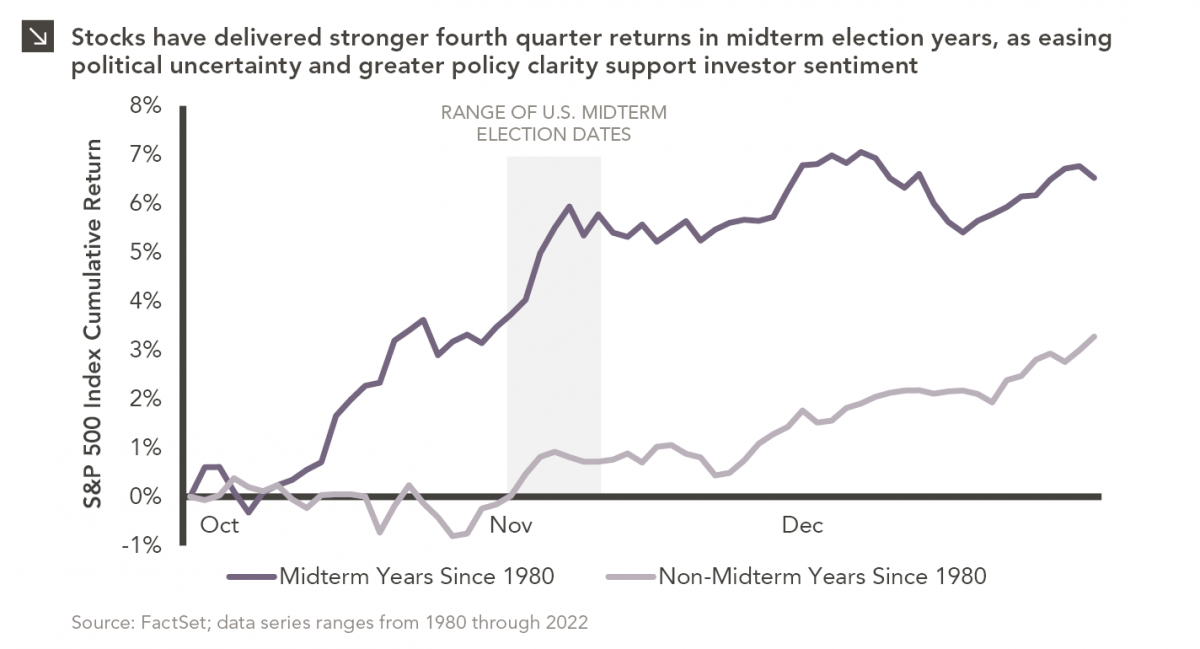
Since 1980, the S&P 500 Index has generally performed well in the weeks surrounding U.S. midterm elections. Specifically, the index…
10.12.2026
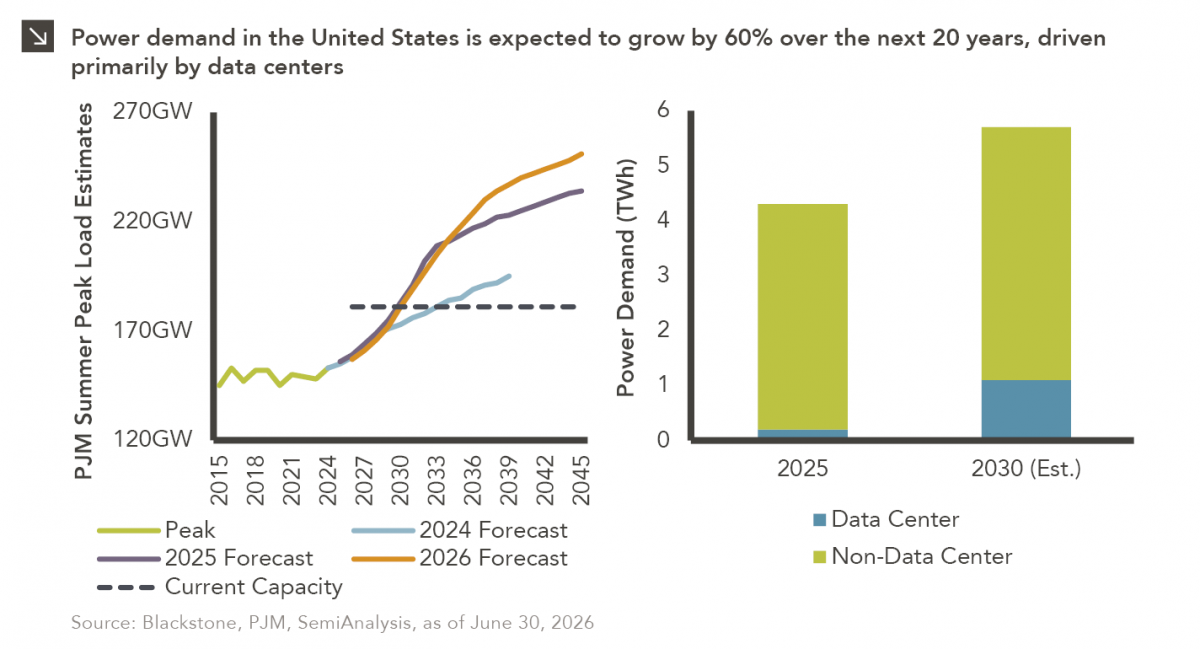
This week’s chart highlights the accelerating growth of electricity demand in the U.S., which has been driven primarily by the…
10.05.2026
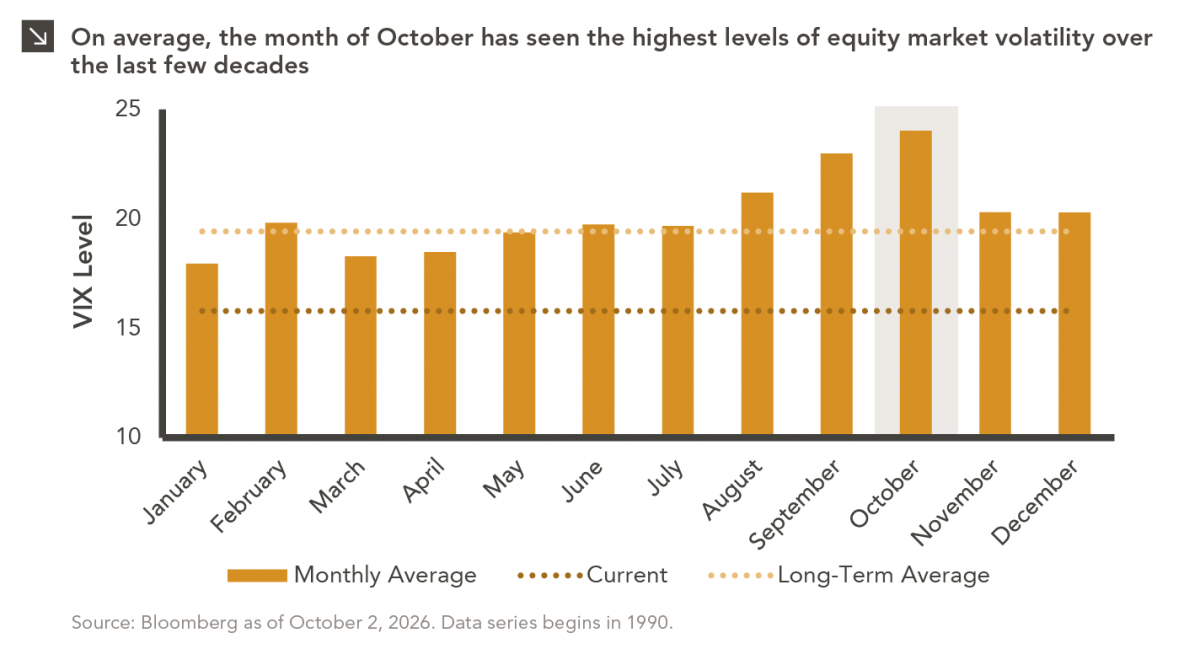
For investors, the spookiest thing about October might not be the ghosts and monsters that are bound to show up…
09.28.2026
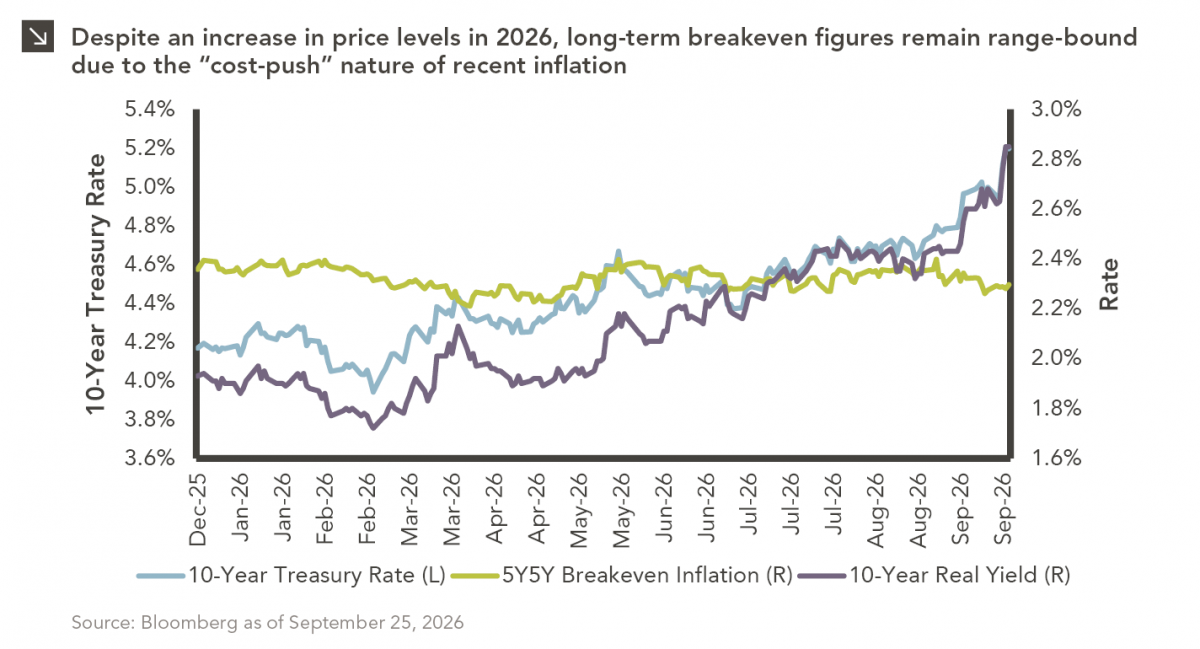
The phrase “expectations of higher inflation” has become a staple in financial news to explain the increase in nominal U.S….
Research alerts keep you updated on our latest research publications. Simply enter your contact information, choose the research alerts you would like to receive and click Subscribe. Alerts will be sent as research is published.
We respect your privacy. We will never share or sell your information.
If you have questions or need further information, please contact us directly and we will respond to your inquiry within 24 hours.
Contact Us >