10.22.2026
Will Higher Rates Cramp the Markets?
Anyone who has run a marathon knows the last six miles are brutal — no matter how well the first…


In a time when there is a lot of fear and uncertainty surrounding political turmoil, geopolitical issues, and tension with North Korea, the market appears remarkably calm. For this week’s chart of the week we take a look at the widely followed CBOE Volatility Index (VIX) which is considered to be the best gauge for expected fear in the markets over the next 30 days. On October 5th, the VIX dropped to a 23-year low closing at 9.19, a number not seen in almost two decades. Leading up to this record close was an impressive eight-day stretch of closes below 10, the longest streak of its history.
Why do the markets seem to be resilient to the ever-concerning news cycle? While impossible to know for certain, speculation includes positive macroeconomic signs, stronger earnings growth, gaining popularity of passive index investing, and complacency of the markets. Although the VIX is well below its historical average of 19, it is worth noting that fear can quickly resurface. In the meantime, it will be interesting to see if further VIX index levels can be achieved which would likely be paired with the markets reaching additional record highs.
The opinions expressed herein are those of Marquette Associates, Inc. (“Marquette”), and are subject to change without notice. This material is not financial advice or an offer to purchase or sell any product. Marquette reserves the right to modify its current investment strategies and techniques based on changing market dynamics or client needs.
The opinions expressed herein are those of Marquette Associates, Inc. (“Marquette”), and are subject to change without notice. This material is not financial advice or an offer to purchase or sell any product. Marquette reserves the right to modify its current investment strategies and techniques based on changing market dynamics or client needs.

10.22.2026
Anyone who has run a marathon knows the last six miles are brutal — no matter how well the first…
10.19.2026
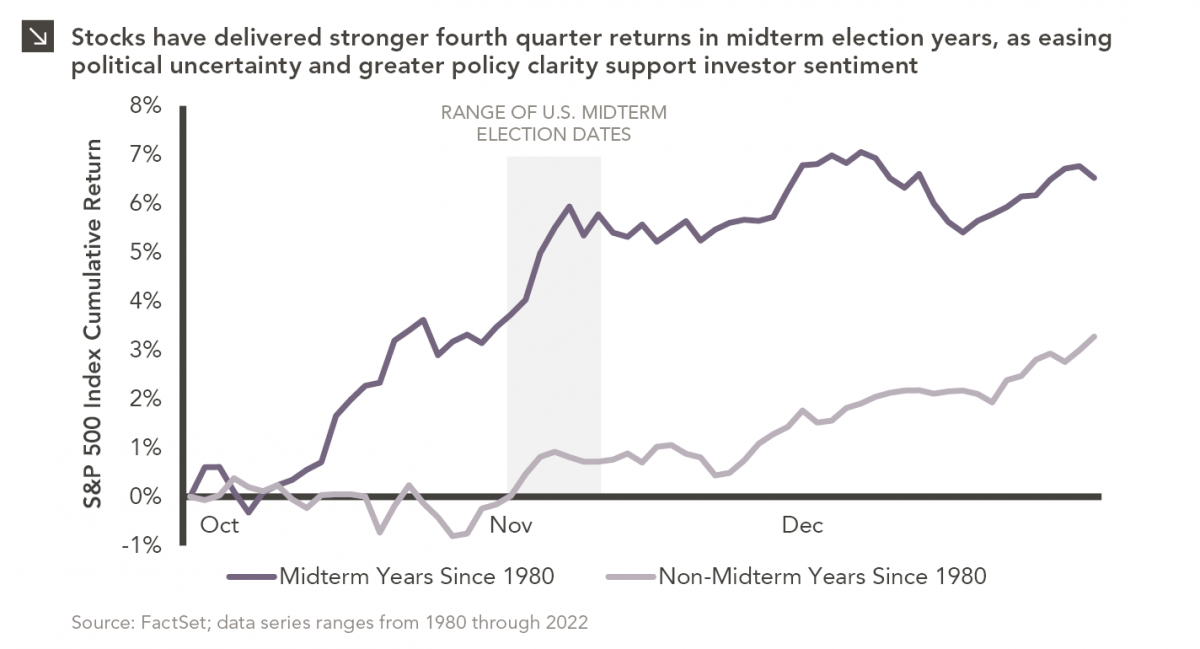
Since 1980, the S&P 500 Index has generally performed well in the weeks surrounding U.S. midterm elections. Specifically, the index…
10.12.2026
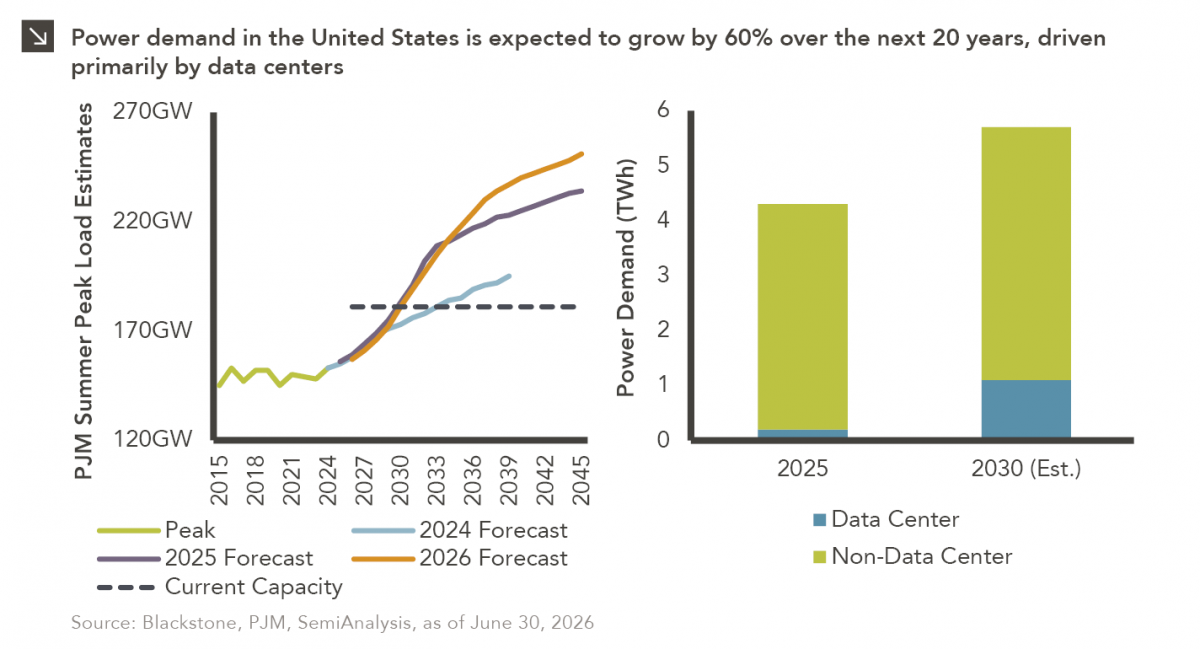
This week’s chart highlights the accelerating growth of electricity demand in the U.S., which has been driven primarily by the…
10.08.2026
LIVE WEBINAR — OCTOBER 22 Please join Marquette’s research team for our 3Q 2026 Market Insights Webinar…
10.05.2026
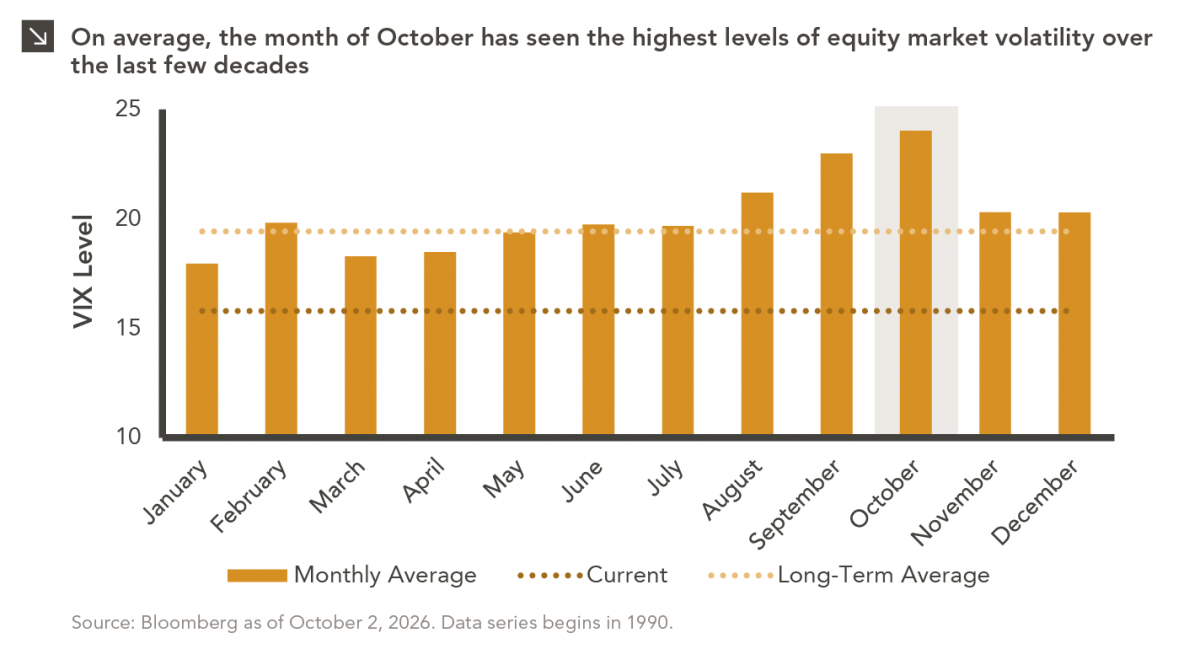
For investors, the spookiest thing about October might not be the ghosts and monsters that are bound to show up…
09.28.2026
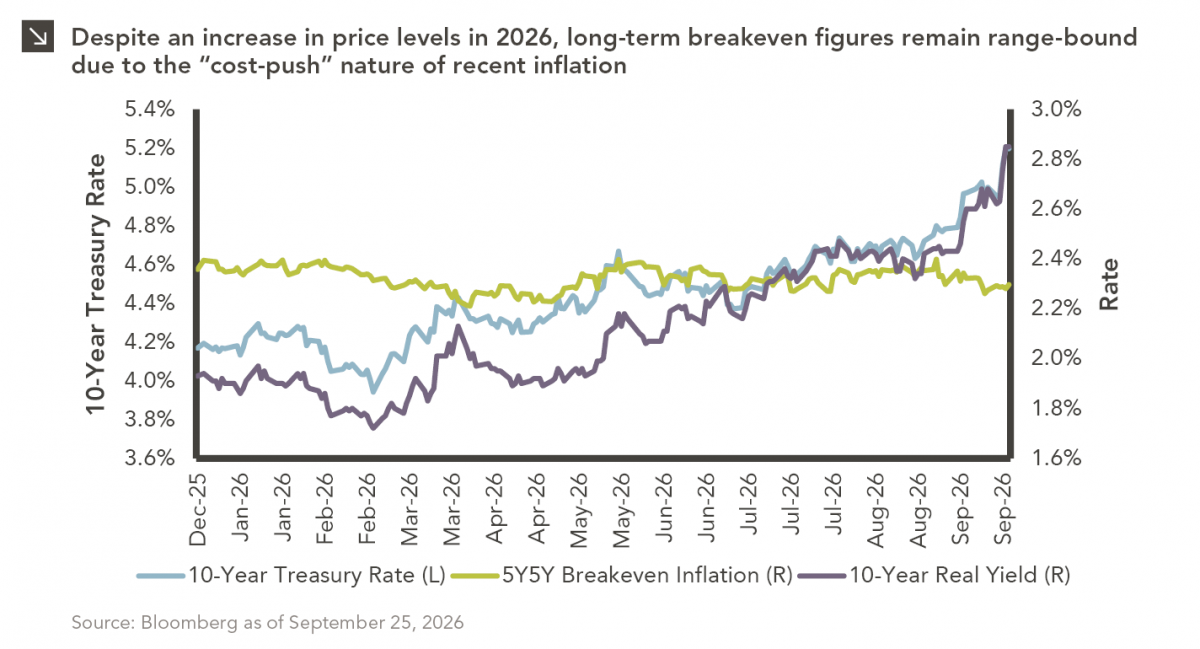
The phrase “expectations of higher inflation” has become a staple in financial news to explain the increase in nominal U.S….
Research alerts keep you updated on our latest research publications. Simply enter your contact information, choose the research alerts you would like to receive and click Subscribe. Alerts will be sent as research is published.
We respect your privacy. We will never share or sell your information.
If you have questions or need further information, please contact us directly and we will respond to your inquiry within 24 hours.
Contact Us >