10.22.2026
Will Higher Rates Cramp the Markets?
Anyone who has run a marathon knows the last six miles are brutal — no matter how well the first…


Over the last 15 years, the U.S. Treasury market has grown from $3.3 trillion in 2000 to $14.3 trillion at the end of 2016; certainly the Financial Crisis and subsequent stimulus programs have contributed to this massive growth. Throughout this period, foreign demand has constituted a consistent 40–50% of the market for U.S. Treasuries. However, the demand has shifted over the years, and our chart of the week chronicles the evolution of foreign buyers and sellers of U.S. Treasuries from 2000 through 2016. Perhaps most notable is that in 2015, foreign demand began to wane as China and other emerging market nations began to defend their currencies against appreciation and consequently reallocated away from U.S. debt.
On Monday, former Federal Reserve Chairs Bernanke and Greenspan spoke about the Federal Reserve’s balance sheet and the United States debt market. Bernanke believes the Federal Reserve should aim to reduce its balance sheet from $4.4 trillion to somewhere in the range of $2.3–2.8 trillion. Of the Federal Reserve’s $4.4 trillion in assets, approximately $2.5 trillion are U.S. Treasury Securities. From 2019-2026, $250 billion in Treasury securities will reach maturity each year. These securities will have to be rolled over in addition to any further deficit spending. To avoid this constant debt overhang, the administration is considering “ultra-long-term bonds”, which would push the repayment of this debt to beyond 2049. Ultimately, the declining foreign demand for U.S. Treasuries combined with the Trump Administration’s plans to cut taxes and increase spending could make it difficult for the Federal Reserve to reduce its balance sheet without facing higher yield demands at Treasury auctions.
The opinions expressed herein are those of Marquette Associates, Inc. (“Marquette”), and are subject to change without notice. This material is not financial advice or an offer to purchase or sell any product. Marquette reserves the right to modify its current investment strategies and techniques based on changing market dynamics or client needs.

10.22.2026
Anyone who has run a marathon knows the last six miles are brutal — no matter how well the first…
10.19.2026
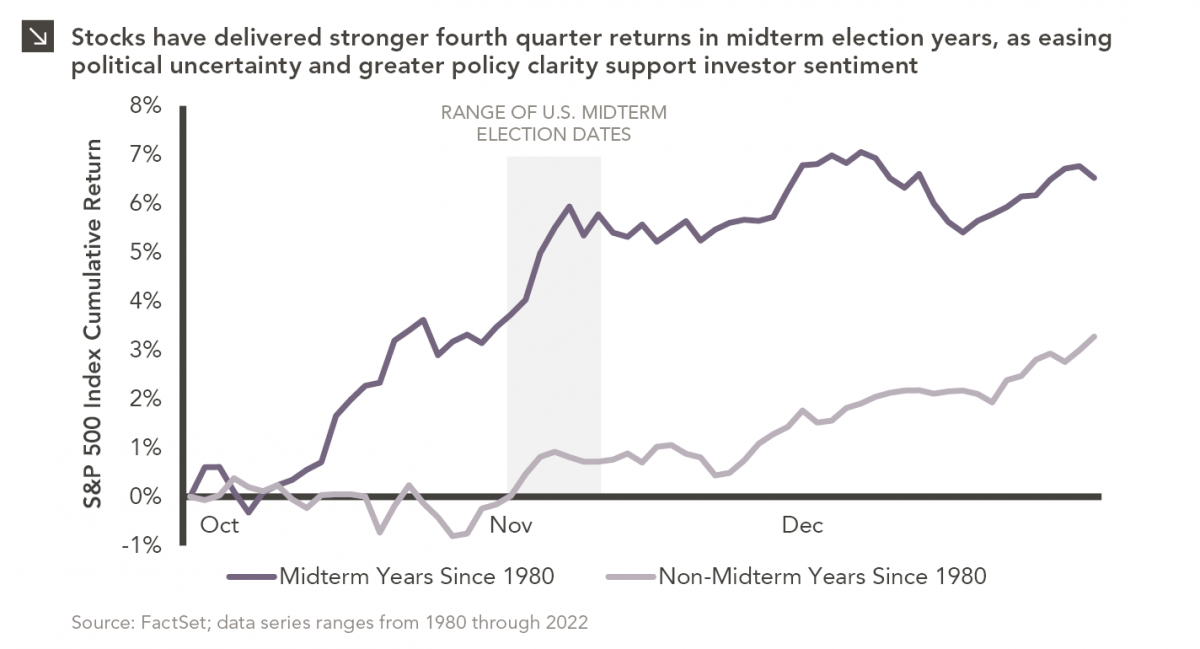
Since 1980, the S&P 500 Index has generally performed well in the weeks surrounding U.S. midterm elections. Specifically, the index…
10.12.2026
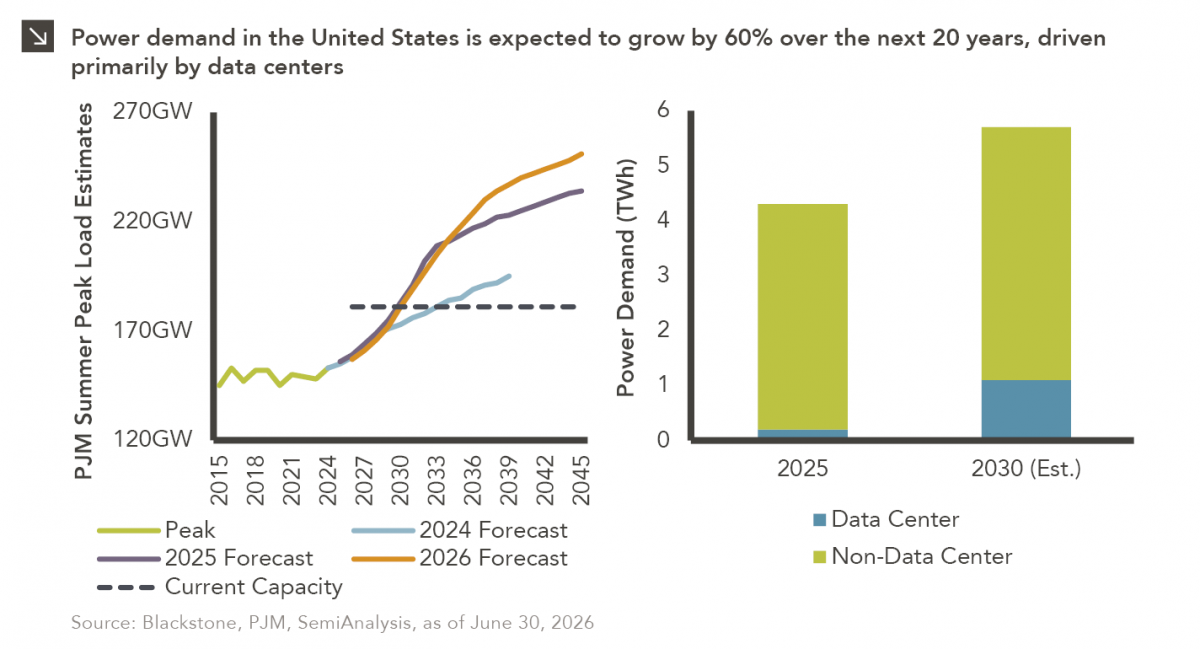
This week’s chart highlights the accelerating growth of electricity demand in the U.S., which has been driven primarily by the…

10.08.2026
LIVE WEBINAR — OCTOBER 22 Please join Marquette’s research team for our 3Q 2026 Market Insights Webinar…
10.05.2026
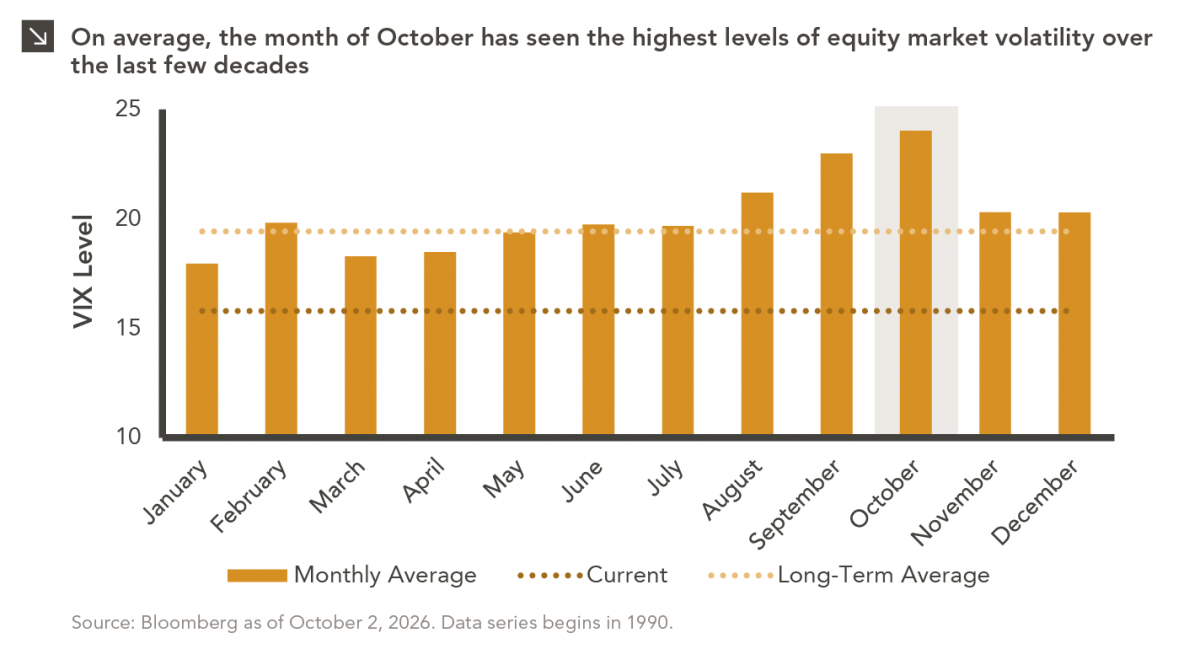
For investors, the spookiest thing about October might not be the ghosts and monsters that are bound to show up…
09.28.2026
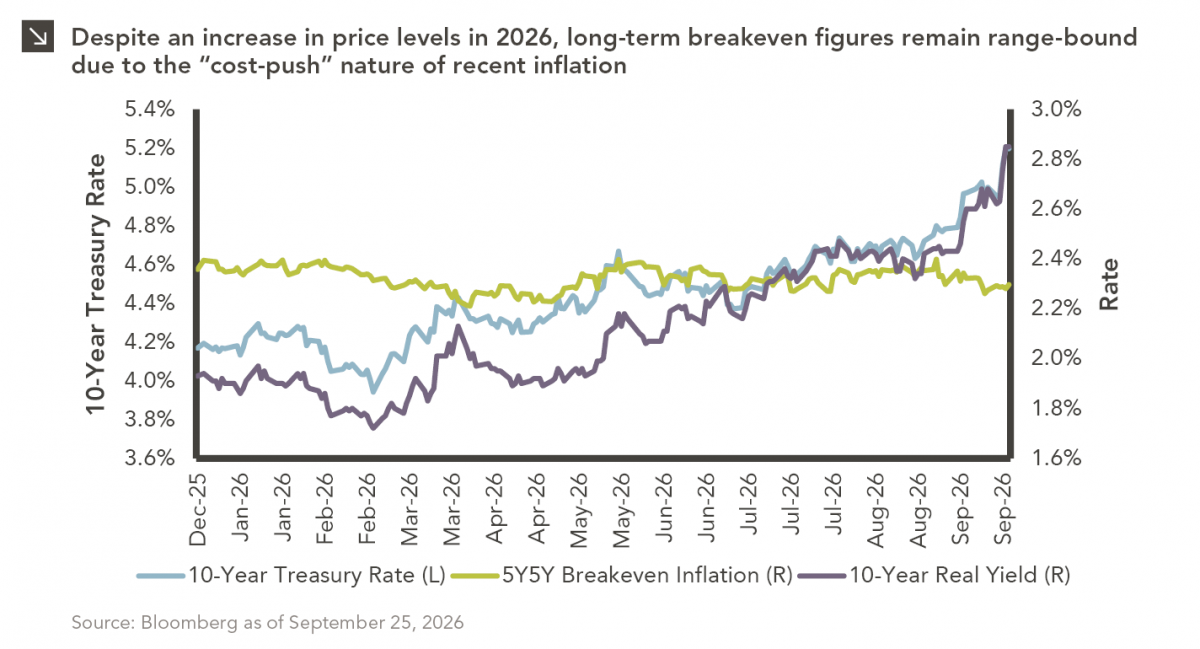
The phrase “expectations of higher inflation” has become a staple in financial news to explain the increase in nominal U.S….
Research alerts keep you updated on our latest research publications. Simply enter your contact information, choose the research alerts you would like to receive and click Subscribe. Alerts will be sent as research is published.
We respect your privacy. We will never share or sell your information.
If you have questions or need further information, please contact us directly and we will respond to your inquiry within 24 hours.
Contact Us >