Mike Spychalski, CAIA
Vice President


This week’s Chart of the Week shows what is commonly referred to as a “Periodic Table of Investment Returns.” It is a table showing historic calendar year returns for various asset classes ranked in order of performance from best to worst. One of the key takeaways from this table is that 2015 was a particularly challenging year for investment returns. With the exception of real estate, there were no major asset classes that posted double-digit gains in 2015, and except for emerging market equities, there were no major asset classes that posted double-digit losses for the year. In an environment where most asset classes posted low single-digit returns for the year (either positive or negative), it was extremely difficult for diversified portfolios to achieve their target rates of return in 2015.
The other key takeaway from this table is the importance of diversification within a portfolio. As seen in the table, there has been very little consistency in the best and worst performing asset class from year to year. In fact, since 2007 just about every asset class that was the best performing asset class for a year was also the worst performing asset class for a year during this time frame. Just because an asset class performs well in one year it will not necessarily perform well the next, and just because an asset class performs poorly in one year it will not necessarily perform poorly again the next. This illustrates the importance of adhering to strategic asset allocation targets and rebalancing portfolios back to targets over time.
1Represents YTD return as of 9/30/15. 4Q 2015 returns are not yet available.
2Represents YTD return as of 11/30/15. December 2015 returns are not yet available.
| Asset Class | Benchmark |
| Large Cap | Russell 1000 |
| Mid Cap | Russell Mid Cap |
| Small Cap | Russell 2000 |
| Core Fixed | Barclays US Agg Bond |
| High Yield | Barclays US Corporate High Yield |
| Bank Loans | Credit Suisse Leveraged Loan |
| Developed Lg Cap | MSCI EAFE |
| Developed Sm Cap | MSCI EAFE Small Cap |
| Emerging Markets | MSCI EM |
| Real Estate | NFI |
| Hedge Funds | HFRI FOF: Diversified Index |
| Private Equity | Cambridge All PE |

The opinions expressed herein are those of Marquette Associates, Inc. (“Marquette”), and are subject to change without notice. This material is not financial advice or an offer to purchase or sell any product. Marquette reserves the right to modify its current investment strategies and techniques based on changing market dynamics or client needs.
10.12.2026
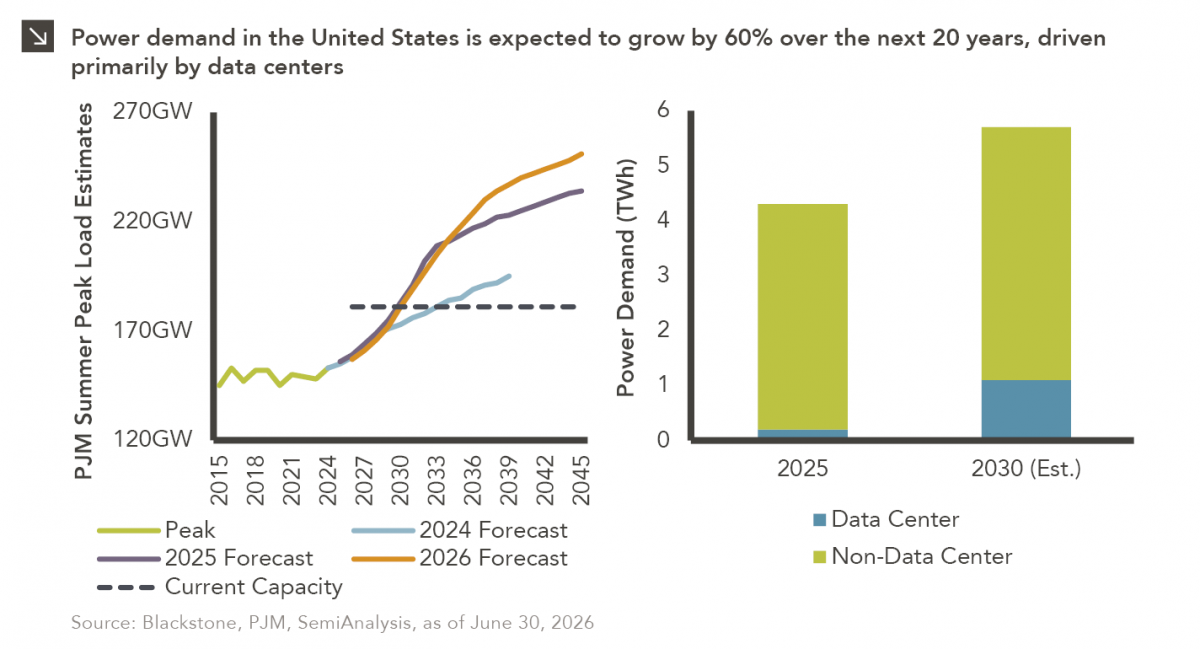
This week’s chart highlights the accelerating growth of electricity demand in the U.S., which has been driven primarily by the…

10.08.2026
LIVE WEBINAR — OCTOBER 22 Please join Marquette’s research team for our 3Q 2026 Market Insights Webinar…
10.05.2026
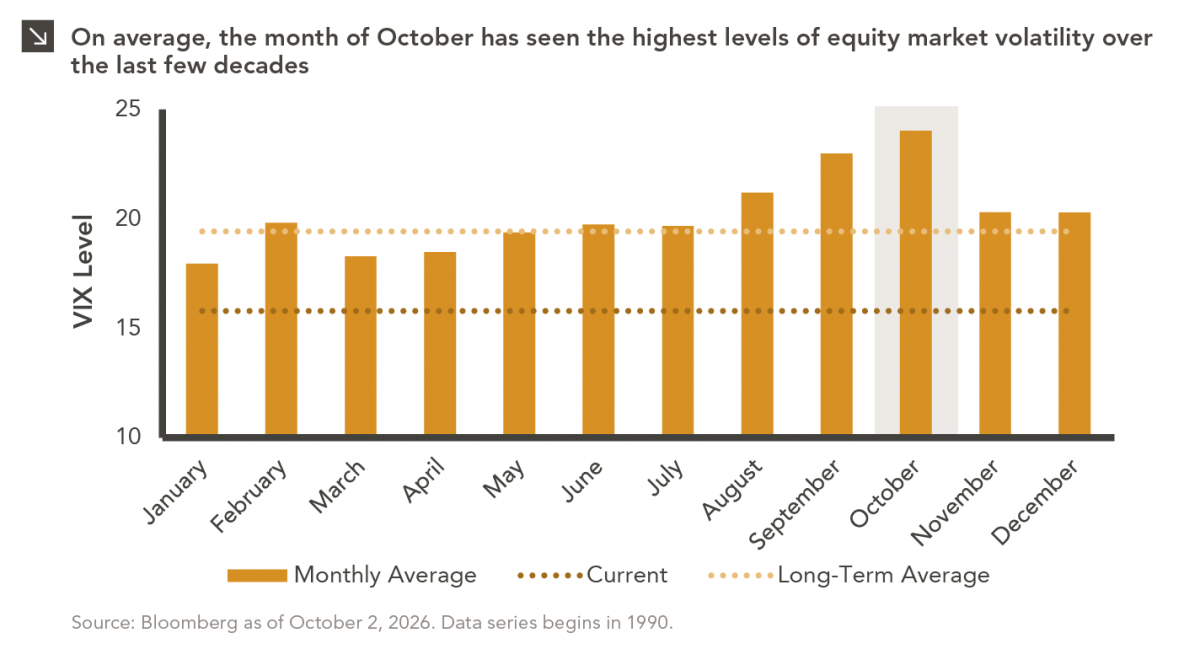
For investors, the spookiest thing about October might not be the ghosts and monsters that are bound to show up…
09.28.2026
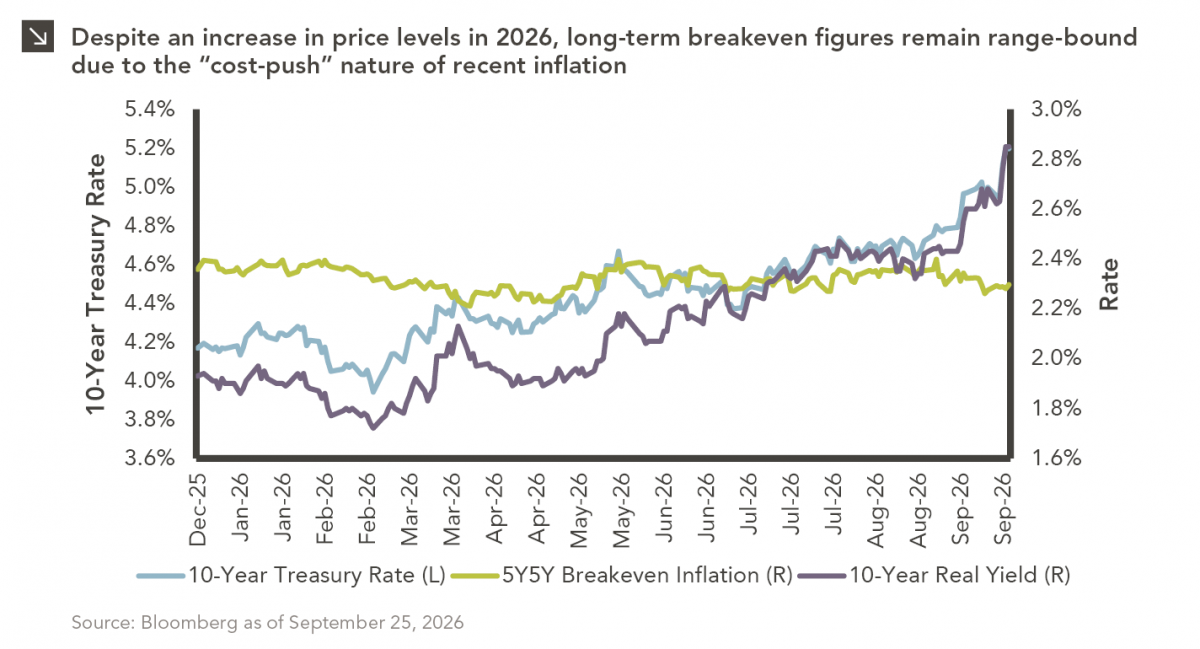
The phrase “expectations of higher inflation” has become a staple in financial news to explain the increase in nominal U.S….
09.21.2026
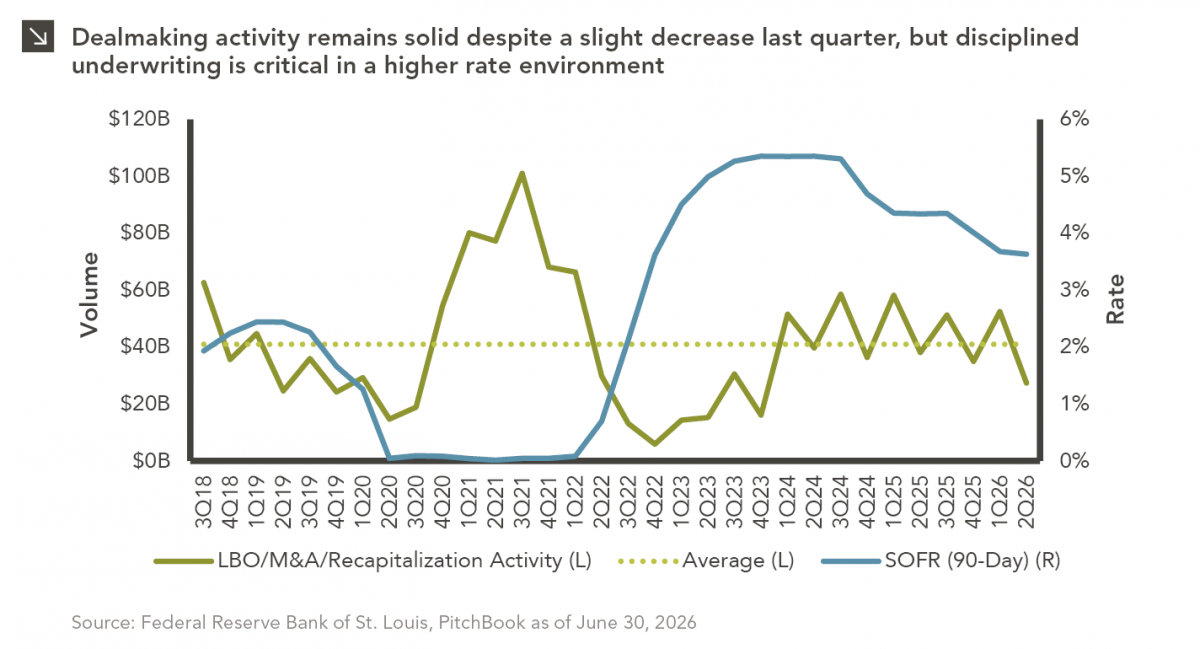
For much of the past several years, the conventional view has been that higher interest rates and stretched valuations would…
09.14.2026
There are many great things about working at Marquette Associates, but “Free Lunch Tuesday” is right at the top of…
Research alerts keep you updated on our latest research publications. Simply enter your contact information, choose the research alerts you would like to receive and click Subscribe. Alerts will be sent as research is published.
We respect your privacy. We will never share or sell your information.
If you have questions or need further information, please contact us directly and we will respond to your inquiry within 24 hours.
Contact Us >