Nat Kellogg, CFA
President


The election of Donald Trump last week caught the market by surprise and created a significant amount of volatility and dispersion across the U.S. equity market. One area of note was the huge outperformance of small-caps (up 7.7% from November 8–11) vs. large-caps (up 1.2% November 8–11). The Republicans made it a clean sweep Tuesday night, winning the White House and maintaining control of the House of Representatives and the Senate. While there is a lot of policy uncertainty as a result of this election, the market now believes there is a high likelihood of corporate tax reform being passed some time in 2017. Donald Trump’s plan calls for a reduction of the corporate rate from the current level of 35% (one of the highest rates in the world) to just 15%. Paul Ryan previously put forward a plan for corporate tax reform that would lower the rate to 20%.
While a cut in corporate taxes is likely to benefit all companies, our chart of the week shows that small-cap companies pay a much higher effective rate (i.e., the rate they actually pay after deductions and credits) than their large-cap peers. This is primarily because large multi-national companies generate a significant portion of their earnings in lower tax countries, while small-cap companies tend to be domestically focused, and thus pay very close to the U.S. statutory rate.
If the corporate tax rate is cut to 20%, this will result in a much larger increase in earnings for small-cap companies compared to large-cap firms (shown by the green dots on the graph). Optimism that this increase in earnings from a tax cut will materialize at some point next year is one of the key factors that drove the outperformance of small-caps last week.

The opinions expressed herein are those of Marquette Associates, Inc. (“Marquette”), and are subject to change without notice. This material is not financial advice or an offer to purchase or sell any product. Marquette reserves the right to modify its current investment strategies and techniques based on changing market dynamics or client needs.
10.19.2026
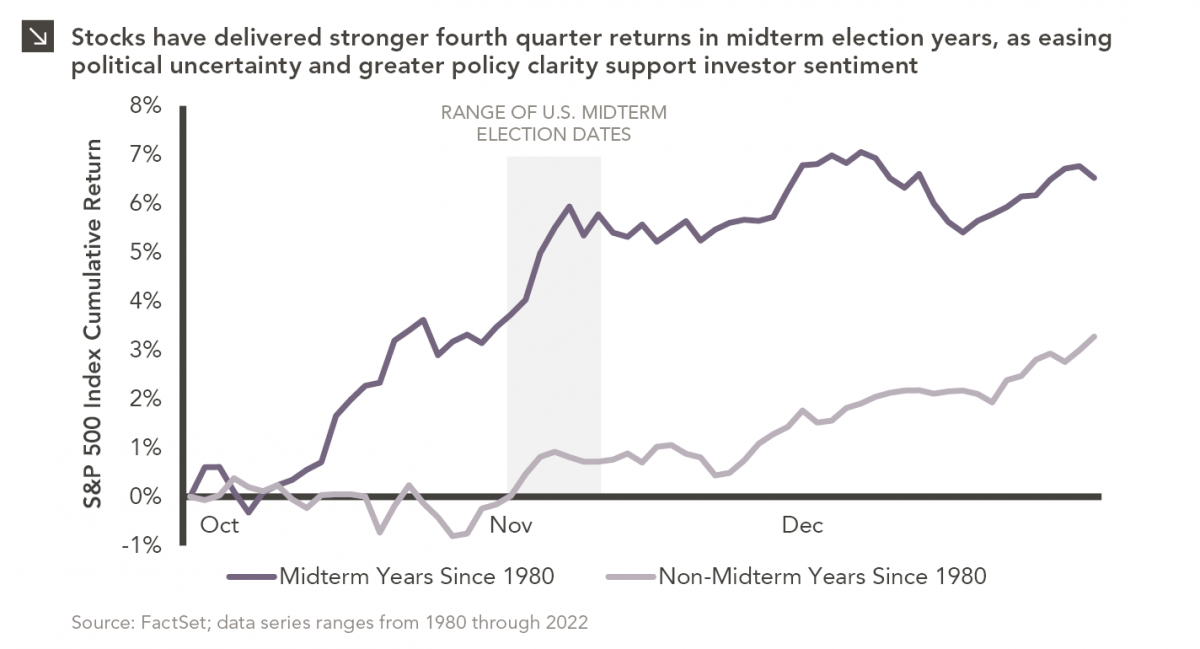
Since 1980, the S&P 500 Index has generally performed well in the weeks surrounding U.S. midterm elections. Specifically, the index…
10.12.2026
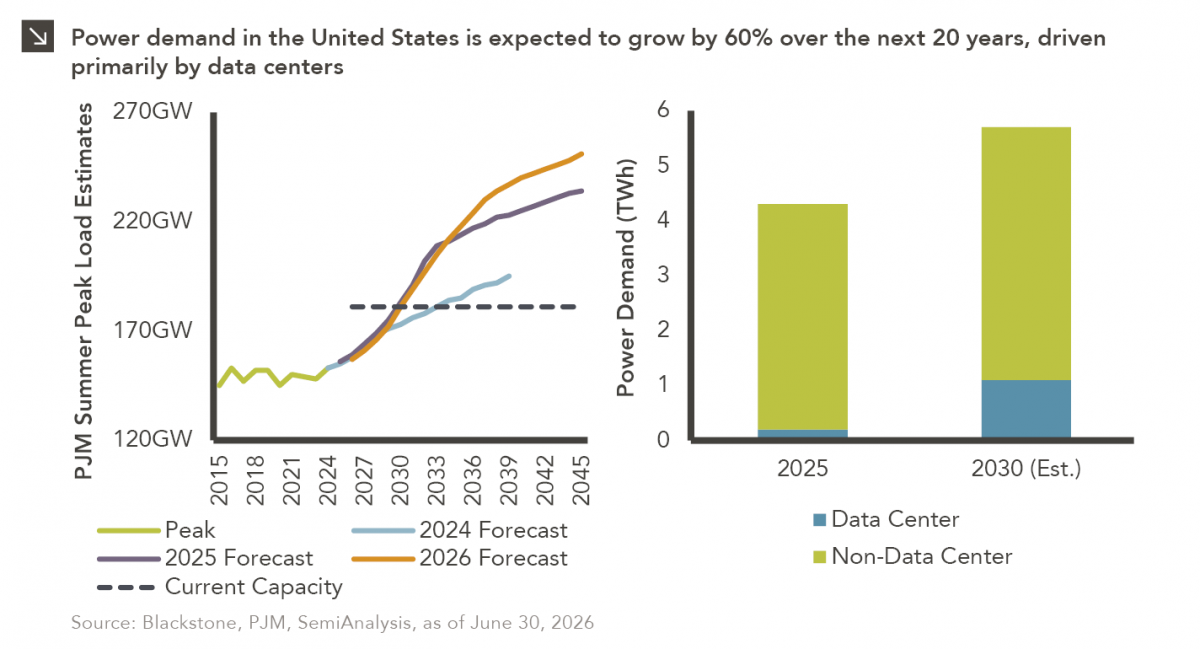
This week’s chart highlights the accelerating growth of electricity demand in the U.S., which has been driven primarily by the…

10.08.2026
LIVE WEBINAR — OCTOBER 22 Please join Marquette’s research team for our 3Q 2026 Market Insights Webinar…
10.05.2026
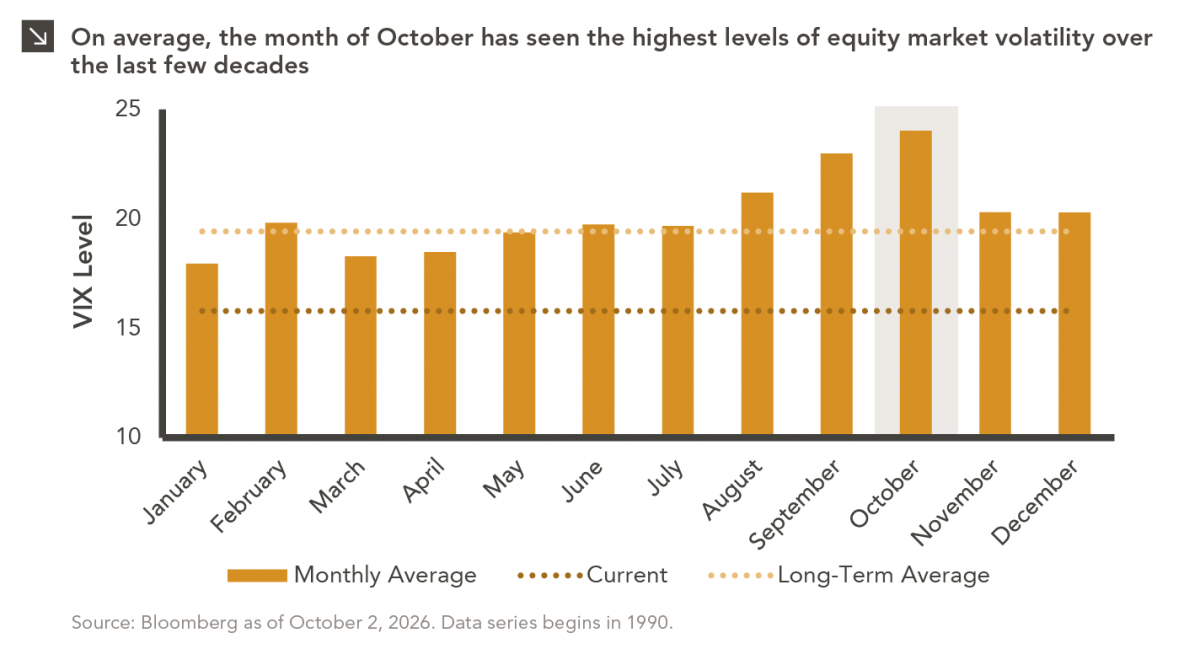
For investors, the spookiest thing about October might not be the ghosts and monsters that are bound to show up…

09.28.2026
The phrase “expectations of higher inflation” has become a staple in financial news to explain the increase in nominal U.S….
09.21.2026
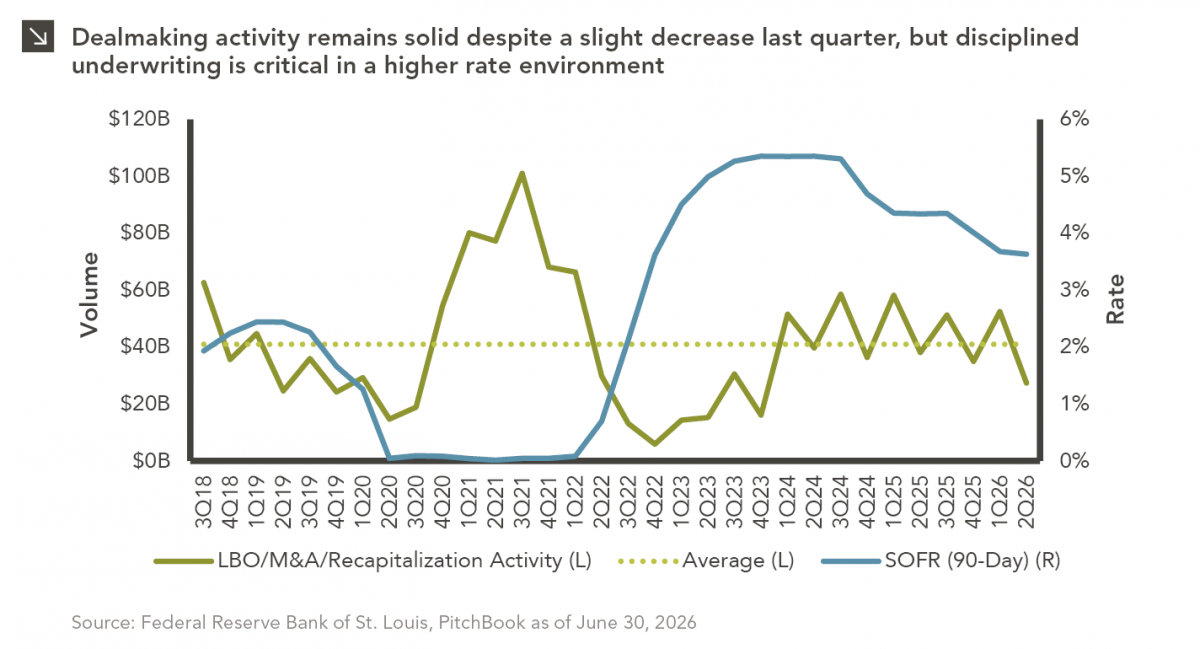
For much of the past several years, the conventional view has been that higher interest rates and stretched valuations would…
Research alerts keep you updated on our latest research publications. Simply enter your contact information, choose the research alerts you would like to receive and click Subscribe. Alerts will be sent as research is published.
We respect your privacy. We will never share or sell your information.
If you have questions or need further information, please contact us directly and we will respond to your inquiry within 24 hours.
Contact Us >