10.08.2026
3Q 2026 Market Insights
This video is a recording of a live webinar held October 22 by Marquette’s research team analyzing the third quarter…


When Argentina President Mauricio Macri was elected in 2015, he brought along a pro-business agenda, which reopened the country’s financial markets bringing investors — including hedge funds — back into the country. As hedge funds returned, their investments in both debt and equity were on the presumption that Argentina would not default on its debt, and economic growth would strengthen. Unfortunately, those bets were hit hard following a disappointing showing for Macri in August’s primary election. Bonds across the Argentina complex sold off to distressed levels as investors expressed concerns that Alberto Fernández, the Peronist candidate, would return the Peronist movement back to power. Investors feared market overhauls made by Macri would be undone by Fernández and the Peronist party.
On October 27th, the Peronist movement was voted back into power when Fernández received 48% of the vote. Despite the election result, hedge funds remain invested across the Argentina debt complex with the view that Fernández will not allow Argentina’s bonds to default. It remains to be seen if that will happen, but hedge funds remain long on this distressed credit despite taking a large haircut to their positions in August. These managers have quite the hole to climb out of and only time will tell if they are on the right side of this trade; for those with exposure, all eyes will be on Fernandez and any new policies that arise from his regime that could impact these investments.
Print PDF > Will Argentina’s New President Drive Losses for Hedge Funds?
The opinions expressed herein are those of Marquette Associates, Inc. (“Marquette”), and are subject to change without notice. This material is not financial advice or an offer to purchase or sell any product. Marquette reserves the right to modify its current investment strategies and techniques based on changing market dynamics or client needs.

10.08.2026
This video is a recording of a live webinar held October 22 by Marquette’s research team analyzing the third quarter…

10.22.2026
Anyone who has run a marathon knows the last six miles are brutal — no matter how well the first…
10.19.2026
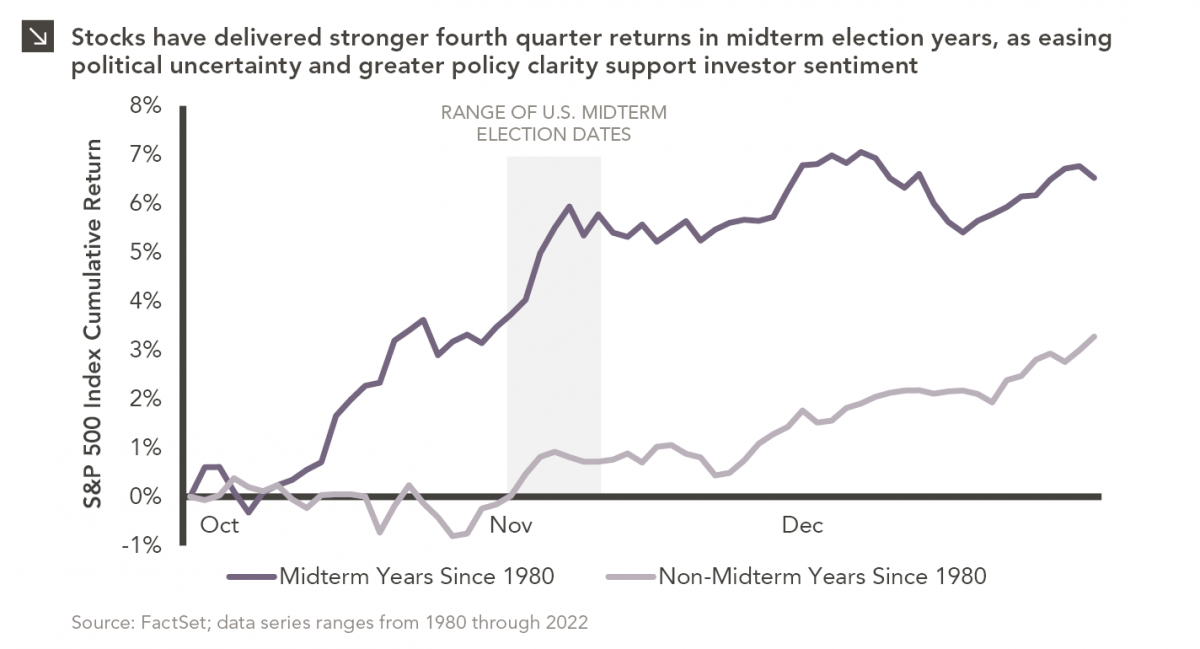
Since 1980, the S&P 500 Index has generally performed well in the weeks surrounding U.S. midterm elections. Specifically, the index…
10.12.2026
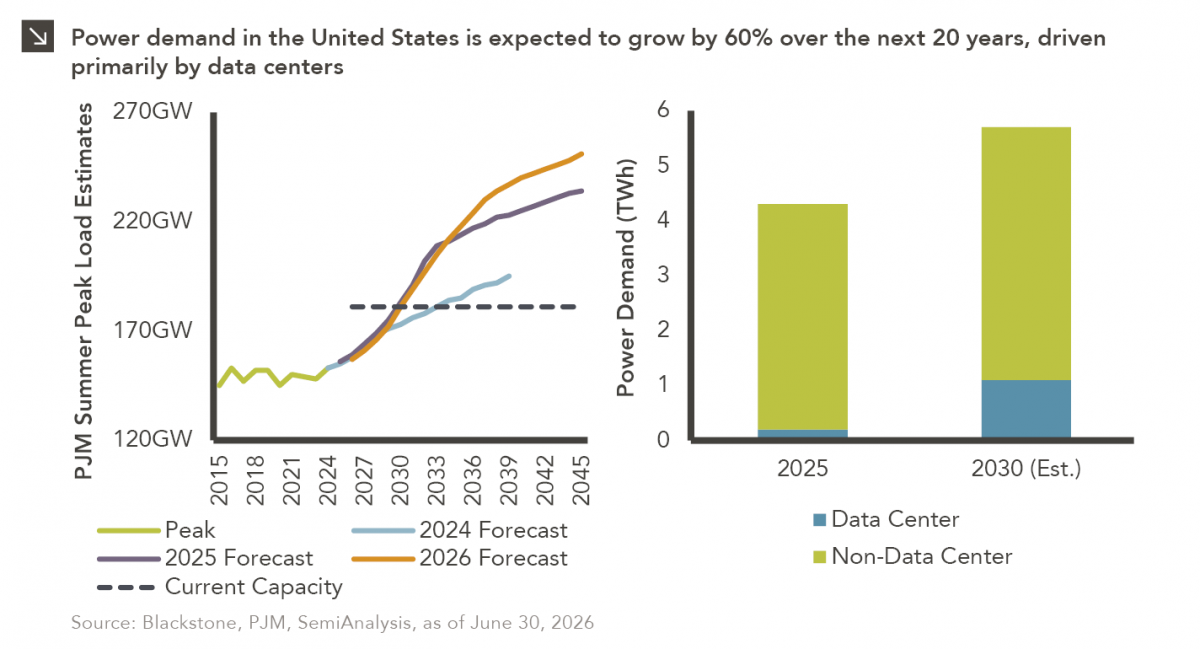
This week’s chart highlights the accelerating growth of electricity demand in the U.S., which has been driven primarily by the…
10.05.2026
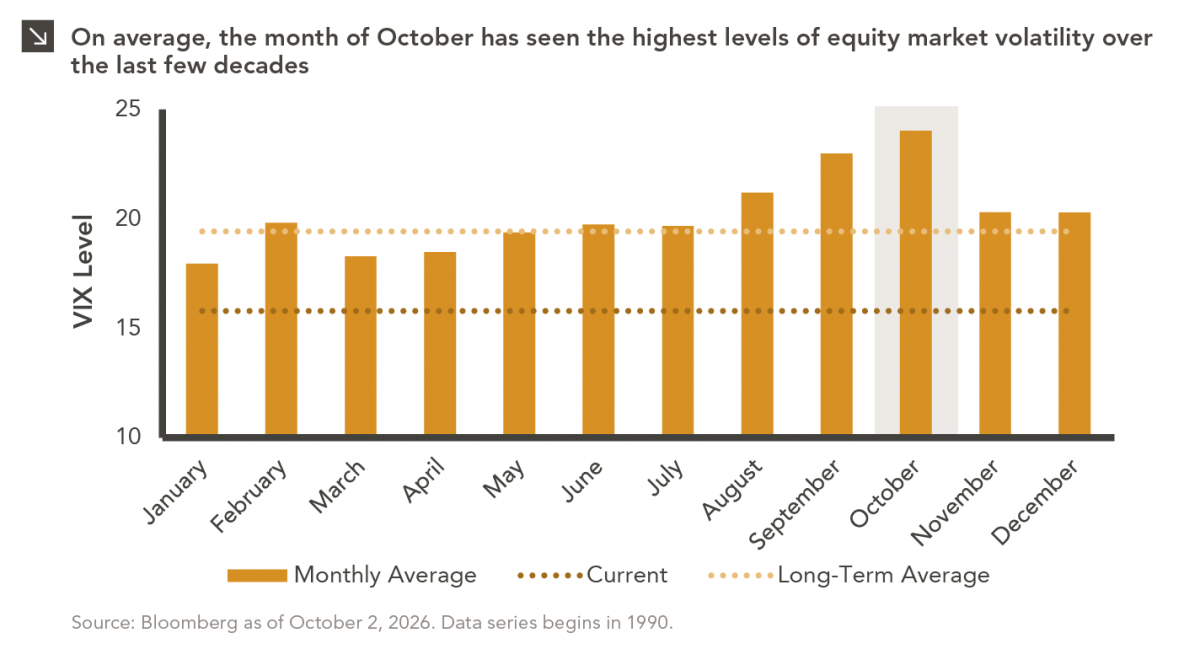
For investors, the spookiest thing about October might not be the ghosts and monsters that are bound to show up…
09.28.2026
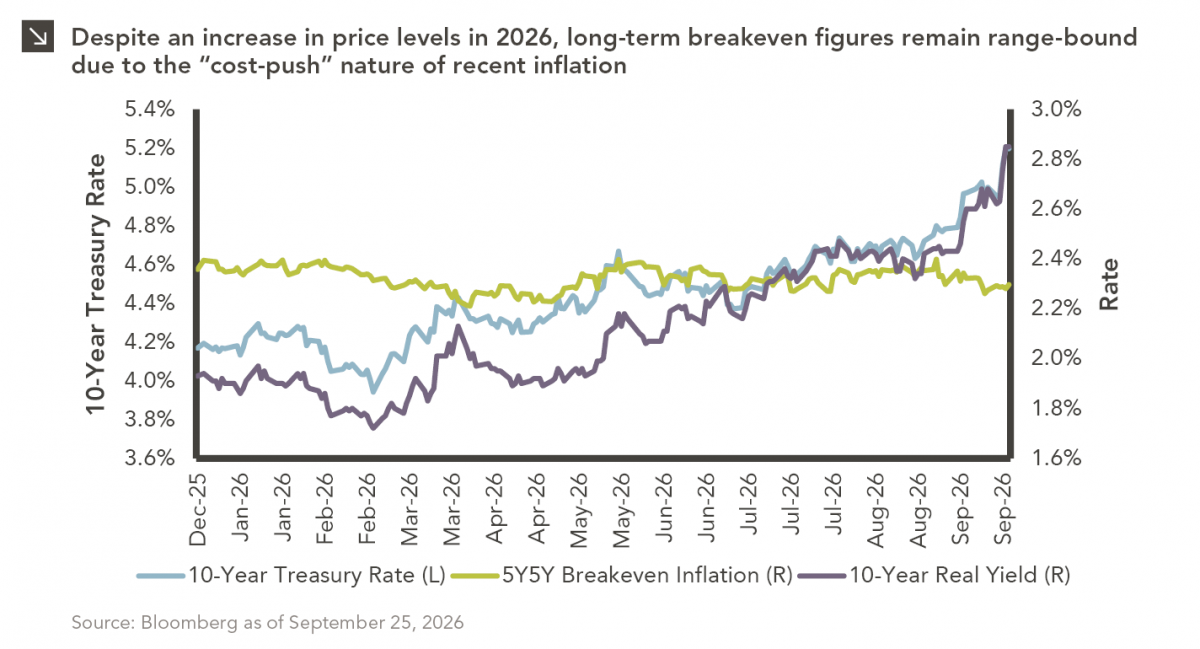
The phrase “expectations of higher inflation” has become a staple in financial news to explain the increase in nominal U.S….
Research alerts keep you updated on our latest research publications. Simply enter your contact information, choose the research alerts you would like to receive and click Subscribe. Alerts will be sent as research is published.
We respect your privacy. We will never share or sell your information.
If you have questions or need further information, please contact us directly and we will respond to your inquiry within 24 hours.
Contact Us >