10.12.2026
The Power Demand Supercycle
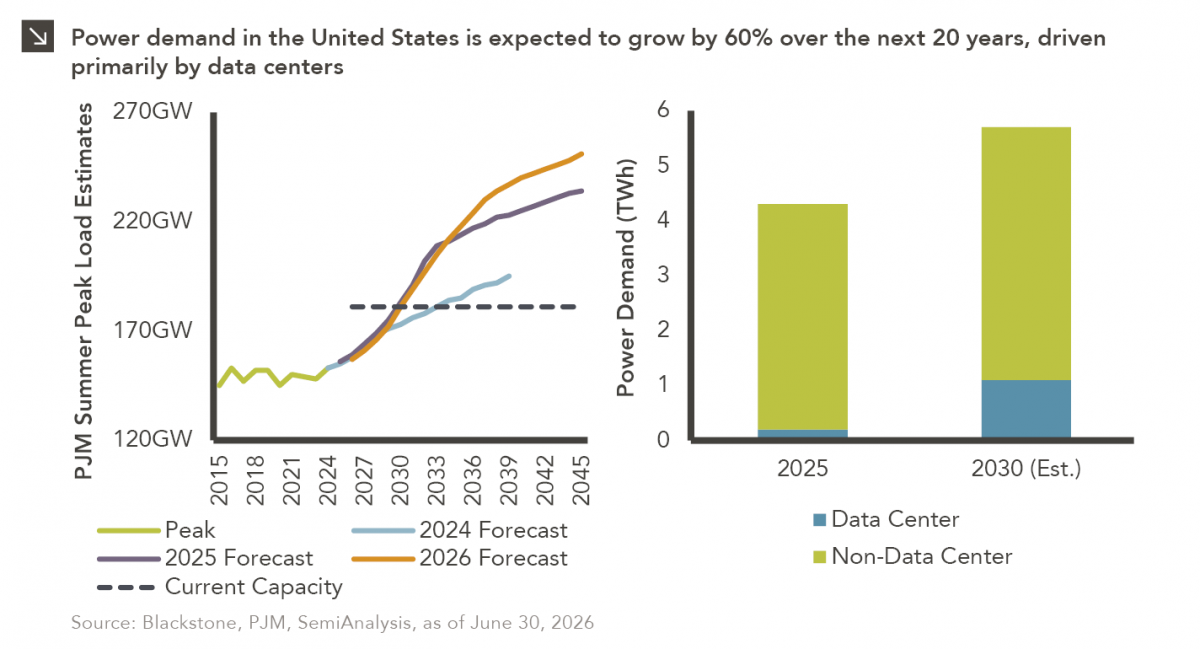
This week’s chart highlights the accelerating growth of electricity demand in the U.S., which has been driven primarily by the…


Our chart this week examines the historical1 total returns of the NCREIF Property Index (“NPI”) during times of rising interest rates. As illustrated in the chart, real estate has historically showed little correlation with interest rates indicating changes in interest rates do not immediately translate to asset prices. In fact, the average annual total return during periods of rising rates is 12.3%; typically rising rates are accompanied by stronger economic growth and/or inflation, both which inevitably draw investors to real assets. It is important to keep in mind, however, that private real estate is valued less frequently than its publicly traded (daily valued) counterparts. This is important because changes in private real estate prices will typically lag changes in interest rates as a result of less frequent valuations.
With interest rates expected to rise further, the spread between the 10-Year Treasury and real estate cap rates will continue to shrink, but strong fundamentals – such as rent growth and economic growth – are much more important than movements in the 10-year Treasury. There is no magic number for the 10-year that would trigger a re-pricing of real estate, but some property types are more susceptible to higher rates such as those with longer-term bond-like leases. Going forward, we believe that a mix of strong fundamentals mixed with stable rising rates will translate into moderate, income-driven returns to core real estate in the mid to high single-digit range.
1Since inception
The opinions expressed herein are those of Marquette Associates, Inc. (“Marquette”), and are subject to change without notice. This material is not financial advice or an offer to purchase or sell any product. Marquette reserves the right to modify its current investment strategies and techniques based on changing market dynamics or client needs.
The opinions expressed herein are those of Marquette Associates, Inc. (“Marquette”), and are subject to change without notice. This material is not financial advice or an offer to purchase or sell any product. Marquette reserves the right to modify its current investment strategies and techniques based on changing market dynamics or client needs.
10.12.2026
This week’s chart highlights the accelerating growth of electricity demand in the U.S., which has been driven primarily by the…

10.08.2026
LIVE WEBINAR — OCTOBER 22 Please join Marquette’s research team for our 3Q 2026 Market Insights Webinar…
10.05.2026
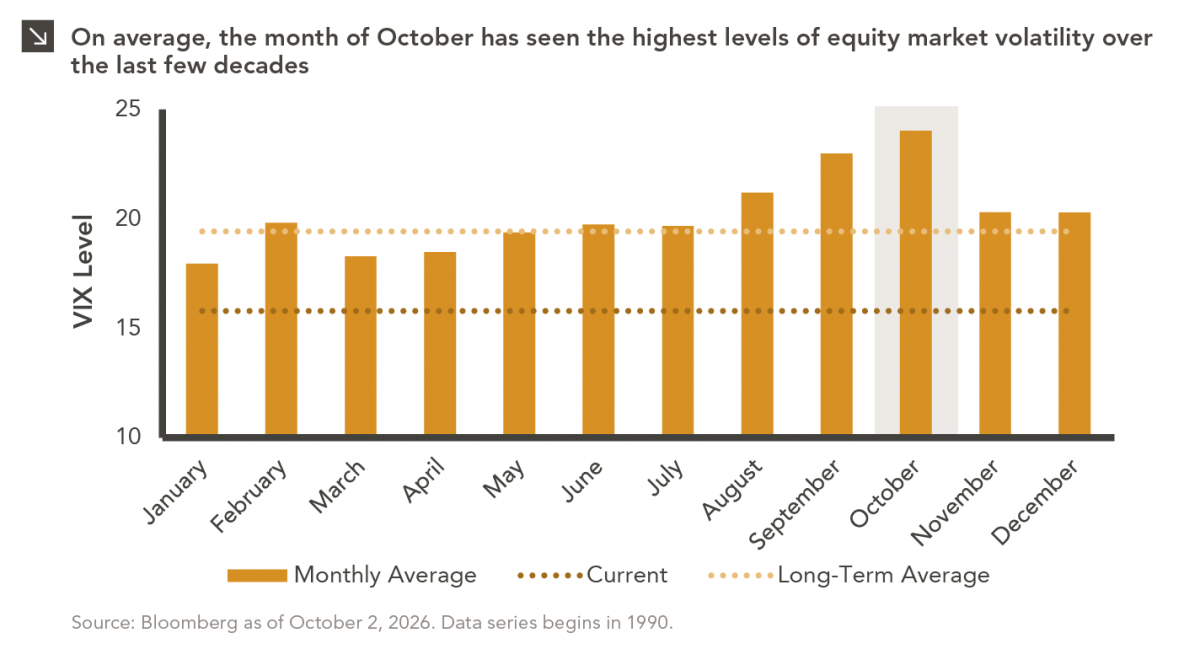
For investors, the spookiest thing about October might not be the ghosts and monsters that are bound to show up…
09.28.2026
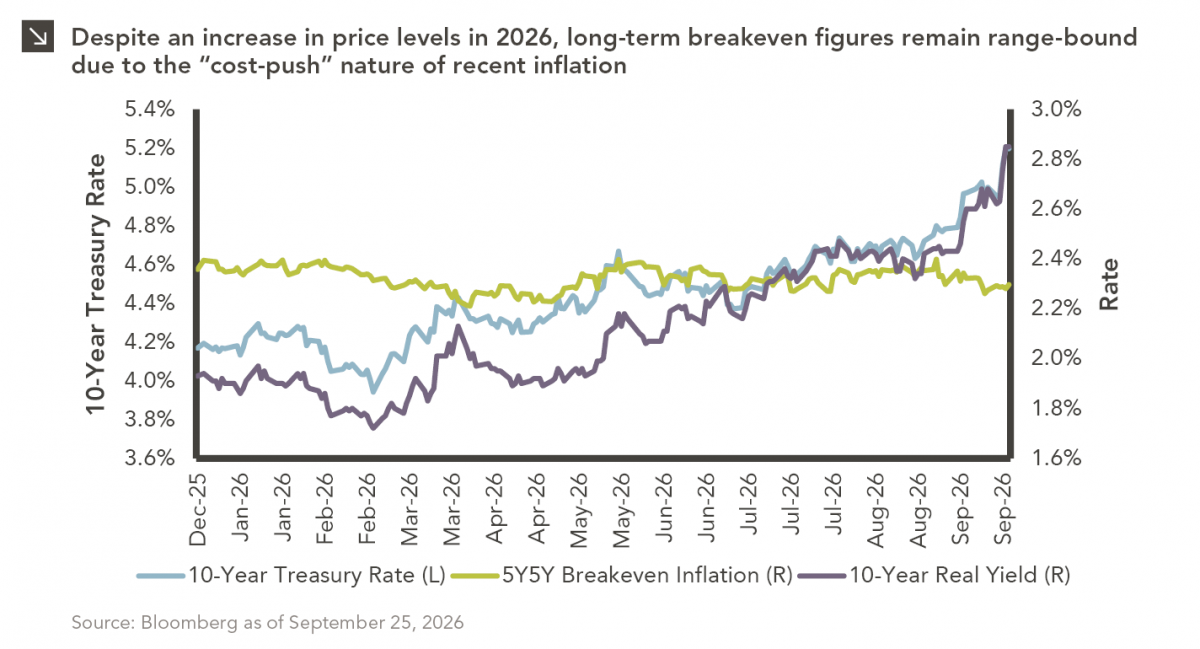
The phrase “expectations of higher inflation” has become a staple in financial news to explain the increase in nominal U.S….
09.21.2026
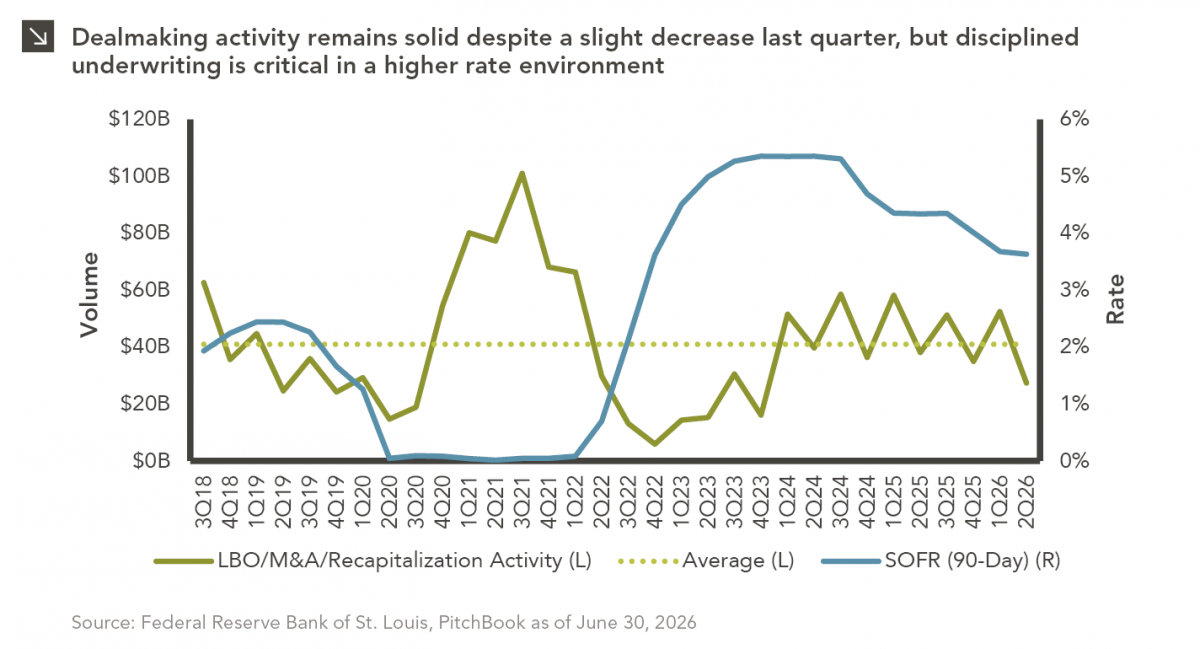
For much of the past several years, the conventional view has been that higher interest rates and stretched valuations would…

09.15.2026
Over the past decade, continuation vehicles (“CV”) have become one of the fastest-growing trends in private equity. Private equity funds…
Research alerts keep you updated on our latest research publications. Simply enter your contact information, choose the research alerts you would like to receive and click Subscribe. Alerts will be sent as research is published.
We respect your privacy. We will never share or sell your information.
If you have questions or need further information, please contact us directly and we will respond to your inquiry within 24 hours.
Contact Us >