10.08.2026
3Q 2026 Market Insights
This video is a recording of a live webinar held October 22 by Marquette’s research team analyzing the third quarter…


M&A activity got off to a fast start in 2018, as over 7,000 deals worth $1.3 trillion in value were announced during the first quarter. A common theme among these deals were complex cross-border transactions. The number of transactions greater than $10 billion doubled to a Q1 record of eighteen versus eight last year.
Health care and media/content related deals dominated the quarter and are expected to continue throughout the year. The largest announced deal was the $55 billion merger between Cigna and Express Scripts, a vertical merger of healthcare providers. Other announced deals in the quarter included Comcast’s $31 billion bid for British broadcaster Sky; Keurig Green Mountain’s $19 billion acquisition of Dr Pepper Snapple Group and French insurer AXA’s $15 billion takeover of XL Group.
The biggest risk to M&A deals going forward? Government intervention remains the elephant in the room. Markets became alarmed following the Department of Justice’s (DOJ) antitrust suit in 4Q 2017 around the Time Warner/AT&T deal. The trial between the companies and the DOJ started on March 19th and is expected to continue over the next few months, with many in the media space following it very closely. Government intervention continued in 2018 as the Trump administration blocked Broadcom’s $117 billion hostile bid for Qualcomm, citing national security concerns. Companies now must spend time analyzing how the U.S. government will view any potential deal. Deal activity will likely remain strong in 2018 if companies feel the U.S. government will remain on the sidelines.
As it relates to investments, the fast start of M&A activity in 2018 has given merger arbitrage hedge funds a diverse set of transactions to invest in. A typical merger arbitrage hedge fund will buy shares of the target company and short the acquiring company by borrowing shares with the hope of repaying them later with lower cost shares. If the deal goes as planned, the target company’s stock price should eventually rise to the agreed per-share transaction price and the acquirer’s price should fall to reflect what it is paying for the deal. Deal spreads widened out in February as equity market volatility returned and concerns about government intervention continued to grow. Despite healthy deal activity, merger arbitrage funds have been carefully analyzing deals and how the current administration is likely to view them, thus adding another dynamic to the traditional merger arbitrage strategy.
The opinions expressed herein are those of Marquette Associates, Inc. (“Marquette”), and are subject to change without notice. This material is not financial advice or an offer to purchase or sell any product. Marquette reserves the right to modify its current investment strategies and techniques based on changing market dynamics or client needs.
The opinions expressed herein are those of Marquette Associates, Inc. (“Marquette”), and are subject to change without notice. This material is not financial advice or an offer to purchase or sell any product. Marquette reserves the right to modify its current investment strategies and techniques based on changing market dynamics or client needs.

10.08.2026
This video is a recording of a live webinar held October 22 by Marquette’s research team analyzing the third quarter…

10.22.2026
Anyone who has run a marathon knows the last six miles are brutal — no matter how well the first…
10.19.2026
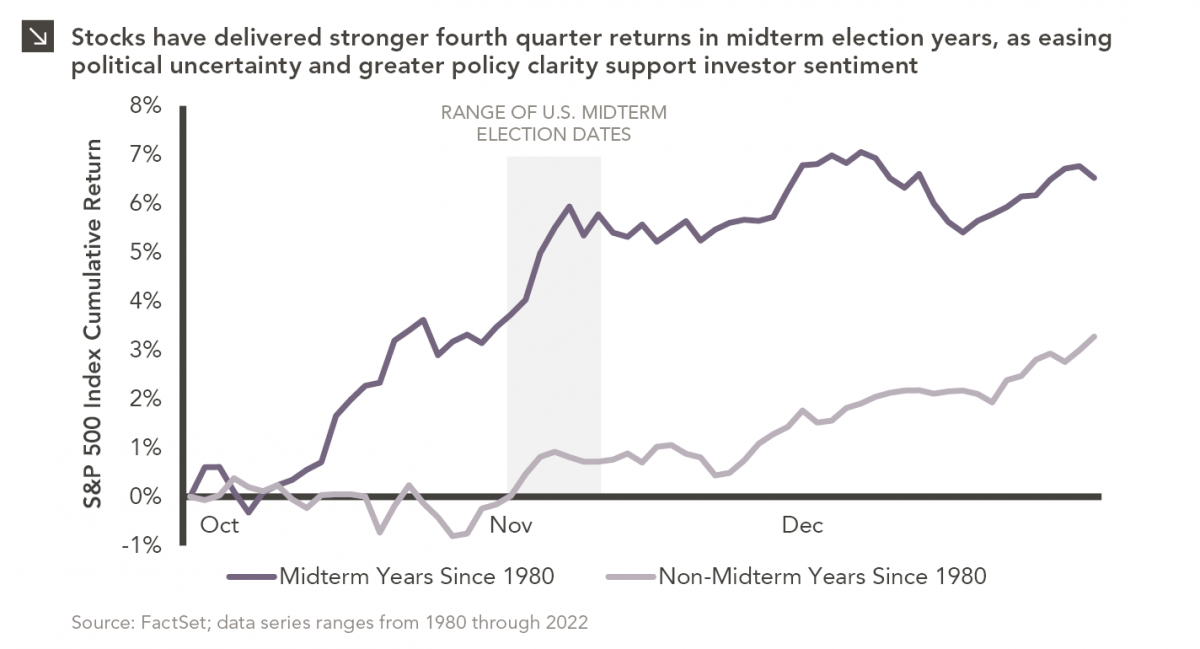
Since 1980, the S&P 500 Index has generally performed well in the weeks surrounding U.S. midterm elections. Specifically, the index…
10.12.2026
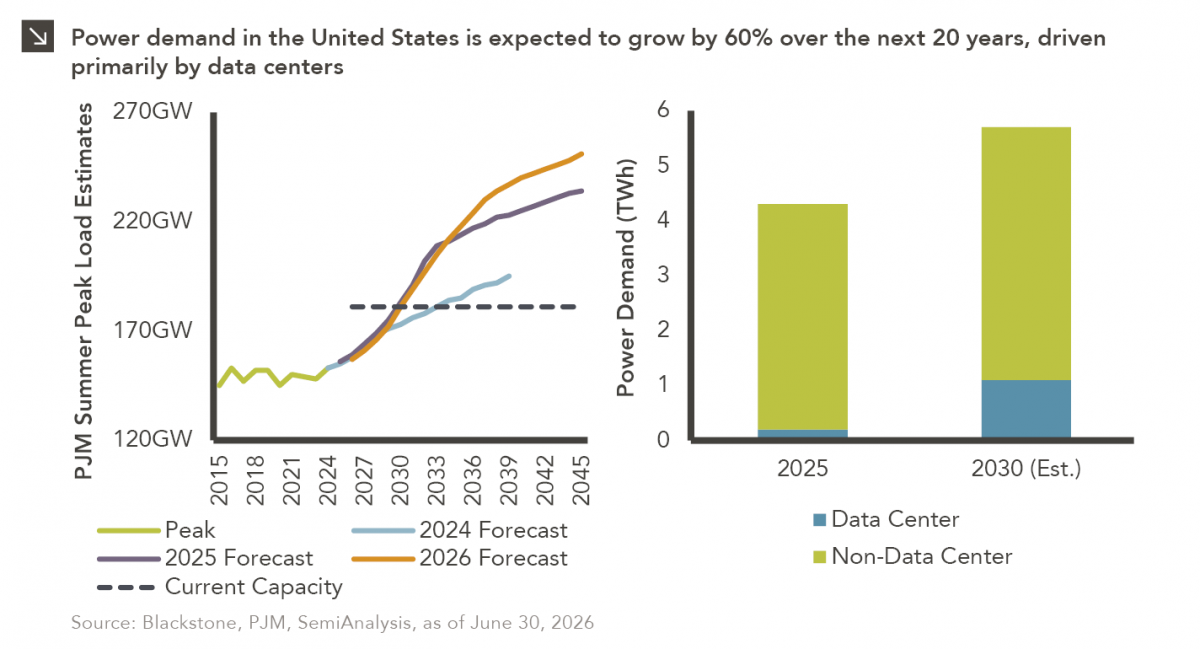
This week’s chart highlights the accelerating growth of electricity demand in the U.S., which has been driven primarily by the…
10.05.2026
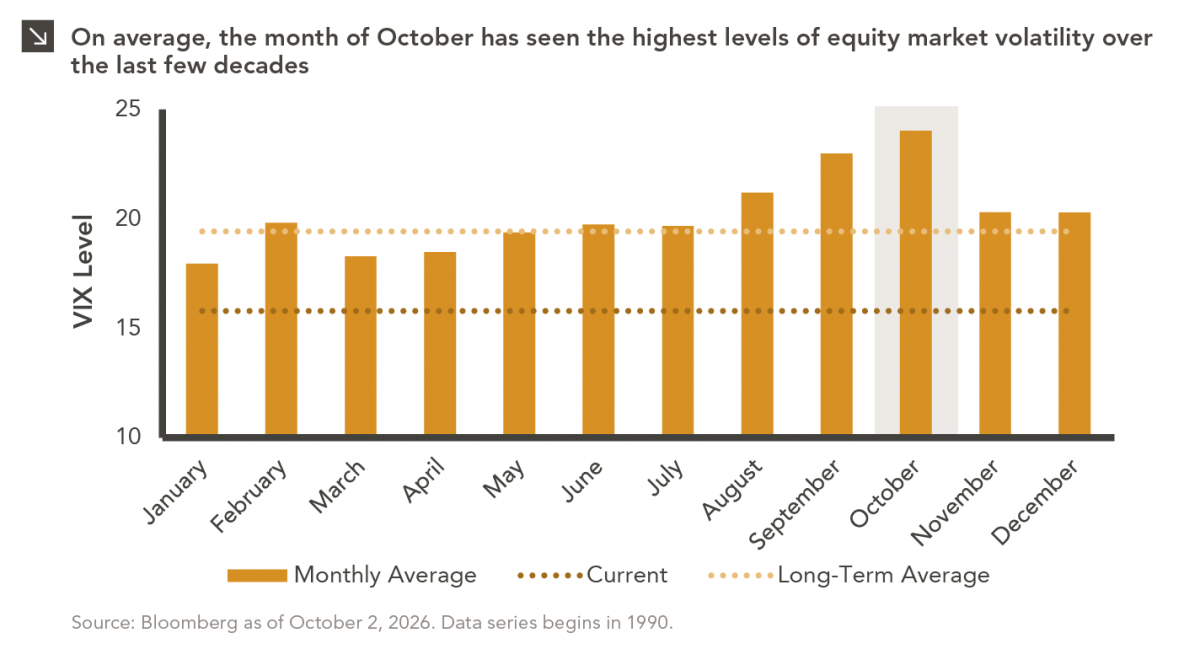
For investors, the spookiest thing about October might not be the ghosts and monsters that are bound to show up…
09.28.2026
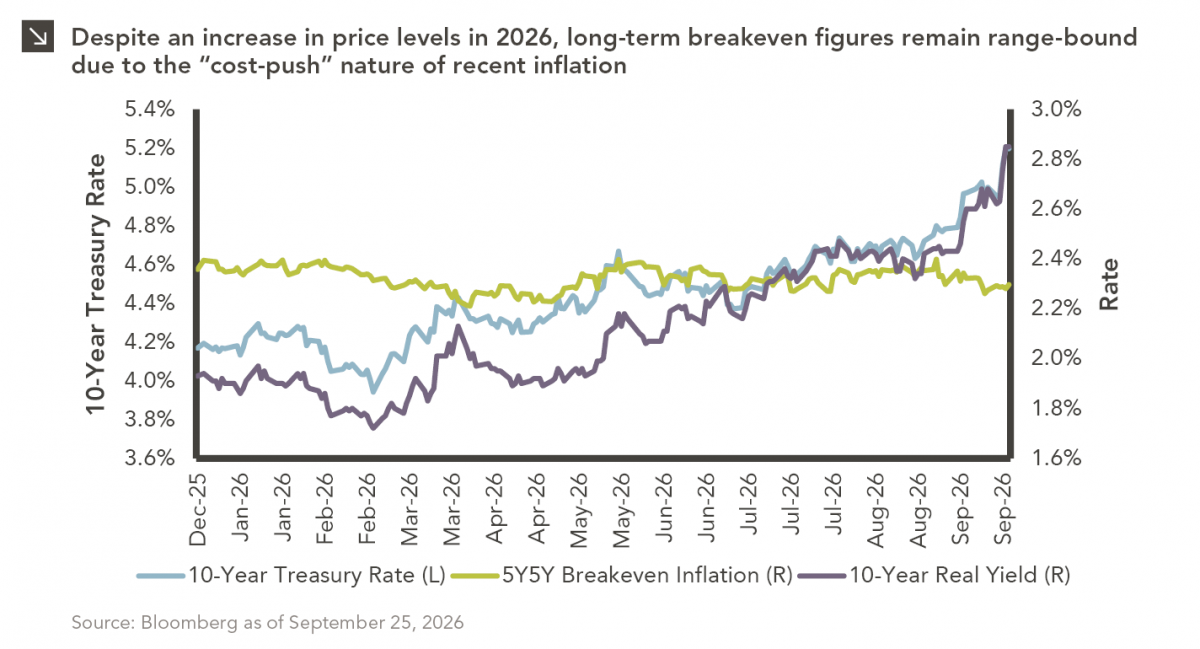
The phrase “expectations of higher inflation” has become a staple in financial news to explain the increase in nominal U.S….
Research alerts keep you updated on our latest research publications. Simply enter your contact information, choose the research alerts you would like to receive and click Subscribe. Alerts will be sent as research is published.
We respect your privacy. We will never share or sell your information.
If you have questions or need further information, please contact us directly and we will respond to your inquiry within 24 hours.
Contact Us >