10.22.2026
Will Higher Rates Cramp the Markets?
Anyone who has run a marathon knows the last six miles are brutal — no matter how well the first…


For this week’s chart, we look at the year-to-date return stream of emerging market equities, as measured by the MSCI Emerging Markets (“EM”) Index, which has been on a wild ride as oil prices fluctuated over the first three months of the year.
After reaching their 2016 low in the middle of January, emerging markets embarked on a sharp rally in the second half of February that continued through March and early April. On February 10th, due to concerns about the impact of a further rate hike on both domestic and foreign economies, Federal Reserve Chair Janet Yellen signaled postponement on the March rate hikes. The postponed rate hike decision coupled with continued weakness of the dollar and stabilization of commodities led to the rally starting on February 12th.
Earlier this week, China released positive upbeat news, announcing its exports rose 11.5% compared to a year earlier and surpassing analyst expectations which led to a strong April start for emerging market equities. As volatile as this first quarter of 2016 was, we frequently remind clients of the importance of having a long-term approach to investing as we have seen the EM index swing from significantly negative in January to +6.7% year to date as of April 13th. Certainly, EM investments will demonstrate elevated volatility across market cycles, but it is critical to maintain a long-term focus on their performance as it relates to total portfolio returns.
The opinions expressed herein are those of Marquette Associates, Inc. (“Marquette”), and are subject to change without notice. This material is not financial advice or an offer to purchase or sell any product. Marquette reserves the right to modify its current investment strategies and techniques based on changing market dynamics or client needs.

10.22.2026
Anyone who has run a marathon knows the last six miles are brutal — no matter how well the first…
10.19.2026
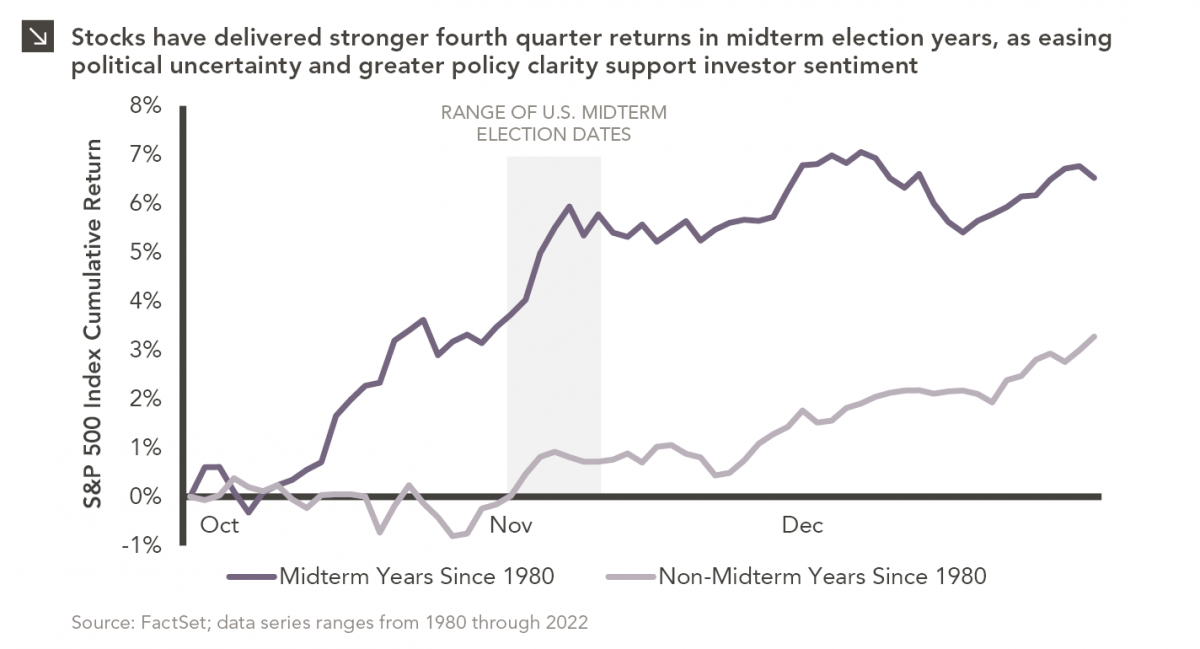
Since 1980, the S&P 500 Index has generally performed well in the weeks surrounding U.S. midterm elections. Specifically, the index…
10.12.2026
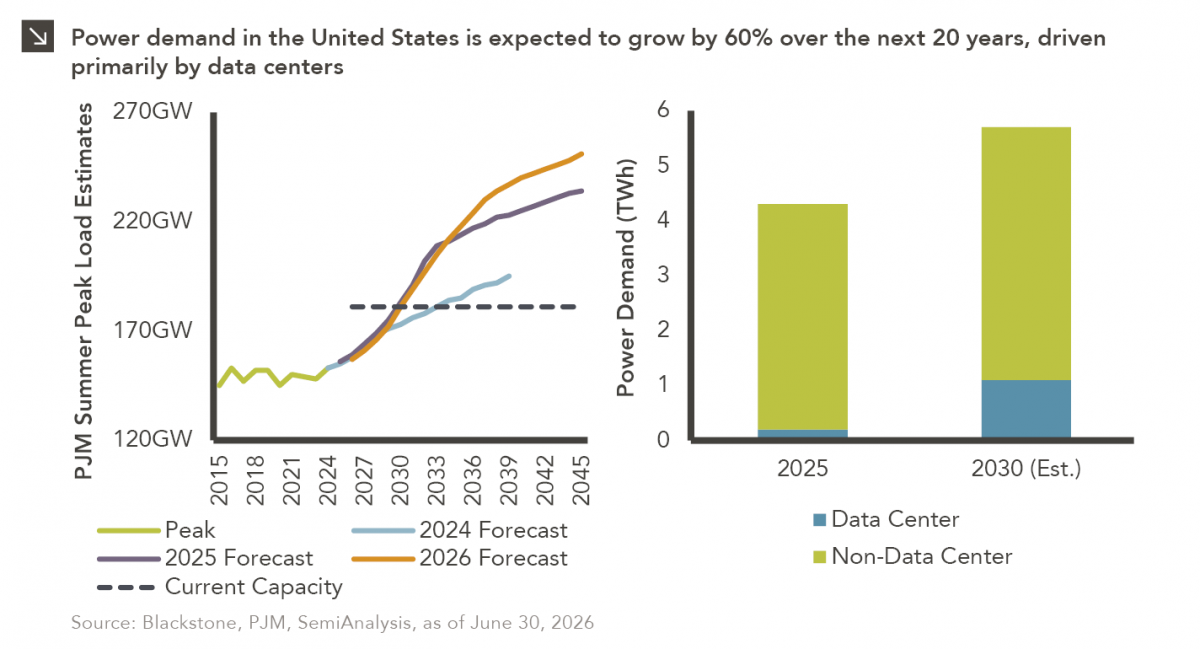
This week’s chart highlights the accelerating growth of electricity demand in the U.S., which has been driven primarily by the…

10.08.2026
LIVE WEBINAR — OCTOBER 22 Please join Marquette’s research team for our 3Q 2026 Market Insights Webinar…
10.05.2026
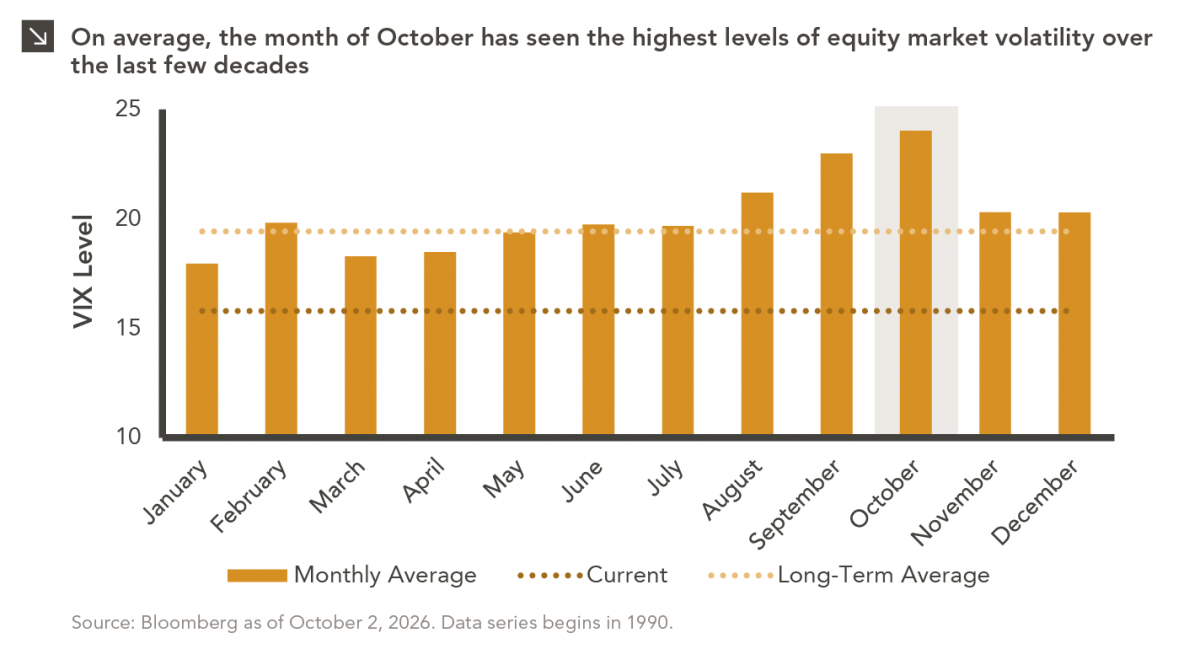
For investors, the spookiest thing about October might not be the ghosts and monsters that are bound to show up…
09.28.2026
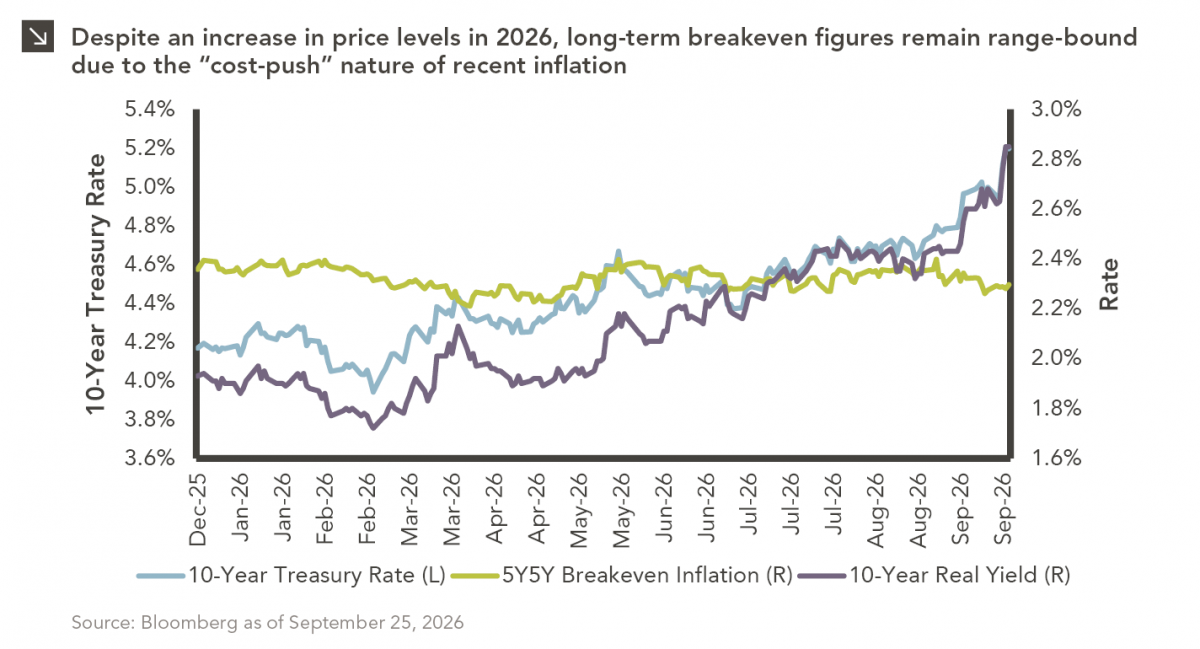
The phrase “expectations of higher inflation” has become a staple in financial news to explain the increase in nominal U.S….
Research alerts keep you updated on our latest research publications. Simply enter your contact information, choose the research alerts you would like to receive and click Subscribe. Alerts will be sent as research is published.
We respect your privacy. We will never share or sell your information.
If you have questions or need further information, please contact us directly and we will respond to your inquiry within 24 hours.
Contact Us >