10.08.2026
3Q 2026 Market Insights
This video is a recording of a live webinar held October 22 by Marquette’s research team analyzing the third quarter…


The first three quarters of 2021 have seen positive performance from a variety of asset classes ranging from U.S. and international equities to bank loans, which have exhibited returns close to their 10-year averages. However, one segment of the market that has experienced strong, aberrational performance on a year-to-date basis is commodities. Through the end of September, the S&P GSCI, a broad-based index that includes futures contracts on physical commodities, has returned 38.3% since the beginning of the year, far in excess of its long-term average. Recent performance for the asset class has largely been driven by surging demand for raw materials amid economic reopenings, coupled with pandemic-fueled supply chain dislocations, which caused the prices of many commodities to skyrocket. For instance, both lumber and copper experienced all-time highs during the first half of 2021, while agricultural commodity prices reached a 7-year peak earlier in the year as a result of strong demand for meat. Oil consumption also hit a seasonally adjusted high in July of 2021, which led to a 50% increase in the price of crude futures from the year prior. As the global economy continues to reopen, labor shortages, supply chain bottlenecks, and strong demand for raw materials will likely persist, meaning that positive performance from commodities may continue into 2022.
As investors assess the prospects of the commodities space going forward, it is important to keep historical context in mind. To that point, our chart this week examines both the 10-year annualized returns and standard deviations for eleven different asset classes to better understand the long-term performance profiles of each one. As displayed in the chart, the real estate space, as measured by the NCREIF index, has posted strong returns in the last decade as well as a low standard deviation (though the illiquid nature of the asset class may lead to some volatility smoothing). Equities have tended to exhibit higher levels of return and standard deviation than fixed income, while Small Cap indices have notched both higher returns and volatility than their larger peers across the geography spectrum. Interestingly, each of the asset classes profiled in the chart has yielded positive performance in the last 10 years with the exception of one: commodities. For the 10-year period ending September 30th, 2021, the S&P GSCI posted an annualized return of -4.8%. Additionally, the index has experienced an annualized standard deviation of 21.4% during that same period, which is again the most extreme of any of the asset classes in the chart above. Put simply, commodities have exhibited both the lowest returns and highest levels of risk of any major asset class in the last 10 years. As investors assess recent strong performance from the space and look to the future, it is crucial to avoid recency bias and keep history in mind. Prudence dictates a diversified approach to asset allocation in order to hedge uncertainty and achieve optimal risk-adjusted returns.
Print PDF > Commodities: The Full Story
The opinions expressed herein are those of Marquette Associates, Inc. (“Marquette”), and are subject to change without notice. This material is not financial advice or an offer to purchase or sell any product. Marquette reserves the right to modify its current investment strategies and techniques based on changing market dynamics or client needs.

10.08.2026
This video is a recording of a live webinar held October 22 by Marquette’s research team analyzing the third quarter…

10.22.2026
Anyone who has run a marathon knows the last six miles are brutal — no matter how well the first…
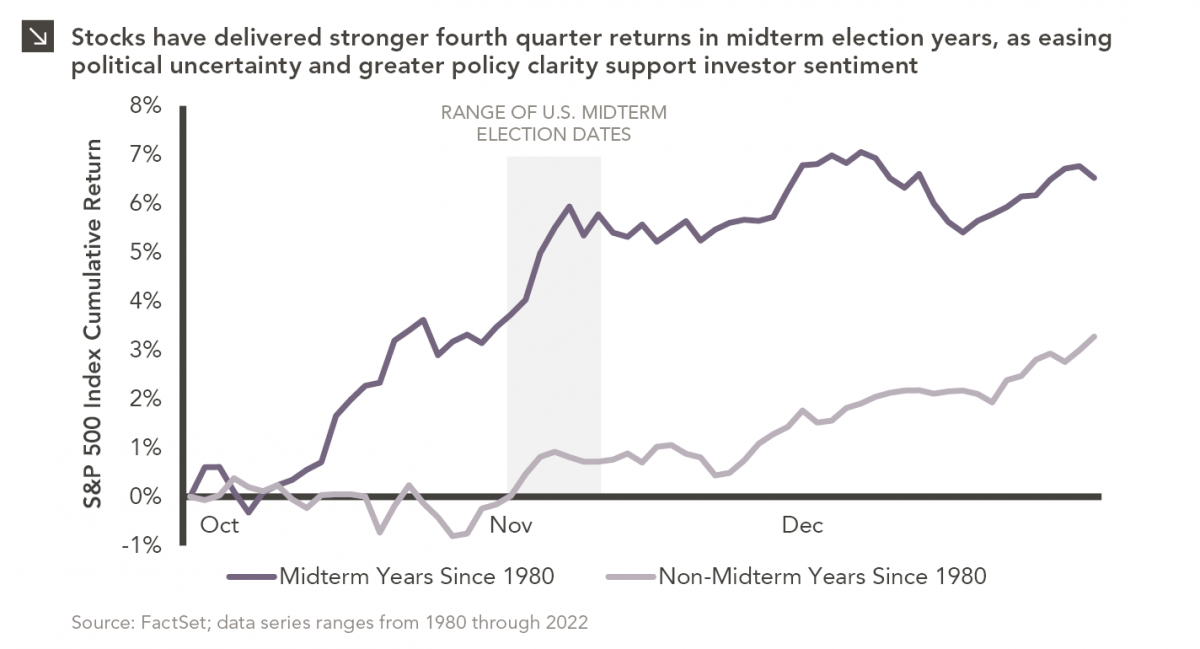
10.19.2026
Since 1980, the S&P 500 Index has generally performed well in the weeks surrounding U.S. midterm elections. Specifically, the index…
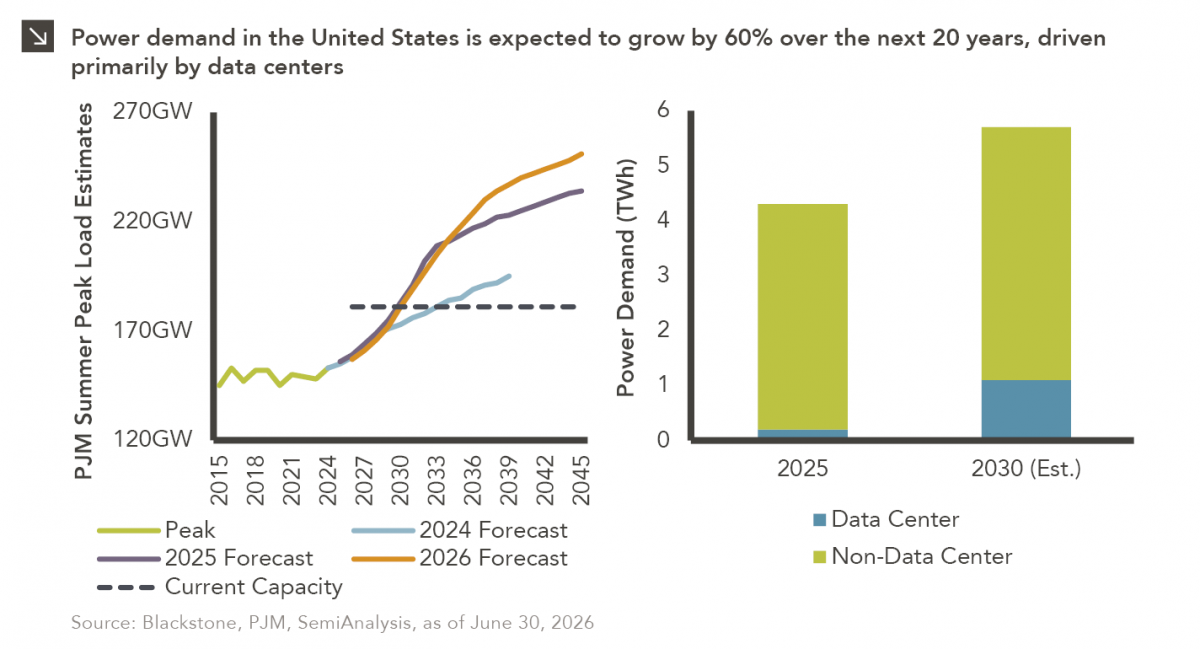
10.12.2026
This week’s chart highlights the accelerating growth of electricity demand in the U.S., which has been driven primarily by the…
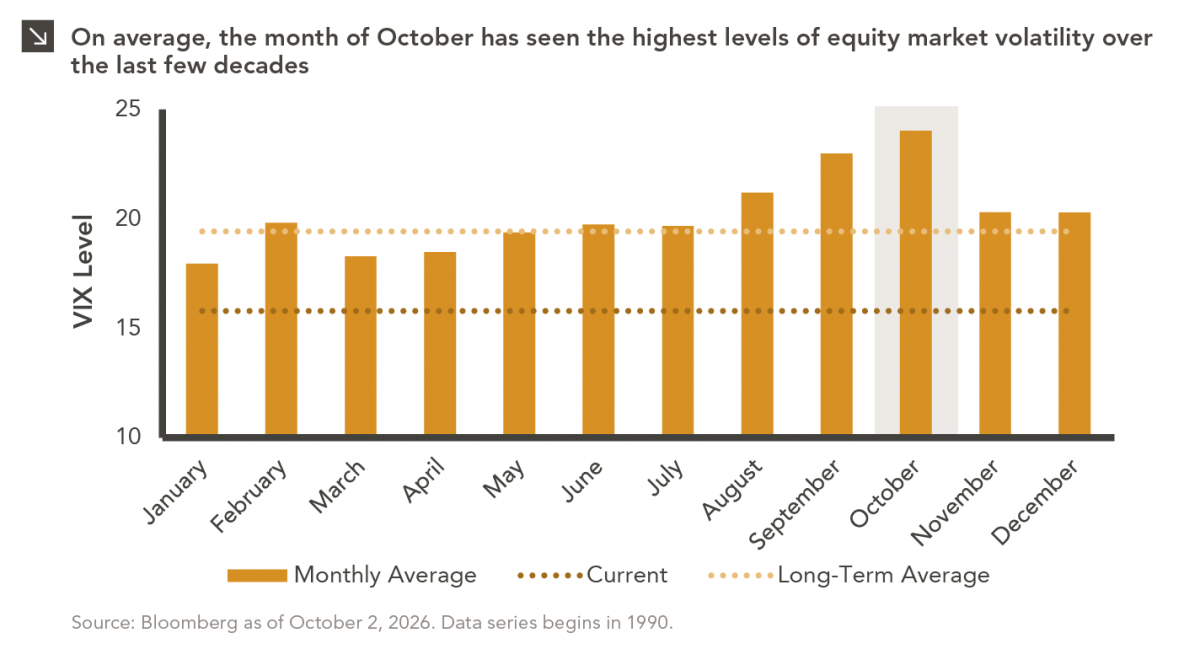
10.05.2026
For investors, the spookiest thing about October might not be the ghosts and monsters that are bound to show up…
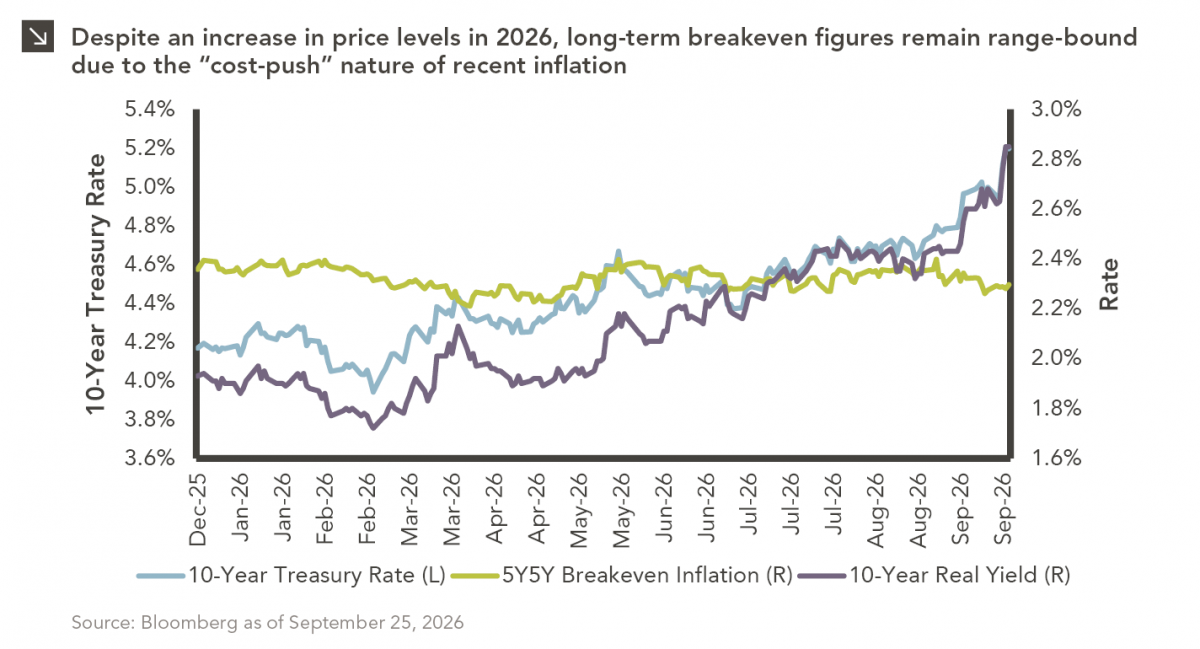
09.28.2026
The phrase “expectations of higher inflation” has become a staple in financial news to explain the increase in nominal U.S….
Research alerts keep you updated on our latest research publications. Simply enter your contact information, choose the research alerts you would like to receive and click Subscribe. Alerts will be sent as research is published.
We respect your privacy. We will never share or sell your information.
If you have questions or need further information, please contact us directly and we will respond to your inquiry within 24 hours.
Contact Us >