10.08.2026
3Q 2026 Market Insights
This video is a recording of a live webinar held October 22 by Marquette’s research team analyzing the third quarter…


Now one month into the Ukrainian crisis, investor concerns about the knock-on effects of war, higher energy costs, and generally prolonged, heightened inflation have hit a crescendo. Europe’s natural gas benchmark, the Dutch TTF, has been extremely volatile, at one point spiking to more than ten times last spring’s levels. The European Union relies heavily on Russian natural gas. According to the International Energy Agency, in 2021, the EU imported 155 billion cubic meters of natural gas from Russia, comprising roughly 45% of European Union gas imports and close to 40% of total gas consumption. Russia’s invasion of Ukraine has underscored the risks of Europe’s dependence on Russian gas imports and prompted the European Commission to take action.
Beyond halting approval of Nord Stream 2, a set of offshore natural gas pipelines from Russia to Germany, at the outset of the conflict, the European Commission has now vowed to curtail the EU’s usage of Russian natural gas, with a target of reducing imports by two thirds by the end of the year. To make up the difference, the Commission will increase gas and liquefied natural gas (LNG) imports from other countries and phase in alternative gases like hydrogen and biomethane. The U.S. has answered this call, with the Biden administration authorizing additional exports of LNG from two major facilities on the U.S. Gulf Coast. The Commission is also looking to accelerate the transition to renewable energy. In particular, the EU will accelerate its “Fit for 55” rule, deploying a massive campaign of electrification, expansion of renewables and electricity storage, development of green hydrogen tech, and investment in energy efficiency measures. While these longer-term initiatives will take several years to come to pass, the composition of energy sources, at least in Europe, should have a stronger, greener future as a result.
Print PDF > Could Conflict Spur an Energy Revolution?
The opinions expressed herein are those of Marquette Associates, Inc. (“Marquette”), and are subject to change without notice. This material is not financial advice or an offer to purchase or sell any product. Marquette reserves the right to modify its current investment strategies and techniques based on changing market dynamics or client needs.

10.08.2026
This video is a recording of a live webinar held October 22 by Marquette’s research team analyzing the third quarter…

10.22.2026
Anyone who has run a marathon knows the last six miles are brutal — no matter how well the first…
10.19.2026
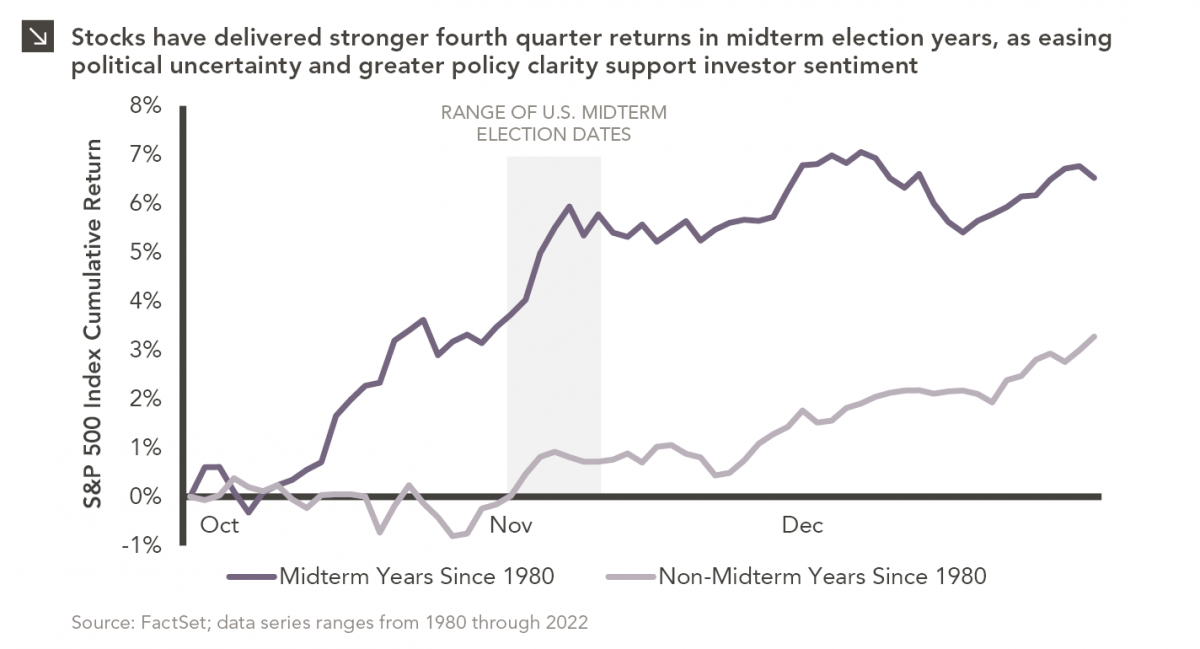
Since 1980, the S&P 500 Index has generally performed well in the weeks surrounding U.S. midterm elections. Specifically, the index…
10.12.2026
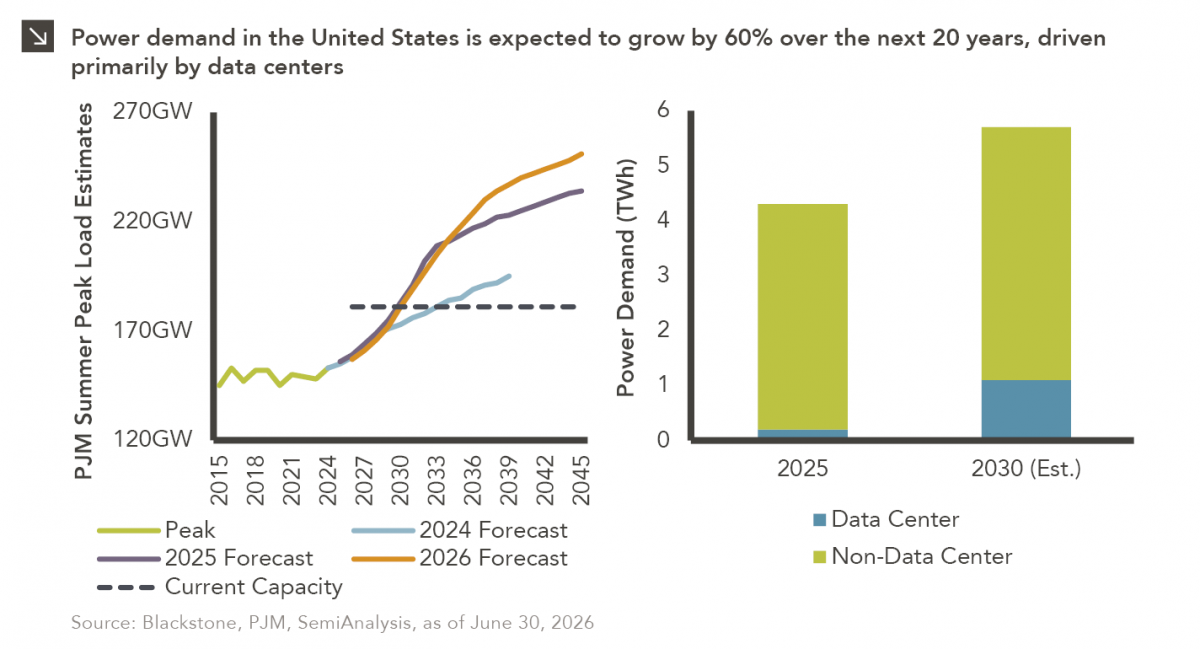
This week’s chart highlights the accelerating growth of electricity demand in the U.S., which has been driven primarily by the…
10.05.2026
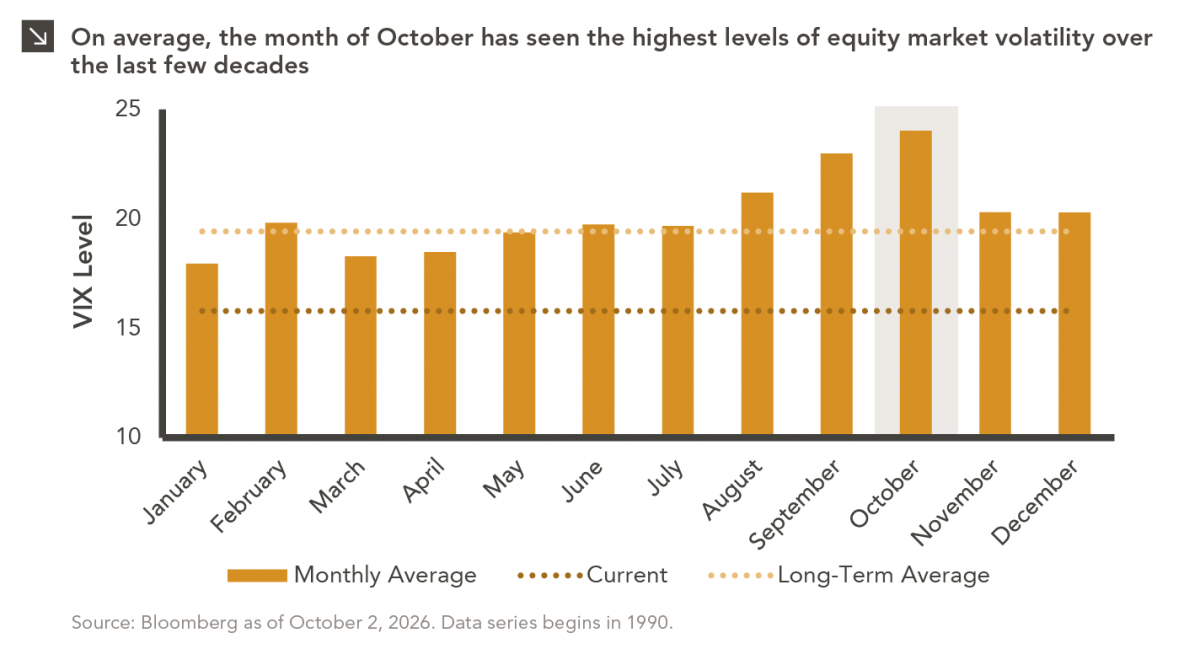
For investors, the spookiest thing about October might not be the ghosts and monsters that are bound to show up…
09.28.2026
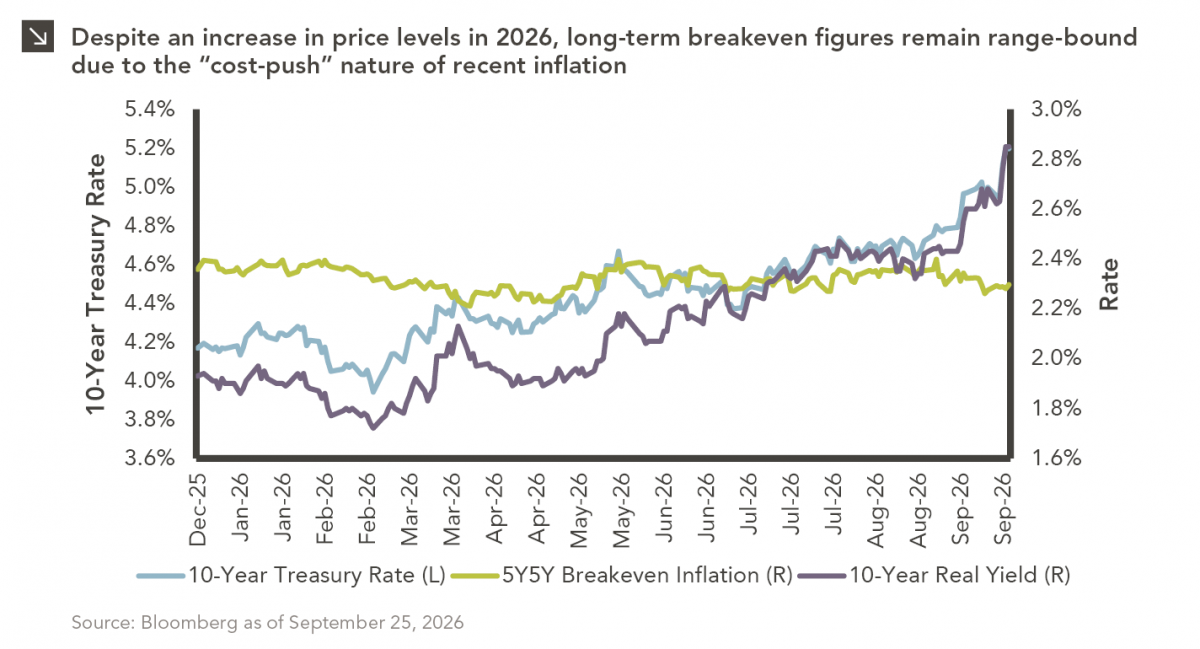
The phrase “expectations of higher inflation” has become a staple in financial news to explain the increase in nominal U.S….
Research alerts keep you updated on our latest research publications. Simply enter your contact information, choose the research alerts you would like to receive and click Subscribe. Alerts will be sent as research is published.
We respect your privacy. We will never share or sell your information.
If you have questions or need further information, please contact us directly and we will respond to your inquiry within 24 hours.
Contact Us >