Frank Valle, CFA, CAIA
Associate Director of Fixed Income


Americans are paying more at the pump this summer than they ever have in the past. The national average in June for regular gasoline was $4.929/gallon. The only other time gasoline averaged more than $4 per gallon nationally was in June and July of 2008 when prices were $4.054 and $4.062, respectively.¹ Crude oil peaked at $140/barrel then. Why are we paying almost $5 per gallon at the pump when crude oil is only about $100/barrel today? The answer lies in the crack spread.
Crude oil is “cracked” to produce gasoline and distillates like heating oil and diesel in a 3:2:1 ratio, meaning for every three barrels of crude, two barrels of gasoline and one barrel of distillates are produced. The crack spread measures the difference between the purchase price of crude and the selling price of the finished products and is a proxy for refinery profits. Crack spreads have spiked over temporary periods in the past, though the median over the last 20 years has averaged just over $11/barrel. The prior peak occurred in August 2005 when Hurricane Katrina took much of the U.S. refining capacity offline, but, like most spikes, was short-lived as refining capabilities were quickly brought back online. The only sustained period of higher crack spreads occurred in 2012 — a year filled with hurricanes, refinery outages, and tensions in the Middle East — when spreads averaged in the mid-$20s throughout the year. At the end of June 2022, the 3:2:1 crack spread hit a new peak of $47.653/barrel, and this bout of elevated spreads may have more staying power.
The green revolution has had some negative externalities. There has been a retreat from refining as companies are reluctant to invest in fixed assets. Throughput has decreased by roughly 500,000 barrels/day to 16.7 million barrels with refineries operating above 90% capacity. Many refiners have closed or converted to producing biodiesel amid fears that refining assets would be stranded during the energy transition. While there is no easy fix to any component of inflation, gasoline dynamics are even more complicated, and until additional resources are committed to refining, higher crack spreads and higher gasoline prices may be here to stay.
Print PDF > Oil Prices Aren’t All They’re Cracked Up to Be
¹Source: U.S. Energy Information Administration

The opinions expressed herein are those of Marquette Associates, Inc. (“Marquette”), and are subject to change without notice. This material is not financial advice or an offer to purchase or sell any product. Marquette reserves the right to modify its current investment strategies and techniques based on changing market dynamics or client needs.
10.19.2026
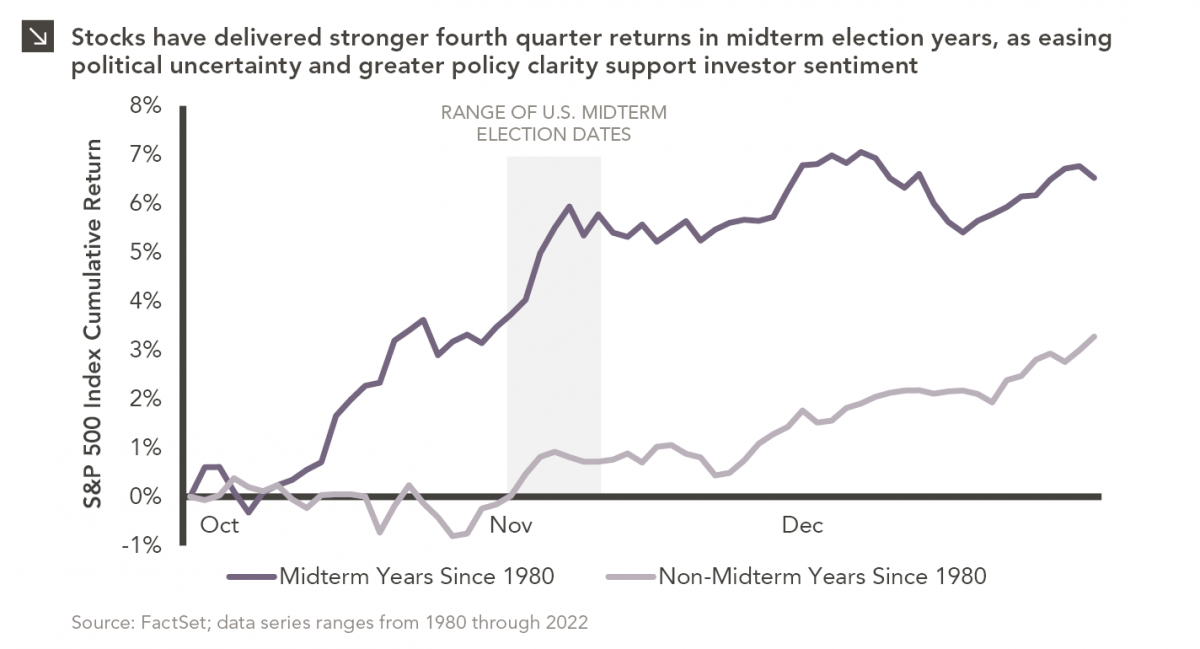
Since 1980, the S&P 500 Index has generally performed well in the weeks surrounding U.S. midterm elections. Specifically, the index…
10.12.2026
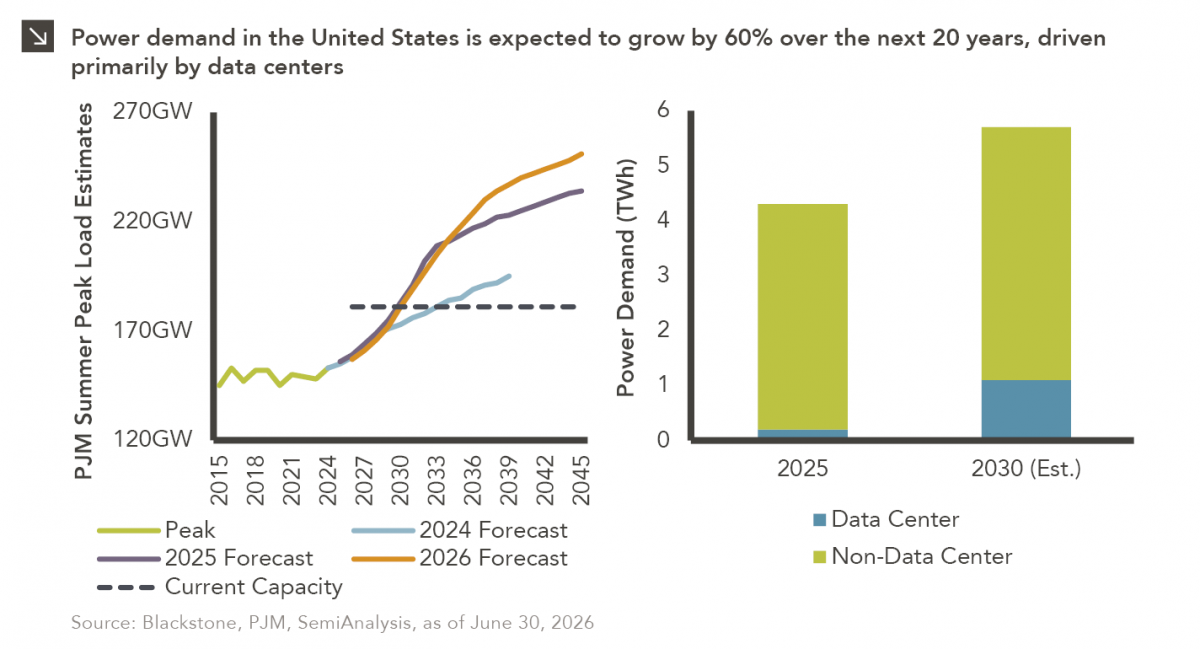
This week’s chart highlights the accelerating growth of electricity demand in the U.S., which has been driven primarily by the…

10.08.2026
LIVE WEBINAR — OCTOBER 22 Please join Marquette’s research team for our 3Q 2026 Market Insights Webinar…
10.05.2026
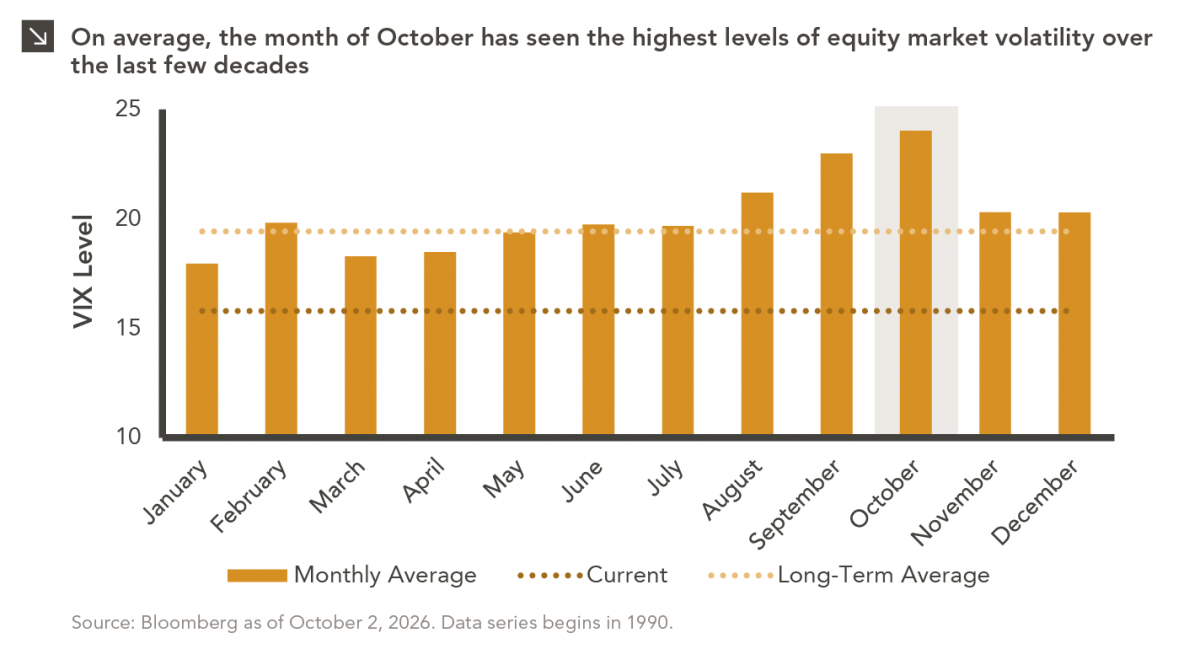
For investors, the spookiest thing about October might not be the ghosts and monsters that are bound to show up…
09.28.2026
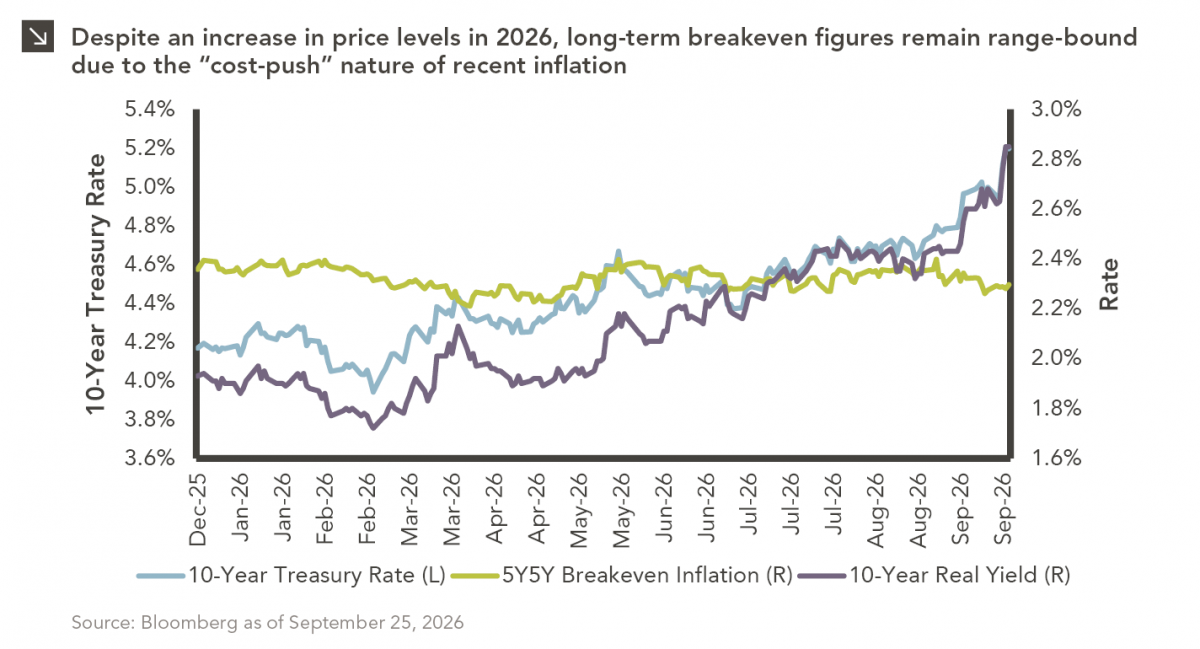
The phrase “expectations of higher inflation” has become a staple in financial news to explain the increase in nominal U.S….
09.21.2026
For much of the past several years, the conventional view has been that higher interest rates and stretched valuations would…
Research alerts keep you updated on our latest research publications. Simply enter your contact information, choose the research alerts you would like to receive and click Subscribe. Alerts will be sent as research is published.
We respect your privacy. We will never share or sell your information.
If you have questions or need further information, please contact us directly and we will respond to your inquiry within 24 hours.
Contact Us >