Frank Valle, CFA, CAIA
Associate Director of Fixed Income


The equities market has experienced a tectonic shift from active to passive investing, with passive investors benefiting from index strength and meaningful fee savings. In fixed income, however, investing in indexing strategies tends to be a commitment to the bottom. The Bloomberg Aggregate Index — the standard index for broad fixed income investing — tends to underperform most active strategies. While there may be shorter time periods where active managers trail the index, over longer time periods the index generally falls within the bottom quartile of universe performance and often in the bottom decile.
Due to the size of and inefficiencies within the fixed income market, there should be many opportunities for managers to take active risks and generate excess returns. Two common active management strategies for aggregate mandates are core and core plus, differentiated by the level of active risk and return objectives. Core strategies should be expected to outperform the index by 50–100 bps and core plus by 100–150 bps over a full market cycle. The vast majority of active managers outperform the index. In the core plus universe, the index’s rolling 5-year return was in the bottom quartile 14 of the last 20 years and in the bottom decile in 10 of those years. In the core universe, where the level of active return is lower, the index on a rolling 5-year basis was in the bottom quartile in 11 of 20 years.
To be fair, there are times when indexing pays. Many fixed income managers are “active” by systematically overweighting corporate and structured credit while underweighting Treasuries and agency mortgages to create a yield advantage. Outyielding the benchmark works well until it doesn’t. During risk-off periods of spread widening, the index tends to be one of the better performers within the universe. The two best examples of this are 2002 and 2008, when markets experienced a precipitance of spread widening due to the dot com bubble bursting and the sub-prime mortgage crisis, respectively. Those periods erased years of prior active management outperformance, though having a yield advantage remained beneficial longer-term, with those active managers outperforming in subsequent years.
While active is often the preferred method of accessing the fixed income market, an aggregate indexed strategy may be helpful as a risk management tool and indexed options may help investors take more tactical positions within fixed income sub-asset classes. Overall, investors should make sure they understand the risks and benefits of investing in active versus passive within fixed income and work with their consultant to create a portfolio that best serves their needs.
Print PDF > Fixed Income Indexing: A Commitment to the Bottom

The opinions expressed herein are those of Marquette Associates, Inc. (“Marquette”), and are subject to change without notice. This material is not financial advice or an offer to purchase or sell any product. Marquette reserves the right to modify its current investment strategies and techniques based on changing market dynamics or client needs.
09.08.2026
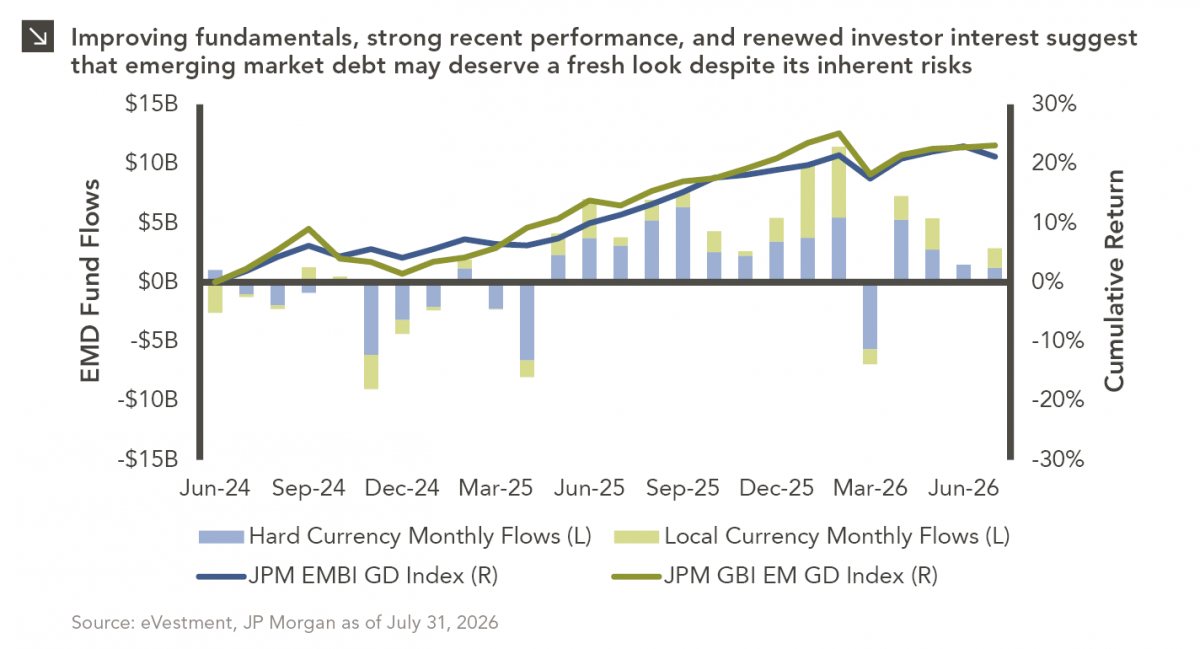
Over the last several years, emerging market debt (EMD) has faced several headwinds, with rising yields across other fixed income…
08.31.2026
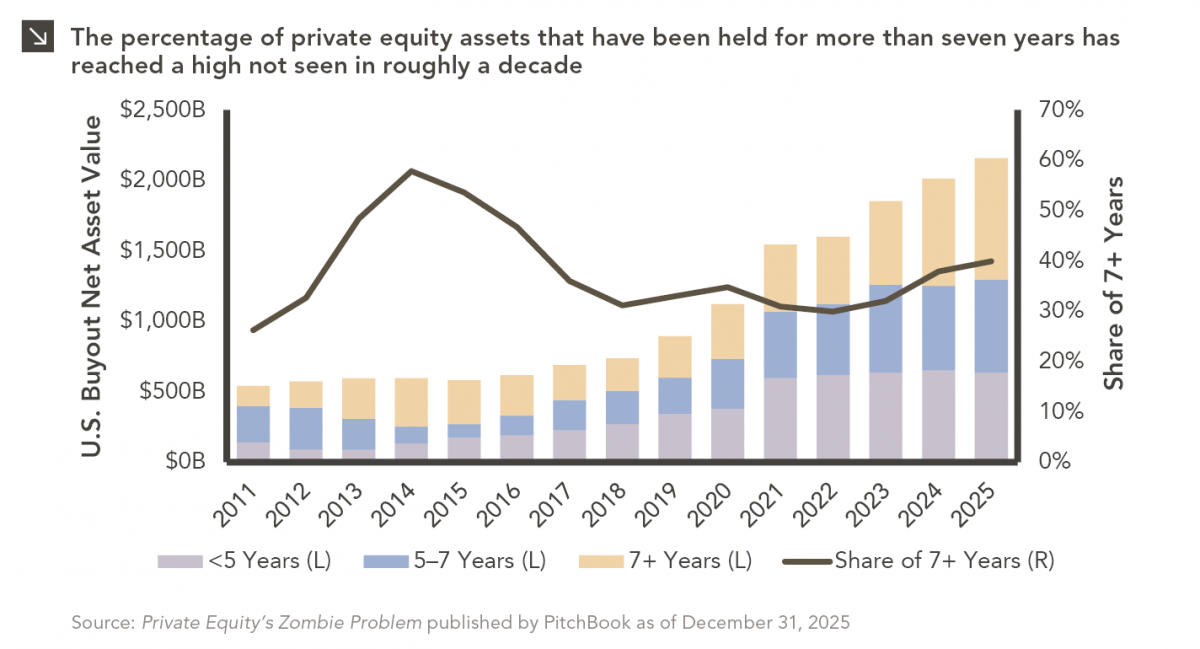
Private equity has always had a few portfolio companies that refused to leave the party. Today, however, the industry appears…
08.24.2026
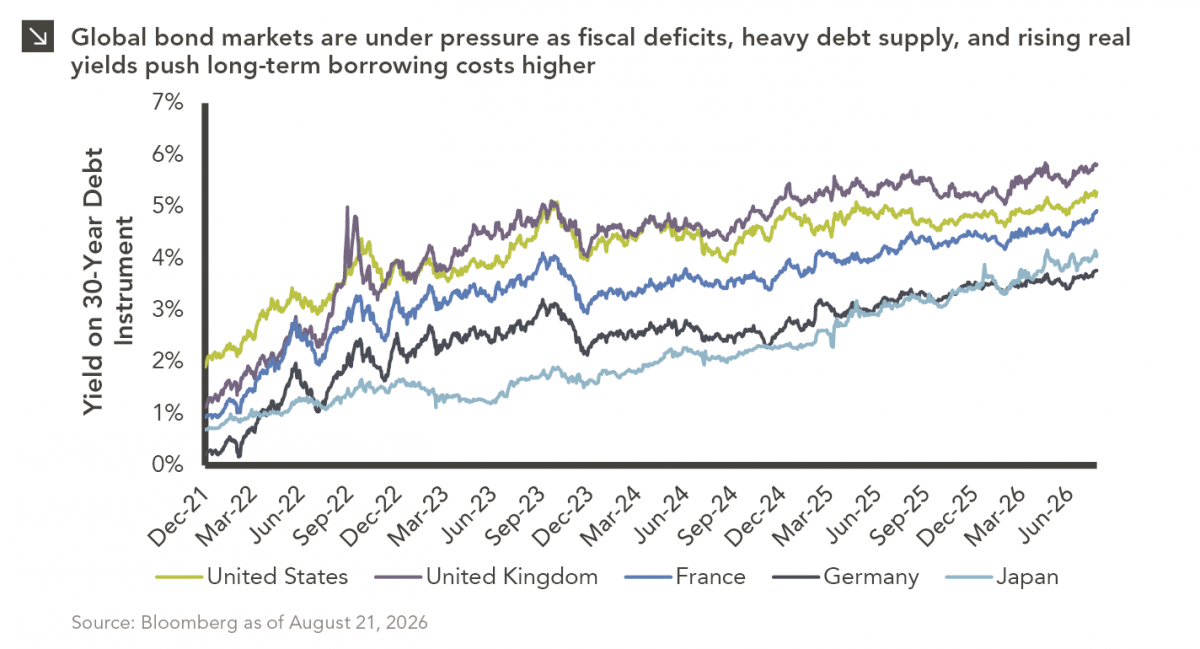
The global bond market is facing renewed pressure as investors demand higher yields to hold long-dated government debt, pushing borrowing…
08.17.2026
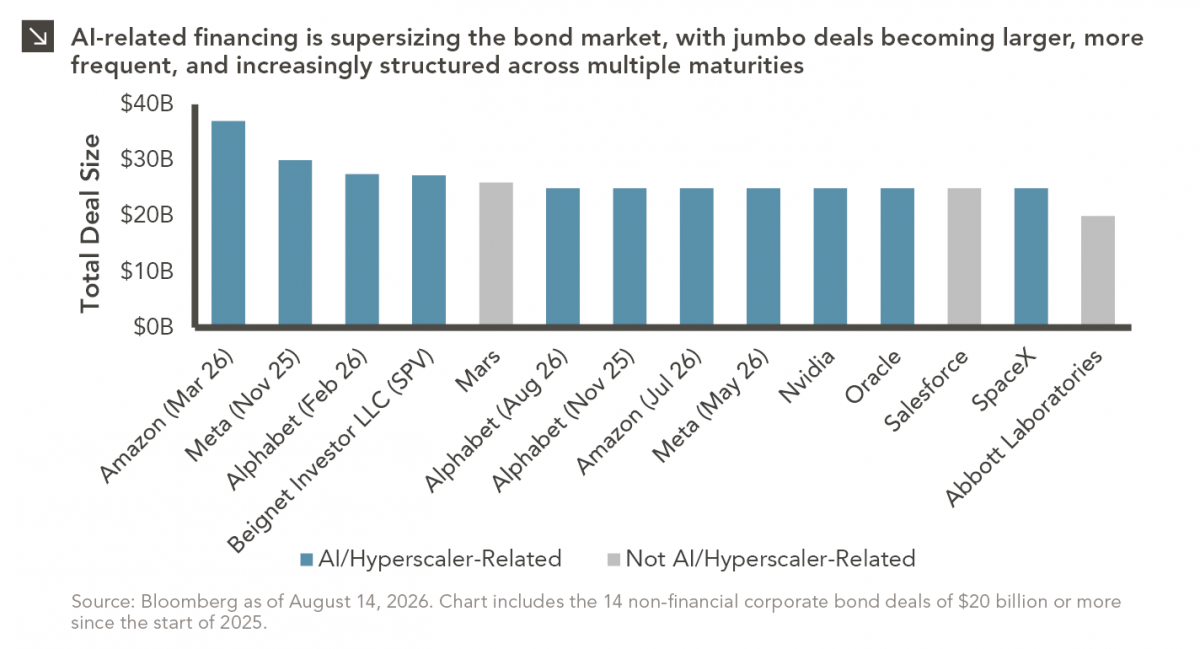
As a college football player struggling to put on mass, the “supersizing” deal at McDonald’s was hard to beat. For…
08.10.2026
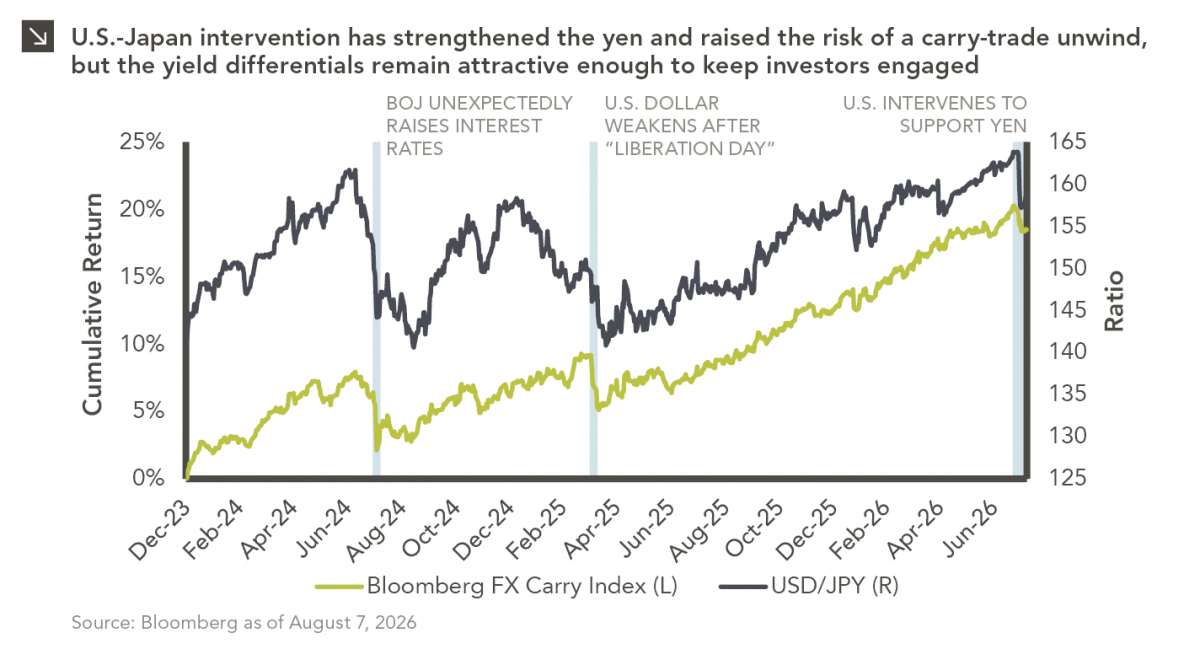
After reaching nearly ¥164 per dollar, its weakest level in roughly four decades, the yen had become a source of…
08.03.2026
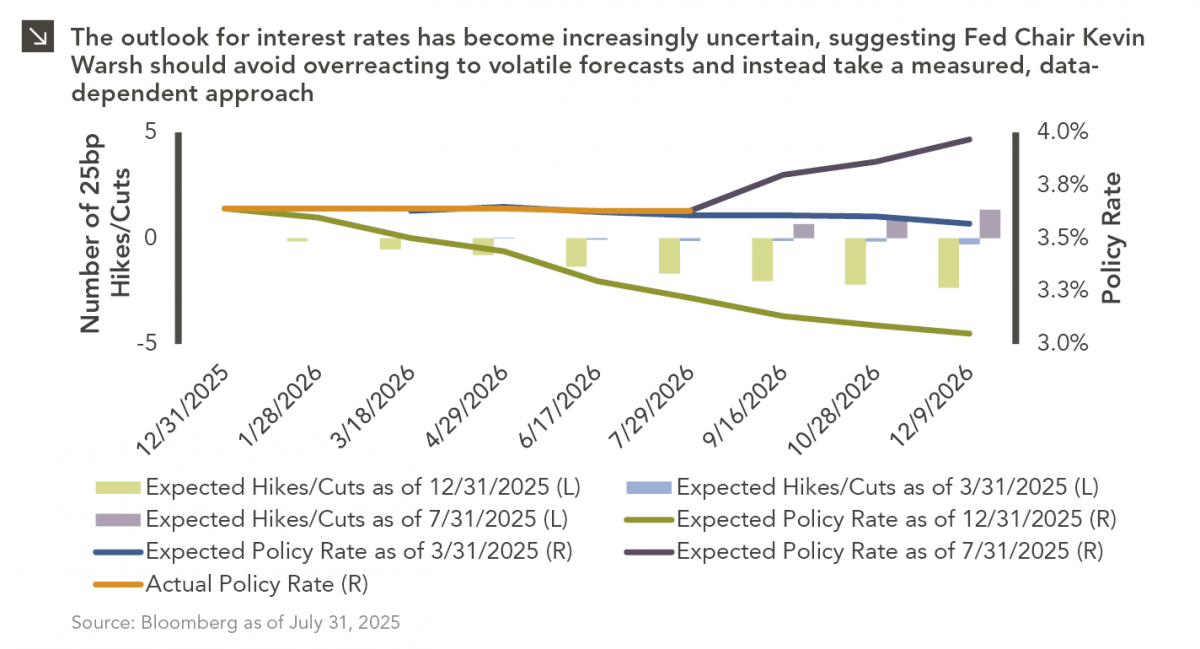
In the cinematic masterpiece Rocky IV, Rocky gets dazed by his opponent, Captain Ivan Drago, and complains that he sees…
Research alerts keep you updated on our latest research publications. Simply enter your contact information, choose the research alerts you would like to receive and click Subscribe. Alerts will be sent as research is published.
We respect your privacy. We will never share or sell your information.
If you have questions or need further information, please contact us directly and we will respond to your inquiry within 24 hours.
Contact Us >