10.08.2026
3Q 2026 Market Insights
This video is a recording of a live webinar held October 22 by Marquette’s research team analyzing the third quarter…


During its September meeting, the Federal Open Market Committee (FOMC) opted to keep its policy rate unchanged — within a range of 5.25% to 5.50%. In doing so, policymakers signaled a commitment to keeping rates elevated over the coming months in order to achieve the central bank’s long-run inflation target of 2.0%. Fed officials appear to be taking a deliberate and cautious approach to recent policy now that interest rates have entered firmly restrictive territory and could potentially hinder growth. The Fed also noted the “lags with which monetary policy affects economic activity” in its September FOMC statement. These lagged effects would likely be an argument in favor of slowing the pace of tightening since the impact of previous rate increases may not yet be reflected in current economic data. To that point, the most recent Summary of Economic Projections, which in part serves as an assessment of FOMC participants as it relates to appropriate monetary policy, indicates that a majority of officials favor one more rate hike in early November before policy loosening in 2024 and beyond.
The September Summary of Economic Projections yielded additional interesting pieces of information related to how policymakers are viewing the current and future macroeconomic landscape. For instance, the median response of FOMC participants for 2023 GDP growth was 2.1%, which represents a significant increase from the 1.0% figure reflected in the June survey. The median estimate of long-run GDP growth in the September survey was 1.8%. Additionally, the September survey suggests that the median FOMC official expects the unemployment rate to tick up to 4.1% in 2024 before moderating to 4.0% over the longer term. Finally, median estimates for PCE inflation, which is the preferred measure of the Fed, sat between 2.0–2.5% over the coming years.
While it is encouraging to see inflation expectations moderating without substantial decreases in future growth or material increases in the projected unemployment rate, the Fed still faces obstacles related to obtaining these desired outcomes, including a potential government shutdown. Marquette will continue to monitor the actions of the central bank and keep clients informed accordingly.
Print PDFThe opinions expressed herein are those of Marquette Associates, Inc. (“Marquette”), and are subject to change without notice. This material is not financial advice or an offer to purchase or sell any product. Marquette reserves the right to modify its current investment strategies and techniques based on changing market dynamics or client needs.

10.08.2026
This video is a recording of a live webinar held October 22 by Marquette’s research team analyzing the third quarter…

10.22.2026
Anyone who has run a marathon knows the last six miles are brutal — no matter how well the first…
10.19.2026
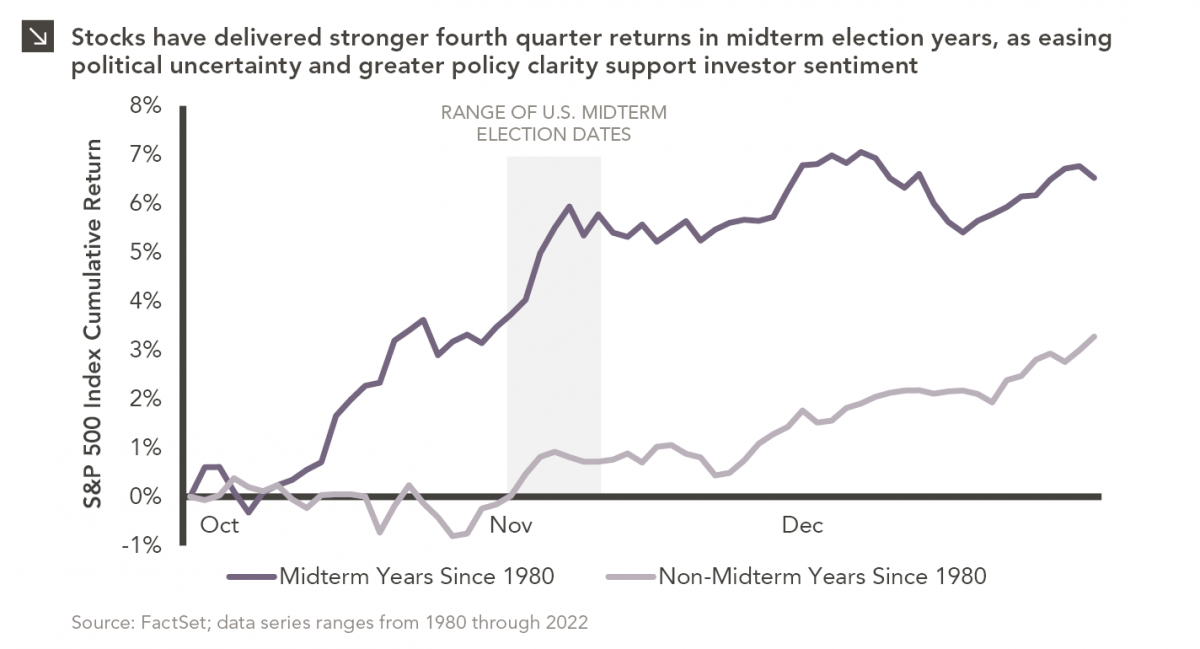
Since 1980, the S&P 500 Index has generally performed well in the weeks surrounding U.S. midterm elections. Specifically, the index…
10.12.2026
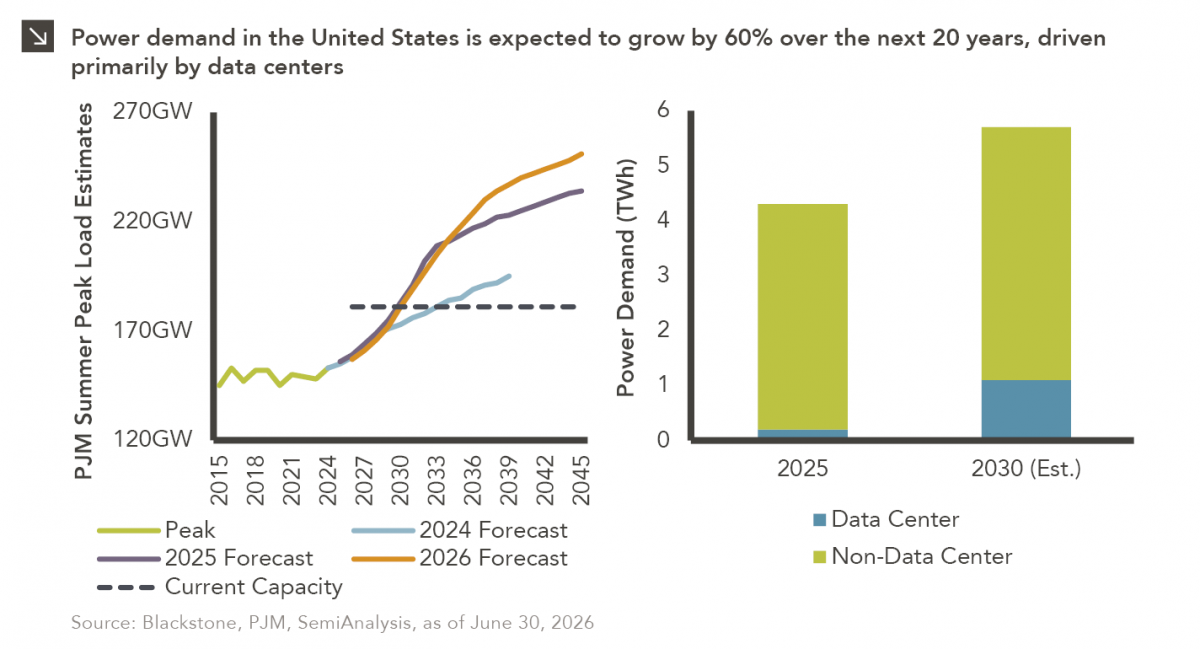
This week’s chart highlights the accelerating growth of electricity demand in the U.S., which has been driven primarily by the…
10.05.2026
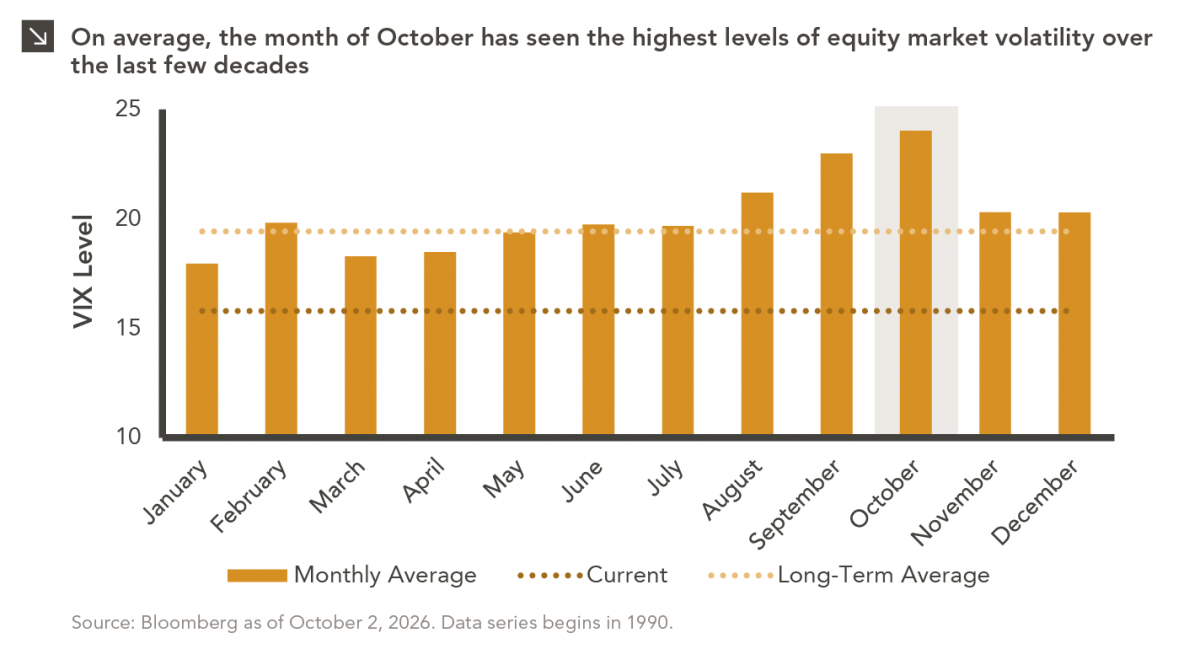
For investors, the spookiest thing about October might not be the ghosts and monsters that are bound to show up…
09.28.2026
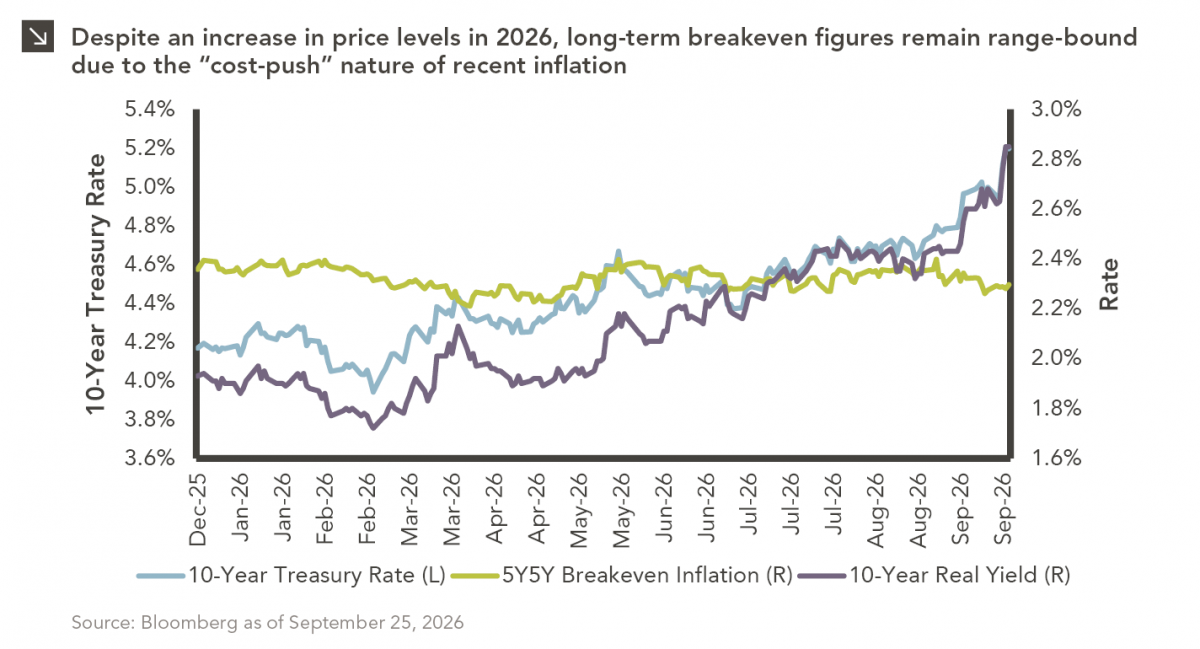
The phrase “expectations of higher inflation” has become a staple in financial news to explain the increase in nominal U.S….
Research alerts keep you updated on our latest research publications. Simply enter your contact information, choose the research alerts you would like to receive and click Subscribe. Alerts will be sent as research is published.
We respect your privacy. We will never share or sell your information.
If you have questions or need further information, please contact us directly and we will respond to your inquiry within 24 hours.
Contact Us >