10.22.2026
Will Higher Rates Cramp the Markets?
Anyone who has run a marathon knows the last six miles are brutal — no matter how well the first…


The holiday spending frenzy is well underway as some of the biggest shopping days of the year, including Black Friday and Cyber Monday, occurred in the last week. Consumer activity during the holidays can help investors gauge overall spending trends, which may serve as indicators of the health of the economy at large. To that point, the current macroeconomic environment is presenting challenges for the American consumer, including higher costs of living driven by elevated inflation, increased borrowing costs, and depleted savings. All of these factors tend to have negative impacts on the purchasing power of consumers. Despite these challenges, however, Americans still spent in record-breaking fashion during the most recent “Cyber Week” (Thanksgiving through Cyber Monday), with year-over-year spending growth up by roughly 7.5% and 9.6% on Black Friday and Cyber Monday, respectively. Adobe Analytics is projecting overall holiday spending levels in 2023 to increase by 4.8% relative to last year’s figures, with total spending of around $221.8 billion.
The implications of the trends detailed above are somewhat unclear. At first glance, this robust spending could be interpreted as continued strength of the American consumer, however an examination of other data points may suggest that both consumers and retailers are feeling the effects of economic pressures. For instance, according to shipping company DHL, consumer spending leading up to Black Friday in 2023 was lower than that of previous years, which suggests that Americans were deferring purchases until significant discounts were made available to them. And these discounts were indeed significant, as uncertain demand forced retailers to offer steeper price cuts than they had in previous years. Additionally, an increasing number of consumers are now financing their spending via “buy now, pay later” programs. This information, along with the fact that credit card balances are at historically high levels, suggests that consumers are accumulating significant debt in order to finance their purchases. This could prove especially problematic given the current environment in which many are already feeling the pressure to make debt servicing payments (outlined in a recent Chart of the Week, Feeling the Squeeze). With the holiday season now in full swing, Marquette will continue to monitor consumer spending trends closely as investors weigh the possibility of a U.S. recession and a slowdown in economic activity.
Print PDFThe opinions expressed herein are those of Marquette Associates, Inc. (“Marquette”), and are subject to change without notice. This material is not financial advice or an offer to purchase or sell any product. Marquette reserves the right to modify its current investment strategies and techniques based on changing market dynamics or client needs.

10.22.2026
Anyone who has run a marathon knows the last six miles are brutal — no matter how well the first…
10.19.2026
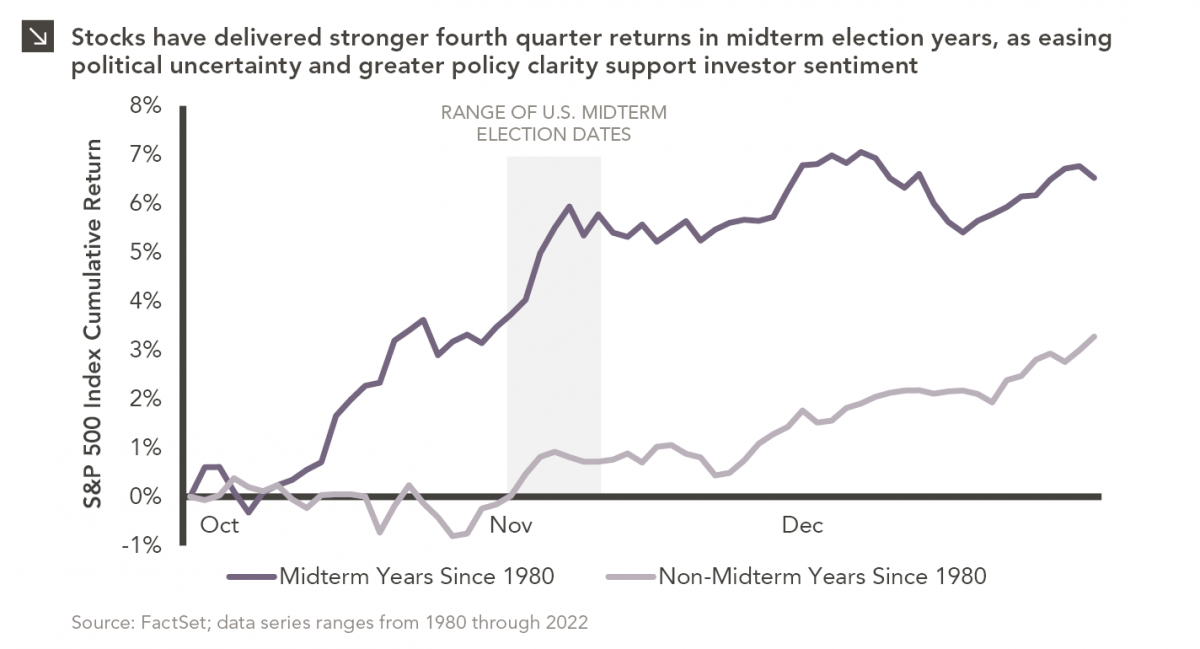
Since 1980, the S&P 500 Index has generally performed well in the weeks surrounding U.S. midterm elections. Specifically, the index…
10.12.2026
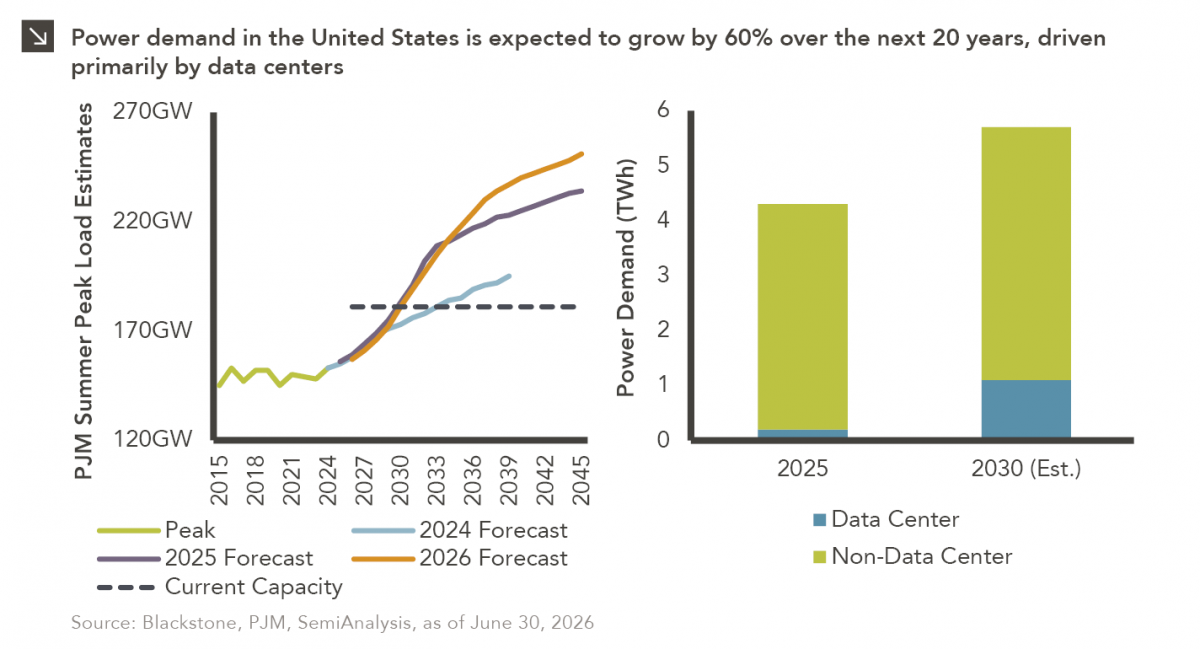
This week’s chart highlights the accelerating growth of electricity demand in the U.S., which has been driven primarily by the…

10.08.2026
LIVE WEBINAR — OCTOBER 22 Please join Marquette’s research team for our 3Q 2026 Market Insights Webinar…
10.05.2026
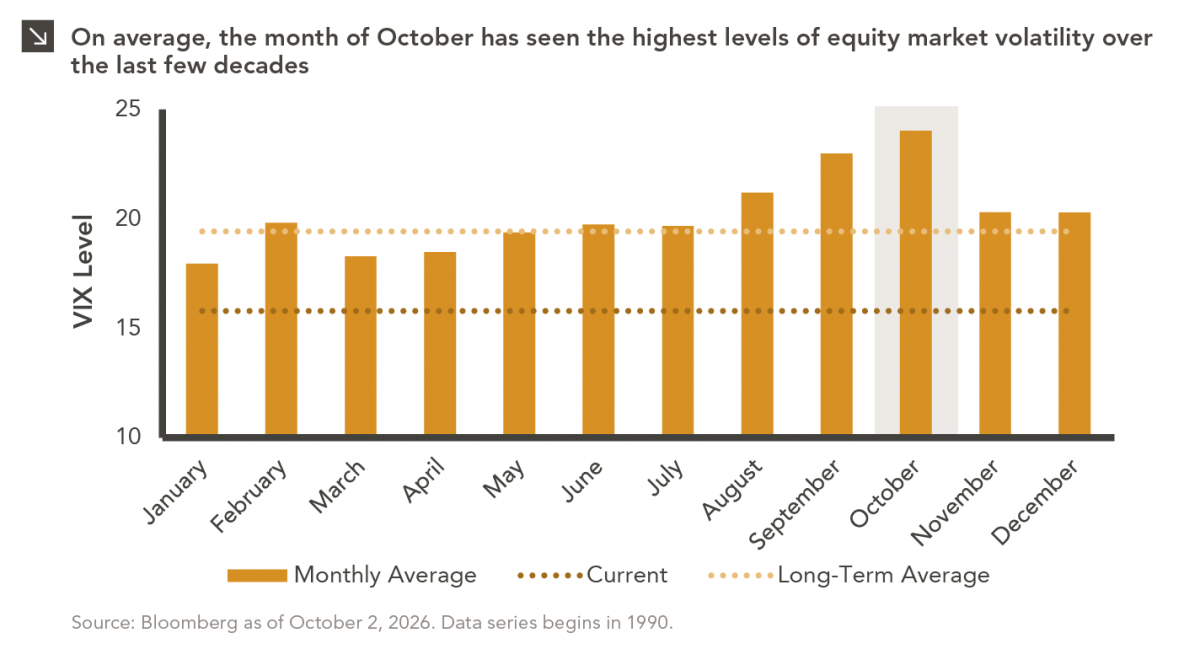
For investors, the spookiest thing about October might not be the ghosts and monsters that are bound to show up…
09.28.2026
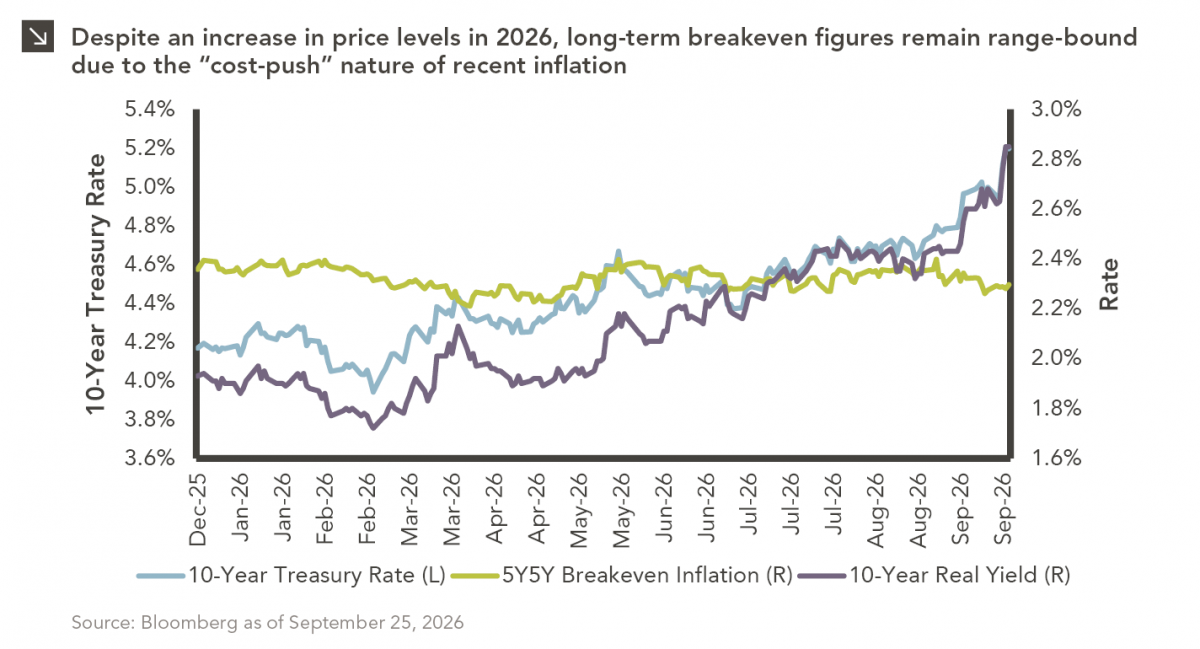
The phrase “expectations of higher inflation” has become a staple in financial news to explain the increase in nominal U.S….
Research alerts keep you updated on our latest research publications. Simply enter your contact information, choose the research alerts you would like to receive and click Subscribe. Alerts will be sent as research is published.
We respect your privacy. We will never share or sell your information.
If you have questions or need further information, please contact us directly and we will respond to your inquiry within 24 hours.
Contact Us >