10.08.2026
3Q 2026 Market Insights
This video is a recording of a live webinar held October 22 by Marquette’s research team analyzing the third quarter…


For many years, Japan experimented with ultra-loose monetary policy given long-term economic stagnation and persistent deflationary pressures that plagued the nation. Actions related to this policy included the Bank of Japan pushing interest rates lower, the implementation of yield curve control, and the purchase of more than 50% of all outstanding Japanese government bonds by the central bank. Roughly one year ago, however, the Bank of Japan ended both its yield curve control and negative interest rate policies after achieving sustained inflation and wage growth. Unfortunately, policymakers in Japan face an entirely new set of problems today.
As detailed in this week’s chart, yields on long-term Japanese government bonds have surged in recent days following a weak auction outcome, with the nation’s 30-year bond yield climbing to a record of 3.14%. There are many reasons for this spike, including new trade restrictions that pose a dual challenge to the Japanese economy. On one hand, tariffs diminish the likelihood of near-term interest rate increases by the Bank of Japan, thereby boosting demand for short-term debt. At the same time, trade tensions heighten inflation risks, which undermine investor confidence in long-term bonds. These dynamics present a dilemma for the Bank of Japan as it seeks to scale back its bond buying program and signal potential trouble for Japan’s heavily indebted government. To be clear, rising yields in Japan reflect a broader pattern, as long-term borrowing costs have climbed across major economies given investor concerns over the ability of governments to manage large fiscal deficits. Still, Japan finds itself on particularly precarious footing, and its central bank must now contend with inflationary pressures, weaker sentiment, and demographic headwinds.
Print PDFThe opinions expressed herein are those of Marquette Associates, Inc. (“Marquette”), and are subject to change without notice. This material is not financial advice or an offer to purchase or sell any product. Marquette reserves the right to modify its current investment strategies and techniques based on changing market dynamics or client needs.

10.08.2026
This video is a recording of a live webinar held October 22 by Marquette’s research team analyzing the third quarter…

10.22.2026
Anyone who has run a marathon knows the last six miles are brutal — no matter how well the first…
10.19.2026
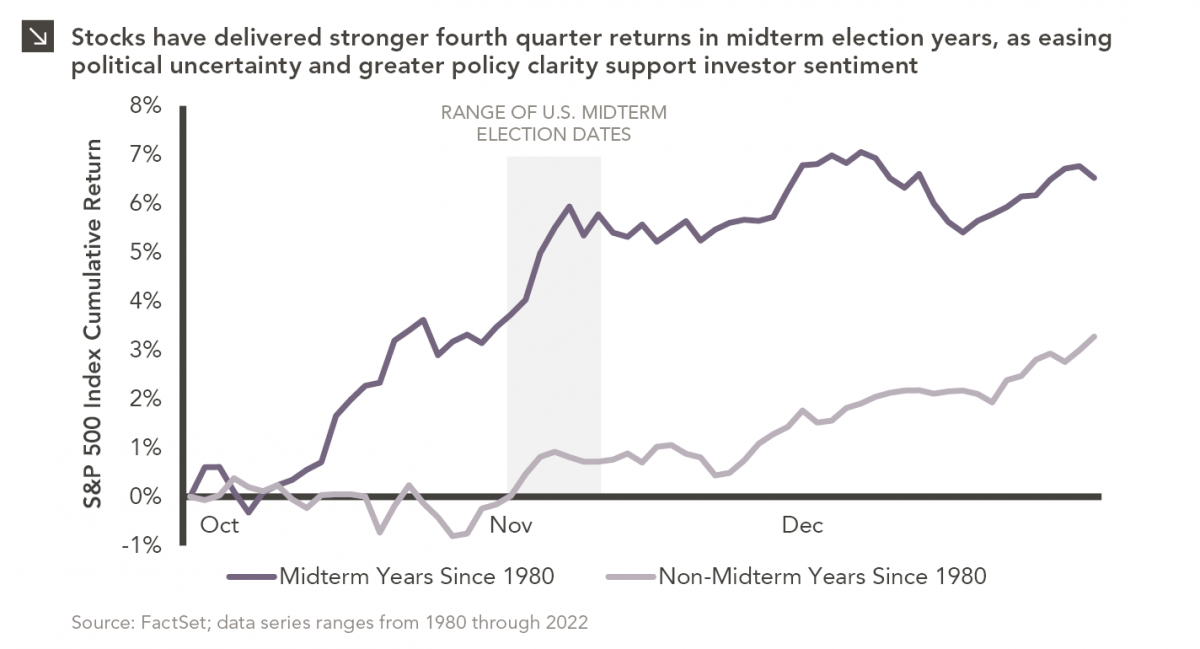
Since 1980, the S&P 500 Index has generally performed well in the weeks surrounding U.S. midterm elections. Specifically, the index…
10.12.2026
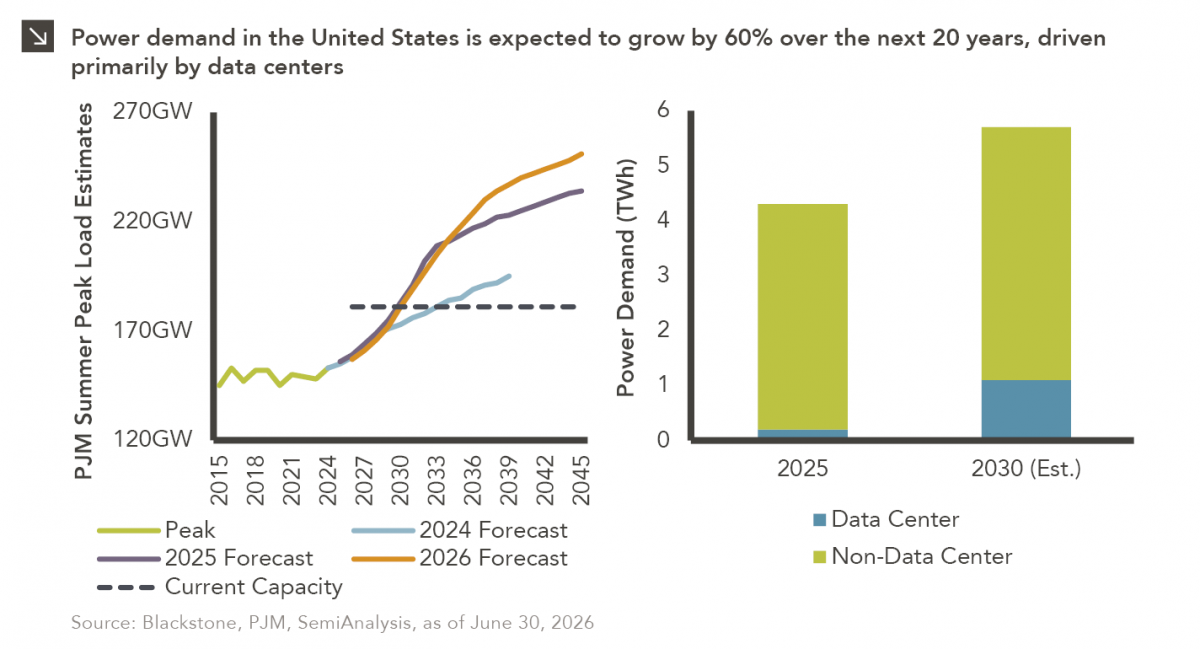
This week’s chart highlights the accelerating growth of electricity demand in the U.S., which has been driven primarily by the…
10.05.2026
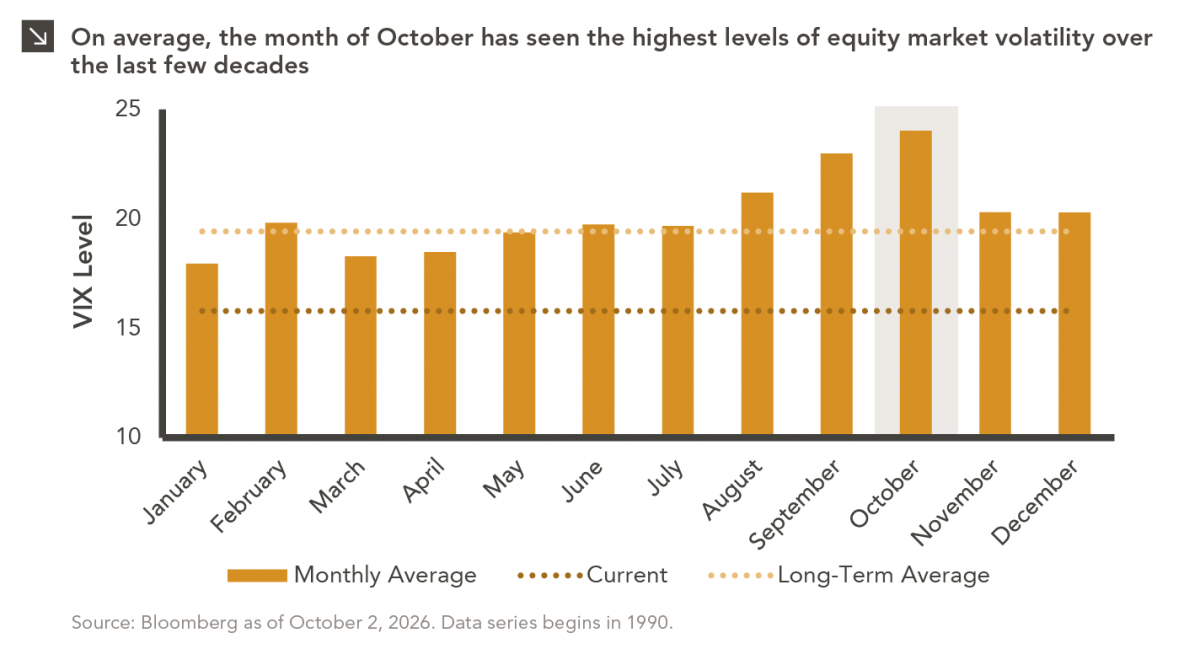
For investors, the spookiest thing about October might not be the ghosts and monsters that are bound to show up…
09.28.2026
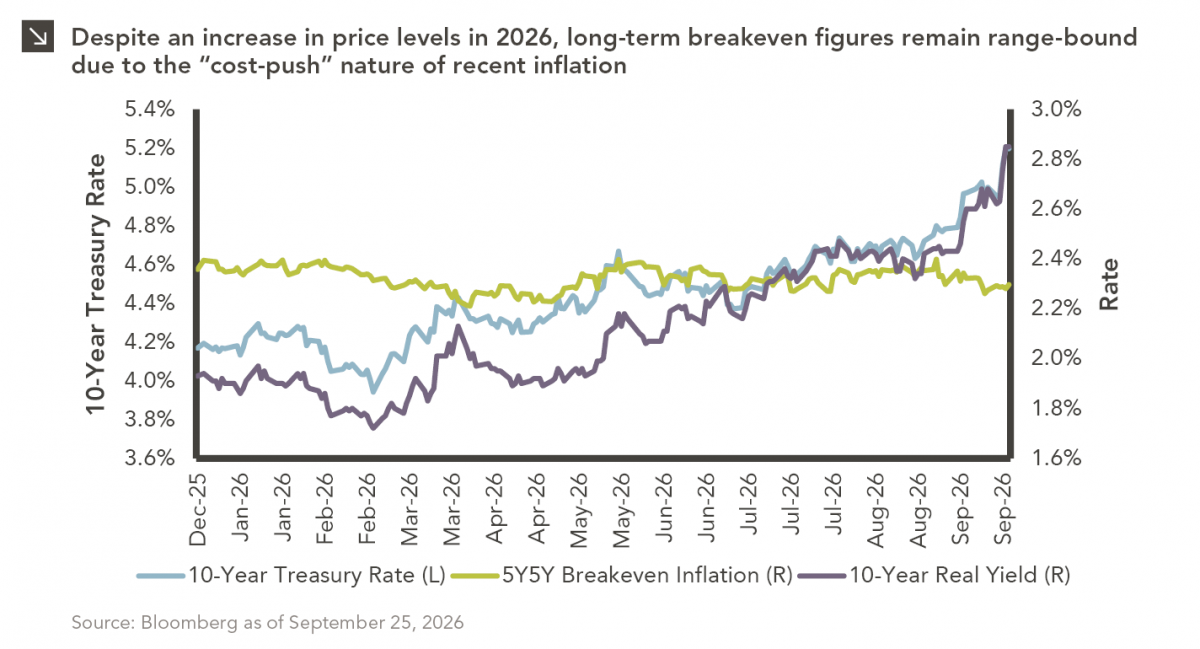
The phrase “expectations of higher inflation” has become a staple in financial news to explain the increase in nominal U.S….
Research alerts keep you updated on our latest research publications. Simply enter your contact information, choose the research alerts you would like to receive and click Subscribe. Alerts will be sent as research is published.
We respect your privacy. We will never share or sell your information.
If you have questions or need further information, please contact us directly and we will respond to your inquiry within 24 hours.
Contact Us >