10.08.2026
3Q 2026 Market Insights
This video is a recording of a live webinar held October 22 by Marquette’s research team analyzing the third quarter…


While many are familiar with technical analysis and its claimed prophetic approach to the markets using historical performance, this week we look at a derivative of the 50-day moving average through the lens of breadth.
Crossing below the 50-day moving average is considered a point of weakness whereas crossing above this trendline is viewed as a sign of future strength and bullish activity for the market or index in question. While the broad market, as proxied by the Russell 3000, had a strong May and June and remained above this moving average, it found weakness in August and has been below this trendline for the past few weeks. Instead of just analyzing the index as whole, we examine the behavior at a component level through market breadth which is a ratio of stocks with increasing prices to those with falling prices. A derivative of this metric is charted below as a ratio of stocks above their 50-day moving averages over those below; a ratio above 1 is a positive indicator for the market as this means more stocks are above their short-term average than below and indicates substantial market breadth. This is a good sign for the market as it means the majority of index constituents are exhibiting strength as opposed to only a few mega-caps lifting up the market.
Recently, however, this ratio fell below 1 which means stocks falling in price outnumber those increasing in price. Less than 42% of stocks in the Russell 3000 universe are trading above their short-term moving average whereas back in July more than 70% were trading above their short-term averages. That the market is trading flat during this new trend means that the upward movement of only a few stocks relative to the universe is keeping the market flat; this does not make for a stable market. While these are only technical indicators and are not cause for extreme alarm, the general indication of these data points is that market stress in the near future would not be completely surprising.
The opinions expressed herein are those of Marquette Associates, Inc. (“Marquette”), and are subject to change without notice. This material is not financial advice or an offer to purchase or sell any product. Marquette reserves the right to modify its current investment strategies and techniques based on changing market dynamics or client needs.

10.08.2026
This video is a recording of a live webinar held October 22 by Marquette’s research team analyzing the third quarter…

10.22.2026
Anyone who has run a marathon knows the last six miles are brutal — no matter how well the first…
10.19.2026
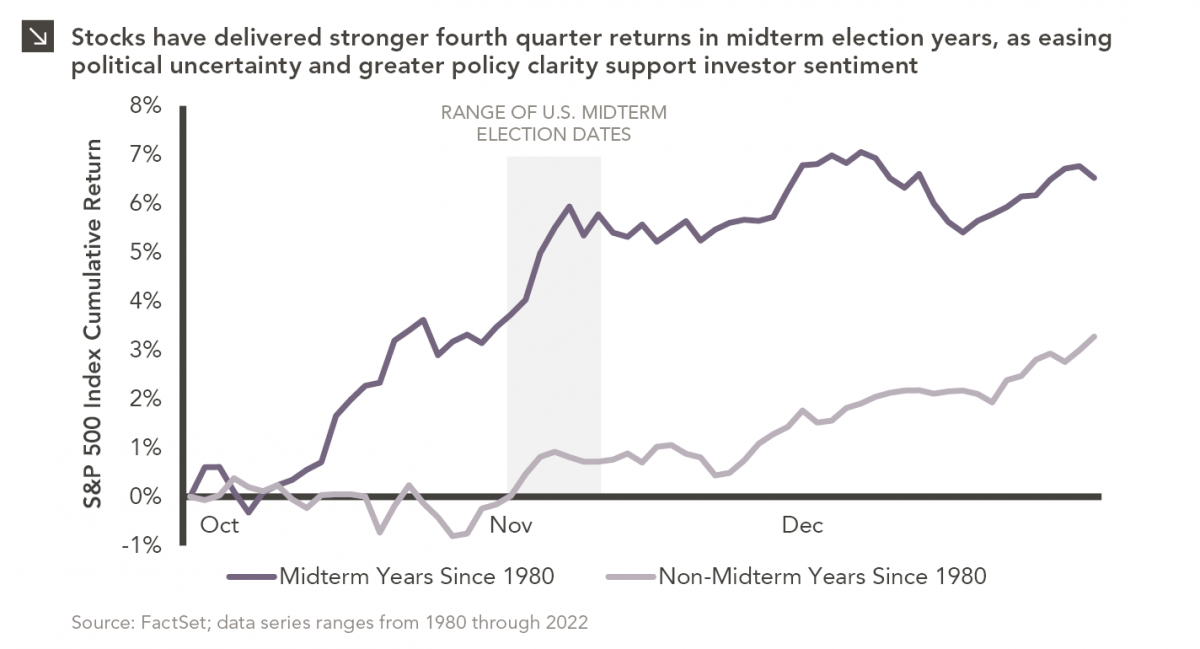
Since 1980, the S&P 500 Index has generally performed well in the weeks surrounding U.S. midterm elections. Specifically, the index…
10.12.2026
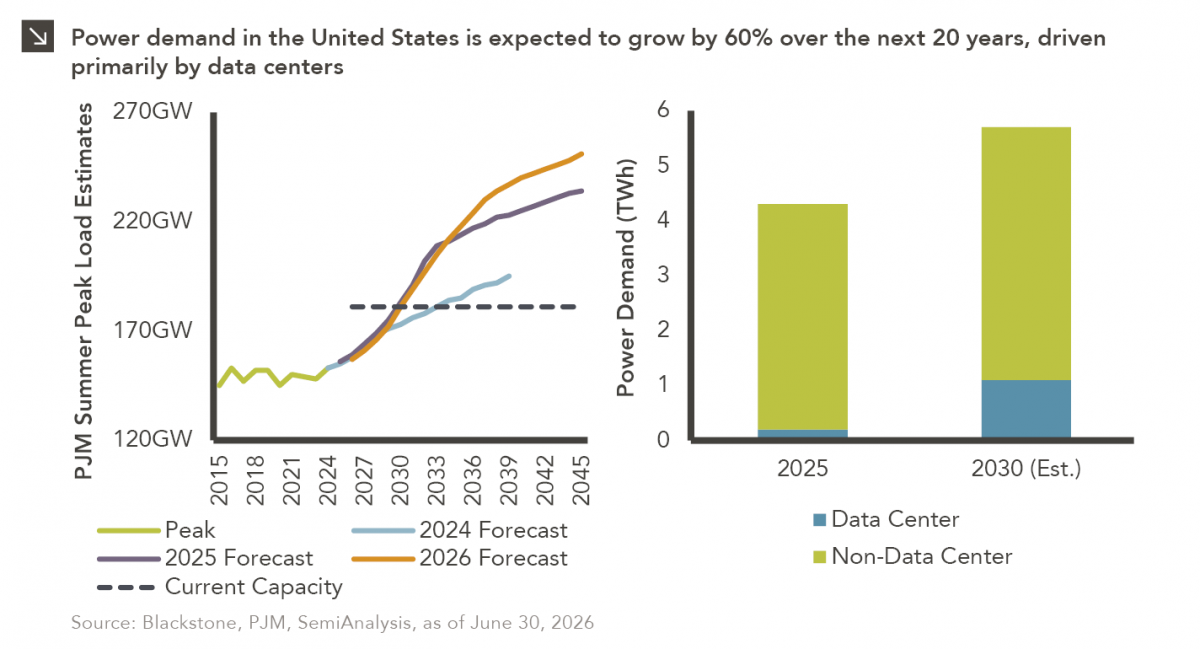
This week’s chart highlights the accelerating growth of electricity demand in the U.S., which has been driven primarily by the…
10.05.2026
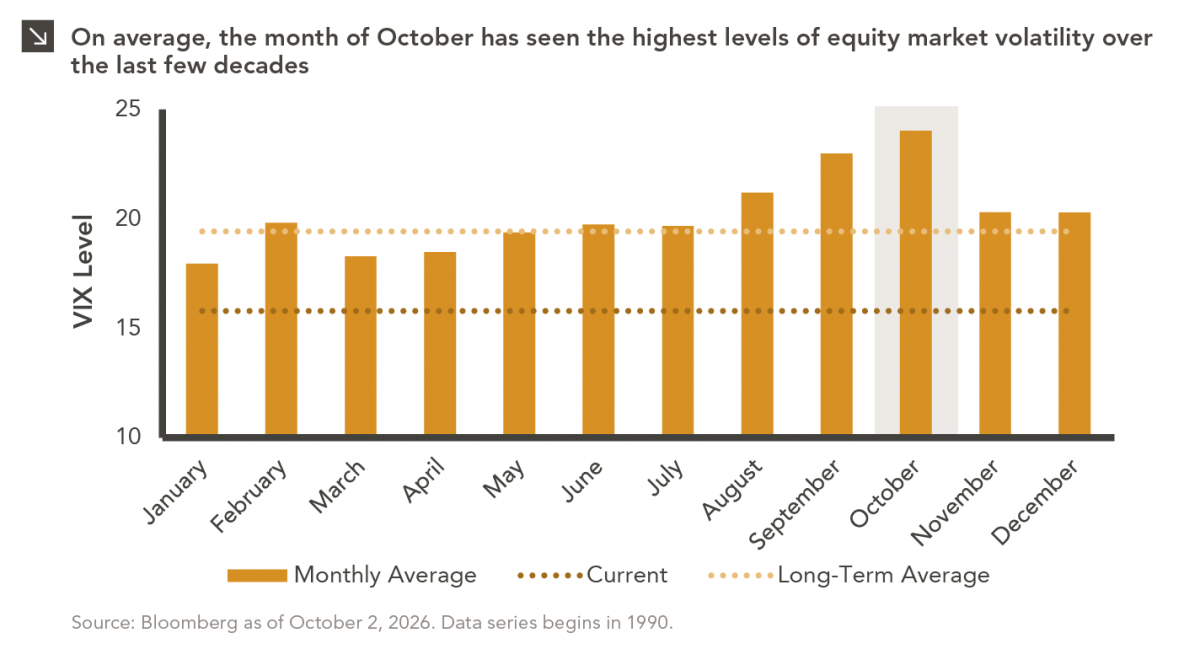
For investors, the spookiest thing about October might not be the ghosts and monsters that are bound to show up…
09.28.2026
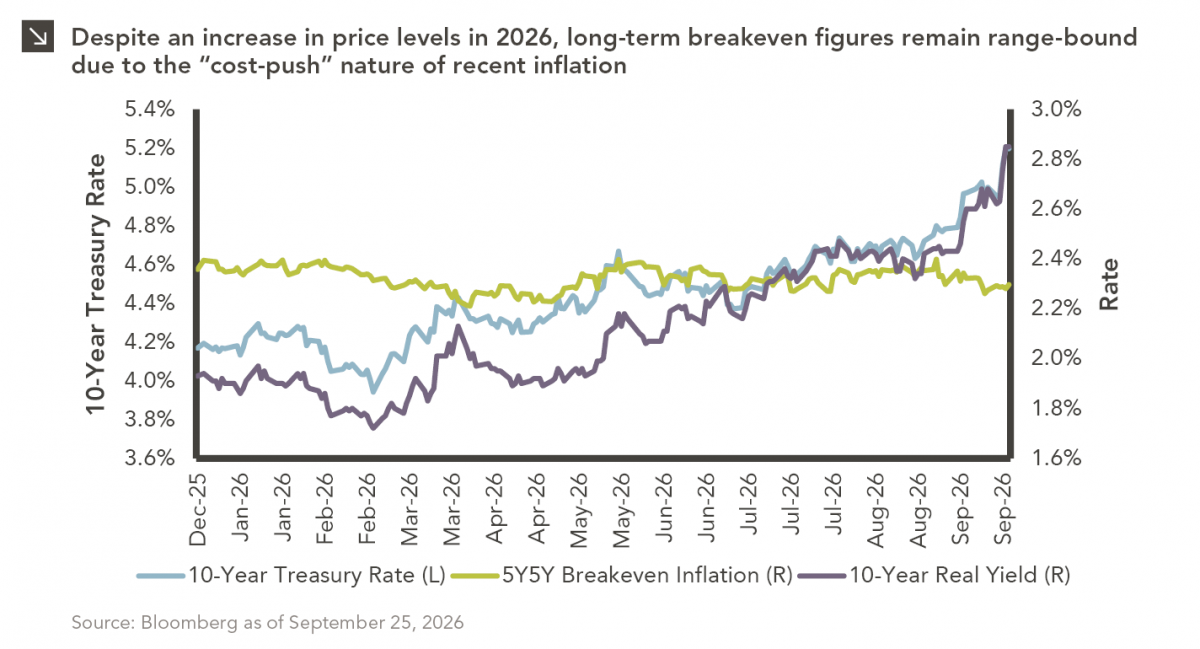
The phrase “expectations of higher inflation” has become a staple in financial news to explain the increase in nominal U.S….
Research alerts keep you updated on our latest research publications. Simply enter your contact information, choose the research alerts you would like to receive and click Subscribe. Alerts will be sent as research is published.
We respect your privacy. We will never share or sell your information.
If you have questions or need further information, please contact us directly and we will respond to your inquiry within 24 hours.
Contact Us >