10.22.2026
Will Higher Rates Cramp the Markets?
Anyone who has run a marathon knows the last six miles are brutal — no matter how well the first…


Americans have seen tax cuts and strong historical returns across asset classes since the Global Financial Crisis. However, though the general populace has been flourishing, the decrease in revenue flowing to the government and an increase in defense spending have contributed to the deficit increasing each year since 2016. Is the increased deficit a systemic risk or simply a side effect of a low rate environment?
This week’s chart of the week shows the United States’ deficit since 2007 in absolute terms as well as a percentage of GDP. The deficit spiked during the financial crisis at $1.4 trillion dollars as the administration took action to provide stimulus to the nation while in a recession. Shortly after, the deficit began decreasing as the economy moved towards recovery. More recently, the deficit has been increasing and is projected to reach $1.1 trillion dollars in 2020, an amount not seen since 2012. On an absolute basis, the deficit has been moving upward, but has this been offset by an increase in GDP? The blue line on the graph shows the deficit as a percentage of GDP. This metric has also been steadily increasing since 2016, though it is still much lower than during the Great Recession.
One area of potential concern is that during past expansions the deficit was decreasing or low, while now the deficit is moving in the opposite direction. If a recession were to occur, the government would have to borrow even more to stimulate the economy, pushing the debt level even higher and possibly raising concerns about the U.S. financial system. On the other hand, a theory of economic thought called Modern Monetary Theory (“MMT”) has gained traction due to the proposal of large increases in government spending by left-wing presidential candidates. MMT states that a country that prints its own currency does not have to worry much about debt as it can pay it off simply by adding to the monetary supply. Thus, the thought is that the only target for central banks should be inflation.
In all, deficit spending is a crucial means of financing public programs and stimulating the economy, no matter which economic viewpoint is applied. The U.S. deficit has ebbed and flowed over time and will continue to be a point of political contention for years to come.
Print PDF > Should Investors Worry About the Growing Deficit?
The opinions expressed herein are those of Marquette Associates, Inc. (“Marquette”), and are subject to change without notice. This material is not financial advice or an offer to purchase or sell any product. Marquette reserves the right to modify its current investment strategies and techniques based on changing market dynamics or client needs.
The opinions expressed herein are those of Marquette Associates, Inc. (“Marquette”), and are subject to change without notice. This material is not financial advice or an offer to purchase or sell any product. Marquette reserves the right to modify its current investment strategies and techniques based on changing market dynamics or client needs.

10.22.2026
Anyone who has run a marathon knows the last six miles are brutal — no matter how well the first…
10.19.2026
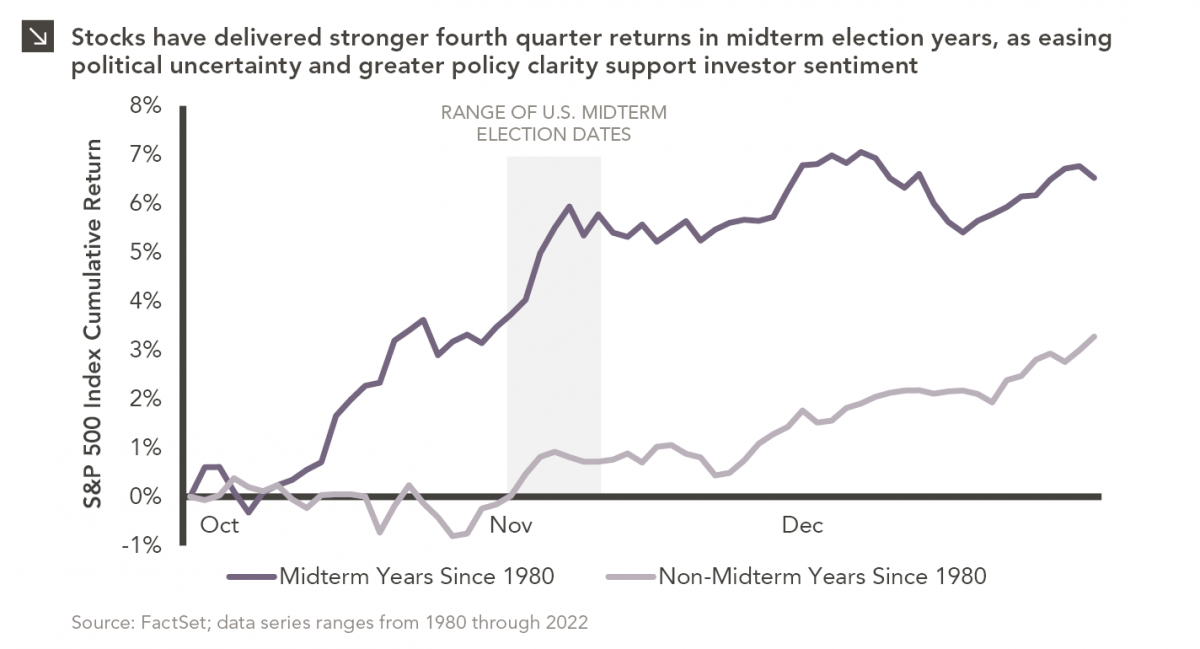
Since 1980, the S&P 500 Index has generally performed well in the weeks surrounding U.S. midterm elections. Specifically, the index…
10.12.2026
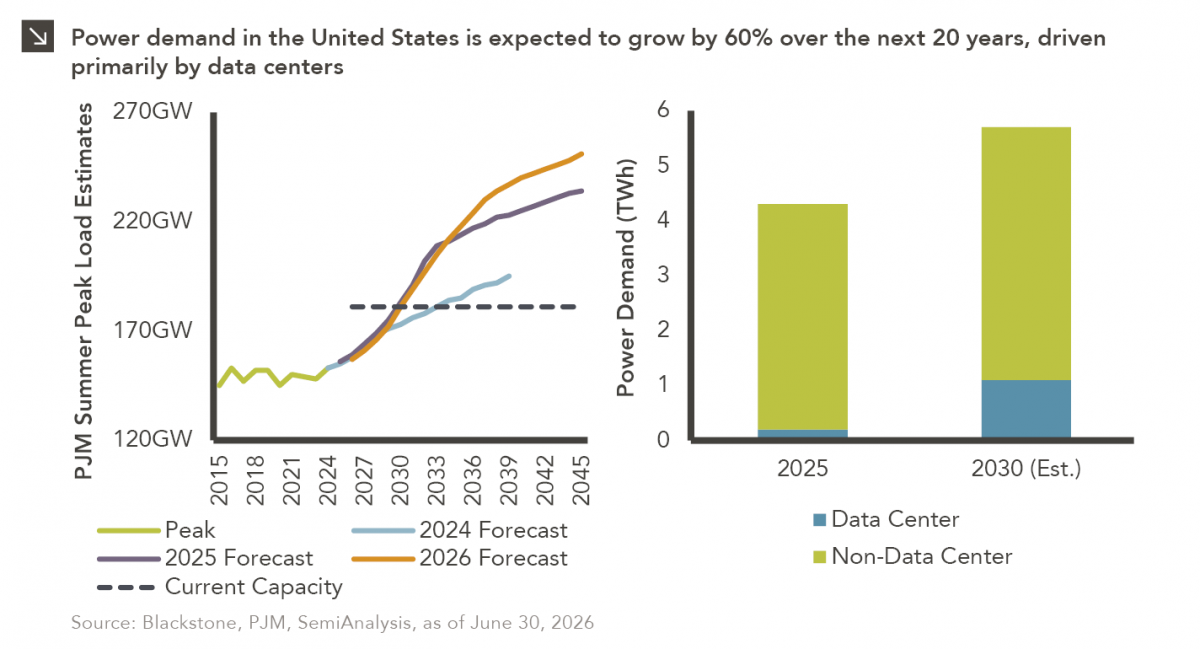
This week’s chart highlights the accelerating growth of electricity demand in the U.S., which has been driven primarily by the…

10.08.2026
LIVE WEBINAR — OCTOBER 22 Please join Marquette’s research team for our 3Q 2026 Market Insights Webinar…
10.05.2026
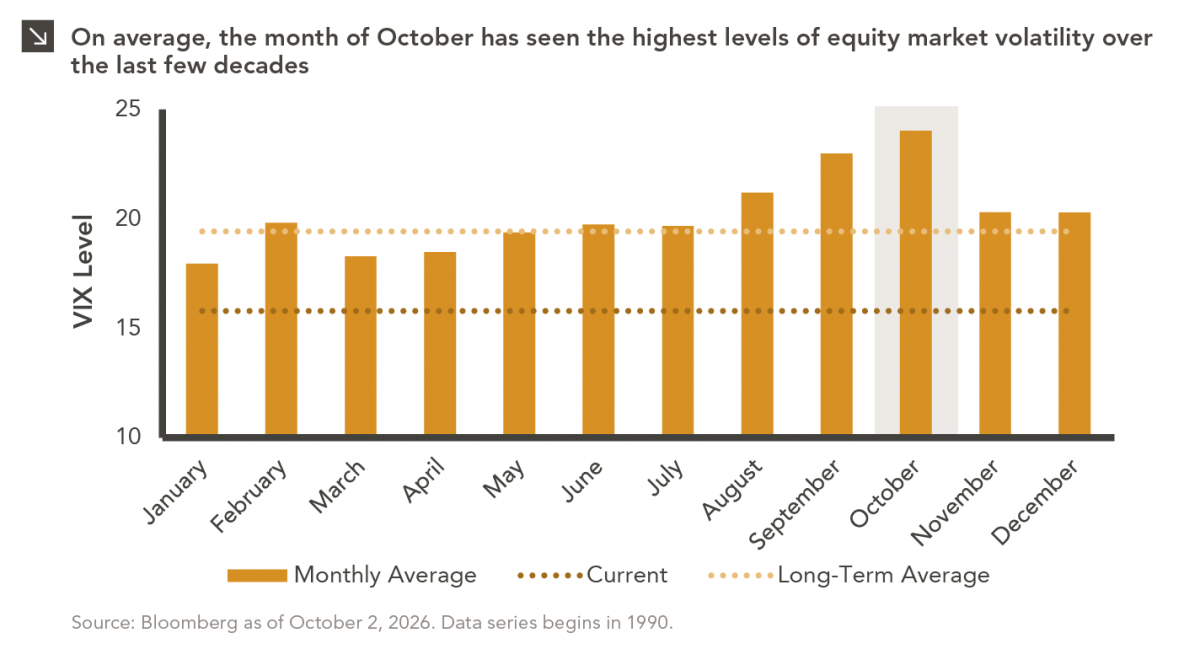
For investors, the spookiest thing about October might not be the ghosts and monsters that are bound to show up…
09.28.2026
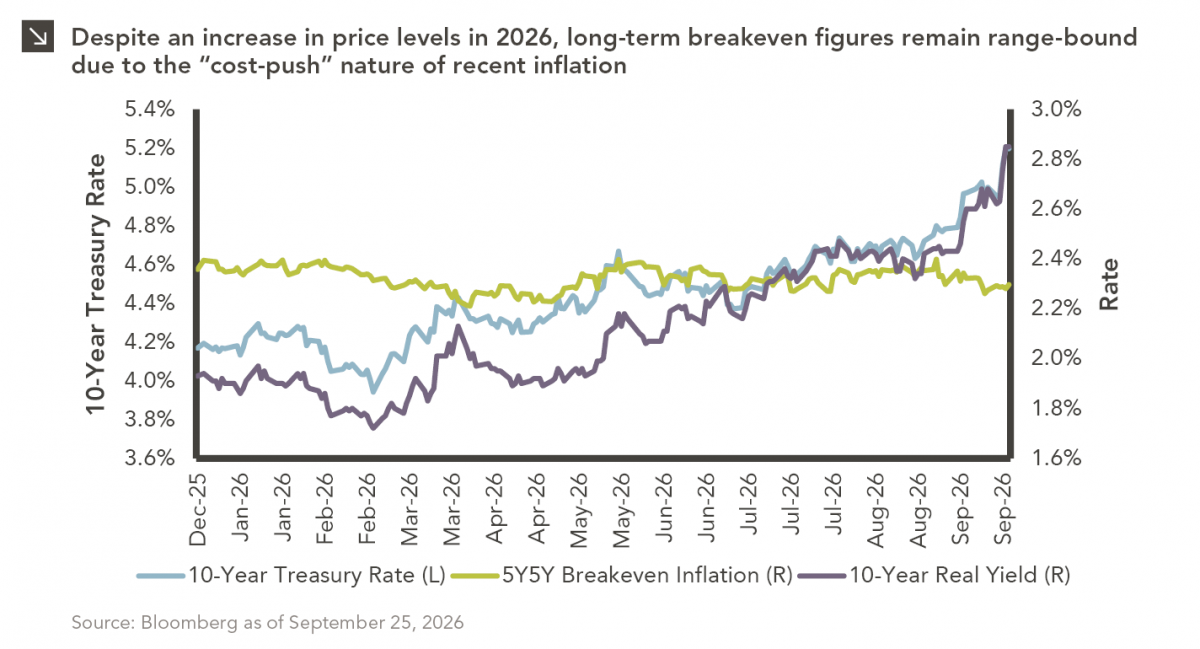
The phrase “expectations of higher inflation” has become a staple in financial news to explain the increase in nominal U.S….
Research alerts keep you updated on our latest research publications. Simply enter your contact information, choose the research alerts you would like to receive and click Subscribe. Alerts will be sent as research is published.
We respect your privacy. We will never share or sell your information.
If you have questions or need further information, please contact us directly and we will respond to your inquiry within 24 hours.
Contact Us >